







Introduction:Delve into the historical background of Ethiopia’s Sidama region, the differences in processing methods, and the unique flavor characteristics of washed G1 grade coffee beans. This article will take you through the name evolution from Sidama to Sidamo, explore how sun-dried and washed processes shape the layered complexity of coffee, and analyze the aroma and taste profiles of high-altitude heirloom beans—providing professional tasting insights for coffee enthusiasts.
Sidama is one of Ethiopia’s most iconic specialty coffee regions, and its name actually carries a story of rebranding—from Sidamo to Sidama. This article will deeply explore the region’s historical roots, the impact of traditional sun-dried processing on flavor, and the unique flavor profile of washed G1 grade beans, helping you fully grasp the essence of Sidama coffee. At the same time, we’ll also analyze the taste characteristics of specific bean offerings, offering practical tasting knowledge whether you’re a beginner exploring single-origin coffee or an advanced drinker familiar with regional flavors.
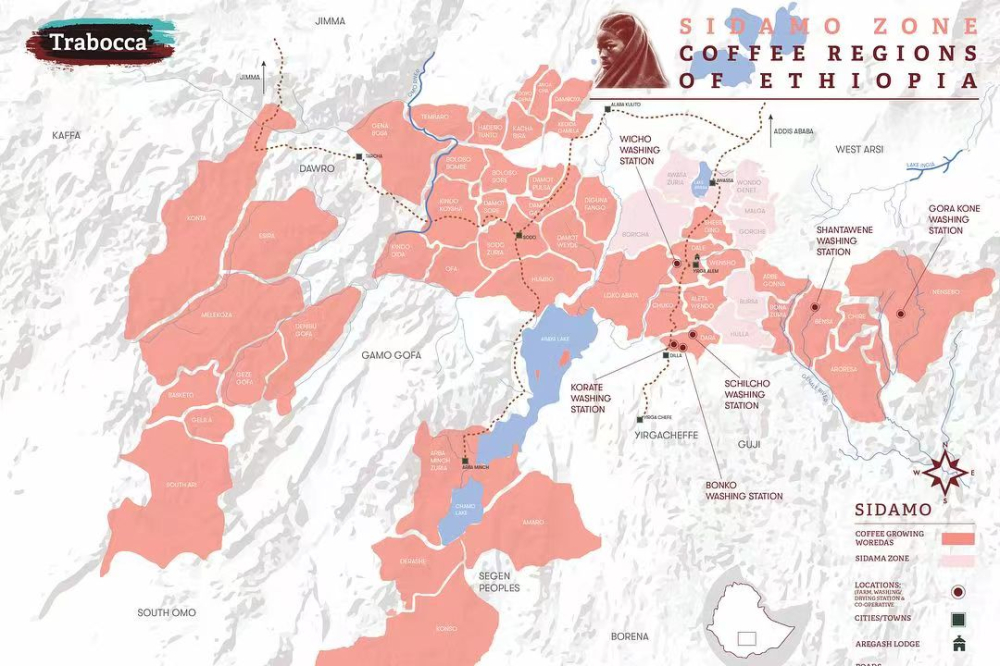
Ethiopia’s coffee-growing regions are vast and scattered, among which Yirgacheffe and Sidama are the most renowned and recognized as two star regions in the specialty coffee world. When searching for information about Sidama, you’ll often come across two spellings: Sidamo and Sidama. In fact, Sidamo originates from the indigenous Sidama people, who have a rich cultural heritage, including a traditional New Year celebration—Fiche Chambalala—that has been recognized by UNESCO and attracts over five million people annually to the capital, Hawassa.
From the late 18th to early 19th century, the region was invaded by foreign forces, during which the invaders mispronounced Sidama as Sidamo. To the Sidama people, this name carried derogatory connotations. It wasn’t until the 1990s, when the Ethiopian government implemented a federal system and redefined administrative regions based on ethnicity and language, that the Sidama people regained their original name, Sidama. However, prior to this, Sidamo coffee had already gained global acclaim for its unique aromas, so the term “Sidamo” remained in common use. Additionally, when the local government applied for a trademark, they retained the old name Sidamo®, leading to the continued widespread use of “Sidamo” to refer to the coffee from this region today.
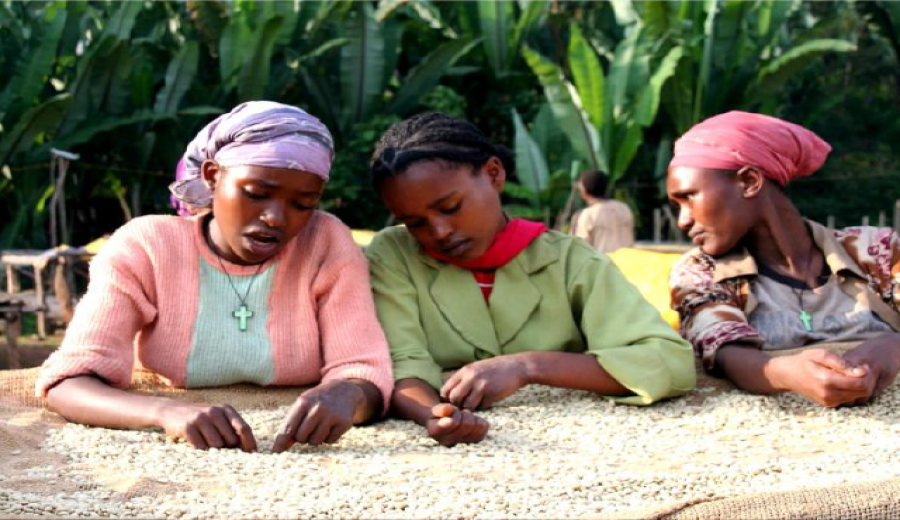
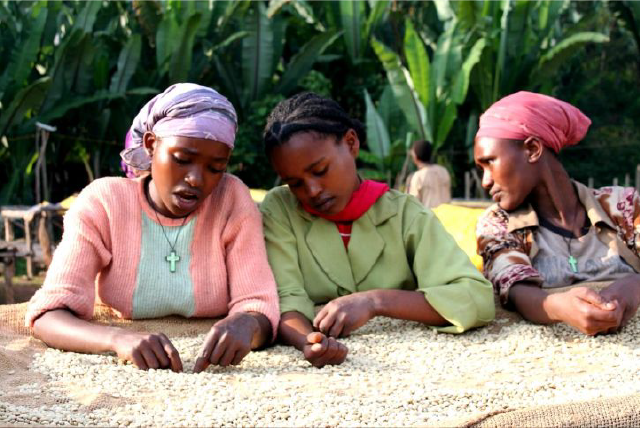
Sun-dried processing is the most traditional method for coffee beans in Ethiopia, and most areas in Sidama still use this natural drying technique. Compared to washed processing, sun-dried fermentation takes longer, allowing more thorough interaction between the fruit pulp and microorganisms, which produces more volatile aromatic compounds—especially esters. These compounds transform into furan-type aromatics during roasting, giving the coffee richer floral and tropical fruit notes, along with pronounced sweetness and layered fermentation complexity. This process results in a more diverse flavor spectrum and a fuller, sweeter mouthfeel.
Sidama coffee is generally known for its rich, full-bodied mouthfeel, paired with complex sweet aromas, bright and soft acidity, and a long aftertaste. Coffee beans such as Hamashu 74158, sun-dried Hua Kui, and Aro Village beans all come from this famous region, showcasing the unique charm of Sidama coffee.
Sidama Single-Origin Selection — Sun-Dried Hua Kui
Region: Ethiopia Sidama
Elevation: 2250m to 2350m
Variety: Local Heirloom
Processing Method: Sun-Dried
Grade: G1
Flavor Profile: Creamy strawberry, citrus, and sweet orange, with a hint of fermentation, offering intense and layered aromas—suitable for coffee lovers who enjoy a balanced fruitiness and sweetness.
The above content is compiled by CoffeeHunters, a coffee news website.


