







Introduction:Ethiopia is hailed as the birthplace of coffee, blessed with exceptional geographical conditions and abundant varietal resources. Its coffee beans are renowned for their bright acidity, floral and fruity aromas, and clean flavor profiles. This article selects six premium Ethiopian single-origin beans ideal for pour over brewing, offering an in-depth look at each region’s terroir, processing methods, and flavor profiles, along with practical reference parameters to help you find your perfect match.
As the birthplace of global coffee culture, Ethiopia not only has a long history of coffee cultivation but also serves as the cradle of many renowned specialty coffee varieties. The region’s high-altitude terrain, diverse microclimates, and rich biodiversity give rise to uniquely flavored beans—especially well-suited to the nuanced experience of pour over brewing. Whether you’re new to specialty coffee or a seasoned enthusiast chasing intricate flavors, these six classic Ethiopian pour over beans are must-tries.
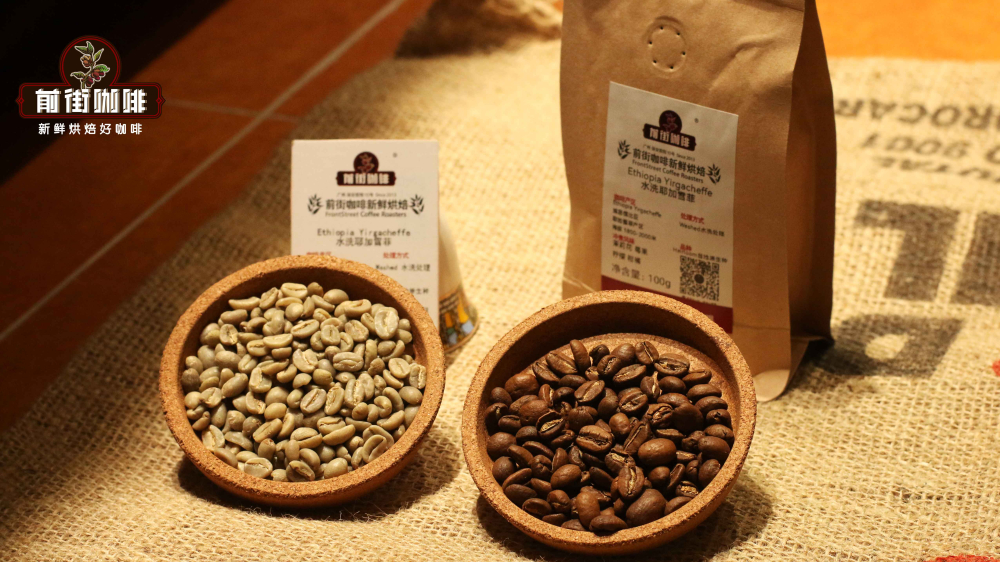
First up is the washed Yirgacheffe. Sourced from the town of Yirgacheffe at elevations between 1700 and 2100 meters, this region is nourished year-round by moist air currents from evaporating lakes and enjoys a stable climate wrapped in morning fog—qualities that define its coffee’s distinctive freshness. Processed using the washed method, it highlights bright citrus acidity paired with delicate jasmine and lemongrass aromas. The cup feels as light as green tea, with a honey-like sweetness lingering on the finish. Recommended for medium-light roasting, brew at 90–92°C with a 1:15 coffee-to-water ratio and a grind size close to superfine sugar.
To explore subtle variations within Yirgacheffe, try the Guddina Cooperative beans. Located in the Wolkite zone southeast of Yirgacheffe, this cooperative was established in 2012 and comprises about 300 smallholder farmers, emphasizing traceability and single-region character. Its processing begins with pulp removal to sharpen the bean’s intrinsic aromas. Flavors are grounded in citrus and lemon, complemented by soft white floral notes, delivering a crisp and refined mouthfeel—ideal for those who prefer fruity brightness and gentle acidity. For pour over, aim for 91°C water and maintain steady pouring to coax out its delicate layers.
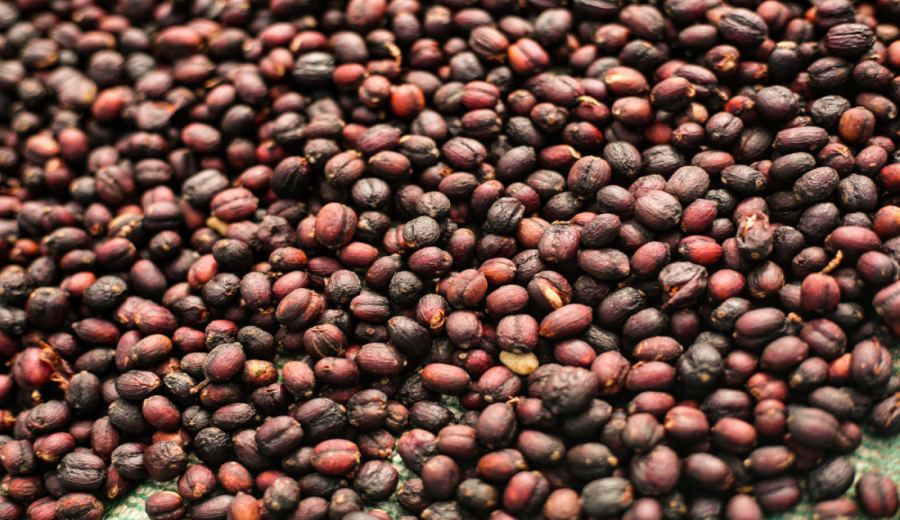
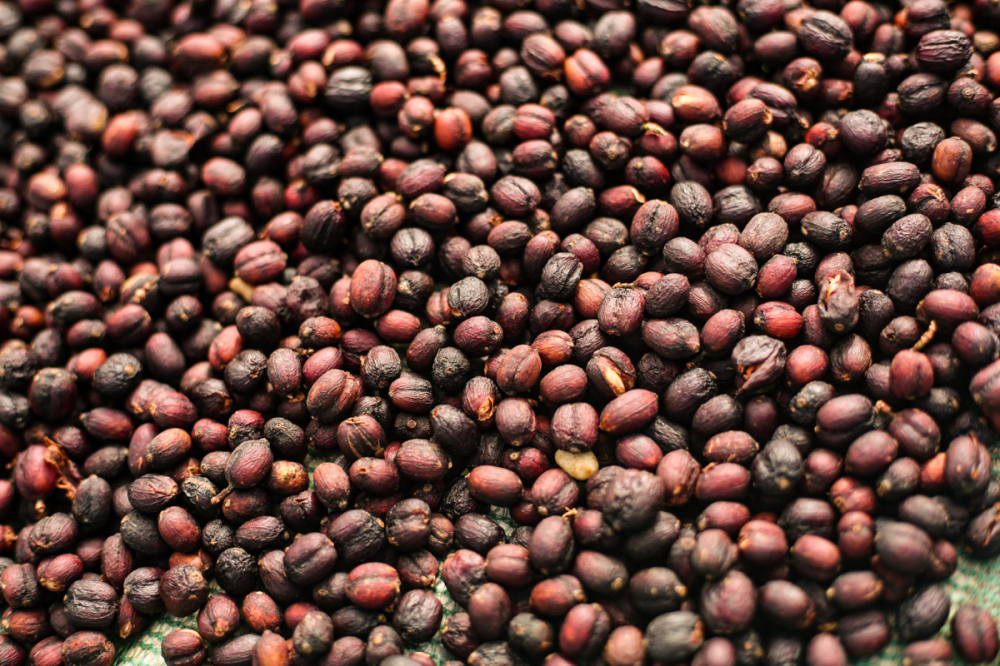
Next is the natural Red Cherry. Unlike washed processing, the natural method emphasizes the interaction between fruit pulp and coffee beans, allowing sugars and fruity notes to fully permeate the bean. This lot undergoes meticulous sorting during drying to ensure only flawless, high-quality beans reach the final stage. Its flavor profile is vivid, bursting with a medley of peach, cocoa, honey, and lemon aromas. The cup is full-bodied with pronounced sweetness, catering to fans of intense fruitiness and sugary richness. For pour over, use a slightly lower temperature around 88–90°C and extend extraction time to fully unlock its sweetness and fruit character.
From the Sidama region comes the natural Huika. Once encompassing Yirgacheffe and Guji, Sidama is now a distinct zone, celebrated for coffees with vibrant acidity and aromatic intensity—bold yet balanced in expression. The Huika batch centers on berry, citrus, and mango notes, with a rounded mouthfeel akin to black tea. The finish lingers with sustained sweetness and a gentle acidity, making it perfect for those who enjoy bold fruit flavors with overall harmony. Recommend medium roasting; during pour over, ensure smooth water flow to avoid over-extraction.
Also from Sidama, the Hamashu is a consistent winner in green bean competitions. Its beans often come from JARC (Jimma Agricultural Research Center)-released disease-resistant 74-series varieties, particularly 74158, known for its small size and standout floral-fruity aromas. This lot’s dry fragrance carries bright notes of perfumed lemon, strawberry, and starfruit. On tasting, the strawberry and starfruit sweetness shines, while the finish hints at soft floral and nutty undertones. The cup is richly layered and complex. For pour over, opt for medium-light roasting, set the temperature around 90°C, and focus on even water distribution to highlight its refined flavors.
Finally, we recommend the Kaffa Forest beans, sourced from Ethiopia’s famed wild coffee origin. Unlike conventional farmed coffee, these trees grow in natural shade at elevations of 1400 to 2100 meters, thriving in red soil and steady rainfall. Roasted medium-light, the ground coffee emits white floral notes. The cup opens with bright acidity—think lemon and sweet orange—followed by a fruity and nutty sweetness on the aftertaste. The overall mouthfeel is as refreshing as green tea, with a long, lingering finish. Carefully control water temperature and pouring rhythm during pour over to fully showcase its wild, untamed character.
The above content is compiled by CoffeeHunters, a coffee news website.


