







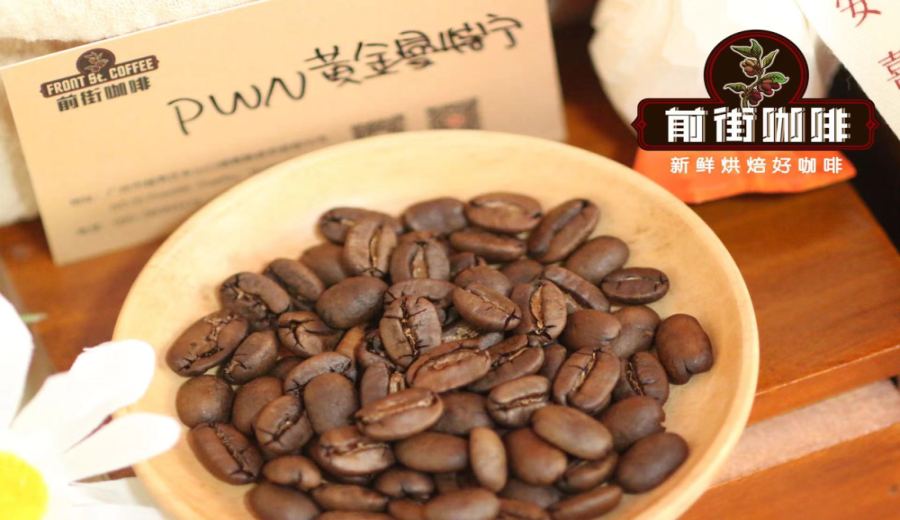
Introduction:Sumatra Mandheling is renowned for its full-bodied, low-acid flavor profile, with the Golden Mandheling and Lintong Mandheling from the Gayo Highlands standing out the most. Both are processed using the wet-hulled method, yet they differ significantly in selection standards, bean origin, and flavor expression. This article will delve into the regional background, processing details, roasting characteristics, and optimal brewing recommendations for these two classic Indonesian coffees, helping you make an informed choice based on taste preference—and serving as a practical guide to getting started with Indonesian coffee.
As the main coffee-producing region in Indonesia, Sumatra’s Mandheling is known for its intense, low-acid profile with distinctive herbal and earthy undertones. Among the many Sumatran regions, the Mandheling from Gayo and Lintong are especially favored in the global specialty coffee market for their clear and representative flavor profiles. Among them, Golden Mandheling, sourced through strict selection by PWN, offers superior flavor purity and consistency compared to regular Lintong Mandheling. This article will focus on these two popular Indonesian beans, analyzing their differences in origin, variety, processing method, and final flavor, while also providing practical pour-over parameter references.
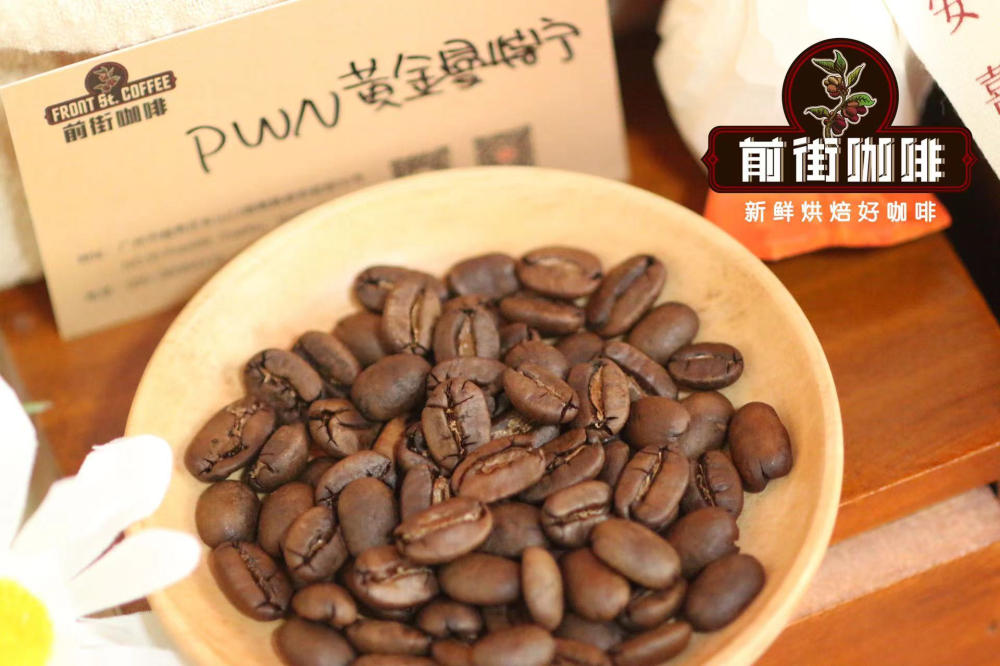
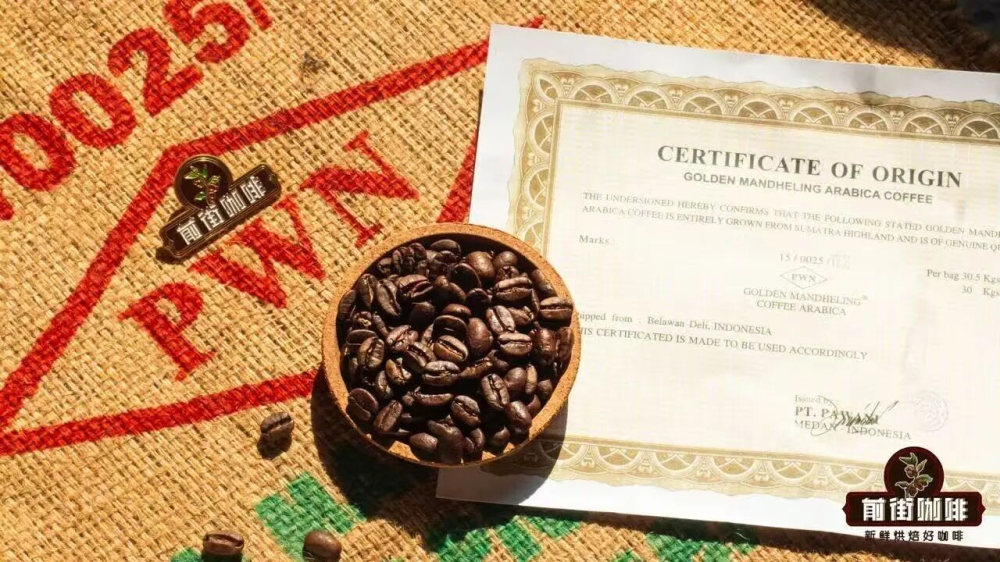
Golden Mandheling is a premium Mandheling product produced by Indonesia’s PWN Company (Pwani Coffee Company), and it is widely recognized as the authentic version of “Golden Mandheling” on the market. What sets this coffee apart is its four-step manual sorting process, including density separation, color sorting, and multiple rounds of hand-picking, ensuring each bean meets high standards of integrity and appearance. Such rigorous quality control results in an extremely low defect rate.Allowing fewer than 3 defects per 300g of green beans, it falls under the top tier of G1 grade. Compared to regular Lintong Mandheling, Golden Mandheling excels in cleanliness and sweetness, while reducing common earthy or off-flavors, delivering a purer profile of dark chocolate, caramel, and nutty notes.
As for the name “Golden Mandheling,” it was originally promoted and popularized by the Japanese market. However, the trademark was ultimately registered and owned by Indonesia’s PWN Company, meaning only PWN-produced Mandheling can bear this name. Other Japanese traders later adopted “Gold Top Mandheling” (鼎上黄金曼特宁) as an alternative. Interestingly, although both come from Sumatra, there are subtle differences in bean shape and flavor profile: the PWN version mostly uses the ancient Typica variety, with larger beans and a darker green hue; the 鼎上 version primarily uses Typica variants, with relatively smaller beans. That said, flavor superiority is subjective—both offer the rich, signature taste of Indonesian Mandheling.
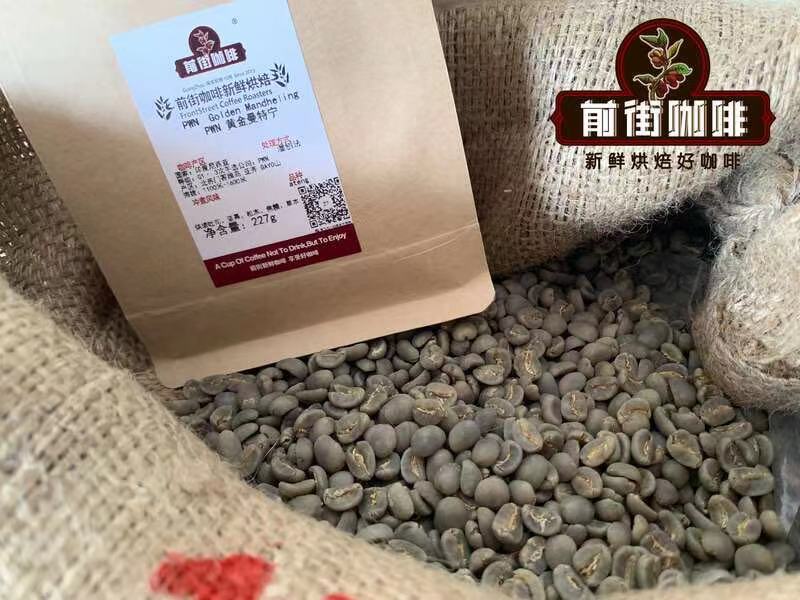
Sumatra’s geography and climate have a profound impact on local coffee processing methods. Due to frequent rain, high humidity, and a lack of consecutive sunny days needed for traditional sun drying—as well as the higher costs and equipment demands of the washed method—the region developed its uniquewet-hulled process (Giling Basah). This method involves removing the parchment layer early after partial washing and pulping, then sun-drying the beans at around 20%-24% moisture content. While this process contributes to Sumatra coffee’s distinctive heavy body, it can also lead to higher defect rates due to the rapid processing pace. Golden Mandheling mitigates such issues through its high-standard bean selection, ensuring consistent and stable flavor.
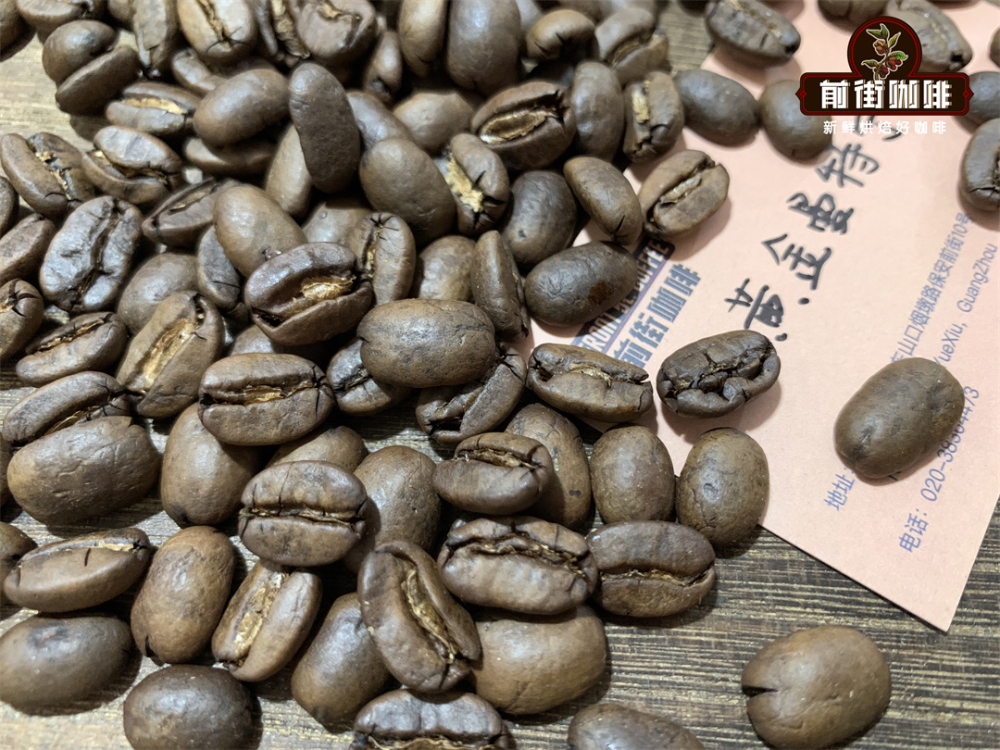
Compared to the more common Lintong Mandheling, the differences between the two go beyond processing and selection—they also lie in regional characteristics and overall positioning. The Lintong region is also located in Sumatra, at elevations of about 1100 to 1600 meters, cultivating varieties such as Typica and Catimor. Lintong Mandheling also uses the wet-hulled method, but without the strict selection process of PWN, its flavor tends toward a more raw and natural Sumatran profile, often featuring layers of herbs, spices, earth, and dark nuts. It suits coffee lovers who enjoy intense, wild flavors. Additionally, Lintong Mandheling is usually more affordable, making it a popular “everyday bean” for newcomers exploring Indonesian flavors.
For brewing recommendations, industry experts suggest using a medium-to-dark roast level for Mandheling beans and maintaining stable parameters for pour-over to fully showcase their rich body and sweetness. Below is a set of tested reference parameters suitable for most pour-over devices (such as V60 or Kono filters):
- Filter:Kono or V60
- Coffee-to-water ratio:1:15
- Coffee dose:15 grams
- Water temperature:88°C
- Grind size:20-mesh sieve passing rate of 70-75% (medium-coarse to medium-fine, close to the texture of fine sugar)
- Brewing method:Start with a 30-second bloom using 30g of water, then pour in small circles to reach 125g for the first pour; wait for the water level to drop, then pour up to 225g before ending the pour. Let the filter drip naturally. Total brew time is approximately 2 minutes 00 seconds to 2 minutes 10 seconds.
With these parameters, Golden Mandheling typically delivers a rich and layered flavor profile, such asnuts, caramel, chocolate, and a hint of pine aroma, with a clean and long-lasting finish. In contrast, Lintong Mandheling leans more towardherbal notes, dark chocolate, and spicy undertones, offering a sweet aftertaste that suits those who enjoy bold and exotic flavor profiles.
In summary, the main differences between Golden Mandheling and Lintong Mandheling lie inselection rigor, bean origin, and flavor purity. If you’re seeking a high-quality Mandheling with clear flavors, a clean cup, and pronounced sweetness, Golden Mandheling is undoubtedly the more advanced choice. For those just starting to explore Indonesian coffee—or preferring intense, raw flavor expressions—Lintong Mandheling provides a more affordable and regionally distinct option. Whichever you choose, Sumatra’s Mandheling will offer a glimpse into the unique charm and depth of Indonesian coffee.
The above content is compiled by CoffeeHunters, a coffee news website.


