







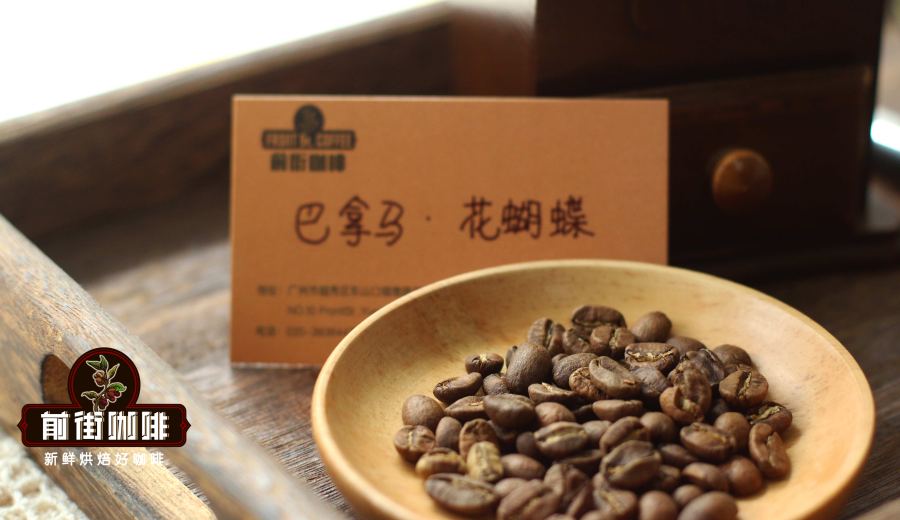
Introduction:Many consumers have a stereotype about "blended coffee," believing it must necessarily consist of beans from multiple origins. However, Geisha blends such as Panama Geisha Flower Butterfly and Costa Rica Miramar Strawberry Sugar, although labeled as blends, are actually single-origin coffees. This article delves into the varietal origins of Geisha, the growing environments in Panama and Costa Rica, the differences between washed and raisin honey processing, and provides practical medium-light roasting profiles and pour-over parameters to help you better understand the characteristics of these popular Geisha-blend beans.
The Geisha (Geisha) variety can be traced back to 1931, when it was discovered in the Gesha Forest of Ethiopia. It was subsequently brought to the Kenya Coffee Research Institute, then introduced to Uganda and Tanzania in 1936, and didn't arrive in Costa Rica until 1953. In 1963, Don Pachi Serracin introduced Geisha trees to Panama, but due to their low yield, they were long overlooked. It wasn’t until the late 1990s that Daniel Peterson, the owner of Panama’s Hacienda La Esmeralda, discovered that Geisha planted in the windbreak area emitted intense citrus and floral aromas, distinctly different from typical coffees. This batch of Geisha later won first place in the 2004 Panama Coffee Cupping Competition, thereby establishing Geisha’s top-tier status in the specialty coffee world.
In one brand’s product line, there are two Geisha-focused blended coffees: one is Panama Geisha Flower Butterfly, and the other is Costa Rica Miramar Estate Strawberry Sugar. Although both are labeled as “blends,” they actually fit the definition of single-origin coffee — both come from a single origin, even a single estate, but are blends of multiple varieties within that origin, which is why some markets refer to them as blends.
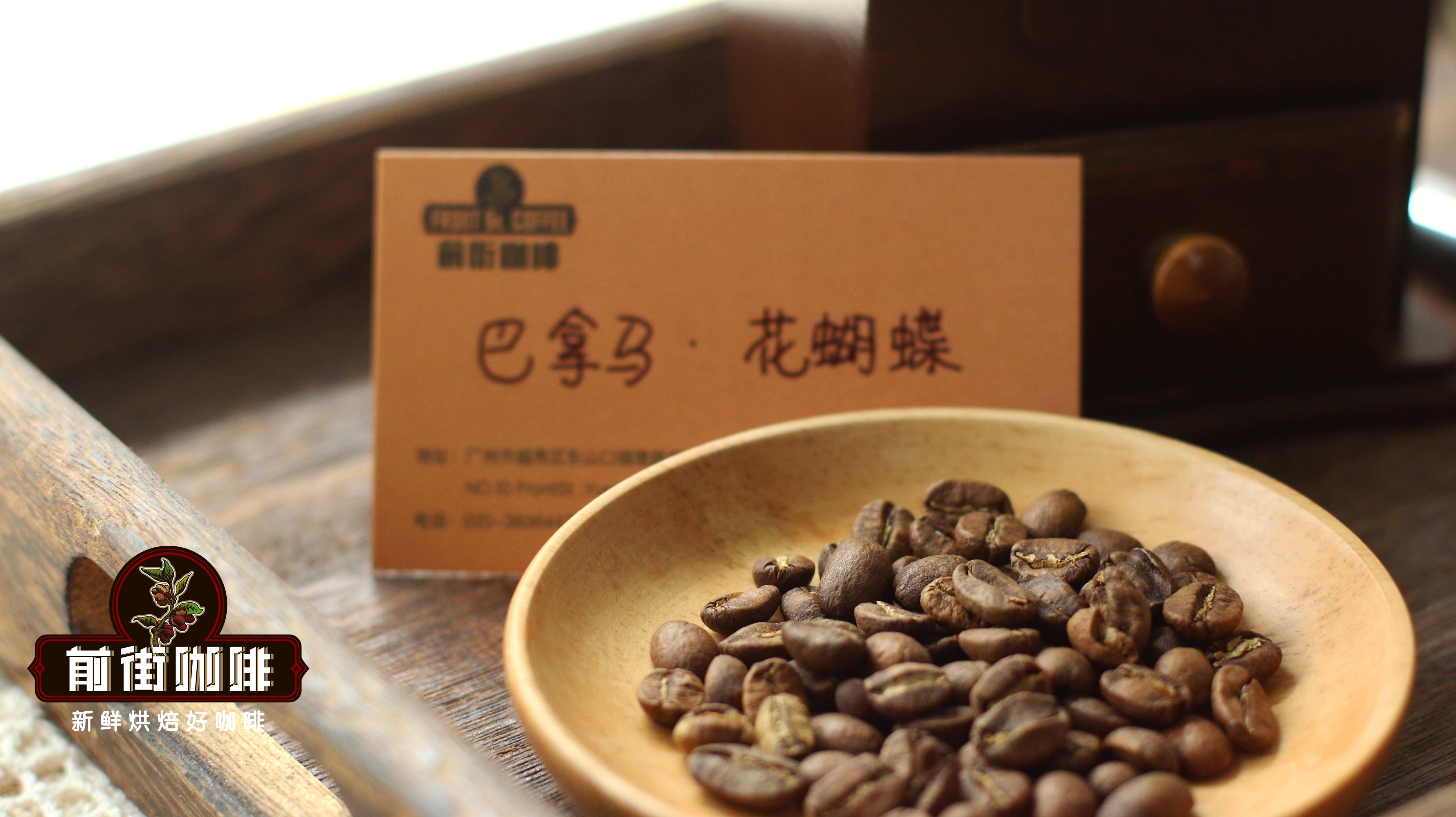
Let’s first look at Panama Geisha Flower Butterfly, grown in the Baru Volcanic Range of the Boquete region in Panama, at an altitude of approximately 1,600 meters. Its varietal composition is 70% Geisha, along with Caturra and Catuai, totaling three varieties. This bean is processed using a refined washed method. The local microclimate features significant diurnal temperature variation, ample rainfall, and the nourishment of volcanic soil, resulting in outstanding performance in acidity, floral aroma, and overall body.Especially with Geisha making up 70%, this coffee exhibits distinct aromatic characteristics such as citrus, white grape, honey, and black tea.
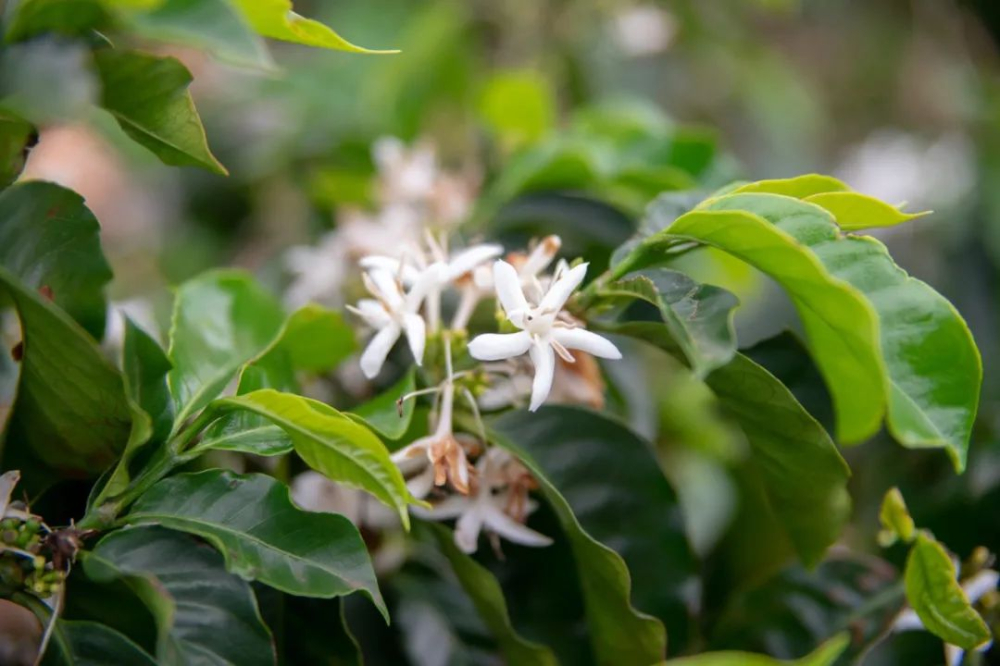
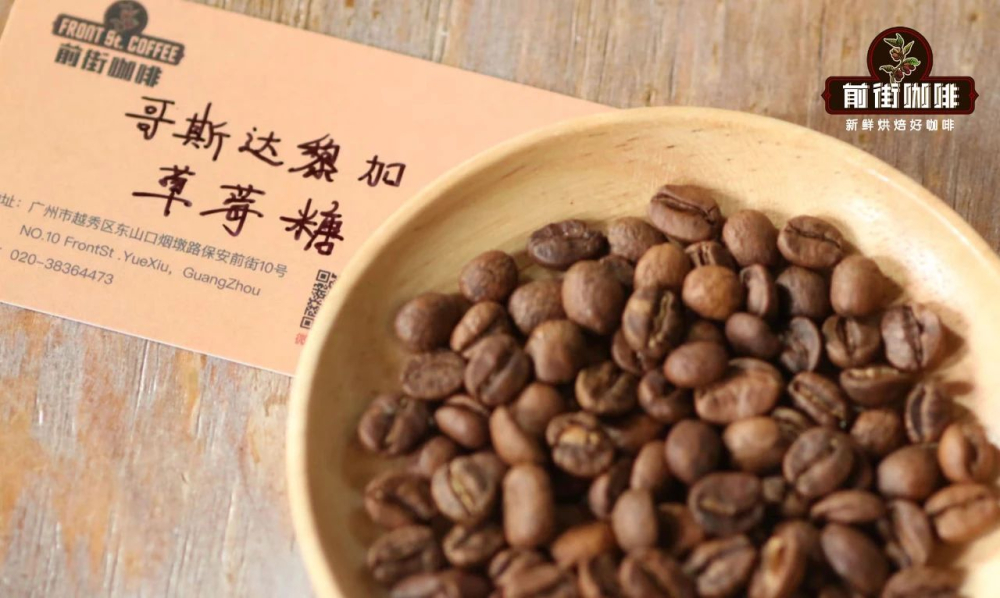
As for the Costa Rica Miramar Estate Strawberry Sugar Geisha blend, it comes from the Miramar Estate in the Tarrazú region, grown at an altitude of up to 1,700 meters. This coffee consists of four varieties: Geisha, ET47, SL28, and MAICO, all from the same estate. Among them, ET47 is an Ethiopian landrace variety, introduced to Costa Rica by the Coffee Research Institute in the 1990s, primarily for research on rust resistance. SL28 is known for its copper-colored leaves and broad bean-like shape. Though it has a low yield, it has high flavor potential, often displaying pronounced citrus and dark plum notes, balanced by sweetness and complexity.
Although these two beans are blends of multiple varieties, because they come from a single origin or even a single estate, they still meet the basic definition of “single-origin coffee” — that is, coffee beans from a specific origin with unified terroir characteristics. The market habitually refers to them as “blends” mainly because they combine multiple varieties rather than a single one. Therefore, they are both Geisha-led blends and high-quality beans possessing single-origin coffee traits.
In terms of processing methods, the two beans also each have their unique characteristics. Flower Butterfly uses traditional washed processing, which includes: first removing the skin and pulp of the coffee cherry, then fermenting the mucilage-covered beans in water for about 24 hours, washing off the residual mucilage, and then drying either naturally or with machines to reduce the moisture content to around 12%, before finally removing the parchment. This method highlights the clean acidity and delicate floral notes of Geisha while preserving bright citrus and honey tones.

Meanwhile, Miramar Strawberry Sugar employs raisin honey processing, a more challenging technique that uses no water at all and retains 100% of the mucilage. On the day of harvest, unripe or overripe cherries are first sorted out by flotation, then ripe berries are placed on raised beds to dry for at least three days before the berry skins are removed, allowing the mucilage layer to continue sun-drying. During this process, climate conditions and turning frequency are crucial and must be properly controlled to avoid over-fermentation or uneven drying. Raisin honey processing imparts a richer sweetness and fuller mouthfeel to the coffee.
In roasting strategy, due to the uniqueness of the Flower Butterfly varieties, the brand’s baristas chose a medium-light roast to preserve the delicate floral notes and complex fruit acidity of Geisha. During roasting, a strong fire is used for fast dehydration, and the temperature rise is reduced before first crack to minimize damage to small-molecule aromatic compounds from high heat, ultimately highlighting the white grape, caramel, honey, and black tea aromas of Geisha. The recommended roast batch size is 550g, with the drum preheated to 200°C upon loading. After 30 seconds, the heat is reduced to 160, the air vent is opened to 3, the turnaround point is around 1 minute and 31 seconds, first crack occurs at 8 minutes and 31 seconds, total development time is about 1 minute and 28 seconds, and the drop temperature is around 193°C.
As for pour-over recommendations, Flower Butterfly is suitable for a water temperature of 90–91°C, a grind size of 80% passing through a #20 sieve (approximately the size of fine sugar), a coffee-to-water ratio of 1:15, and a coffee dose of 15 grams. The pour-over steps are as follows: first pour 30 grams of water for a 30-second bloom, then pour 95 grams of water (total around 125 grams), then at about 1 minute pour another 100 grams of water (total around 225 grams), completing pouring around 1 minute and 40 seconds, and controlling the dripping time between 1 minute and 55 seconds to 2 minutes. Flavor notes typically include floral, black tea, berries, citrus, with a mild nutty aftertaste, moderate acidity, and smooth mouthfeel.
The pour-over flavor of Costa Rica Miramar Strawberry Sugar Geisha blend showcases softer fruit acidity and pronounced sweetness, often accompanied by jasmine floral notes and almond aftertaste, making it suitable for drinkers who prefer a round and full-bodied flavor profile.
The above content is compiled by CoffeeHunters, a coffee news website.


