







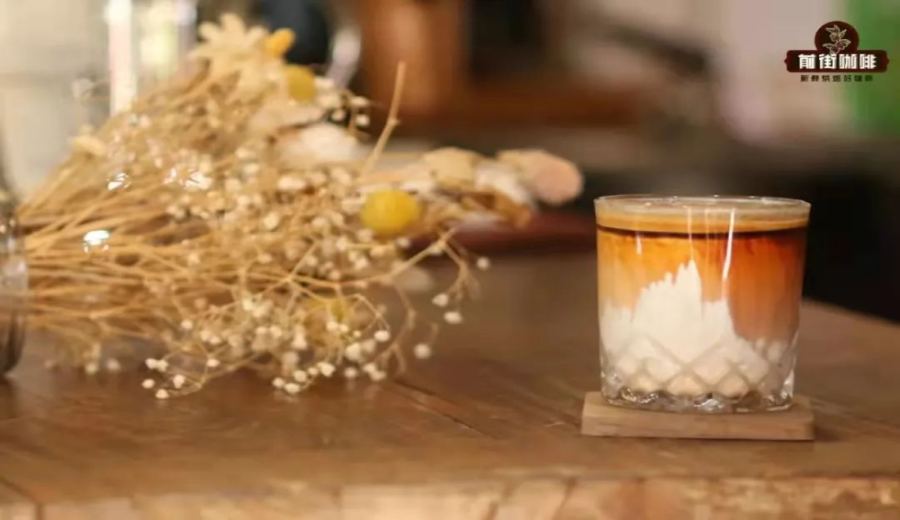
Introduction:Dirty coffee, known for its striking contrast between hot and cold temperatures and its high aesthetic layered appearance, has become a standout specialty coffee drink in recent years. This article will deeply explore the origins of Dirty coffee, the correct preparation ratios, key layering techniques, cup selection advice, recommended ways to enjoy it, as well as a detailed flavor profile, and explain its optimal drinking window. Additionally, it discusses how different roast levels of espresso beans influence the final product, helping you easily create a Dirty coffee with distinct layers and a rich, three-dimensional flavor.
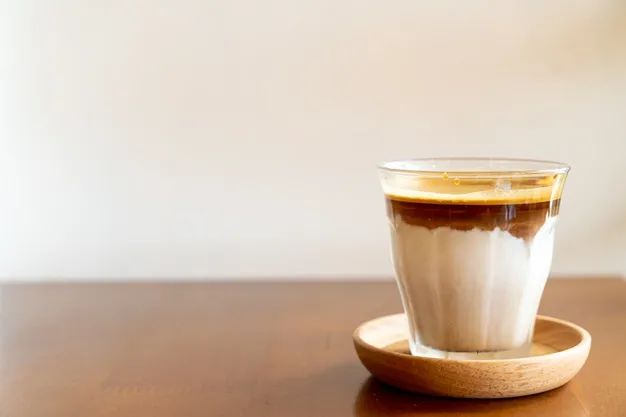
Dirty coffee, also called "dirty dirty coffee," is an innovative coffee beverage that combines espresso with cold milk. Its most distinctive feature is that it is not stirred, allowing the hot upper layer of espresso to maintain a clear separation from the cold lower layer of fresh milk, delivering a sensory experience where you can simultaneously feel the contrast between hot and cold. Visually layered and flavorful, it showcases the richness of the espresso alongside the creaminess of the milk, making it especially popular among consumers who enjoy creative coffee flavors.
This drink originated around 2019 with the rise of the “dirty-themed” food trend. Initially, it was presented with visual "dirty effects" by adding milk foam, whipped cream, or sprinkling cocoa powder. Nowadays, the popular Dirty style shifts focus to highlighting the flavor of the coffee itself—pure dark espresso is poured directly onto cold milk, creating a unique visual where the coffee appears to “stain” the milk, producing a strong contrast.

The key to making a successful Dirty coffee lies in mastering the ratio and technique. It is generally recommended to use a cup with a capacity of 180 to 220 milliliters, pour in about 150 milliliters of pre-chilled fresh milk, and then extract approximately 36 grams of espresso using 20 grams of coffee grounds. Notably, Dirty coffee usually does not include ice cubes to avoid diluting the overall flavor and strength. Therefore, it is advised that the milk must be pre-chilled and the cup pre-cooled to maintain the best taste.
To enhance both the visual layering and taste, it is recommended to choose fresh milk or ice blog (a type of concentrated milk) that is high in protein and milk fat. Also,the espresso machine’s water pressure should not be too high, and the water stream height during extraction should be kept lowto prevent the espresso from directly hitting the bottom layer of milk, which would ruin the layering effect.For glass cups, it is advisable to choose materials with a large difference between heat resistance and cold resistance to avoid breakage due to temperature shock.
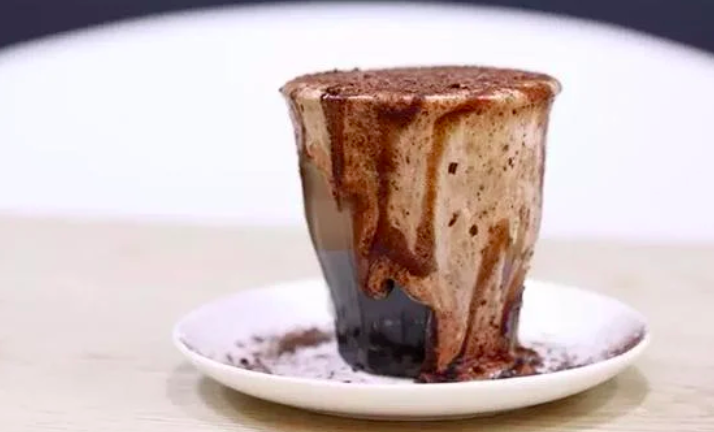
One of the charms of Dirty coffee is that it doesn’t require stirring. It is recommended to take a big sip directly to experience the gradual transition from the roasted aroma of the espresso to the smoothness of the milk. The first sip typically brings out the intense fragrance released by the espresso, such as layers of cream, chocolate, and caramel; as you continue drinking, the freshness and slight sweetness of the cold milk gradually blend in, offering a rich variety of textures and a long-lasting aftertaste.
Choosing the right coffee beans greatly influences the flavor of Dirty coffee. Medium to dark roasted espresso beans can deliver richer crema and more intense aromas. For example, a certain classic blend exhibits a complex flavor profile of butter, roasted hazelnuts, caramel, and dark chocolate after extraction. When paired with milk, the texture becomes as smooth as butter cookies, making it ideal for those seeking a rich and layered experience.
If you prefer a nutty flavor profile, consider a certain premium blend based on Brazilian coffee beans, which delivers delicate notes of almond, apricot kernel, and walnut, along with a comfortable balance of bitterness and sweetness. It has an extremely smooth mouthfeel, making it suitable for consumers who enjoy nutty flavors and a softer taste.
For users looking for cost-effectiveness and ease of daily brewing, a certain black cocoa-based blend is an ideal choice. This blend combines Yunnan small-seed variety with Brazilian Red Bourbon, exuding aromas of cream, chocolate, and cocoa cookies. The acidity shows a refined expression of ripe plum, while the crema presents a beautiful golden-yellow sheen. It is suitable for home or café use when making Dirty coffee.
Since Dirty coffee is not stirred, it is recommended to drink it immediately after preparation to achieve the best flavor. Generally speaking, it is best consumed within 5 to 10 minutes after brewing to fully appreciate the interplay of hot and cold and the progressive layering of flavors. If left for too long, the temperatures of the cold milk and espresso gradually equalize, reducing the layering effect and the contrast in flavors.
In summary, to make an impressive Dirty coffee, besides mastering the right proportions and extraction parameters, attention must also be paid to cup selection, milk quality, and the roast level of the coffee beans. By taking care of these details, you can easily replicate a professional-grade Dirty coffee at home or in a café, enjoying a unique experience that combines the interplay of hot and cold with both visual and taste appeal.
The above content is compiled by CoffeeHunters, a coffee news website.


