







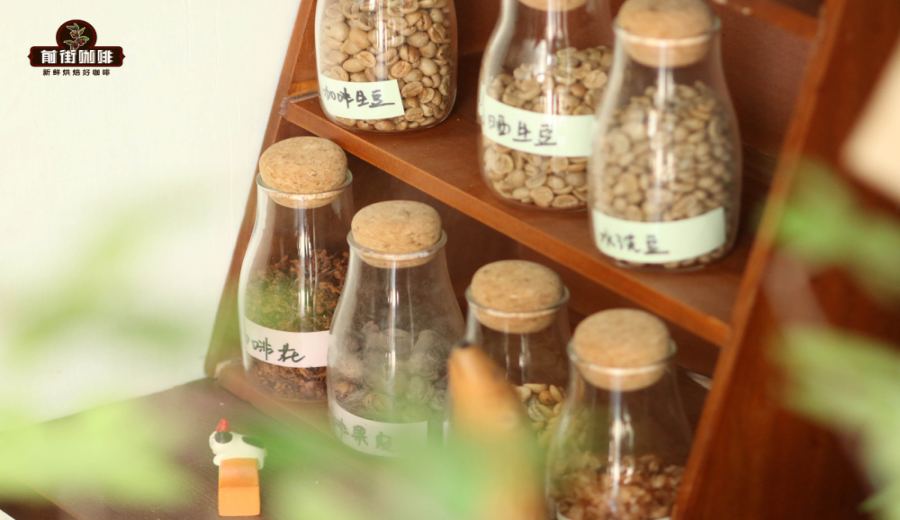
Introduction:Aged Mandheling is an exceptionally distinctive offering among Sumatran coffees, with its unique flavor profile stemming not from deliberate aging but from a specialized storage process. This article delves into the historical origins, flavor profile, pricing background, and pour-over brewing recommendations for Aged Mandheling. It also explores the differences between Sumatra’s two major producing regions—Aceh and Lintong—to help you fully grasp the essence and brewing essentials of this classic coffee.
In the world of specialty coffee, Sumatran Mandheling is renowned for its bold, rich body and prominent herbal aromas, yet it also garners polarized reviews due to its intense character. This Indonesian-origin coffee, though not native to the region, was introduced during the Dutch colonial period. Having survived leaf rust outbreaks and shifting production zones, it has evolved into a classic variety cherished by certain coffee enthusiasts. Among these, Aged Mandheling is a particularly special entity, with its flavors transforming over time and presenting a complexity distinctly different from freshly roasted beans.
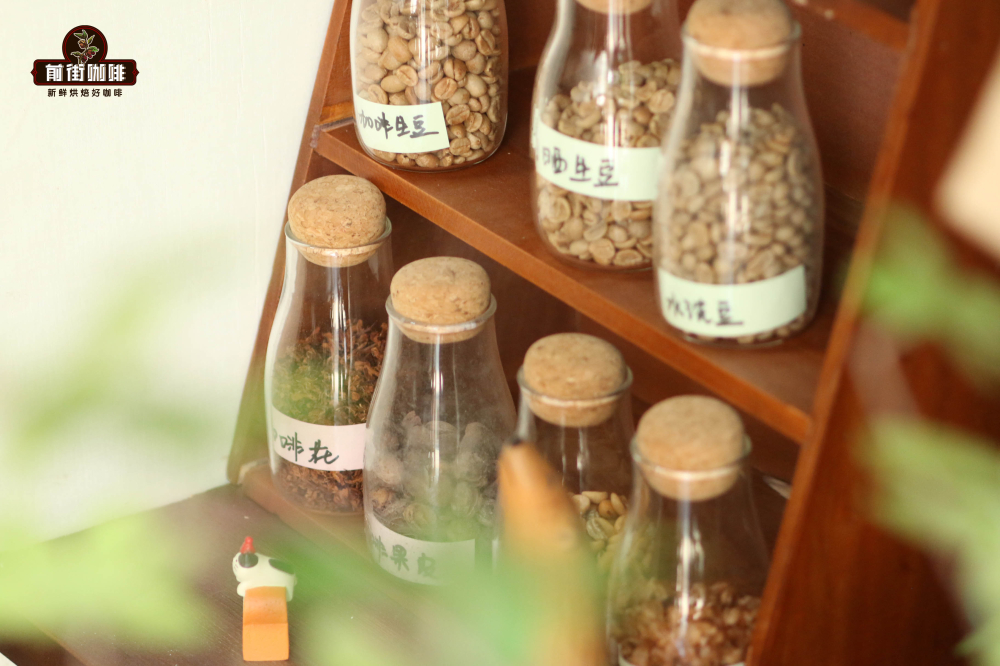
As Indonesia’s primary coffee-producing region, Sumatra’s climate and geography shape the distinct personality of its coffee. The island’s two most renowned producing areas—Aceh and Lintong—each exhibit unique terroir characteristics. Lintong is famed for its wet-hulling process, a method born out of Sumatra’s humid and rainy weather. By removing part of the parchment layer and hulling the beans while still semi-dry, this technique imparts a low acidity, thick body, and earthy, herbal aroma to the coffee.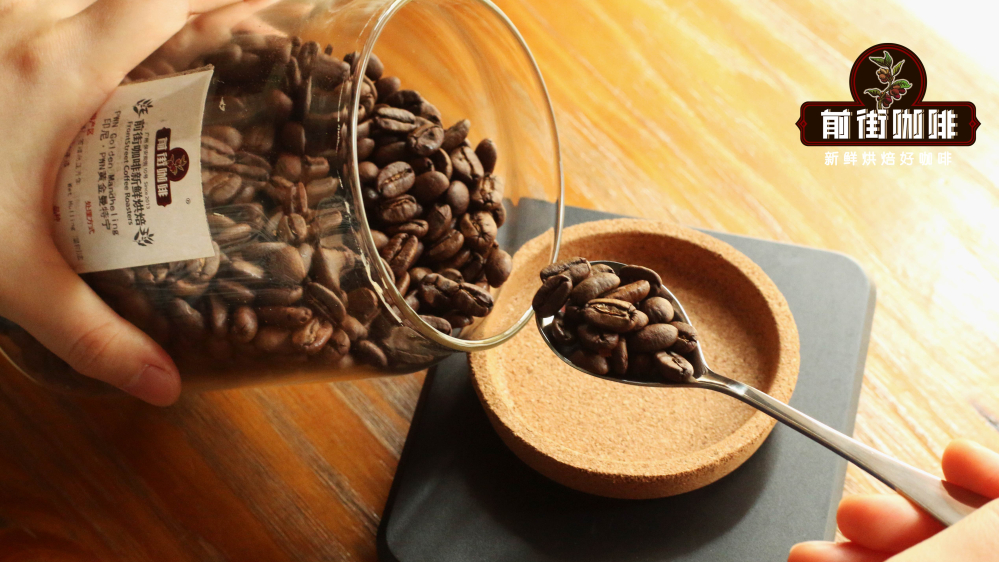
In contrast, the Aceh region, though a later starter, has developed rapidly and has even gradually overtaken Lintong in prominence under the threat of climate change. Cupping comparisons show that Aceh Mandheling typically features a brighter acidity, subtler herbal notes, and an overall crisper profile. However, these differences stem not only from microclimates and altitude but also closely relate to processing methods and selection standards.
Speaking of processing methods, one must mention wet-hulling. This technique originated from Sumatra’s humid environment, where traditional sun-drying or washed methods were difficult to implement. A unique process was thus developed: after removing the fruit skin and pulp, the sticky mucilage is fermented (or not fermented) before hulling the beans at a semi-dry state. This process not only accelerates the aging of the beans but also creates distinctive woody, earthy, and spicy notes, along with the iconic "elephant foot" imprint. Wet-hulling profoundly influences the final mouthfeel of the coffee and is one of the key elements defining the flavor profile of Sumatran Mandheling.
Among the many Mandhelings, PWN Golden Mandheling stands as a benchmark of quality. This series adheres to extremely strict selection criteria, choosing only G1 grade green beans that are intact, 18 mesh size or larger, and contain no more than three defective beans per 300 grams. These beans undergo three rounds of manual sorting to ensure purity and consistency. Such high standards result in brighter acidity, a cleaner mouthfeel, and a richer sweetness, making it the "gold standard of Mandheling" for many coffee lovers. However, counterfeit products are common in the market. Consumers wishing to verify authenticity can request the original green bean sacks and related certification documents from suppliers. Additionally, it’s worth noting that even top-tier Golden Mandheling is often labeled as the Ateng variety—actually a common Catimor hybrid in Sumatra, a cross between Arabica and Robusta—but with proper processing, it can still deliver surprising results.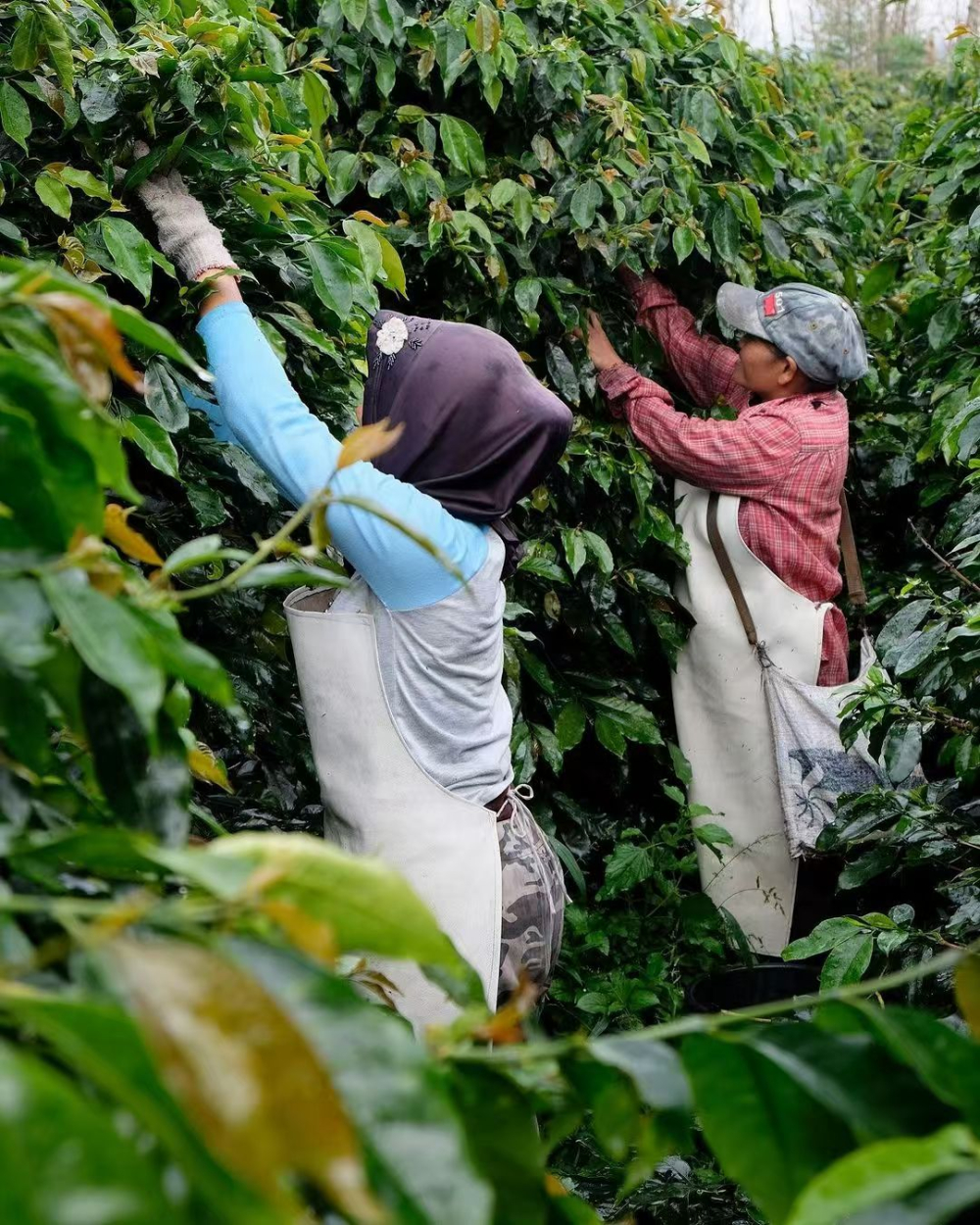
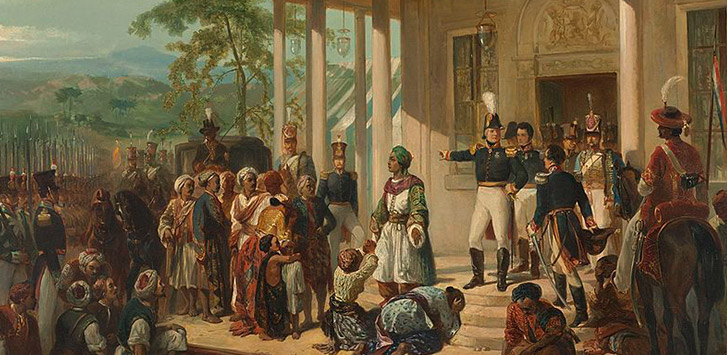
Aged Mandheling, on the other hand, is another topic of interest. Its creation was not the result of a specialty coffee flavor experiment but rather a byproduct of logistical needs during the colonial era. At the time, the Dutch stored coffee beans long-term in Indonesian warehouses to ensure stable supply to European markets. As a result, these beans underwent gradual transformation during maritime transport and storage due to humidity, temperature, and time, developing a rich, low-acid profile with sweet undertones. This unexpected outcome gained market favor, and the aged processing method was thus passed down.
Today, the production process of Aged Mandheling is quite refined. After initial wet-hulling, the green beans are sealed in cool, ventilated warehouses and regularly turned to prevent mold. The aging period typically lasts 2 to 3 years. During this time, acidity gradually decreases and transforms into sweetness, while the bean color darkens to a deep yellow-brown or dark brown—a telltale sign of Aged Mandheling. Its flavor profile often includes the richness of aged Pu-erh tea, caramel sweetness, herbal notes, and chocolatey aftertastes. Overall, it presents low acidity, a smooth texture, and rich layers, making it highly appealing to coffee drinkers who prefer intense flavors.
For brewing recommendations, given that Aged Mandheling excels in richness and sweetness, a medium-dark roast is advised, paired with the following pour-over parameters to fully unlock its flavor potential: Use a KONO filter cone, maintain a water temperature of 88°C, use approximately 15 grams of coffee, with a 1:15 coffee-to-water ratio. The grind size is recommended to be around 70% passing through a Chinese standard No. 20 sieve (roughly medium-coarse to medium-fine). The specific steps are as follows: Start with a 30-second bloom using 30 grams of hot water, then slowly pour in a thin stream in small circles from the center until reaching 125 grams. When the water level is about to expose the coffee bed, continue circling until the total water volume reaches 225 grams, with the total extraction time controlled to around 2 minutes. These parameters help balance body and clarity, allowing the complex flavors of Aged Mandheling to shine through fully.
The above content is compiled by CoffeeHunters, a coffee news website.


