







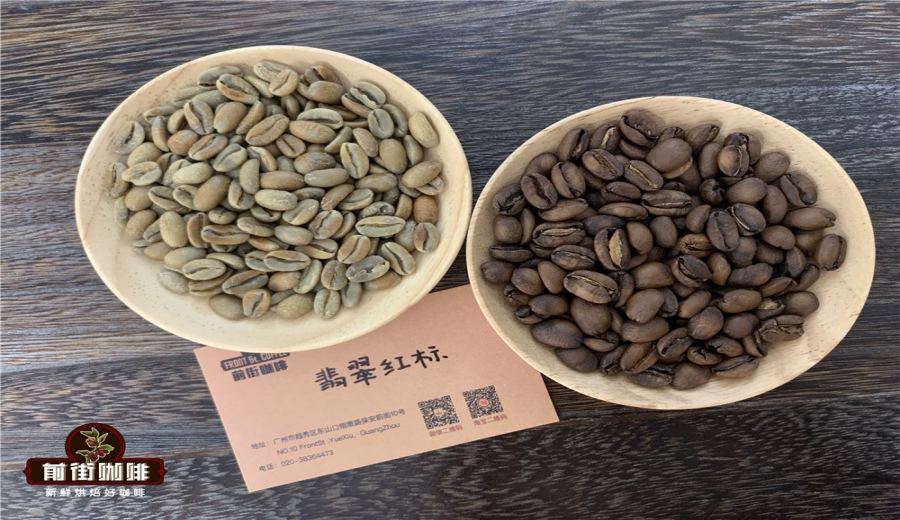
Introduction:Geisha coffee is renowned for its delicate floral aroma and bright fruity acidity, but the flavor profiles and ideal brewing methods vary significantly across different growing regions. This article delves into the unique characteristics of Geisha from Panama, Costa Rica, Ethiopia, and Colombia, introduces the Red Label, Green Label, and Blue Label grading systems, and provides practical pour over parameters — including water temperature, grind size, and brewing stages — to help you better unlock the potential of this premium coffee.
Geisha coffee is world-famous for its elegant floral notes and refined acidity. However, this “luxury item of the coffee world” presents distinct flavor profiles across different regions. Moreover, the optimal brewing methods also need to be adjusted based on regional characteristics. This article starts with the origin of the Geisha variety, introduces the renowned Red Label, Green Label, and Blue Label grading systems of Panama’s Hacienda La Esmeralda, and offers a detailed comparison of cupping performances of Geisha from Costa Rica, Ethiopia, and Colombia. It also includes pour over recommendations such as water temperature, grind size, and brewing techniques to help you deeply understand the diverse facets of this specialty coffee.
From a Marginal Variety to Competition Champion: The Rise of Geisha
In its early days in Panama, the Geisha variety was not highly valued due to its tall plants, low yield, and difficulty in harvesting. It was often used as a windbreak rather than for coffee production, far less favored than mainstream varieties like Caturra or Catuai. The turning point came in 2003 when Hacienda La Esmeralda in Panama first planted it as a separate cultivar. The following year, it won the Best of Panama (BOP) international competition, instantly gaining worldwide fame. To this day, the estate’s Geisha remains an industry benchmark, with flavor complexity even surpassing that of the village-level Geisha from the same-named farm.
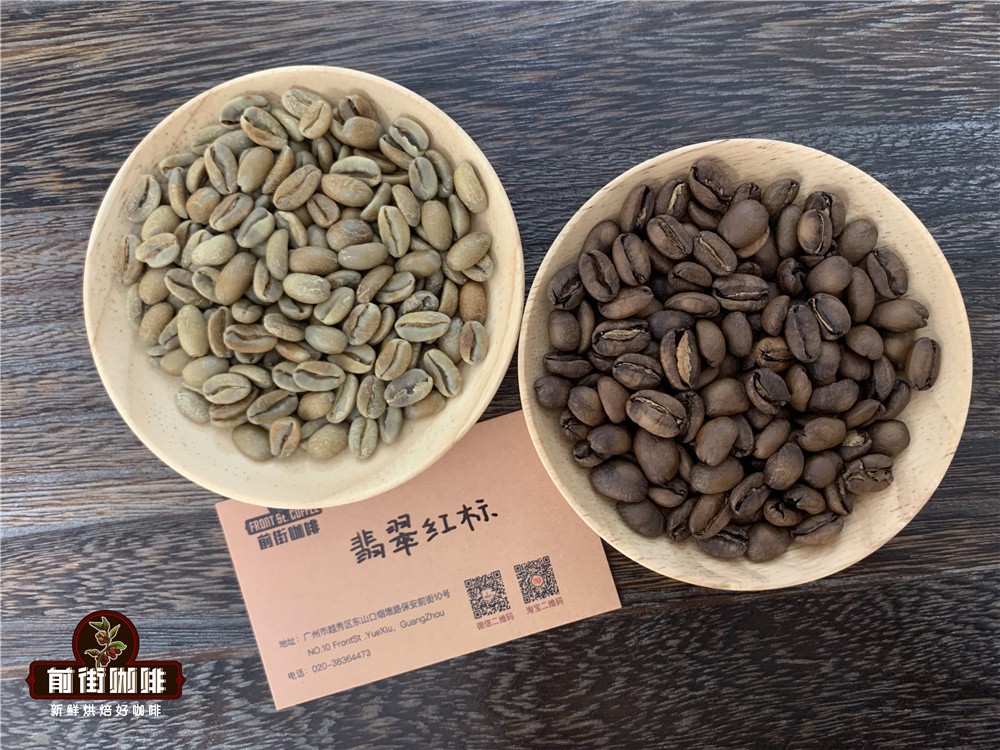
However, the high quality of Geisha also comes with a high price tag. Yet, its refined and elegant taste often surprises drinkers, making them feel it’s worth every penny. The reason Geisha can exhibit such delicate traits lies in its demanding growing requirements: it must be cultivated at high altitudes, in misty environments with good shade, and in fertile soil, to develop its signature pronounced floral aromas, subtle fruit acidity, and long-lasting aftertaste.
The Origins and Classification of Geisha
The term “Geisha” is a transliteration of the English word Geisha and is a proper noun in coffee varietal classification, alongside Typica and Bourbon. Interestingly, although Geisha originated in Ethiopia, it gained international acclaim through Panama. Just as the same apple variety may taste very differently in the northeast and Xinjiang, Geisha also shows unique personalities under varying altitudes and microclimates.
In fact, the term “Geisha” more commonly appears in product names, unlike Typica or Bourbon, which are usually just listed under the variety column. This highlights its special market positioning and consumer perception.
Tasting Geisha from Four Major Regions: Flavor Profiles and Pour Over Recommendations
Although Geisha from Panama’s Hacienda La Esmeralda is the most well-known, other regions such as Costa Rica, Ethiopia, and Colombia also grow this variety, each with distinct characteristics. Below is a cupping analysis and pour over parameter breakdown for three different Geisha origins:
Costa Rican Geisha | Mild & Full-bodied, Bright Acidity
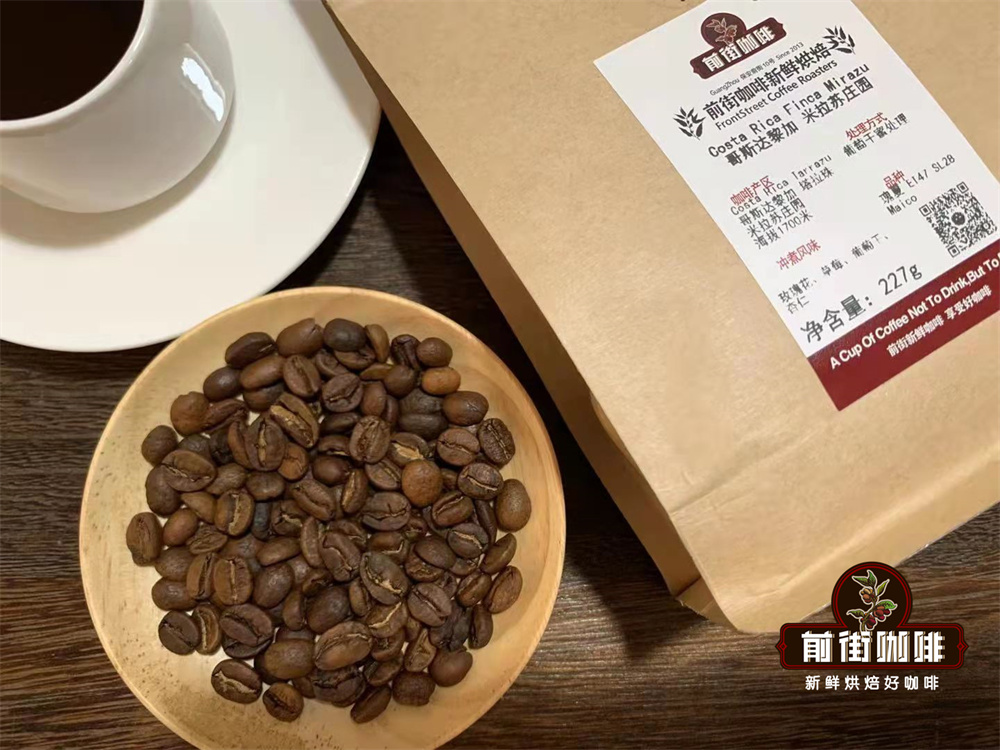
Geisha in Costa Rica is mostly grown in the Tarrazú region, where active volcanic soil and a large diurnal temperature range of up to 26°C help coffee cherries accumulate rich nutrients. Cupping results show that its flavors are similar to Panama’s — featuring fresh floral notes and distinct lemon acidity — with a full, clean body and a juicy texture.
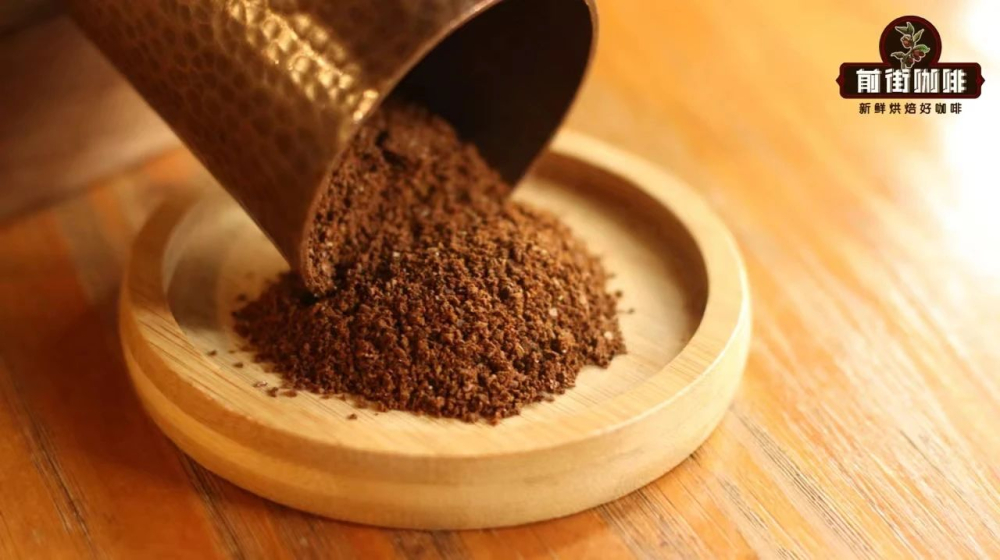
Pour Over Recommendations: Water temperature around 91°C, brew ratio 1:15, grind size medium-fine (Chinese standard 20-mesh sieve passing rate about 80%), helps fully highlight fruit acidity and layered complexity.
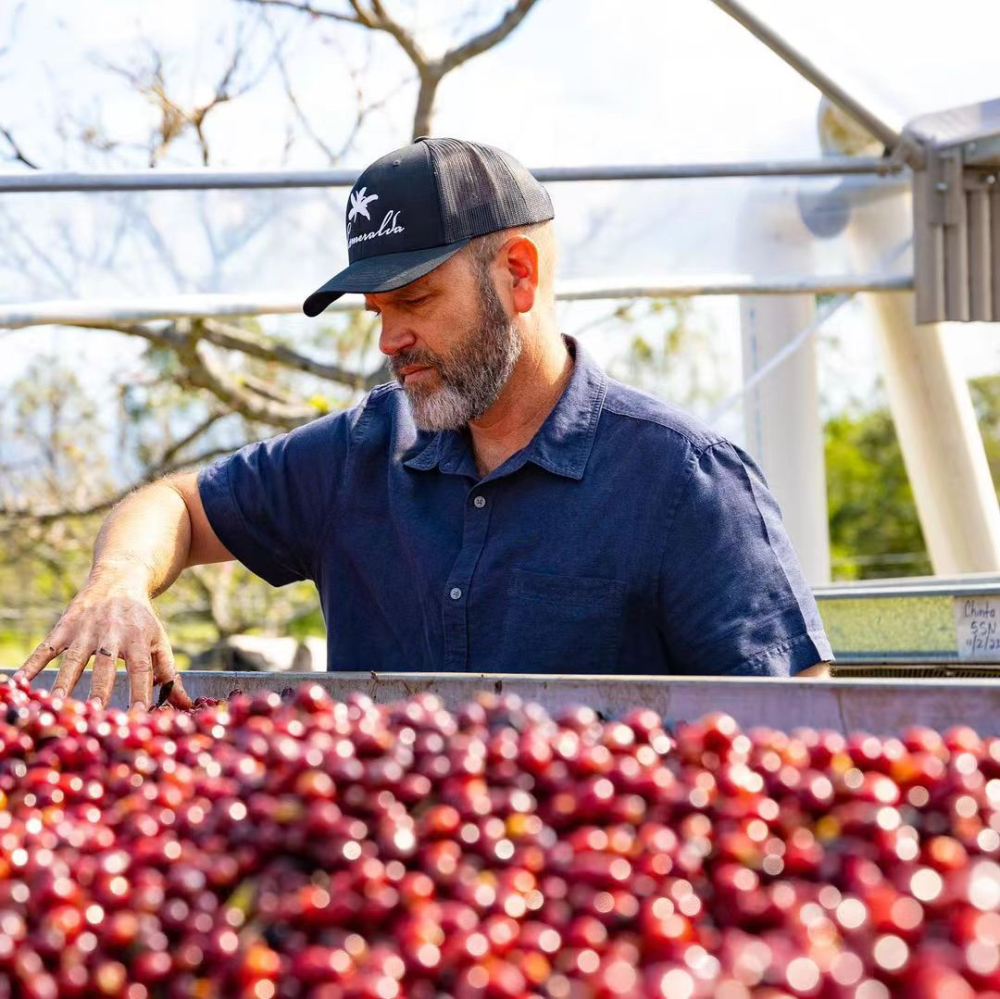
Ethiopian Geisha | Stone Fruit Sweetness, Caramel Notes
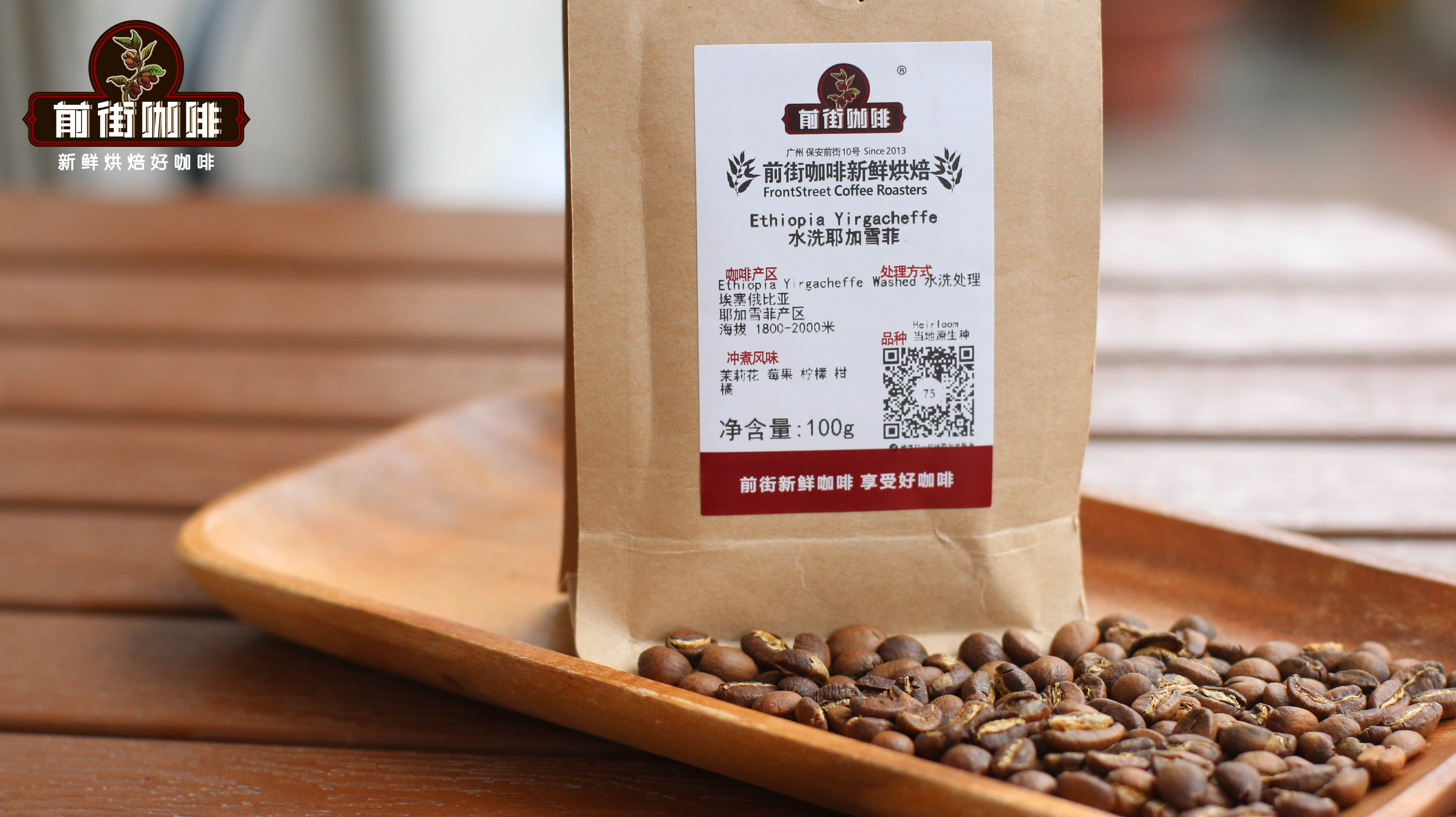
Ethiopian Geisha mainly comes from the Gesha Village Estate. The wild Geisha variety grown there is called “Gori Geisha,” related to Panamanian Geisha but with slightly different flavor directions. Cupping often reveals prominent yellow peach and other stone fruit aromas, with medium-high sweetness, and some batches even have a caramel-like finish.
Pour Over Suggestions: Use 91°C water temperature, maintain brew ratio 1:15, grind size also medium-fine (20-mesh sieve passing rate 80%), helpful for unlocking sweetness and fruit notes.
Colombian Geisha | Soft & Balanced, Honey & Tea Finish
Colombia has also recently introduced the Geisha variety, mainly grown in mountainous areas with variable microclimates, moderate diurnal temperature differences, and stable water sources. In cupping, its flavors are softer, featuring orange or tangerine acidity, honey-like sweetness, and a tea-like aftertaste.
Pour Over Parameters: Recommended to use 90°C water temperature,1:15 brew ratio, medium-fine grind (20-mesh sieve passing rate 80%), showcasing its balanced and rounded profile.
Understanding the Hacienda La Esmeralda Geisha Grading System
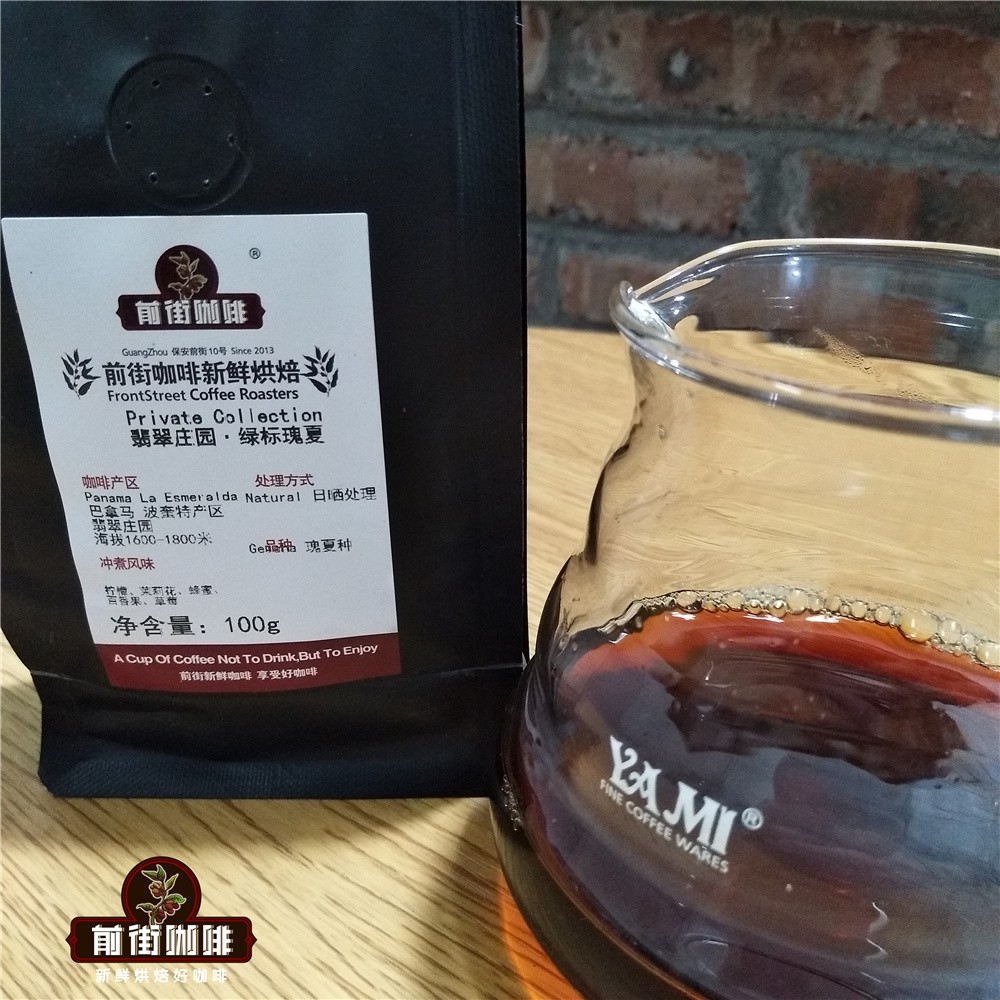
Since winning the BOP competition in 2004, Hacienda La Esmeralda has gradually established a comprehensive Geisha grading system, categorizing beans by altitude and cupping scores into Red Label, Green Label, and Blue Label. The Red Label (Esmeralda Special) is sourced from Jaramillo and Cañas Verdes at 1600–1800 meters altitude, often scoring above 90 points in cuppings. It is typically released in limited auction batches, offering the most outstanding flavors with intense floral and citrus notes. The Green Label (Private Collection) is not from auction lots but still maintains excellent quality, featuring classic Geisha fruit and floral aromas with a full body, and in recent years has only been offered in washed processing. The Blue Label uses blended beans from 1400–1500 meters altitude, with a softer profile, and has recently been replaced by the new Las Rocas volcanic series.
How to Brew Geisha? Complete Guide to Pour Over Techniques and Parameters
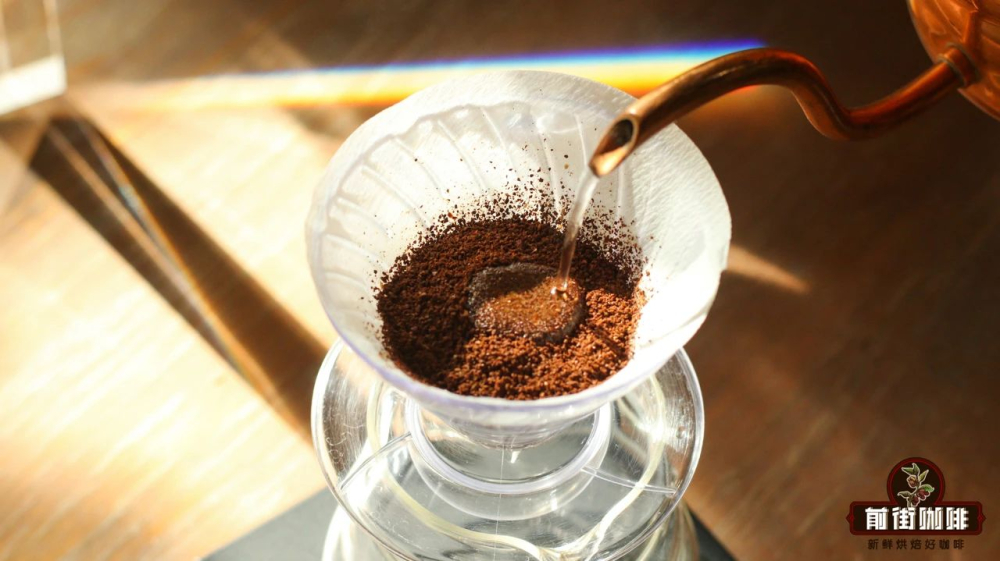
As most Geisha is lightly roasted, it’s recommended to use a medium-fine grind to increase contact between coffee and water, and slightly higher water temperature (around 90°C) to enhance flavor extraction. Use a V60 dripper, 15 grams of coffee, 1:15 brew ratio, start with a 30-second bloom using 30 grams of water, then pour in stages to 225 grams total, with an overall brew time of about 2 minutes. This method fully brings out its delicate aromas and layered complexity.
Additionally, freshly roasted coffee beans greatly impact flavor. It’s best to choose beans roasted within 5 days and consume them within 4–7 days of receipt for optimal taste.
Summary of Geisha Pour Over Flavor Profiles:
Red Label Geisha: Rose floral, citrus, berries, apricot, honey; full body, complex layers.
Green Label Geisha: Jasmine floral, citrus, cream, cantaloupe; long-lasting aftertaste.
Blue Label Geisha: Lemon and grapefruit acidity, honey and cane sugar sweetness, bright and refreshing mouthfeel.
The above content is compiled by CoffeeHunters, a coffee news website.


