







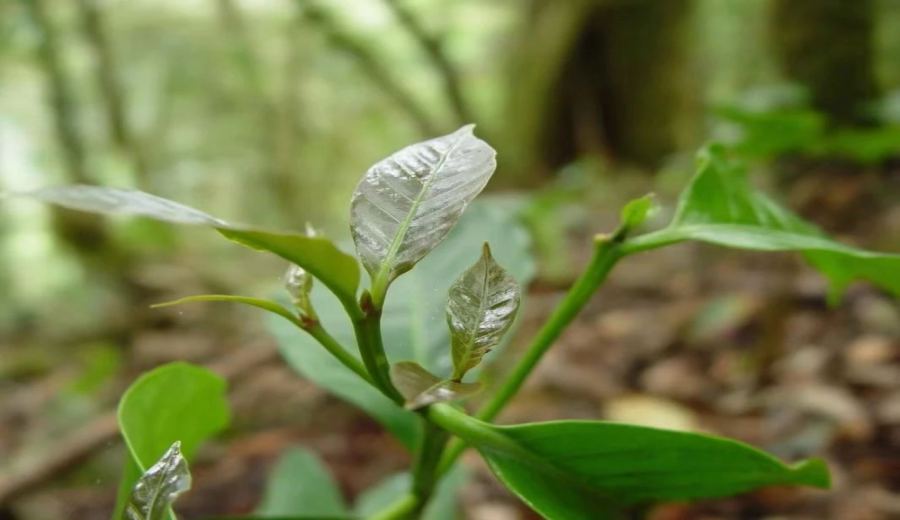
Introduction:Geisha coffee, renowned for its delicate floral notes and bright fruity acidity, has consistently claimed top honors in international competitions. Panama's Hacienda La Esmeralda further classifies it into Red, Green, and Blue labels, with variations in altitude, processing methods, and plots resulting in distinct cup profiles and price ranges. This article traces the origins of Geisha, analyzes Hacienda La Esmeralda’s grading logic, and provides practical pour-over techniques and roasting parameters to help you fully grasp the allure of this legendary coffee variety.
In the world of specialty coffee today, Geisha (also spelled Gesha) is undoubtedly one of the most celebrated varieties, not only achieving remarkable success in competitions but also winning widespread acclaim for its refined floral aromas and vibrant fruit acids. Where does this variety come from? Why does it stand out among so many coffees? Moreover, Panama’s Hacienda La Esmeralda divides Geisha into Red, Green, and Blue labels based on origin, altitude, and cupping scores—each with noticeable differences in aroma, flavor, and price. What’s the rationale behind this grading system? This article will take you from the discovery of Geisha, through an analysis of Hacienda La Esmeralda’s classification, and further share practical pour-over parameters and roasting recommendations, helping you fully understand the essence of this top-tier coffee.
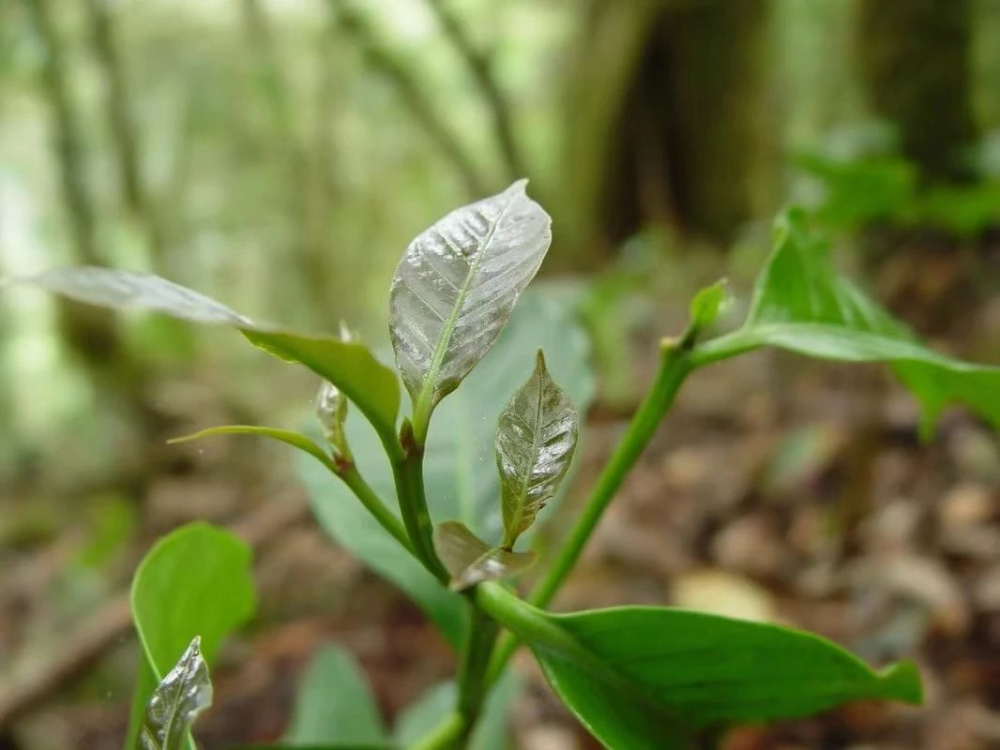
The name “Geisha” originates from the Gesha Forest in Ethiopia, where it was first discovered in 1931. It was later introduced to Kenya, Uganda, Tanzania, and Costa Rica, but only took root in Panama in the 1970s. However, for a long time, Geisha went unnoticed in Panama until 2003, when Hacienda La Esmeralda (then known as the Esmeralda Estate) isolated it from other varieties. In 2004, it won the Best of Panama (BOP) competition, bringing this variety to global attention. Its unique aromatic profile—especially the citrus, floral, and delicate fruity acidity expressed under high-altitude conditions—became the key to winning over judges and consumers alike.
When discussing Panamanian Geisha, the pivotal role of Hacienda La Esmeralda cannot be overlooked. Founded in 1964 by American banker Rudolph Peterson as a dairy farm, it was later taken over by his son Price, who gradually shifted the focus to coffee cultivation and processing. After establishing a washed processing facility in 1994, the estate began making its mark in the specialty coffee scene. Currently, Hacienda La Esmeralda grows Geisha in three main farms: Jaramillo, Cañas Verdes, and El Velo. Among them, Jaramillo is considered the birthplace of Geisha; it was initially even used only as a windbreak before its exceptional potential was recognized.
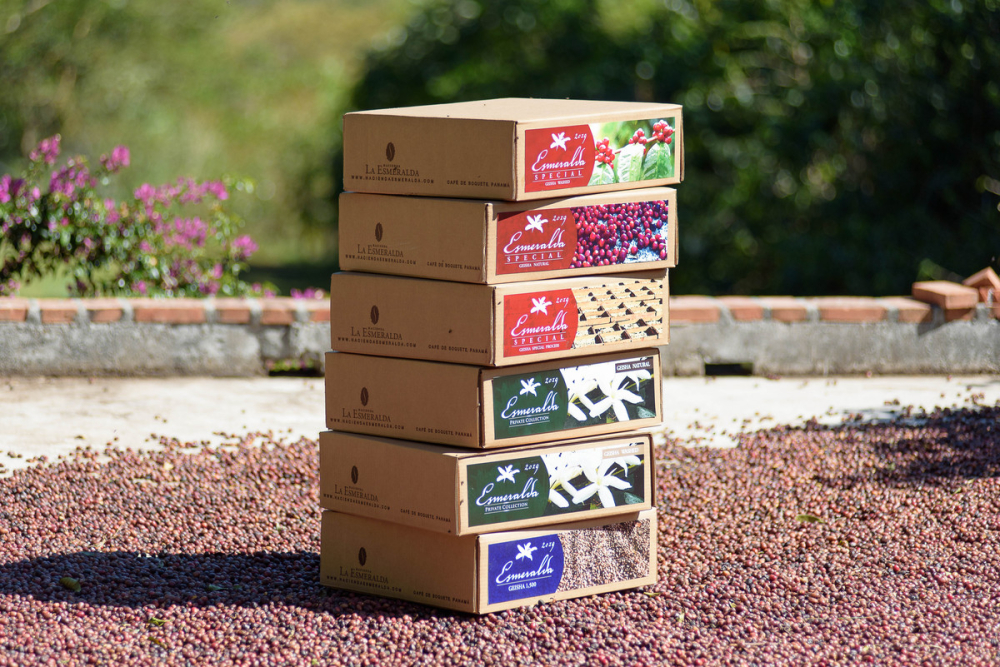
Based on cupping scores, altitude, and growing plots, Hacienda La Esmeralda categorizes Geisha into three mainstream market grades: Red, Green, and Blue labels. The Red Label, also known as Esmeralda Special, uses Geisha beans grown at altitudes of 1600–1800 meters, with cupping scores of 90 or above. These beans come from specific lots within Jaramillo and Cañas Verdes and are limited to auction batches. This grade commonly features natural or washed processing, excelling in bright floral notes, citrus character, and refined fruity acidity, and is widely recognized as the pinnacle of Geisha offerings. Notably, there are also non-auction Red Labels available on the market; though sourced from the same auction lots, they are not part of the bidding process, making them more affordable while maintaining the same quality.
The Green Label, also called Private Collection, though not part of auction lots, also comes from high-quality Geisha beans grown at 1600–1800 meters, sourced from micro-lots in Jaramillo and Cañas Verdes, and presented as a blend. As no specific plots are indicated, the flavor may vary slightly between batches, but overall it retains the classic Geisha characteristics of floral, fruity, and citrus acidity, with a rich and juicy mouthfeel. In recent years, the Green Label has also introduced both washed and natural versions to offer consumers more choices. From practical cupping experience, due to the higher density of high-altitude beans, it is recommended to adjust the grind to a finer setting—for example, around 70% passing rate using a Chinese standard 20-mesh sieve—to ensure even extraction.
The Blue Label, or Geisha1500, uses Geisha beans grown at 1400–1500 meters, sourced from a blend of lots in Jaramillo, Cañas Verdes, and El Velo. Its flavor profile is relatively mild, featuring subtle floral notes, light fruity acidity, and soft sweetness, with a mouthfeel less dense than that of the Red and Green labels. Initially, the Blue Label was only available in washed processing, but in 2020, a natural version was added to diversify its flavor profile. Within Hacienda La Esmeralda’s grading system, although both Red and Green labels fall under the high-altitude category, the former clearly indicates the origin of the lots, whereas the latter is a blend of micro-lots—in turn creating a significant price difference. For those seeking better value, the Green Label is often the more practical choice.
For these three different grades of Geisha, a light roast is recommended to preserve their delicate floral notes and vibrant fruity acidity. During the actual roasting process, fine adjustments were made based on the growth environment and altitude characteristics of each grade. For instance, Red Label Geisha enters the drum at 150°C, follows a stable ramp-up curve, continues development for about 1 minute and 28 seconds after first crack, and is dropped at 189.5°C, enhancing its citrus and floral expression. The Green Label uses a slightly higher charge temperature of 160°C, with first crack beginning at 7’50”, a development time of 1 minute and 20 seconds, and a drop temperature of 192.5°C, highlighting its fruity and juicy character. The Blue Label, due to its lower altitude, uses a higher charge temperature of 180°C, with first crack starting at 8’30”, a 1 minute and 28-second development period, and dropping at 190°C to balance its relatively softer flavor profile.
For brewing, it is recommended to use freshly roasted Geisha beans (ideally within 5 days post-roast), allowing a 4–7 day rest period to fully develop the flavors. The Hario V60 dripper is recommended, paired with 90°C water, 15 grams of coffee grounds, and a 1:15 brew ratio, using a medium-fine grind (80% passing rate through a Chinese standard 20-mesh sieve) to suit the characteristics of light-roast beans. In practice, a three-stage pour can be employed: begin with a 30-second bloom using 30 grams of water, then pour in a circular motion with a slow stream until reaching 125 grams for the first pour. After the water level drops, continue pouring to 225 grams, with the total brew time controlled to around 2 minutes. This method helps fully extract Geisha’s delicate aromas and complex layers.
Overall, the Red Label Geisha boasts aromas of rose, citrus, berries, and honey, with a full-bodied and layered mouthfeel; the Green Label showcases jasmine floral notes, citrus acidity, and a creamy smooth texture, with a long-lasting finish; the Blue Label has a gentler profile, offering mild acidity reminiscent of lemon and grapefruit upon entry, developing into honey sweetness in the mid-palate, and finishing with delicate notes of oolong tea and brown sugar. Understanding these characteristics will help you choose the most suitable Geisha grade based on your personal taste preferences and, through precise brewing parameters, fully unlock its unique charm.
The above content is compiled by CoffeeHunters, a coffee news website.


