







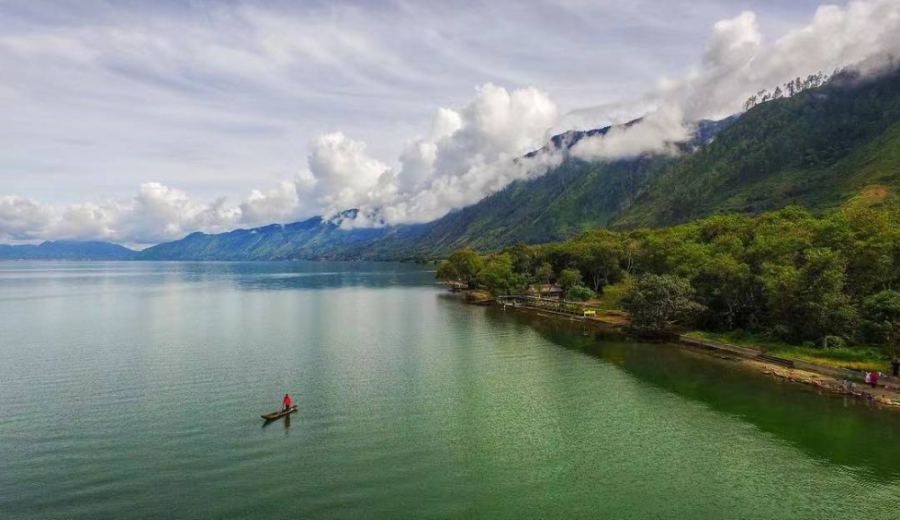
Introduction:Delve into the unique charm of Sumatra Mandheling coffee, from the terroir shaped by its volcanic terrain and misty environment, to the evolution of disease-resistant varieties, and the distinctive flavors brought by the wet-hulling processing method. This article provides an in-depth analysis of the region’s coffee history and processing logic, along with practical pour over recommendations and a flavor profile to help you fully grasp this classic Southeast Asian bean—from origin to cup.
As Indonesia’s largest island, Sumatra boasts not only abundant natural resources but also gives rise to the world-renowned Mandheling coffee, thanks to its unique geographical environment. The island’s towering mountains and active volcanoes contribute fertile volcanic ash soil, while the cool climate and year-round mountain mist create ideal conditions for coffee cultivation. Unlike the bright and crisp profiles typical of African or Central and South American coffees, Sumatran beans are known for their bold, full-bodied character with woody notes and herbal aromas—qualities closely tied to the region’s distinctive “wet-hulling process.”
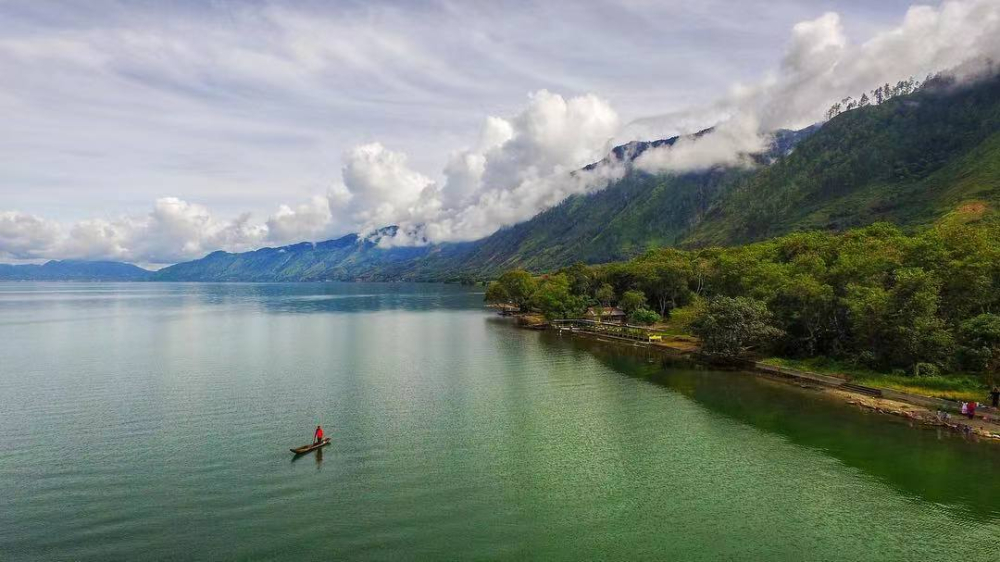
Geographically located on the equator, Sumatra is bordered by the Indian Ocean to the west and the South China Sea to the east. Nearly the entire island experiences a tropical rainforest climate. High-altitude regions enjoy stable temperatures and abundant annual rainfall, especially around Lake Toba and Lake Tawar, where ample water supply, significant day-night temperature variations, and optimal microclimates provide ideal growing conditions for coffee. Beans grown in such environments often exhibit complex layers and a rich, full mouthfeel.
Indonesia’s coffee cultivation history dates back to the late 17th century, when the Dutch East India Company introduced the Typica variety from India. After successful trials on Java, cultivation gradually expanded to other islands including Sumatra. However, the 1869 leaf rust epidemic severely damaged local Typica plantations, killing a large number of trees and causing a sharp decline in production. To revive the coffee industry, Indonesia began introducing the more disease-resistant Robusta variety, which remains the dominant force in Indonesian coffee output to this day. Additionally, hybrid varieties such as Tim Tim, Bor Bor, and the Ateng series, developed through crosses with Arabica, have gradually taken root in Sumatra due to their strong adaptability and high disease resistance.
Currently, Sumatra’s main specialty coffee-growing regions are concentrated around Lake Toba in Aceh Province and Lake Tawar in North Sumatra Province, with Lake Toba being the most renowned. As the world’s largest volcanic lake, Lake Toba sits at an altitude of about 1,400 meters, with temperatures averaging between 20–22°C year-round. The area enjoys frequent mountain mist, moderate sunlight, and natural shade from diverse native vegetation—conditions highly favorable for coffee cultivation. The surrounding region is famous for Lintong Mandheling, mostly cultivated by indigenous communities such as the Mandailing and Batak peoples, who emphasize traditional and eco-conscious farming practices.
Another important producing region, the Gayo Mountains, is located in Aceh Province in northern Sumatra, near Lake Tawar, at elevations between 1,200 and 1,800 meters. Perennial fog, significant day-night temperature differences, and mineral-rich volcanic soils produce coffee with unique spicy and herbal characteristics. Local farmers often employ organic farming methods, and years of accumulated cultivation expertise have earned Lake Tawar Mandheling from this area a strong reputation in the market.
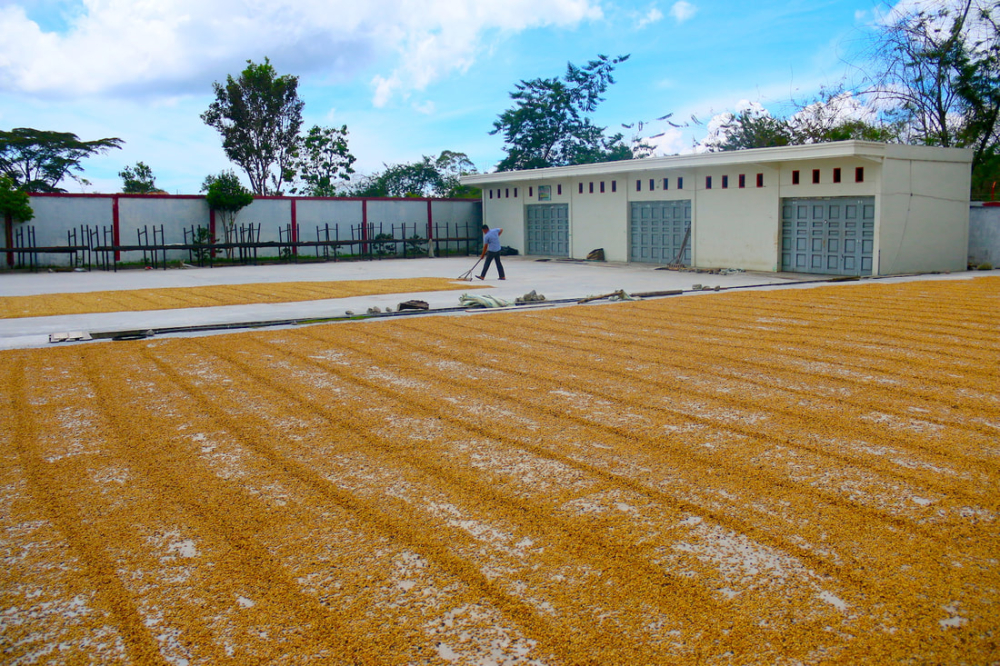
Due to Sumatra’s year-round humidity, heavy rainfall, and high air moisture levels, traditional sun-drying or washed processing methods face significant challenges. To effectively process coffee beans under these limited conditions, locals developed the unique “wet-hulling” method. In this process, after removing the fruit skin and pulp, the parchment-covered beans undergo a short fermentation period of a few hours and are washed to remove some of the mucilage. Then, the beans are dried to only 30% to 40% moisture content before hulling. At this point, the beans are still semi-dry, and the high friction during hulling can damage the green beans, resulting in the so-called “elephant foot marks.” However, this also imparts a bold profile of woody, spicy, and herbal aromas—hallmark flavors of Sumatra Mandheling.
If you’d like to explore the deep layers of Sumatra Mandheling at home through pour over, here are some practical brewing suggestions: It’s recommended to use a medium-dark roasted Mandheling bean, ground to a medium-fine consistency (approximately 75% passing through a #20 sieve), with a brew ratio of 1:15 and water temperature maintained between 88–89°C. Using a KONO filter can enhance a rounder, fuller mouthfeel, though note that its lower ventilation may slow extraction slightly. Therefore, it’s advised to use a bloom volume of twice the coffee weight (e.g., 60g water for 30g coffee) for about 25 seconds. Then proceed with a slow, circular pour, performing the first pour at 125g, followed by a second pour up to 225g, with total brew time aiming for around 2 minutes. Gently swirl the brewed coffee before serving to help evenly release the flavors.
In terms of flavor profile, Sumatra Lintong Mandheling often presents a balanced combination of herbal, chocolate, and caramel notes, with a bold mouthfeel and subtle earthy and spicy undertones. Golden Mandheling, on the other hand, due to its selection of premium beans and more meticulous processing, typically features brighter notes of nuts, spices, licorice, and chocolate. Its overall flavor is cleaner, softer, and more layered, making it an excellent choice for coffee lovers who enjoy bold yet well-balanced cups.
The above content is compiled by CoffeeHunters, a coffee news website.


