







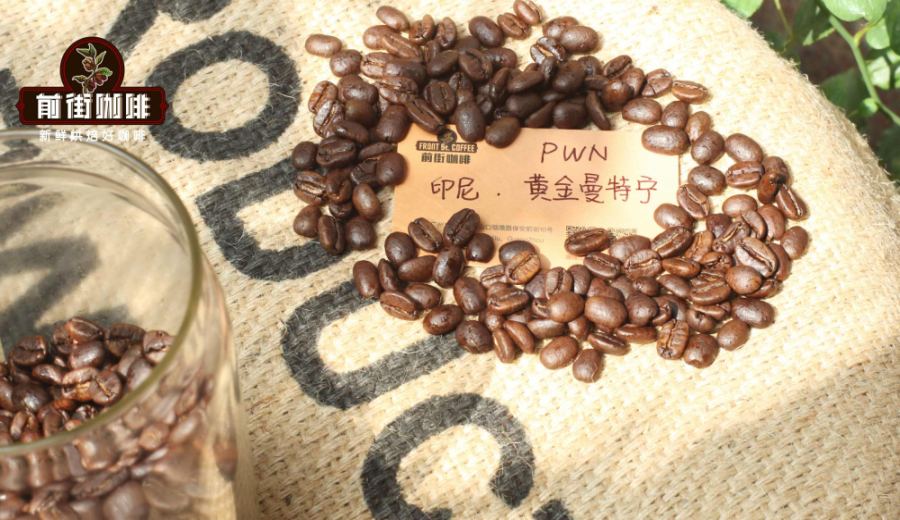
Introduction:Sumatra Mandheling is renowned for its rich, full-bodied flavor and distinctive herbal and woody aromas, and PWN Golden Mandheling stands out as the premium representative among them. This article delves into the terroir of Mandheling’s classic producing regions, the critical influence of the wet-hulling process, and explores the stringent standards such as G1 grade, defect rate control, and multiple hand-sorting. It also discusses why it’s well-suited for pour over and espresso blends, while providing practical references for roasting and extraction.
The Lin Tong region in northern Sumatra, especially south of Lake Toba, is the most classic origin of Mandheling coffee. The coffee produced here is known for its bold body, low acidity, and complex aromas of camphor, pine, chocolate, and caramel. Among these, PWN Golden Mandheling, with its stricter selection criteria, has become the premium choice for many coffee enthusiasts.
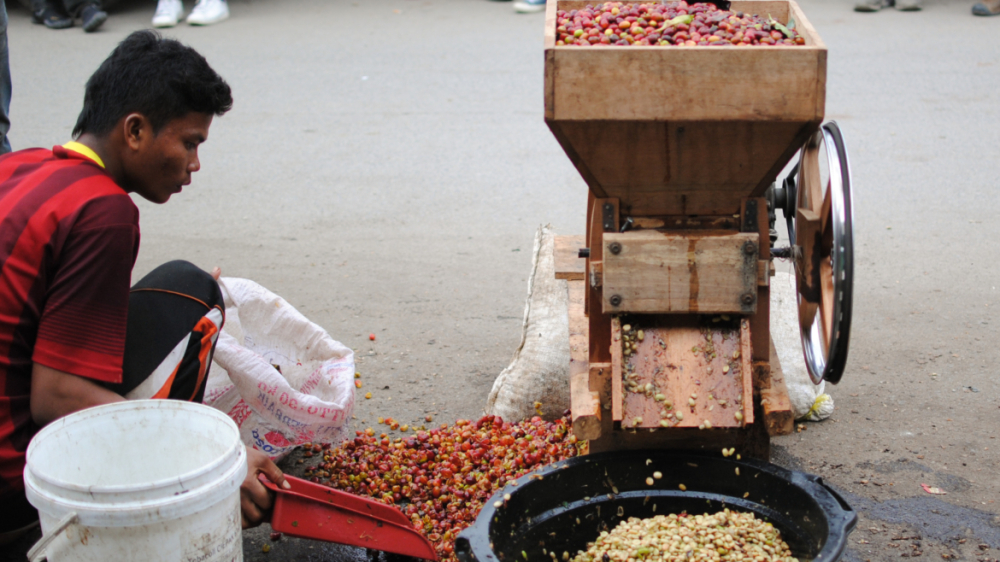
One of the key factors behind Mandheling’s unique flavor is Sumatra’s distinctive wet-hulling process.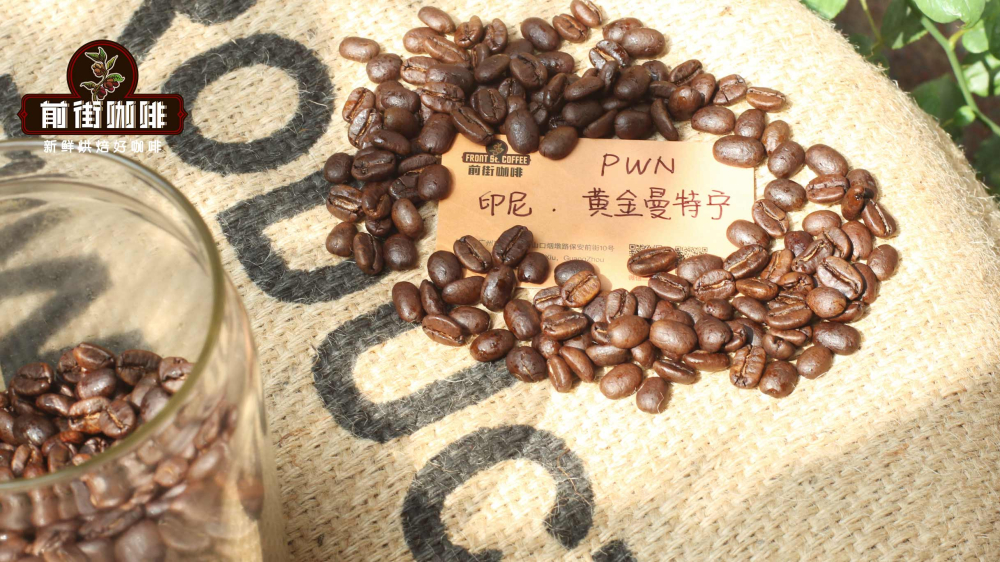 Due to the region’s perpetually hot and rainy climate, using traditional sun-drying methods can easily lead to over-fermentation caused by rain or high humidity, resulting in unstable quality or even entire batches being ruined. Although the washed process can preserve clean acidity, it requires significant amounts of water and equipment, which is a barrier for many small-scale processing facilities. Wet-hulling emerged in this environment—it adapts to the climate while shaping the bold and rich flavor profile that Mandheling is known for.
In the wet-hulling process, the coffee cherries first have their outer skin and pulp removed, leaving the parchment-covered beans rich in mucilage, which then undergo a brief fermentation in water tanks. The length of fermentation directly impacts acidity levels. Some processors skip this step entirely to reduce acidity, instead drying the parchment beans in thin layers, which helps suppress acidity and enhance a syrupy mouthfeel.
When the parchment beans reach a semi-dry state, the “hulling” process takes place—removing the outer parchment layer before the beans are fully dry. This exposes the green beans directly to air, significantly accelerating the drying process. However, because drying begins before the protective parchment is completely removed, and due to the friction and high heat generated between the beans and machinery during subsequent de-pulping, unique aromas such as woody and earthy notes are often formed. These are common characteristics in Mandheling’s flavor profile.
 PWN (Pt. Perkebunan Nusantara) Golden Mandheling takes this a step further by setting high standards. Only beans larger than 18 mesh are selected, falling under the highest grade G1, with no more than 3 defective beans per 300-gram sample. In addition, these carefully selected beans undergo three rounds of manual sorting to ensure each one meets the high standards, thoroughly removing defects, which results in a cleaner, sweeter cup with more pronounced flavors after brewing.
The name “Golden Mandheling” already conveys its rarity and value. Compared to regular Mandheling, PWN Golden Mandheling has lower production volumes, a more complex selection process, and consequently a higher price. However, its flavor complexity and overall mouthfeel are significantly elevated, making it an unmissable choice for coffee lovers seeking a premium coffee experience.
In terms of roasting, to fully showcase Mandheling’s characteristic herbal notes, dark chocolate, and full-bodied texture, most roasters opt for a medium-dark roast. This level not only highlights its low acidity and bold character, but also makes it highly suitable for single-origin pour over brewing. It also pairs well with beans from regions like Brazil to create balanced and complex blends. For example, some classic espresso blends include a small portion of Robusta to enhance crema and the body of the shot, bringing out layered flavors such as butter, caramel biscuit, roasted hazelnut, and dark chocolate.
In summary, understanding Mandheling’s regional background, the specifics of the wet-hulling process, and the strict controls PWN Golden Mandheling applies to grading, defect rates, and hand-sorting can help you make more informed decisions when selecting and brewing. Whether you’re a pour over beginner or an espresso blend enthusiast, Sumatra Mandheling offers a surprising experience at every level.
The above content is compiled by CoffeeHunters, a coffee news website.


