







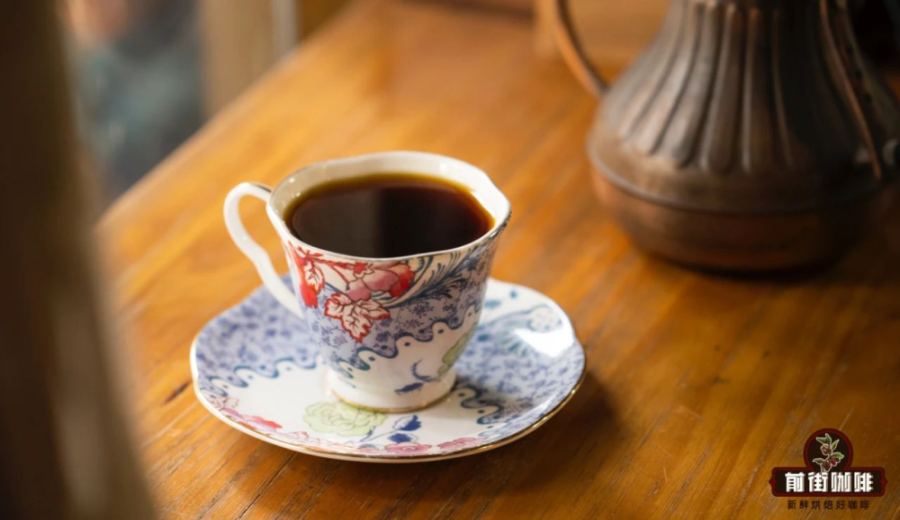
Introduction:Blue Mountain and Geisha are hailed as two classics in the specialty coffee world—one known for its steady, full-bodied profile, the other for its floral and fruity aromas. This article delves into the origin conditions, variety characteristics, grading systems, and roasting recommendations for these two top-tier coffee beans, helping readers understand their unique flavor profiles and providing practical guidance on purchasing and tasting. Whether you're a coffee novice or an advanced enthusiast, you’ll find a suitable choice here.
In the specialty coffee realm, Blue Mountain and Geisha are undoubtedly two shining stars. One represents classic balance, the other symbolizes innovation and rich complexity. Both have led global coffee trends and are often the first choices for coffee lovers venturing into the high-end market. This article will explore the mysteries of these two premium coffees from origin environment, variety genetics, grading systems, to market circulation and actual brewing advice, and take you on a journey to discover where you can buy high-quality Geisha coffee beans.
Jamaican Blue Mountain: The Synonym for Classic Flavor
When it comes to premium coffee, many people think of Blue Mountain first. Even in the era before specialty coffee gained popularity, the name Blue Mountain had already crossed borders, becoming the pinnacle of coffee in the minds of many. This Typica variety from the Blue Mountains of Jamaica is renowned as the "King of Coffee" for its delicate balance and rich, solid flavor. The most captivating aspect of Blue Mountain coffee is the integrity of its aroma: intense notes of chocolate and roasted hazelnuts paired with just the right balance of acidity and sweetness, making it almost flawless.
The Exceptional Growing Conditions of Blue Mountain
The reason Blue Mountain coffee achieves such a high level of flavor is inseparable from Jamaica’s unique geographical and climatic environment. Officially certified Blue Mountain coffee is limited to the Typica variety grown within a specific region at elevations between 910 and 1,700 meters. This altitude helps the coffee mature slowly, accumulating more flavor compounds; however, the high elevation also brings challenges—Typica is naturally less resistant to disease, has low yields, and the rugged mountain terrain makes harvesting difficult. These factors result in extremely limited production of genuine Blue Mountain coffee, no more than 900 tons per year, accounting for less than 15% of Jamaica’s total coffee output.
Blue Mountain Grading System and Market Status
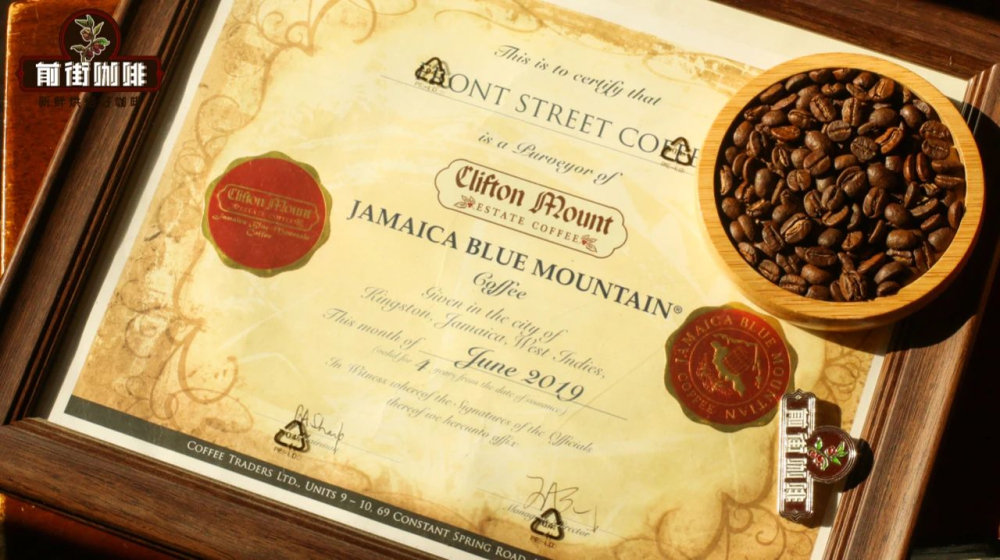
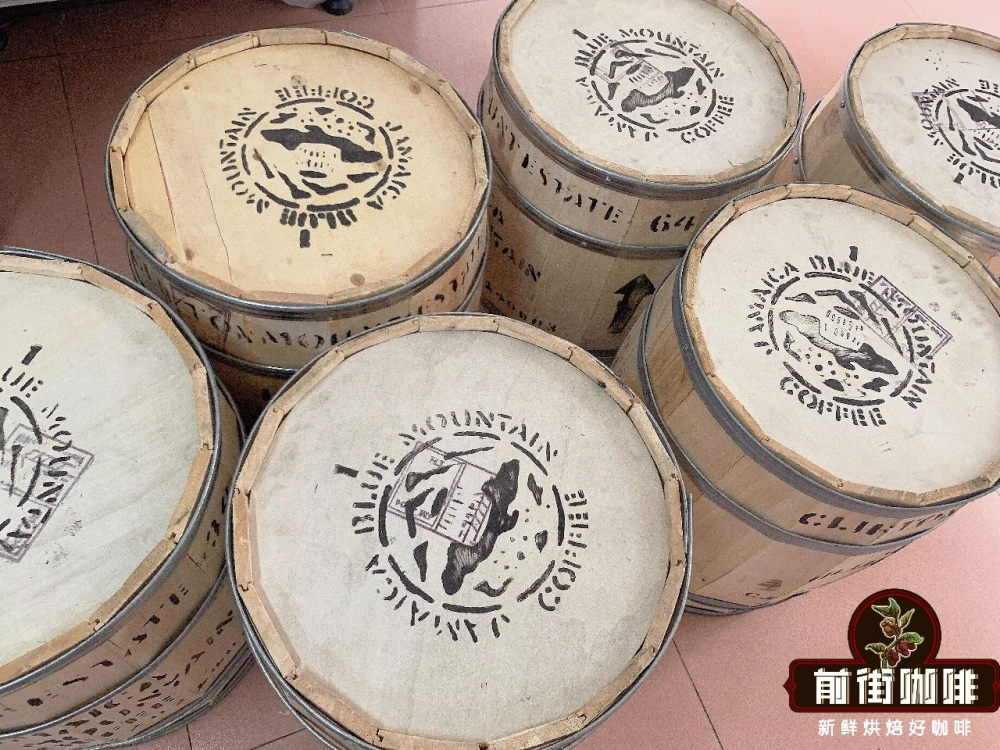
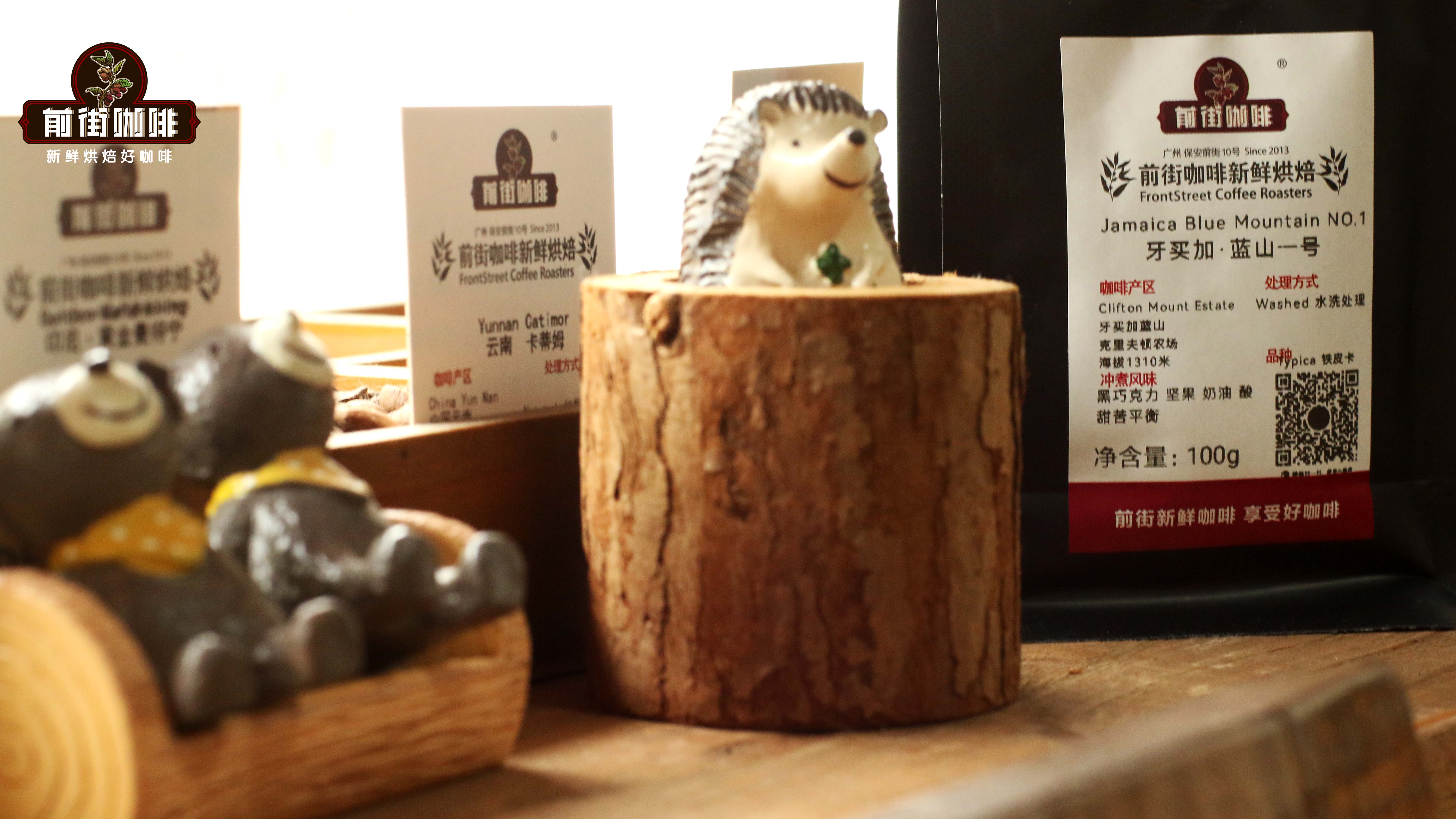
According to the standards of the Jamaica Coffee Industry Board (CIB), Blue Mountain coffee is divided into four grades: Blue Mountain No. 1, Blue Mountain No. 2, Blue Mountain No. 3, and Blue Mountain Peaberry. Among them,Blue Mountain No. 1is the highest grade. Its green beans must meet strict criteria: a screen size of 17 or above, a defect rate below 3%, a moisture content of around 13%, and must pass cupping evaluations confirming aroma, taste, and balanced acidity and sweetness. Before export, the green beans are shipped in traditional wooden barrels, which not only help preserve moisture and freshness but have also become one of the symbols of Blue Mountain coffee.
There’s a common belief that “most Blue Mountain coffee is bought by Japan,” which indeed stems from the historical background of Japanese company UCC securing a large quota of Blue Mountain in the 1980s. However, today, through official channels, consumers can still enjoy high-quality Blue Mountain No. 1 at reasonable prices. For example, at some specialty cafés, a cup of Blue Mountain pour over black coffee is available for around 60 yuan.
This Shop's Blue Mountain Roasting Strategy
To showcase the most classic profile of Blue Mountain coffee, this shop typically employsmedium-dark roastingto enhance its natural chocolate and nutty aromas while preserving moderate acidity and sweetness, resulting in a smoother, rounder, and more layered overall taste.
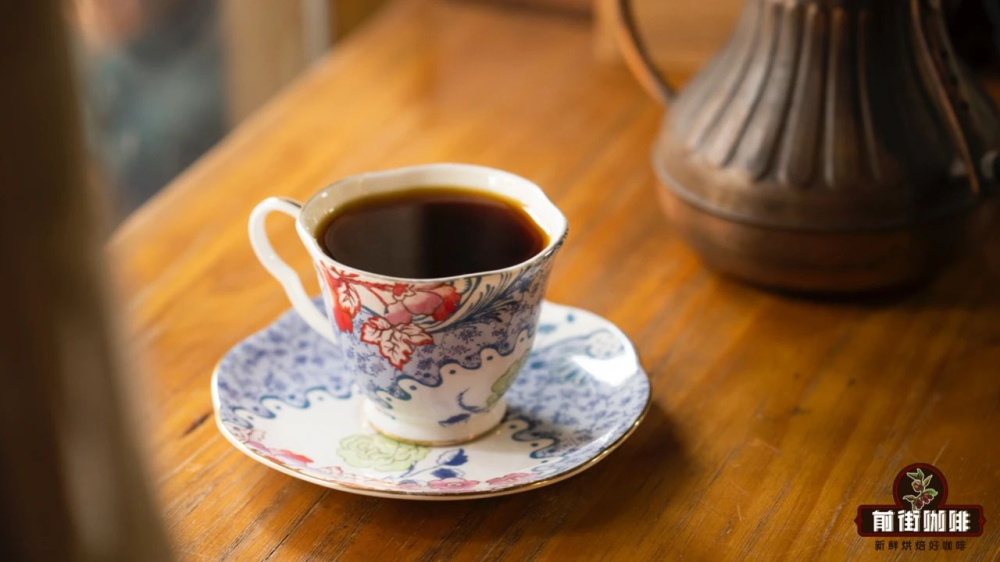
Geisha Coffee: The Pioneer of Flavor Revolution
If Blue Mountain represents the classic tradition of coffee, then Geisha (Geisha) is the symbol of innovation in modern specialty coffee. This variety, originating from Ethiopia, gained fame for its stunning performance at Panama’s Hacienda La Esmeralda. In 2003, the farm owner Daniel unexpectedly discovered that Geisha possessed an extremely unique aroma profile—including jasmine, citrus, peach, blueberry, and more—flavor characteristics that were rare at the time. This led Geisha to win the prestigious BOP (Best of Panama) competition, thereby embarking on its legendary journey.
Low Yield and Growing Challenges
One reason Geisha is so expensive, aside from its exceptional flavor, is its extremely low yield. Panama’s total annual coffee production is about 10,000 tons, yet Hacienda La Esmeralda produces only about 150 bags (approximately 9,000 kg) of green beans per year, of which Geisha accounts for less than 3%—around 270 kg. Additionally, the Geisha variety is highly demanding of its environment, requiring high altitudes, cloud cover, fertile soil, and meticulous management, all of which significantly limit its planting scale and production capacity.
Flavor Characteristics and Processing Methods of Geisha
A high-quality cup of Geisha coffee often exhibits a rich array of floral, citrus, and stone fruit acidity, with a silky-smooth mouthfeel and even a faint oolong tea-like sweetness in the aftertaste—its overall flavor is akin to sipping a refined fruit tea. All of this benefits from Hacienda La Esmeralda’s natural processing methods and the altitude advantage of its growing environment (mostly planted between 1,600–1,800 meters). It is recommended that if you’re trying Geisha for the first time, consider starting with Hacienda La Esmeralda’sRed Label (natural)andGreen Label (washed)series.
How to Choose the Grade of Geisha?
The Red Label Geisha belongs to Hacienda La Esmeralda’s Special Selection (ESMERALDA SPECIAL), mostly sourced from the Jaramillo and Cañas Verdes farms, often scoring over 90 points in cupping and representing the essence of auction lots. The Green Label, on the other hand, is part of the private collection series. Though it doesn’t participate in auctions, it still retains the classic traits of high-altitude Geisha, such as bright lemon, berry, and oolong tea flavors. Both are worthy of collecting and tasting.
This Shop’s Geisha Roasting Recommendation
To highlight the delicate floral and acidic notes of Geisha, this shop typically useslight roastingand fine-tunes the roasting curve based on different processing methods, allowing each Geisha to showcase its most captivating flavor profile.
Conclusion: Blue Mountain or Geisha—Which Is Your Choice?
Blue Mountain and Geisha each represent two extremes of coffee flavor: one is a symbol of steadiness, balance, and tradition, the other a representation of innovation, aroma, and complexity. Whether you prefer a rich, solid black coffee or enjoy the vibrant, fruity experience of pour over, these two coffees offer distinctly different taste experiences. If you want to explore more Geisha options, start with Hacienda La Esmeralda’s Red and Green Labels, and remember to choose light roasting to preserve its most precious original flavors.
The above content is compiled by CoffeeHunters, a coffee news website.


