







Category: Coffee Knowledge

The Three Variations of Black Coffee: A Complete Guide to the Brewing Methods and Flavor Profiles of Americano, Long Black, and Lungo
Black coffee may seem simple, but the three common beverages—Americano, Long Black, and Lungo—actually exhibit distinctly different flavor profiles due to variations in brewing methods and ratios. This article delves into their similarities and differences by exploring their origins, specific preparation processes, crema performance, and optimal drinking experiences. It also offers practical brewing tips to help coffee enthusiasts grasp the essence of each cup. [more…]
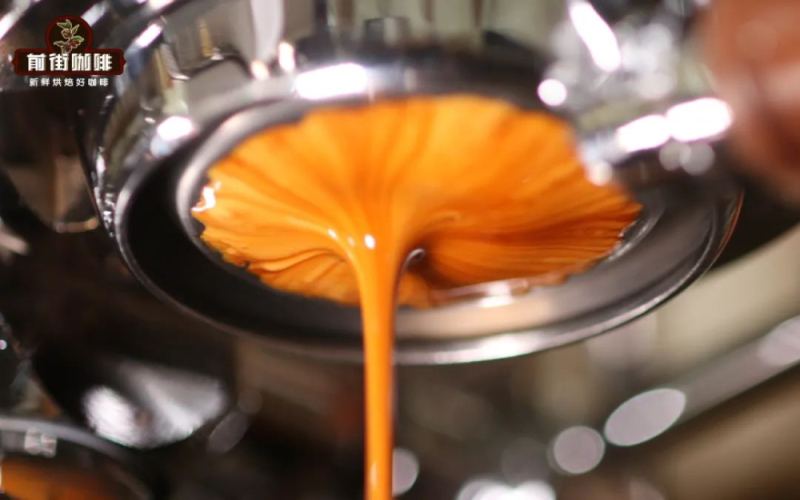
The Scientific Basis of 9bar Extraction Pressure for Espresso: The Golden Balance of Flavor and Crema
Why do professional espresso machines always use a 9bar extraction pressure? This seemingly simple number hides the key mechanism that influences crema formation and flavor release. This article delves into the impact of different pressure levels on espresso, comparing practical tests at 6bar, 9bar, and 11bar to reveal why 9bar has become the industry standard, and also explores advanced techniques for variable pressure extraction. [more…]
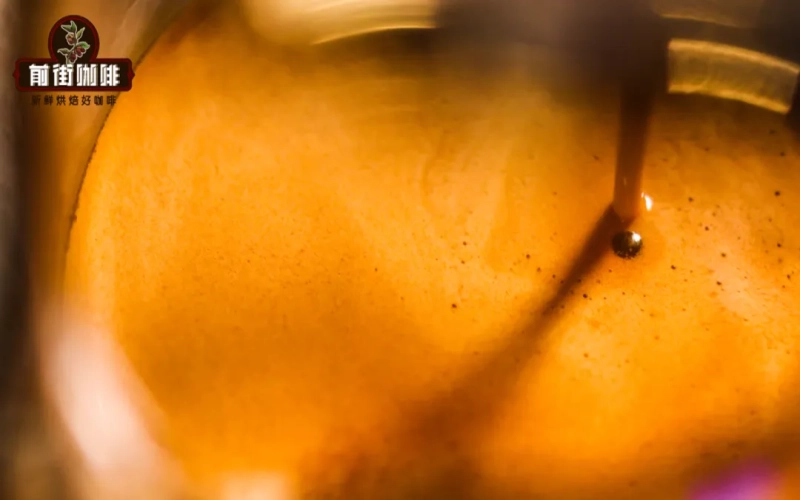
Espresso Basics: How is Crema Formed? Tasting and the Correct Way to Drink Espresso
Espresso, as the soul of Italian-style coffee, is known for its intense flavor but also serves as a key indicator for evaluating both coffee bean quality and brewing techniques. This article delves into the formation of the golden Crema — the essential component of Espresso — and guides you through a professional-level tasting process from brewing parameters, aroma, crema appearance, to flavor layers, along with practical drinking methods. Whether you're a beginner or a seasoned coffee enthusiast, there's something to gain. [more…]
Complete Beginner’s Guide to Espresso: Mastering Everything from Crema Formation to Tasting Techniques
Espresso is hailed as the soul of coffee. Its rich flavor and unique mouthfeel serve as key indicators for evaluating both coffee bean quality and barista skill. This article will delve into the principles behind espresso extraction, the mechanism of Crema—the golden crema—and guide you step-by-step through the three key aspects of appreciation: “smell, observe, and sip,” helping you learn how to evaluate a high-quality shot of espresso. Whether you’re a beginner or an advanced enthusiast, you’ll gain practical and professional insights. [more…]

A Beginner's Guide to Yirgacheffe Pour Over Coffee | Flavor Analysis of 3 Varieties & Home Brewing Techniques
As a classic coffee-growing region in Ethiopia, Yirgacheffe is renowned for its distinctive floral and fruity aromas, as well as its bright acidity. This article delves into the regional characteristics and flavor profiles of three types of Yirgacheffe drip bags from a certain brand: washed Yirgacheffe, sun-dried Red Cherry, and Guodingding. It also provides detailed steps for making your own drip bags at home, covering everything from bean selection and grinding to packaging. Additionally, it shares tips on water temperature control and pulse pouring to address common extraction issues, ensuring you can brew a stable cup even without professional equipment. [more…]
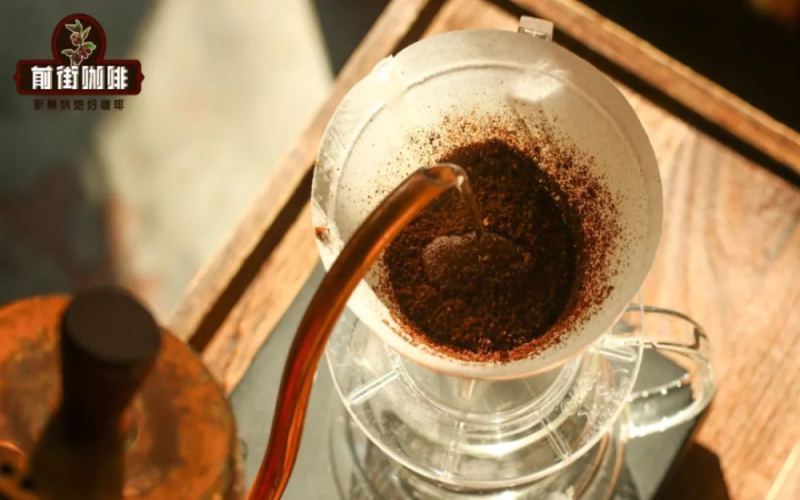
The Science Behind Bloom in Pour Over Coffee: How Degassing and Wetting Affect Extraction
Bloom is a crucial yet often overlooked step in pour over brewing. But do you really understand its purpose? This article dives deep into the two core functions of blooming—degassing and wetting—to help you master how to adjust bloom time based on the freshness of your coffee beans. By optimizing this step, you can not only improve extraction uniformity but also unlock richer aromas and flavors, making every cup of pour over coffee better than ever. [more…]

How to roast Yunnan Catimor coffee beans? A complete guide to washed processing and brewing flavors
As one of China's major coffee-producing regions, Yunnan's Catimor variety has gradually gained attention in recent years. But what unique flavors does this "small-bean coffee" offer? What kinds of roasting and brewing methods suit it best? This article delves into the flavor characteristics of Yunnan Catimor, starting with the origin of the variety, the environment of its main producing areas, and the features of washed processing. It also provides practical roasting profiles and pour over parameters to help you better master the brewing essentials of this Asian coffee bean. [more…]
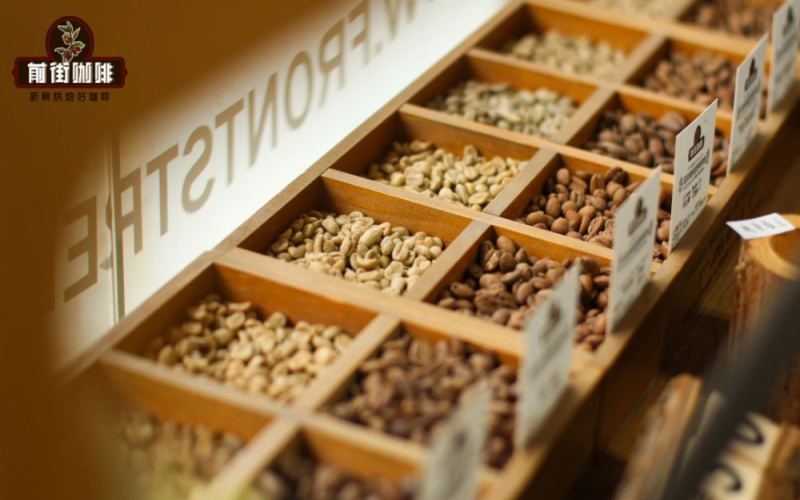
Analysis of the Differences Between Washed and Natural Yirgacheffe Kochere Beans | Flavor Guide for Red Cherry Project G1 Grade Coffee
Coffee beans from Ethiopia’s Yirgacheffe Kochere region exhibit distinctly different flavor profiles depending on their processing method. This article delves into how sun-dried (natural) and washed processing methods influence the aroma, acidity, and body of Kochere coffee. It also introduces the stringent selection criteria and incentive mechanisms of the Red Cherry Project, guiding you through key differences and tasting points of G1 grade specialty coffee — from green bean appearance and roast profiles to brewing performance. [more…]

A Comprehensive Guide to the V60 Dripper: Design Principles, Material Comparison, and the One-Pour Three-Stage Pour Over Technique
The V60 dripper is an essential tool that every pour over coffee enthusiast should know. With its unique structural design, it flexibly adapts to various roast levels and extraction styles. This article delves into the design principles of the V60’s conical shape, large single hole, and spiral ribs, helping you understand how they influence extraction efficiency and flavor complexity. It also provides a detailed comparison of three common materials—resin, ceramic, and glass—covering aspects such as heat retention, price, and practical recommendations, along with sharing hands-on techniques for one-pour and three-stage extraction methods. [more…]

A Comprehensive Guide to Kenyan Coffee: Regions, Processing Methods, Pricing, and Flavor Profiles
An in-depth exploration of Kenyan coffee’s regional characteristics, processing techniques, and market trends—from the classic SL28 and SL34 varieties, to the unique K72 washed process, to Nairobi auctions and direct-purchase models—this guide fully examines this specialty coffee renowned for its bright acidity and juicy mouthfeel. Ideal for coffee enthusiasts who want to understand the traits of Kenyan beans, purchasing advice, and pour over parameters. [more…]
Colombia Potton Estate Maragogype Pour Over Tutorial: V60 Three-Stage Pour Parameters & Flavor Analysis
This guide will take you deep into the unique Maragogype beans from Colombia’s Potton Estate. These giant coffee beans, which make up only a tiny fraction of global production, boast abundant fruity notes and delicate nutty undertones, making them a dream bean for many coffee enthusiasts. We’ll start with an overview of its origin, variety characteristics, and washed processing method, then delve into the ideal V60 three-stage pour over technique and optimal roasting strategy to help you fully highlight its layered, bright acidity and complex flavors. [more…]

Analysis of the Differences Between Washed and Natural Kenyan Coffee | Flavor Characteristics and Pour Over Recommendations
Kenyan coffee is renowned for its distinctive acidity and vibrant fruitiness. Among these, the washed and natural processing methods create vastly different drinking experiences. This article delves into Kenya’s two mainstream processing techniques, analyzing their regional backgrounds, variety characteristics, and differences in processing workflows. Through the flavor profiles of actual coffee lots, we’ll guide you on how to brew in order to bring out the essence of Kenyan coffee. Whether you’re a beginner or an advanced enthusiast, you’ll gain practical insights for bean selection and pour over brewing. [more…]
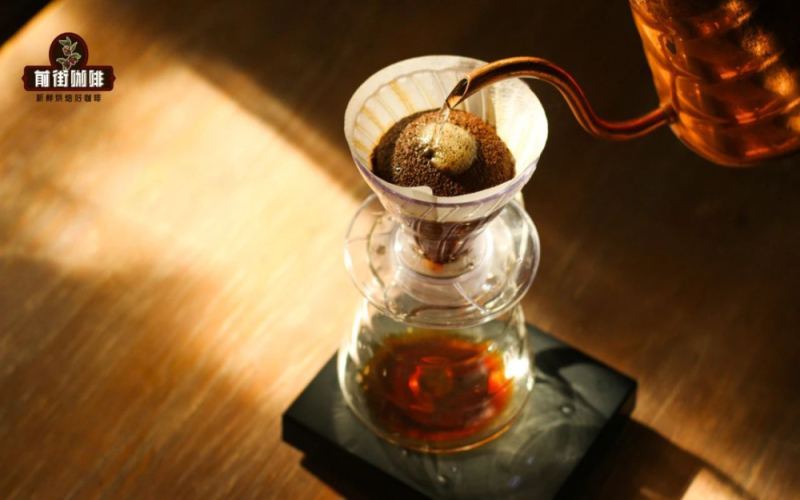
Front Street Coffee's Geisha Village Gold Label Geisha Pour Over Parameters Guide: A Complete Tutorial on Flavor Release and Extraction Techniques
Want to fully understand how to make the best pour over with Geisha Village's Gold Label Geisha? This guide starts by comparing the differences between the Gold Label and Red Label, analyzing their origin background, varietal origins, and grading system. Then it dives deep into the ideal grind size, water temperature, brew ratio, and a practical three-stage pouring method for this bean. Help you unlock the full flavor potential of this high-altitude Ethiopian Geisha. [more…]
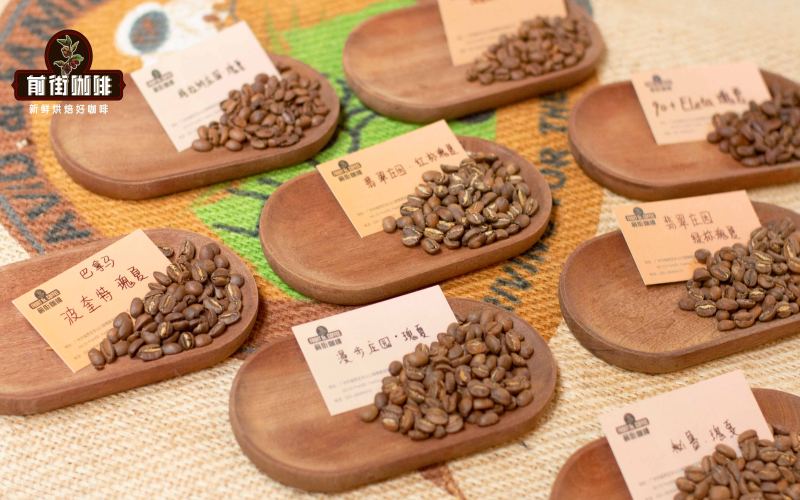
A Complete Guide to the Differences Between Ethiopian Gesha Village and Panamanian Emerald Red Label Beans & Pour Over Settings
Both bearing the name "Red Label," what hidden differences lie between the Ethiopian Gesha Village and Panamanian Emerald Estate Gesha beans? This article delves into the regional backgrounds, grading classifications, green bean appearances, and flavor profiles of both, and provides pour over parameters specifically designed for the Emerald Red Label — from grind size and water temperature to the rhythm of pulse pouring — helping coffee enthusiasts find the optimal balance between tasting and extraction. [more…]
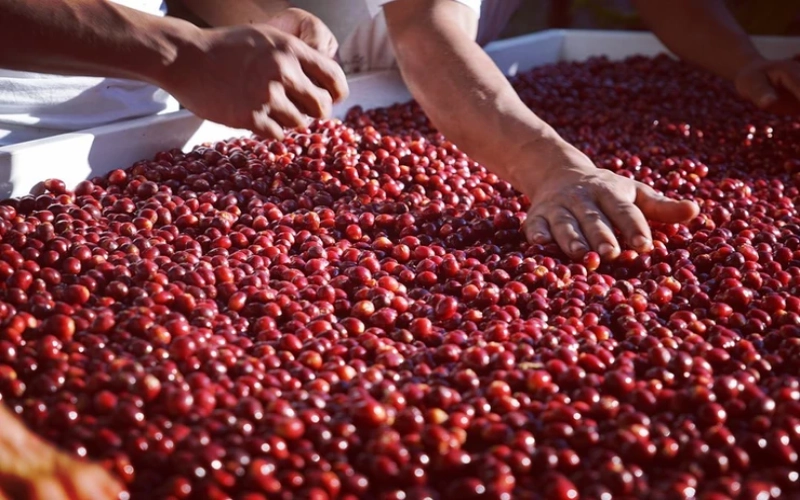
Front Street Coffee's Elida Geisha Green Tip Pour Over Tutorial: ASD Processing Method & High Cost-Performance Flavor Analysis at 60 RMB
Delve into the unique charm of the 2018 BOP double champion Elida Geisha Green Tip, from its anaerobic low-temperature slow sun-drying processing technique to the layered flavors cultivated at an altitude of 1900 meters. A well-known coffee brand shares v60 pour over key parameters based on practical test data, analyzing why a 1:16 coffee-to-water ratio can fully showcase tropical fruit notes such as orange and guava, and guiding you to distinguish the flavor differences between the Green Tip and Bronze Tip Geisha. [more…]

In-Depth Analysis of Yemen Mocha Coffee: Regional Flavors, Natural Processing, and Pour Over Brewing Guide
Dive deep into Yemen, the world’s only country producing exclusively sun-dried coffee. From the historical significance of the Port of Mocha to the unique flavor profiles of renowned regions such as Mattari, Sanani, and Ishmaeli, discover how Yemeni Mocha achieves its complex and intense characteristics through traditional natural processing methods. This article also provides practical pour over parameters for V60, Kalita Wave (cake dripper), and the three-hole Kalita filter, helping coffee enthusiasts fully appreciate the allure of this legendary coffee. [more…]
The Ultimate Pour Over Guide to Panama Elida Green Tip Geisha: Flavor Profile & Optimal Brewing Parameters
Delve into the unique charm of Panama Elida Estate’s Green Tip Geisha, from its rare anaerobic low-temperature slow sun-dried processing method to its stunning floral and fruity aroma profile. This guide offers professional-grade pour over recommendations, including the scientific rationale behind the ideal 1:16 coffee-to-water ratio, v60 filter details, and insights into why this bean—once scoring 94.66 at the Best of Panama—is worthy of special brewing techniques. [more…]
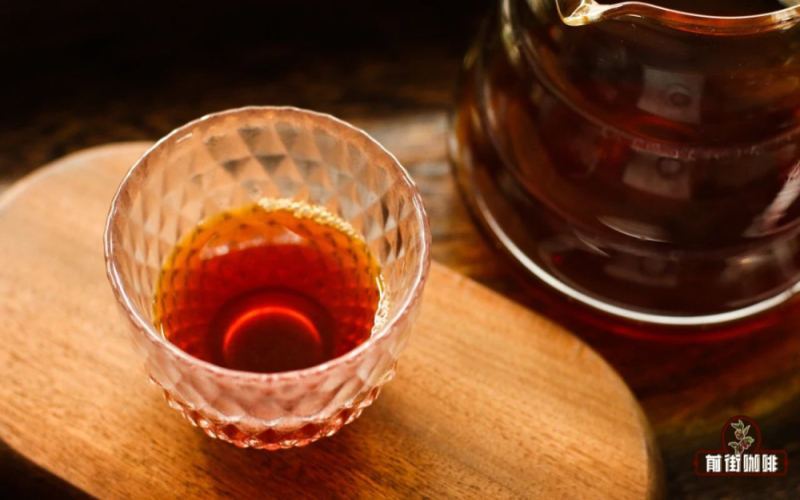
Geisha 1931 Pour Over Beginner's Guide: Full Breakdown of Gold Label Natural Variety Origins and Extraction Parameters
Want to know how Geisha 1931 made its way from the Ethiopian forests into your coffee cup? This article dives deep into the varietal background of this legendary bean, the plot management at Gesha Village Estate, and the essence of the Gold Label Natural processing method. It also offers practical pour over tips — from water temperature and grind size to three-stage pouring techniques — teaching you how to brew this top-tier coffee with flavors of blueberry, honeydew, and magnolia blossom at home. [more…]
A Comprehensive Guide to the Flavor Profile & Pour Over Techniques of the Geisha Village Red Label Natural Gori Geisha
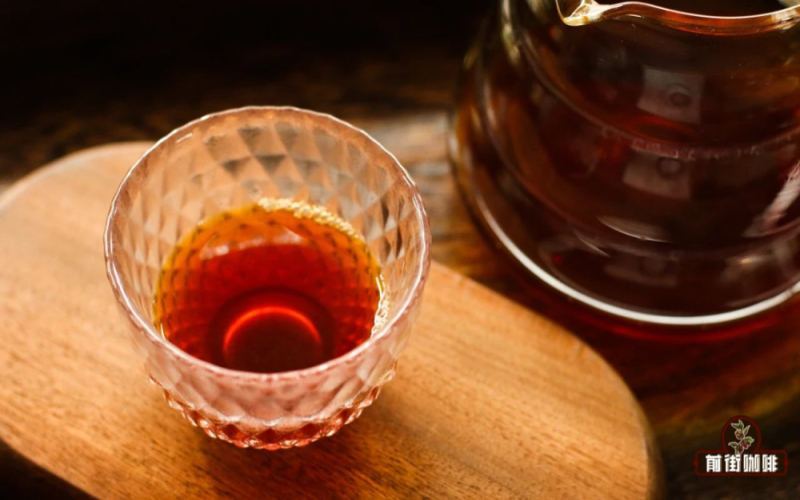
As a leader in the specialty coffee world, Geisha coffee—whether from Ethiopia’s Geisha Village or Panama’s Hacienda Esmeralda—enjoys extremely high praise and a loyal following. This article provides an in-depth analysis of the origin background, internal grading, and flavor characteristics of the Geisha Village Red Label Natural Gori Geisha, and compares it with Panama’s Red Label Geisha to help readers understand the differences between the two. Additionally, it offers practical pour over parameters and a three-stage pouring technique to fully showcase the floral, fruity notes, and honey-like sweetness of the Geisha. [more…]
How to Choose Ethiopian Gesha Red Label? Analyzing the 5 Tiers and Flavor Profiles of Gesha Village
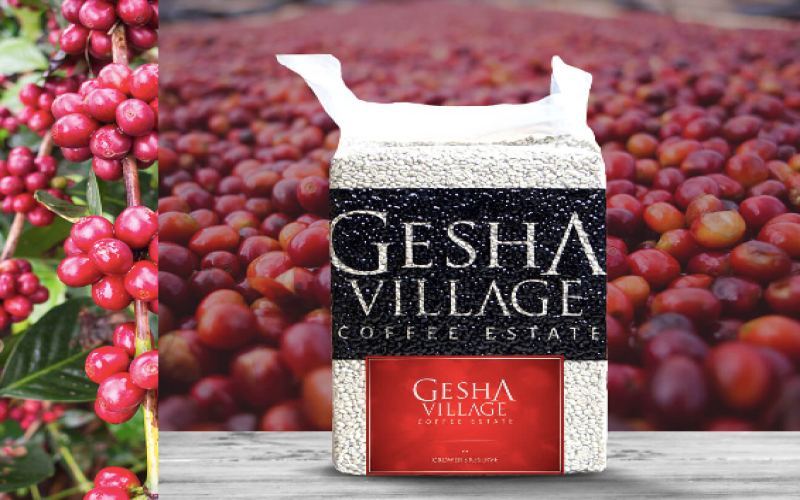
Want to understand what grade the Gesha Village Red Label Gesha belongs to? This article takes an in-depth look at the five internal grading tiers of Gesha Village — Auction, Gold Label, Red Label, Green Label, and the Chaka Blend — analyzing their production percentages, cupping scores, and typical flavor profiles. It also introduces you to the discovery process of the Gori Gesha Forest and the estate’s plot management strategy, helping you choose the most suitable Gesha coffee beans for brewing with greater precision. [more…]