








Introduction:Delve into Yemen, the world’s only exclusively natural-processed coffee-producing country. Explore the historical background of the Port of Mocha and the unique flavor profiles of renowned regions such as Mattari, San'ani, and Ishmaeli. Learn how Yemeni Mocha achieves its complex and intense characteristics through traditional sun-drying methods. This article also provides practical pour over parameters for V60, Kalita Wave (cake dripper), and KALITA three-hole dripper to help coffee enthusiasts fully appreciate the charm of this legendary coffee.
When it comes to the history of coffee, there is one country that simply cannot be overlooked—Yemen. As early as the 6th century, Yemen began cultivating coffee in the most primitive ways and remains the world’s only country that steadfastly adheres to the natural sun-dried processing method. The familiar term “Mocha” actually originated from European fascination with coffee exported from this region during the 17th century. This article will take you into the world of Yemeni coffee, exploring the rise and fall of the ancient Port of Mocha, the flavor characteristics of classic regions like Mattari, San'ani, and Ishmaeli, as well as the unique traditional sun-drying process practiced by farmers on the rooftops of stone houses. We’ve also compiled professional roasting curves and pour over brewing recommendations using V60, cake dripper, and KALITA three-hole dripper to help you gain a more comprehensive understanding of this wild and layered coffee.
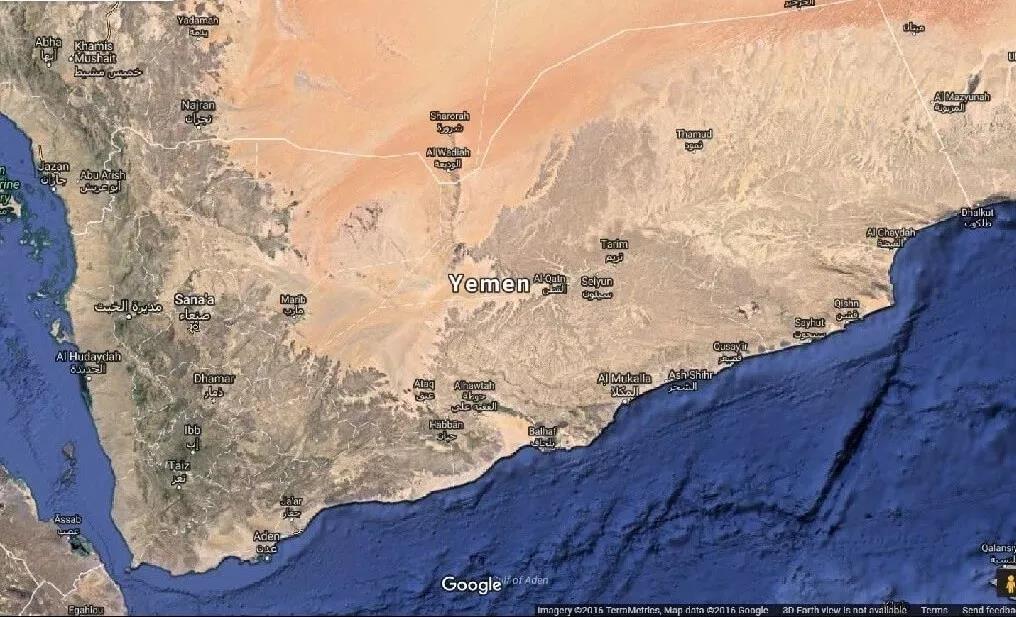
Yemen is located in Western Asia, separated from Africa by only a narrow strait. Long before Islamic missionaries spread coffee culture across the Arabian Peninsula, coffee might have just been a wild plant in Ethiopia. It is said that coffee was introduced to Yemen from Ethiopia in the 6th century, where it was referred to as “Qahwa,” meaning “wine.” After the Ottoman Empire occupied Yemen in 1536, in order to monopolize the coffee trade, it even mandated that green beans must be treated with boiling water before export. Nevertheless, Yemen remains one of the world’s earliest countries to commercialize coffee exports, and Muslim merchants also brought coffee to various parts of Europe. Moreover, many coffee varieties, including Bourbon and Typica, can be traced back to Yemen, giving it a pivotal role in the history of coffee varietal development.
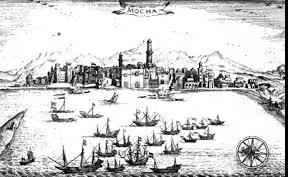
Compared to Ethiopia, which is often regarded as the birthplace of coffee, Yemen began large-scale cultivation of coffee as a major crop much earlier. In the early 17th century, the first batch of Yemeni coffee was exported to Europe via the ancient Port of Mocha. Since the sacks were all labeled with the word “MOCHA,” Europeans began referring to this coffee from the Port of Mocha as “Mocha coffee,” making “Mocha” synonymous with coffee for a time. It’s worth noting that some Ethiopian natural-processed coffees are also often labeled as “Mocha” today, such as the well-known ETHIOPIA Harra Mokka, but it is still Yemen that truly made Mocha famous around the world.
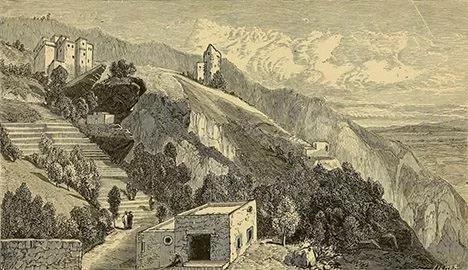
Yemen’s coffee trade model differs significantly from other producing regions. Exporters usually do not deal directly with coffee farmers but instead go through a network of local intermediaries. Many coffee cherries are dried after harvest and stored in underground caves, so what is actually exported is often “old crop” or even “aged crop.” Locally, freshly harvested coffee in the current season is called “New Corp,” the previous year’s crop is “Past Corp,” and anything over a year old is “Old Corp.” This processing and storage method also results in Yemeni coffee maintaining an average moisture content of around 10.5%, which is vastly different from modern processing styles that prioritize high freshness.
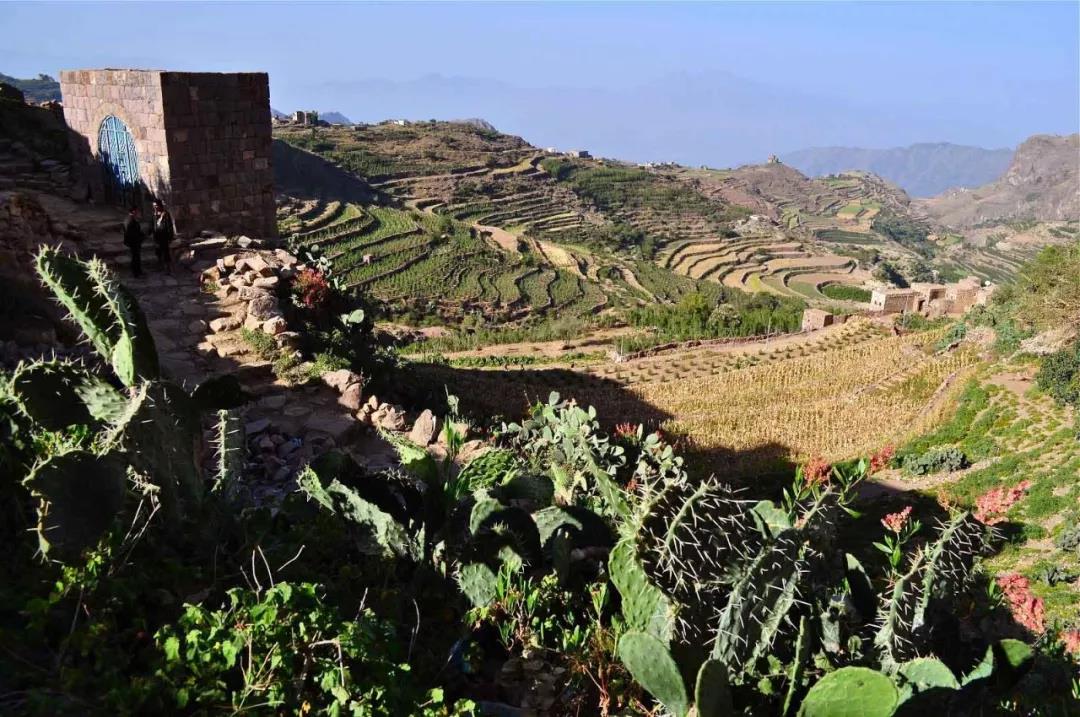
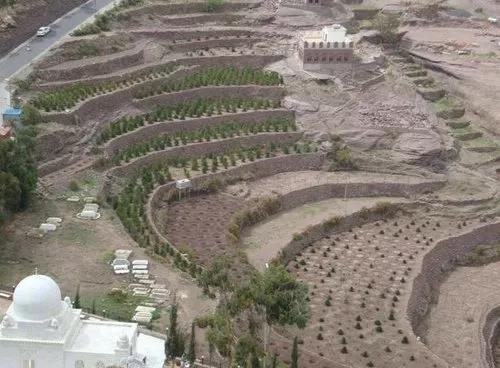
As one of the driest countries in the world, Yemen has long faced challenges such as water shortages and economic difficulties. Yemen, once reliant on farming, now imports 80% of its food, mainly due to rapid population growth and the widespread cultivation of qat (also known as Arabic tea). This plant, which shares a long history with coffee, is an important element in Yemeni social gatherings, but its growth consumes vast amounts of water. Coupled with excessive groundwater extraction, this has led to the possible depletion of groundwater in the capital, Sana’a, as early as 2017. Against this backdrop, the Yemeni government has in recent years actively promoted the revitalization of coffee farming, encouraging farmers to switch to coffee, which requires less water and is gradually gaining market demand, aligning with the international trend of specialty coffee.
When talking about Yemeni coffee, one cannot overlook its most representative traditional natural processing method. In an extremely dry environment with an average annual rainfall of only 400–750 mm, Yemeni farmers cannot adopt the washed method, which requires large amounts of water. Instead, they allow coffee cherries to ripen naturally on the tree until they turn deep purple-black before harvesting. This nearly primitive processing method is vastly different from Ethiopia’s refined raised-bed natural drying—Yemeni coffee cherries are often left to dry directly on the branches before being picked up from the ground for processing. The harvested coffee fruits are usually placed on the roofs of stone houses and continuously turned with handmade wooden rakes to ensure even sun exposure for about 20 days. Once the pulp is completely dried, a rudimentary stone mill is used to remove the outer pulp and bean husk. Though this method may seem rough, it imparts Yemeni coffee with intense fermented aromas, full body, and wild flavors. Its acidity is relatively muted, but it also brings unpredictable variables, making it a truly unique presence in the coffee world.

Due to its traditional processing methods and unique environment, truly high-quality Yemeni coffee is not common, but when it succeeds, it often exhibits complex layers of Middle Eastern spices, ripe fruits, wine-like notes, and cocoa, with a rich mouthfeel and long-lasting aftertaste. However, judged by modern specialty coffee cupping standards, Yemeni coffee often struggles to achieve high scores, yet its distinctive flavors continue to attract many coffee enthusiasts, much like durian or stinky tofu—love it or hate it.
The naming system for Yemeni coffee is relatively chaotic, with no unified official grading or standards. For commercial exports, common naming conventions can be divided into two main categories: “region names” and “varietal names.” Famous examples like Mokha Mattari and Mokha San'ani are named after their regions—the former comes from Bani Mattar province west of the capital Sana’a, while the latter is a blend from tens of thousands of small farms around the capital. Mokha Ishmaeli, on the other hand, is named after its varietal, originating from the Hirazi region at higher altitudes, typically featuring rounder beans and more complex flavor profiles. It is one of the most expensive and rarest types of Yemeni Mocha.
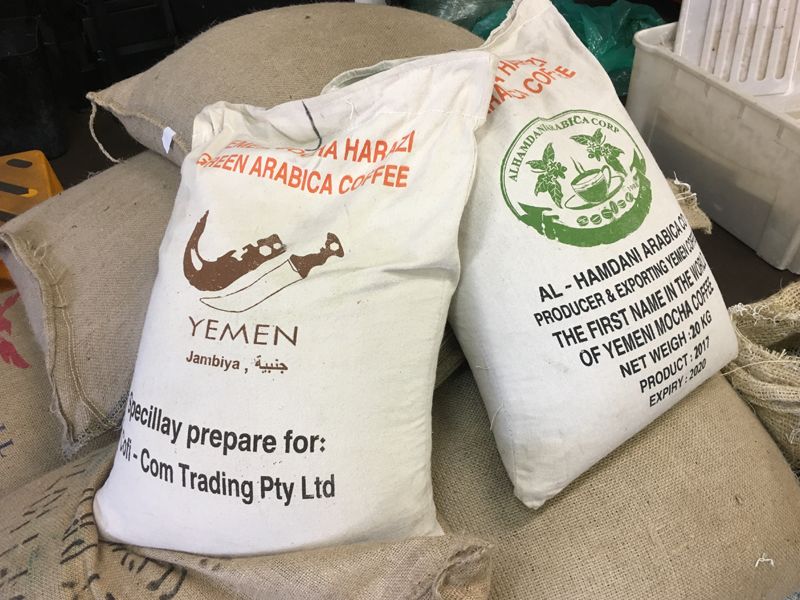
Yemen’s main Mocha-producing regions each have their own characteristics. Mokha Mattari is known for its high altitude and strong wine-like aroma, often with notes of dried fruit and chocolate, especially showcasing intense bitter-sweet chocolate flavors when dark roasted. Its beans are small but highly aromatic, making it a classic representation of Yemeni flavor in many coffee competitions. Mokha San'ani, produced in multiple small farming areas around the capital, has a more varied flavor profile, usually with pronounced fruitiness but lower acidity. In recent years, quality differences have widened, so extra care is needed when selecting. Mokha Ishmaeli is renowned for its high altitude and small, round beans, offering complex and profound flavors, making it a top-tier item among Yemeni Mochas. Additionally, Mokha Rimi features intense fermented aromas and surprising raisin-like sweetness, while Mokha Yafeh represents a rare southern Yemeni flavor, mainly exported to the UAE. The so-called Arabian Mocha is an elite product from Yemen’s mountainous regions, known for its high viscosity and unique wine-like acidity.
Interestingly, the term “Mocha coffee” we use today not only refers to original Yemeni Mocha beans but is also commonly used to describe flavored coffee drinks with chocolate syrup. This is related to the chocolatey bitter-sweet tones that Yemeni coffee often exhibits after dark roasting. Therefore, when you hear “Mocha coffee,” it could refer to original Yemeni beans, Ethiopian beans with similar flavor profiles, or simply a beverage with added chocolate syrup. For consumers who are serious about coffee tasting, only truly Yemeni Mocha can live up to the weight of this name.

Yemeni Mocha comes in a wide variety of grades and classifications, with almost no two batches having exactly the same flavor. In the industry, medium roasting is commonly used for Yemeni Mocha to fully showcase its layers of fruit, spice, and chocolate flavors while avoiding the rubbery notes that can come from over-roasting. It is recommended to control the charge temperature at 170°C, adjust the initial flame carefully, and drop the coffee at 197.9°C to achieve the best flavor balance.
For pour over, V60, cake dripper, and KALITA three-hole dripper are all suitable for Yemeni Mocha. When using V60, it is recommended to use a water temperature of 90°C, a grind size of approximately 64% passing through a #20 sieve (BG 5R), a brew ratio of 1:15, with a total brew time of about 2 minutes and 1 second. Begin with a 30-second bloom using 27 grams of water, then proceed with multiple pours to reach 225 grams. For the cake dripper and KALITA three-hole dripper, the recommended total brew times are 2 minutes and 9 seconds and 2 minutes and 10 seconds, respectively, with the same brew ratio and water temperature, but slight adjustments in pouring technique and total water volume are made to highlight different flavor dimensions such as spices, cocoa, caramel, and nuts.
The above content is compiled by CoffeeHunters, a coffee news website.


