







Introduction:As a classic coffee-growing region in Ethiopia, Yirgacheffe is renowned for its unique floral and fruity aromas as well as bright acidity. This article delves into the regional characteristics and flavor profiles of three pour-over coffee products—washed Yirgacheffe, sun-dried Red Cherry, and Guodingding—from a certain brand. It also provides detailed steps for making your own pour-over coffee bags at home, covering everything from bean selection and grinding to packaging. Additionally, it shares practical tips for common extraction issues such as water temperature control and pulsed pouring techniques, enabling you to brew delicious coffee with balanced floral and fruity acidity even without professional equipment.
Pour-over coffee combines the flavor of freshly ground beans with the convenience of instant packs, making it a top choice for many busy individuals seeking specialty coffee in their daily lives. This article focuses on the Yirgacheffe region in Ethiopia, introduces three pour-over products with distinct flavor profiles, and shares how to make your own pour-over coffee bags at home along with practical tips to enhance brewing quality.
With the growing popularity of specialty coffee culture, an increasing number of office workers, students, and even teenagers are beginning to explore pour-over coffee. Compared to the bland taste of instant beverages, freshly ground black coffee offers not only richer layers but also more diverse choices. However, for time-strapped modern individuals, pour-over coffee bags provide an ideal compromise—delivering the aroma of freshly ground beans while eliminating the hassle of preparing complicated equipment.
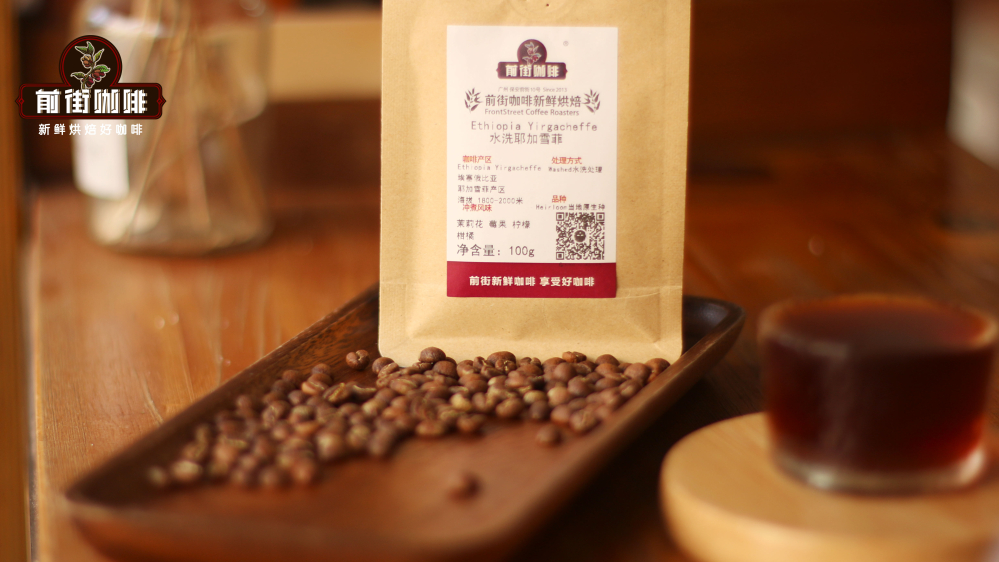
The market offers a wide variety of pour-over products. If you prefer a refreshing floral flavor, three Yirgacheffe pour-over coffee bags from a certain brand are worth trying: the classic washed version, the sun-dried Red Cherry series, and the washed beans from the Guodingding cooperative. Each highlights the bright acidity and complex aromas unique to the Yirgacheffe region.
1. A Certain Brand’s Washed Yirgacheffe Pour-Over Coffee
Grown at an altitude of2300 metersin the Yirgacheffe region, this coffee uses native Ethiopian coffee varieties and the washed processing method. Its flavor profile is anchored bylemon and citrus-like bright acidity, paired withhoney-like sweetnessand a delicate tea-like finish, with a hint of berry notes in the aftertaste. It suits drinkers who enjoy a clean, vibrant acidity.
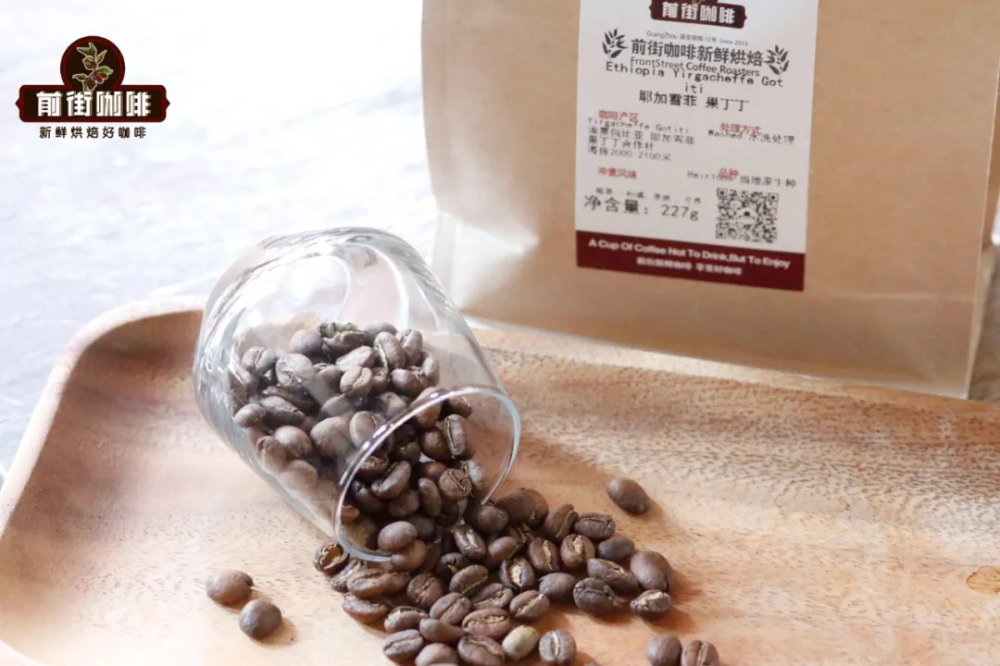
2. A Certain Brand’s Guodingding Pour-Over Coffee
The production area is located in the Gedeo Zone of Yirgacheffe and is produced by the local Guodingding cooperative, at altitudes ranging between1900-2300 meters. The beans are processed using the traditional washed method and are native Heirloom varieties (G1 grade, high-quality). The flavor is dominated bycitrus and berry-like bright acidity, accompanied bycane sugar sweetnessand agreen tea-likeclean finish, with clear layers and a long-lasting aftertaste.
3. A Certain Brand’s Sun-Dried Red Cherry Pour-Over Coffee
Originating as a variation of the washed Yirgacheffe beans from the Alertha Processing Station, it also grows at an altitude of2300 meters. The sun-dried processing method enhances the fruit-forward characteristics, with flavor notes highlightingcitrus and berryacidity, complemented byfermented fruit aromasandhoney-like sweetness. The cup also features a creamy, velvety mouthfeel, resulting in a rich and dynamic overall profile.
In addition to the above Yirgacheffe series, the brand also offers a variety of options such as the bold, smoky richness of Mandheling, the balanced intensity of Brazilian beans, and the elegant floral notes of Geisha, catering to different flavor preferences.
For coffee enthusiasts who prioritize ultimate freshness, making your own pour-over coffee bags at home is an ideal solution. With just a few basic tools—such as a grinder, pour-over filter bags, a digital scale, a sealer, and a small spoon—you can preserve the full aroma and flavor of the coffee beans.
Steps for Making Pour-Over Coffee Bags at Home:
First, select freshly roasted coffee beans and adjust your grinder to a grind size suitable for pour-over. Taking the popular Ethiopian Yirgacheffe Red Cherry as an example, the ideal grind is similar togranulated sugar. If using a Chinese No. 20 standard sieve, the passing rate should be around80%; for an electric grinder like the EK43s, the recommended setting is10, while for a hand grinder like the C40, set it to24.
Next, place the ground coffee (recommended 10 grams per single serving)10 gramsonto the digital scale and carefully pour it into the opened pour-over filter bag. Using a small spoon can help prevent powder from scattering and ensure even filling.
Finally, connect the sealer to power and use the heater to clamp the sealing line of the pour-over bag, ensuring it is completely airtight. To extend shelf life, store the finished pour-over bags in an air-tight, light-proof bag in a cool, dark place to prevent aroma loss.
Key Points for Brewing Pour-Over Coffee at Home:
Many users report that they can’t replicate the flavors described on the product when brewing at home. The key often lies in water temperature control and pouring technique. First, boil water and prepare a suitable tall cup (e.g., a mug), and confirm the amount of coffee grounds per single-serve pour-over bag and the expected yield of brewed coffee (approximately120-130 milliliters).
During actual brewing, first tear open the outer packaging of the pour-over bag, cut along the dotted line to open the non-woven fabric pouch, gently shake to settle the coffee grounds at the bottom, then hang it on the rim of the cup. The first step is to pour a small amount of hot water forbloom, using just enough water to cover the coffee grounds, and let it sit for10-20 secondsto allow gases to escape, which is crucial for stable extraction afterward.
Then proceed with the second pour using a steady and fine stream of water until the filter bag is nearly full, then wait for the coffee to fully drip through. Finally, perform a third pour to fill the filter bag completely. The total water used (including bloom water) is approximately150 grams. After dripping is complete, gently swirl the coffee to enjoy a pure flavor with both floral notes and fruity acidity.
The above content is compiled by CoffeeHunters, a coffee news website.


