







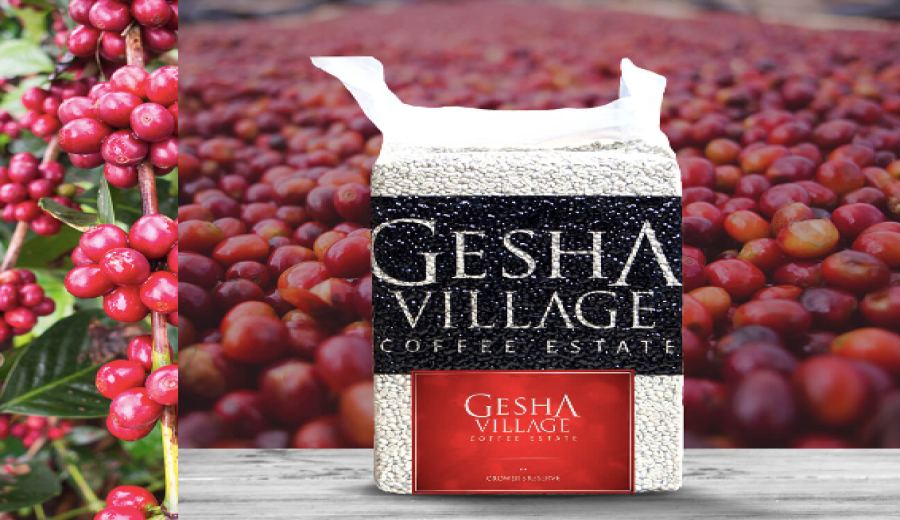
Introduction:Want to understand what grade Gesha Village’s Red Label Gesha belongs to? This article takes an in-depth look at the five internal grading tiers of Gesha Village — including Auction, Gold Label, Red Label, Green Label, and the Chaka blend — analyzing their production ratios, cupping scores, and typical flavor profiles. It also introduces the discovery process of the Gori Gesha Forest and the estate’s plot management strategy, helping you choose the most suitable Gesha beans for brewing with greater precision.
At Ethiopia’s Gesha Village estate, a rigorous grading system determines each coffee’s market positioning and quality standard. From top-tier auction lots to entry-level Chaka blends, each grade not only represents different flavor profiles but also reflects its rarity and price range. Among them, the Red Label Gesha stands out as a great value option, consistently scoring above 88 in cupping tests. It offers full traceability and showcases the distinctive flavor profile unique to Gesha Village.
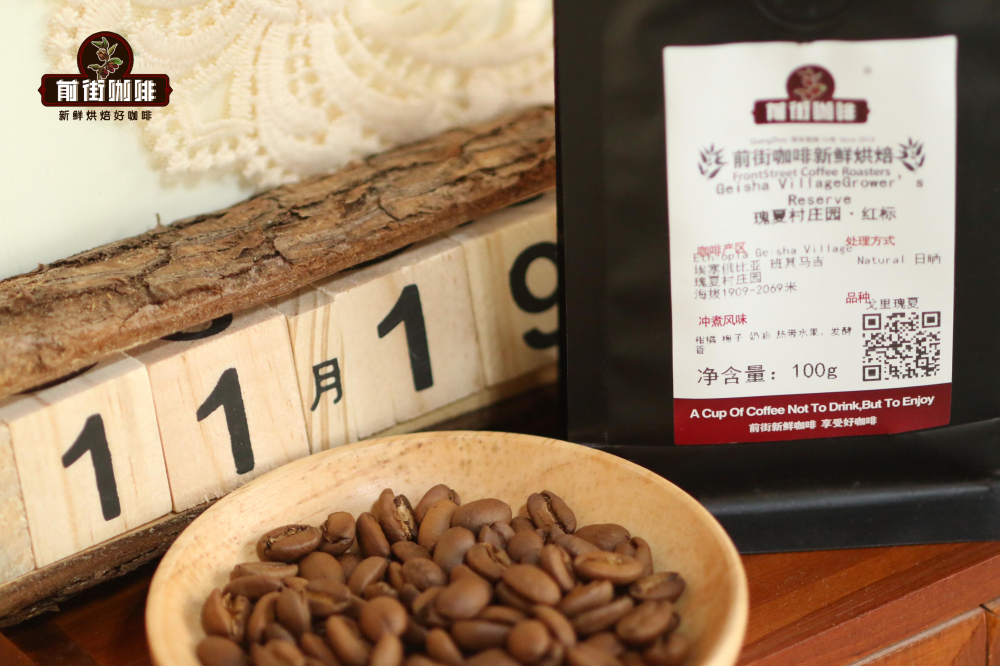
Gesha Village Red Label Natural Bean – Tested Information
Country: Ethiopia
Region: Gesha Village Estate
Processing Method: Natural
Variety: Ethiopian Gesha
Elevation: 2040 meters
Roast Level: Medium-light
Although this Red Label natural bean is slightly less intense and complex in flavor compared to the Gold Label, it still exhibits the signature characteristics of Gesha Village — including prominent notes of coconut, licorice, cream, chocolate, and toffee, followed by citrus, almond, and strawberry in the finish. The dry aroma carries a slight fermentation note, and the overall mouthfeel is rich with a clear nutty tone. It’s an excellent choice for beginners exploring pour over or filter brewing.
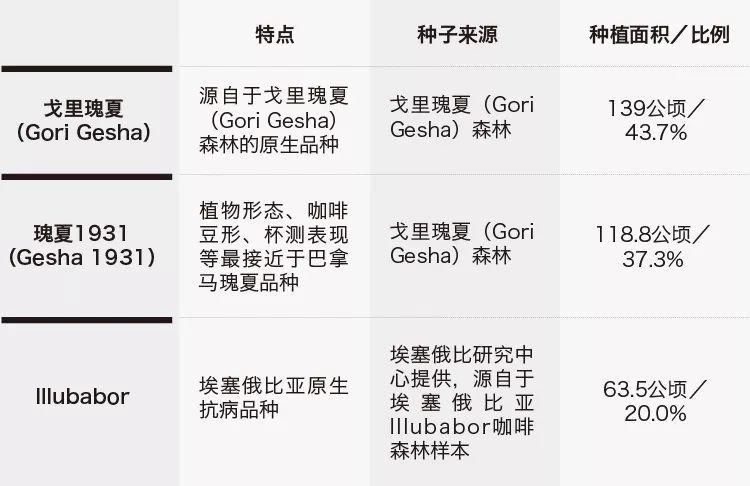
The full name of Gesha Village is Gesha Village, located within the Gori Gesha Forest — the very origin where the Gesha variety was first discovered. In 2011, estate founder Adam and consultant Willem Boot unexpectedly found several wild Gesha coffee trees in the pristine woodland surrounding the estate. Subsequent genetic testing confirmed that this area is indeed the original birthplace of the Panamanian Gesha variety. They immediately began seed selection and nursery work, and based on cupping results, plant morphology, and bean appearance, selected the cultivar closest to the Panamanian Gesha. This marked the beginning of Gesha Village’s varietal cultivation and processing experiments. Today, the estate focuses on high-quality natural and washed processes, with limited trials of honey processing and experimental batches to showcase diverse regional flavors.
Gesha Village’s internal grading system is divided into five main categories: Auction, Gold Label, Red Label, Green Label, and Chaka blend. Among these, the Auction batch accounts for just 3.7% of annual production, representing the highest grade and available only through global auctions. The Gold Label makes up about 5%, offering complex and layered flavors, and is the preferred choice for many competition brewers and specialty roasters. Andthe Red Label accounts for approximately 15% of production, featuring full traceability and distinct Gesha Village flavor characteristics. Though not as intense as the Gold Label, it offers excellent balance and value, making it suitable for most coffee enthusiasts to enjoy and learn from.
Beyond these three primary grades, Gesha Village also offers the Green Label and Chaka batches. The Green Label comes from single plots and single varieties, with slightly more straightforward flavor profiles but still retaining the essential character of Gesha Village. It’s ideal for consumers wanting to explore micro-lot nuances. The Chaka blend, meanwhile, combines Gori Gesha, Gesha 1931, and the Ethiopian native disease-resistant variety Illubabor, aiming to deliver a balanced and approachable everyday Gesha experience.
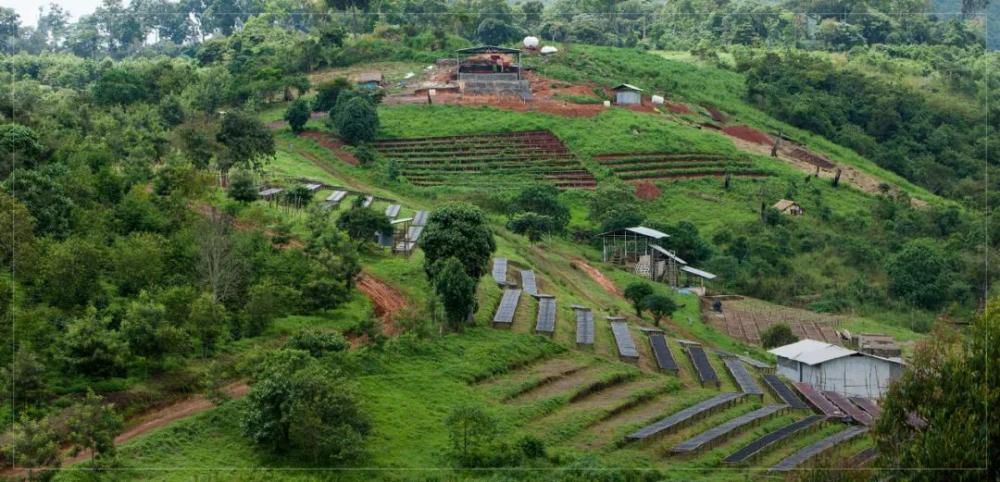
The Gesha Village estate spans a total of 471 hectares, gradually expanding since 2011. By 2017, the planted area had reached 320 hectares, making it one of the world’s largest Gesha-growing regions. To precisely manage flavor expression, the estate is divided into eight major zones, with each area planted with different varieties according to differences in elevation, soil, and microclimate. For example, the western plots — OMA, SURMA, and SHEWA-JIBABU — are situated at higher altitudes with better day-night temperature variation and drainage, so they are mainly planted with high-altitude-adapted Gesha varieties. The southern zone has denser shade, while the northern zone enjoys longer sunlight, and varietal allocation is adjusted accordingly to ensure each plot expresses its unique terroir.
How to distinguish between Red Label, Gold Label, and Chaka Gesha? Visually or from packaging alone, it may not be obvious, but understanding the definitions and flavor characteristics of each grade allows for more accurate selection. The Auction batch accounts for just 3.7% of annual production and is truly top-tier Gesha, with cupping scores ranging between 88.15 and 92.67. It can be further divided into Champion Selection and Estate Selection, such as the famous Gesha Village 2018 Auction Lot RSV.6. The Gold Label is commonly used in competitions and by professional roasters, offering stronger and more layered flavors than the Red Label, and is suited for coffee lovers seeking the ultimate flavor experience. Andthe Red Label Gesha not only delivers distinctive Gesha Village flavors but also strikes a great balance between price and quality, making it a top choice for many pour over enthusiasts.
Overall, Gesha coffee has earned its reputation as the “goddess-grade” bean among global coffee lovers not only because of its bright, complex floral and fruity aromas, high sweetness, fruity tones, and gentle, delicate acidity, but also thanks to the rigorous management and scientific grading practices of producers like Gesha Village. These practices ensure that each batch of Gesha can express flavors that are as close as possible to its original terroir. If you’re just getting into Gesha, the Red Label is an incredibly valuable entry point.
The above content is compiled by CoffeeHunters, a coffee news website.


