







Introduction:Kenyan coffee is renowned for its unique acidity and vibrant fruitiness, with washed and natural processing methods creating distinctly different drinking experiences. This article delves into Kenya’s two mainstream processing techniques, analyzing their regional backgrounds, varietal characteristics, and differences in processing procedures. Through the flavor profiles of actual coffee lots, it also guides you on how to brew to best bring out the essence of Kenyan coffee. Whether you're a beginner or an advanced enthusiast, you’ll gain practical insights for bean selection and pour over brewing.
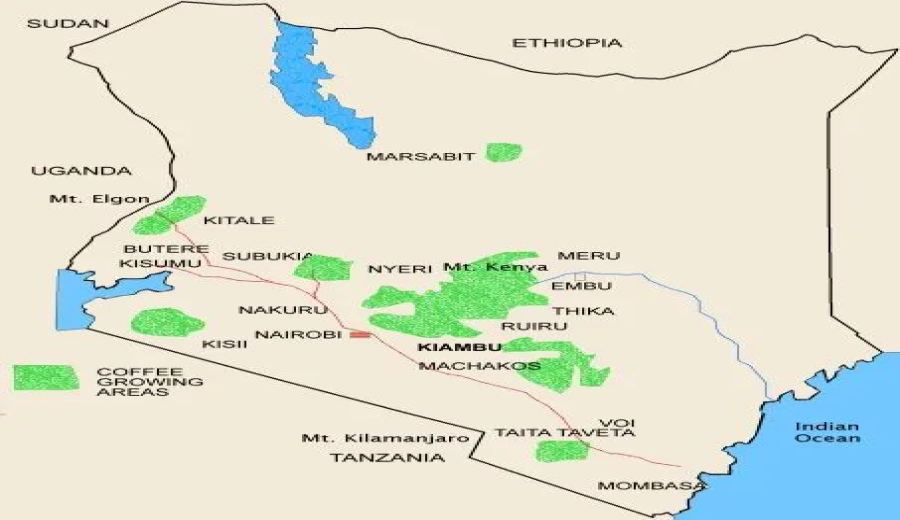
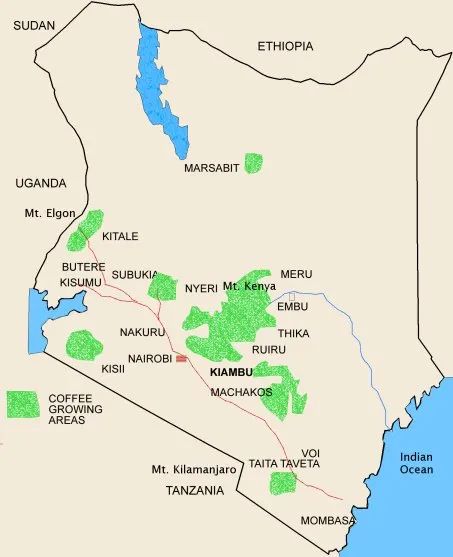
Kenya plays a significant role in the global specialty coffee landscape, especially the central highlands such as Nyeri, Muranga, and Kirinyaga, which are dream origins for many coffee lovers. Coffee here is mostly grown at elevations of 1,400 to over 2,000 meters, where the cool climate, large diurnal temperature variations, and mineral-rich volcanic soils give Kenyan coffee its distinctive bright acidity and complex fruity notes.
Kenya’s coffee industry is supported by about 700,000 smallholder farmers. Though the farming scale is relatively small, it is highly refined. In addition to numerous small farms, there are also estates covering tens to hundreds of hectares. There are two main harvest seasons: the main season runs from October to January of the following year, while the secondary season, known as the “fly crop,” occurs from April to June. The main planted varieties include the traditional SL28 and SL34, as well as the more disease-resistant Ruiru 11 and Batian, along with the relatively rare K7.
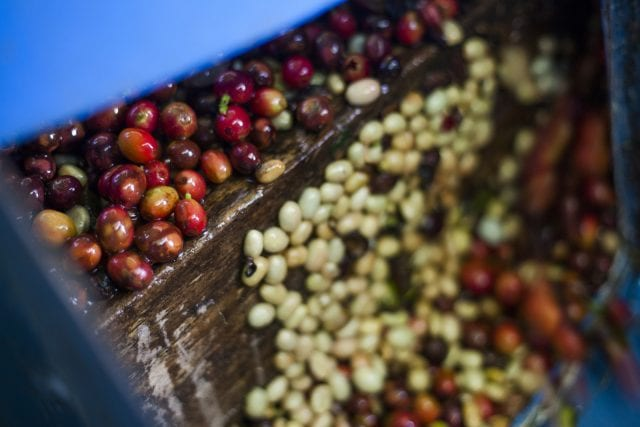
Washed processing dominates in Kenya, with the most representative method being the so-called K72 process, officially known as the Kenyan 72-hour fermented washed process. This technique emphasizes precision and time: on the day of harvest, farmers first select ripe red cherries, remove the pulp, and undergo the first 24-hour fermentation, followed by thorough rinsing with clean water; then comes a second 24-hour fermentation and rinse with clean water. This cycle is repeated three times for a total fermentation period of 72 hours. This repeated fermentation and washing process gradually extracts deep aromatic compounds from the coffee beans in a low-temperature environment, resulting in a clearer, brighter, and more robust flavor structure—especially highlighting prominent lemon acidity, berry tones, and a sweet aftertaste.
Natural processing, on the other hand, is relatively rare in Kenya. This is mainly because the quality of washed coffee is already exceptionally high, and the natural method demands stringent conditions in terms of climate, labor, and management. As a result, most Kenyan natural beans on the market come from small micro-lots or customized green bean projects. Natural processing dries the cherries without removing the pulp, allowing the mucilage and sugars to fully penetrate the seeds, often producing richer tropical fruit, dried fruit, and even wine-like complex layers. However, this method carries higher risks and defect rates, relying on stable weather and skilled techniques; otherwise, it can easily lead to overripe or moldy flavors.
For example, the French Mission Bourbon natural beans produced by Chania Estates, sourced from the Thika region at an altitude of about 1,525 meters, are processed using the traditional natural method. These beans exhibit strong dried fruit and fermentation aromas, with a distinct caramel sweetness and a mix of fruit tones upon tasting, accompanied by a rich juiciness. The finish lingers with berry notes, intense jackfruit aroma, and a hint of coffee flower fragrance. The overall flavor profile captures the raw, wild charm of African coffee, making it ideal for savoring slowly.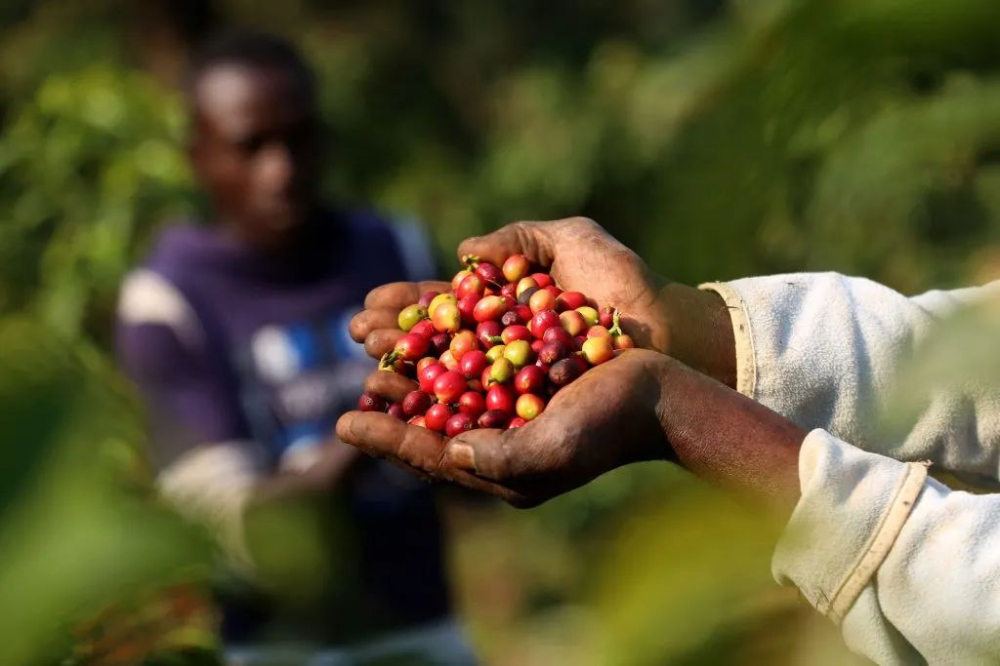
As for a classic example of washed processing, there’s the AA TOP premium washed beans from Asali Honey Processing Factory, also from the Thika region, grown at altitudes between 1,550 and 1,750 meters in fertile volcanic soil. This batch uses the SL28 and SL34 varieties and adopts Kenya’s renowned K72 washed process—that is, the triple 24-hour fermentation and rinse cycle. This technique imparts exceptional clarity and bright acidity to the coffee, often showcasing fresh acidic notes such as tomato, lemon, and berries, paired with delicate sweetness and a honey-like aftertaste. The overall performance is very balanced and layered.
In terms of actual pour over experience, these two types of beans each have their optimal brewing methods. For Kenyan washed beans, it’s recommended to use a medium-light roast, with water temperature controlled between91 and 93°C, and a grind size around medium-fine (like fine sugar). This helps highlight their bright acidity and complex fruitiness. Brewing can be done using a three-pour method, with a suggested water-to-coffee ratio of 1:15. Pay attention to maintaining a stable water flow to avoid over-extraction, which could lead to excessive acidity or astringency. For natural beans, you may slightly increase the water temperature to93–94°Cand use a slightly coarser grind, which helps bring out the rich fruit flavors and full body while avoiding off-flavors caused by over-extraction.
In summary, whether washed or natural, Kenyan coffee showcases the unique potential of high-altitude African coffee. Washed beans excel with clear acidity, fruity notes, and honey-like sweetness; natural beans captivate with intense dried fruit, wine-like aromas, and complex layers. Understanding their regional characteristics, differences in processing methods, and suitable brewing parameters will help you more fully appreciate the diverse charm of Kenyan coffee. Whether you’re just starting out or already an experienced coffee enthusiast, Kenyan beans are sure to deliver a delightful surprise to your palate.
The above content is compiled by CoffeeHunters, a coffee news website.


