







Introduction:Even though both bear the label "Red Label," what hidden differences lie between the Gesha beans from Ethiopia’s Gesha Village and Panama’s Hacienda La Esmeralda? This article delves into the regional backgrounds, grading classifications, green bean appearances, and flavor profiles of the two, and provides a pour over parameter guide specifically designed for the Esmeralda Red Label — covering grind size, water temperature, and pulse pouring rhythm — to help coffee enthusiasts find the optimal balance between tasting and brewing.
The status of Gesha coffee in the specialty coffee world is beyond doubt, but when you’re faced with both the Red Label batch from Ethiopia’s Gesha Village and the Red Label Gesha from Panama’s Hacienda La Esmeralda, have you ever wondered about their true differences? These two beans, both shining under the “Red Label” spotlight, actually have intriguing nuances in terms of terroir, varietal management, grading systems, and even final cup characteristics. This article will break them down one by one, guiding you from regional background to practical pour over application, so you can fully grasp the charm of these two top-tier Geshas.
 The reputation of Gesha in the specialty coffee circle is on par with Blue Mountain, with some coffee aficionados even saying, “Just one sip, and it’s unforgettable.” This article focuses on Ethiopia’s Gesha Village Estate and Panama’s Hacienda La Esmeralda, comparing the similarities and differences of their Red Label series from aspects such as origin history, internal grading, and green bean characteristics, while also offering a set of practical pour over suggestions to help you brew café-level quality at home.
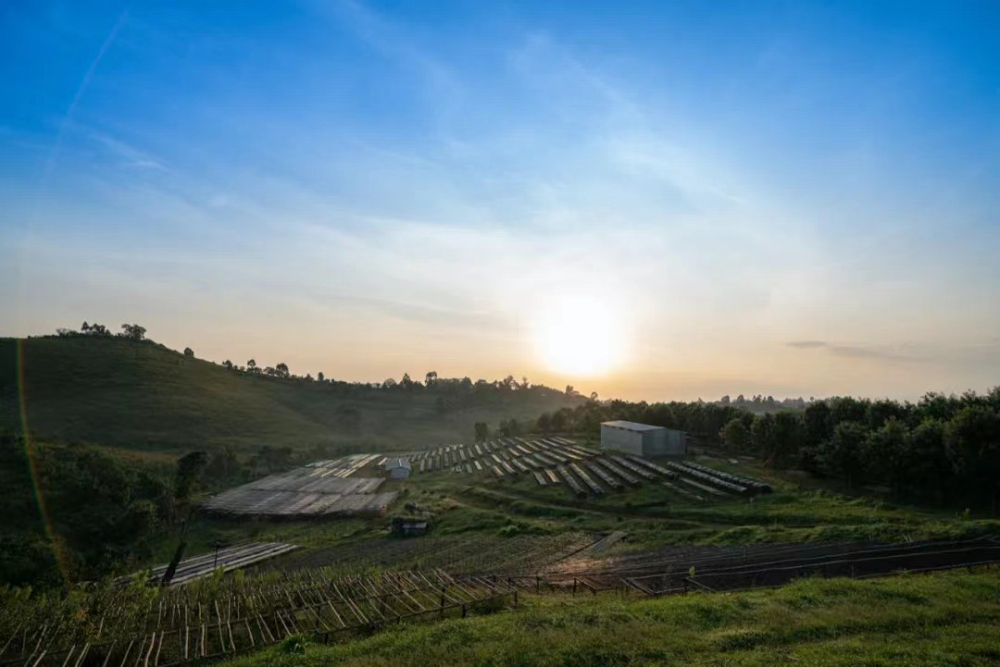
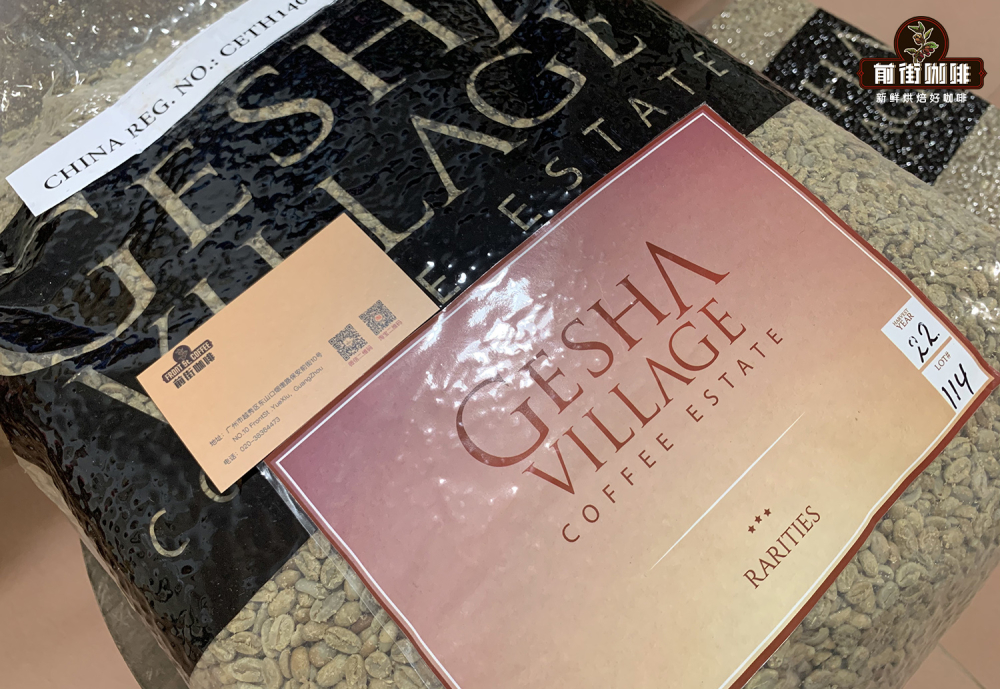
Let’s start with Ethiopia’s Gesha Village. This high-altitude estate, built from scratch in the Bench-Maji region by documentary filmmaker Adam Overton and his wife Rachel Samuel, was inspired by their earlier experience filming a coffee documentary for the Ethiopian government, during which they visited the renowned Gera Coffee Forest. Later, after exchanging knowledge with Willem Boot of Panama’s Mule Creek Farm, they further solidified the authentic lineage and cultivation direction of the Gesha variety. Eventually, starting in 2011, they gradually established Gesha Village Estate in the Bench-Maji region, which now spans a total area of 471 hectares, making it one of the largest single-estate Gesha farms in the world.
 Within Gesha Village, a rigorous grading system is implemented. Based on flavor performance, scarcity, and traceability, beans are categorized into Auction, Gold, Red, Green, and Chaka blend batches. The Auction batch accounts for only 3.7% of annual production and must be acquired through global auctions. Cupping scores often range from 88.15 to 92.67, making it an extremely rare top-tier product. The Gold batch makes up 5%, offering complex and layered flavors, and is the preferred choice for competitions and discerning roasters.The Red Label comes with complete traceability to specific regions and batches, delivering clear and distinctive Gesha characteristics. Though its intensity and complexity are slightly lower than the Gold Label, it is an excellent choice with outstanding cost-performance.. The Green Label originates from single plots and varietals, with clear flavor directions but slightly less intensity overall compared to the Red Label. The Chaka batch is a blend of three varietals, suitable for consumers who want to experience multiple facets of Gesha in one cup.
Now let’s turn to Panama’s Hacienda La Esmeralda. As one of the key players that brought Gesha onto the international stage, Hacienda La Esmeralda has secured numerous awards in international competitions since 2004 thanks to the Gesha variety, establishing its leading position in the specialty coffee field. The estate’s Gesha product line is mainly divided into Red Label, Green Label, and the former Blue Label (discontinued after 2021). Among them,the Red Label, also known as “Esmeralda Special,” has an independent number for each batch, and the beans are sourced exclusively from single high-altitude small plots (such as Jaramillo). The cupping score must reach 90 or above,making it a truly top-tier representation. The Green Label, formerly known as “Private Collection,” is a blend of Gesha batches from multiple plots, emphasizing the consistency of classic high-altitude Gesha flavors. It’s ideal for consumers who want to experience the hallmark traits of Gesha without being limited to a single plot.
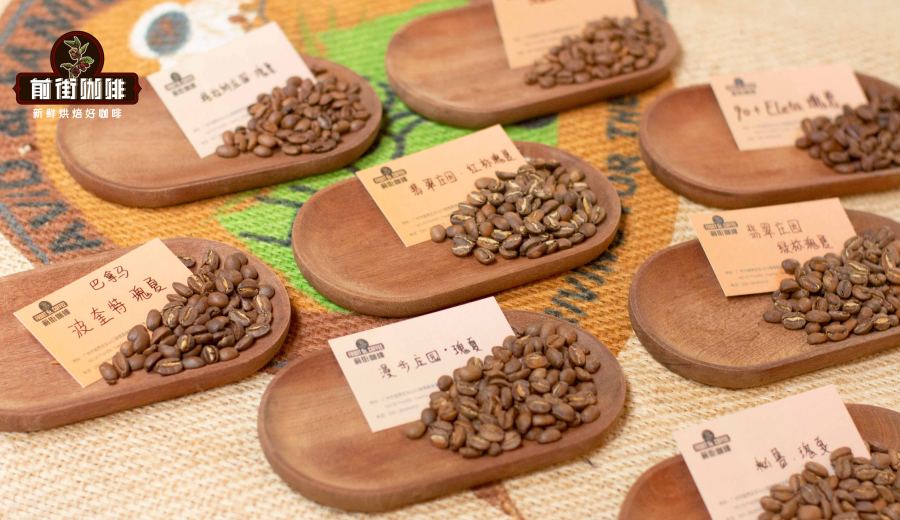
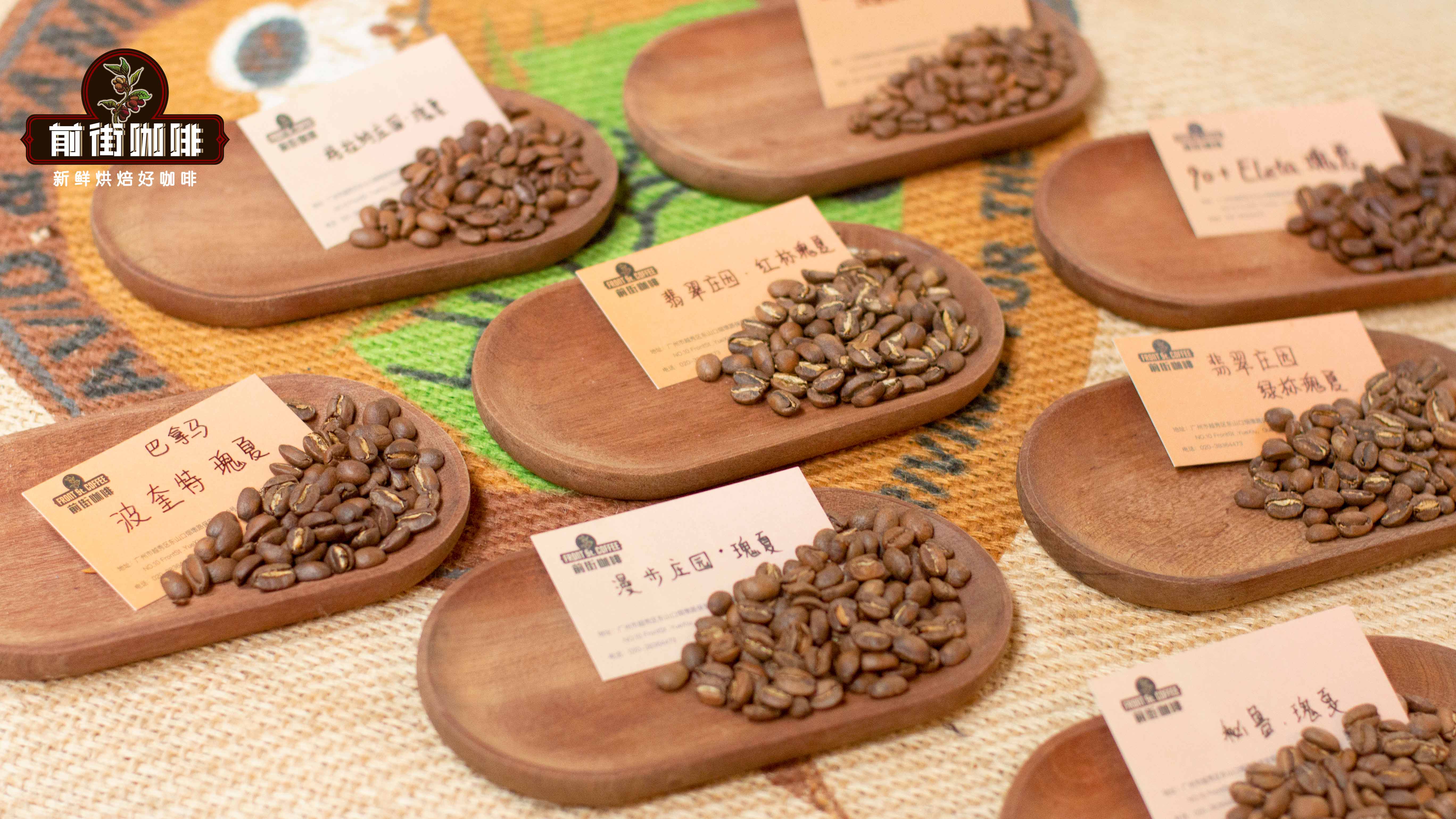
 In terms of origin, Ethiopia is the birthplace of Gesha, while Panama is where it gained global fame. Due to differences in climate, soil, and altitude, even when planting the same variety, the resulting flavor profiles differ significantly. Looking at the appearance of green beans,Panama’s Red Label Gesha beans are slender with pointed ends, plump and larger in size; in contrast, Ethiopia’s Red Label Gesha beans are slightly smaller, shorter in length, and have a more compact overall appearance..
In terms of flavor, both Red Label Geshas showcase high levels of acidity and floral notes, but each has its own distinctive charm.Panama’s Red Label often exhibits pronounced jasmine floral notes, citrus, and berry tones, with a honey-like sweetness in the aftertaste. The overall flavor is soft and well-balanced. Ethiopia’s Red Label, on the other hand, excels in vibrant juiciness — think bright, tangy acidity akin to fresh orange juice, paired with explosive tropical fruit flavors, resulting in layers that are vivid and full of energy.These differences stem not only from varietal micro-mutations and processing methods but are also closely tied to the microclimates and mineral compositions of the soils in each region.
To fully highlight the delicate flavors of Gesha, nailing the pour over parameters is crucial. Taking the Esmeralda Red Label as an example, here is a set of battle-tested pour over settings: use 15 grams of coffee grounds with a Hario V60 size 01 filter cone. The grind size is recommended to be adjusted to a 78% extraction rate through a 20-mesh sieve — slightly coarser than your everyday brew. This helps prevent issues like poor water flow or over-extraction due to the hard density of Gesha beans.
 The recommended powder-to-water ratio is 1:16, with a total water volume of about 240 milliliters. This ratio balances extraction efficiency and a clean mouthfeel, stabilizing the coffee concentration within the optimal window of 1.15%–1.25%.The water temperature is advised to be controlled at 91°C, which brings out fruity acidity and floral notes while avoiding the rough tannins that can come from over-extraction..
In practice, start by pouring about 25 milliliters of hot water for a 30-second bloom. Avoid using too much water at this stage to prevent insufficient wetting or disrupting the subsequent extraction rhythm with excess moisture. It’s recommended to pour in a gentle, slow spiral motion from the center outward during the bloom. After blooming, move on to the main extraction phase: begin with a “mosquito coil”-style pour, spiraling water from the center outward for 120 milliliters over about 1 minute. This helps evenly distribute the hot water and increases the fluffiness of the coffee bed. Once the water level naturally drops to about half (around 1:10 to 1:15), proceed with the final pour of 90 milliliters, moving the water in about a half-circle along the surface until the total brew time reaches approximately 2:00 to 2:05 minutes, completing the extraction.
By following the above steps, you’ll be able to fully release the floral-fruity aromas, juicy brightness, and silky honey-like sweetness of the Esmeralda Red Label Gesha, experiencing the most captivating layers and aftertaste of Gesha coffee. Whether you’re a beginner or a seasoned pour over enthusiast, this parameter set offers a stable and flavorful foundation for brewing.
The above content is compiled by CoffeeHunters, a coffee news website.


