







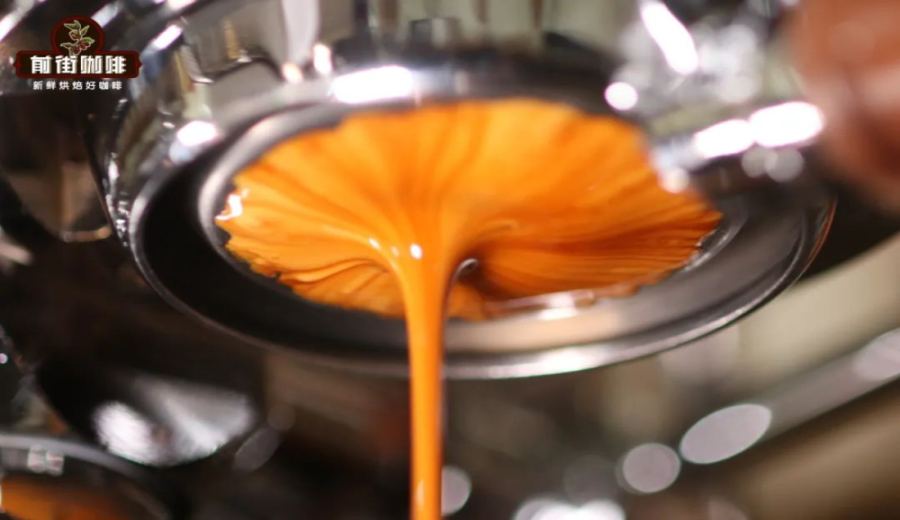
Introduction:Why do professional espresso machines always use a 9-bar extraction pressure? This seemingly simple number hides the key mechanism that influences crema formation and flavor release. This article delves into how different pressure levels affect espresso, comparing practical tests at 6 bar, 9 bar, and 11 bar to reveal why 9 bar has become the industry standard — and explores advanced techniques in variable pressure extraction.
When discussing espresso extraction parameters, pressure is often an overlooked yet crucial element. This core factor that determines the final presentation of the coffee directly impacts the quality of crema formation and the layered expression of flavors. Through systematic analysis of extraction performance under varying pressure conditions, we can more precisely grasp the essence of espresso.
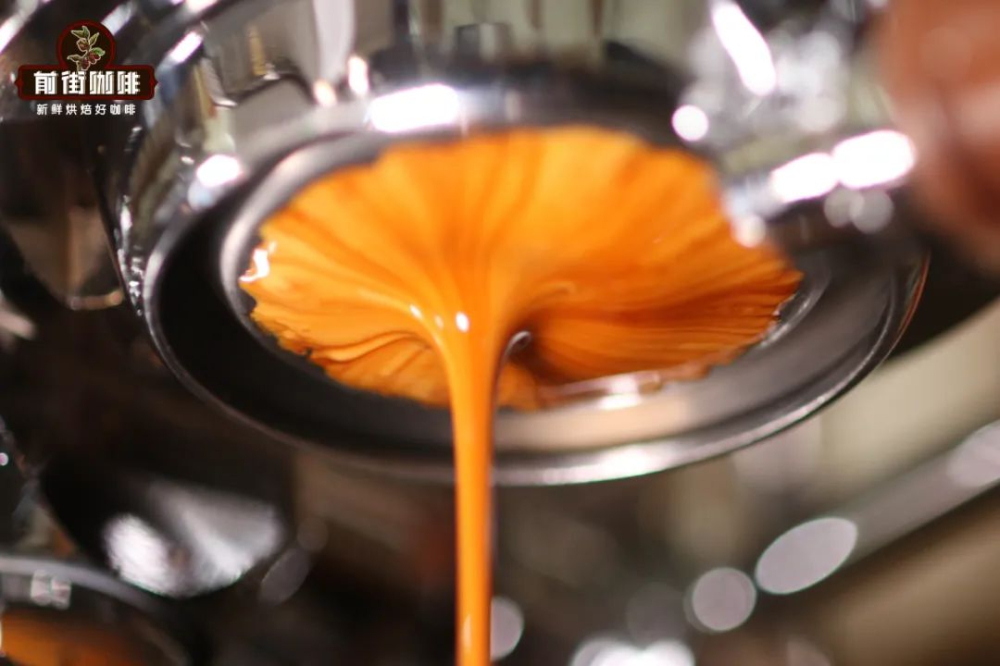
The biggest difference between espresso and regular drip brewing lies in its reliance on pressurized extraction — a unique process. This pressurized effect not only improves extraction efficiency but is also essential for forming the iconic golden crema. Observing the technical specifications of mainstream market equipment reveals that9barthis value has almost become the default setting across all professional machines.
To understand the origin of this standard, it’s first necessary to distinguish between pump pressure and actual extraction pressure. The former reflects the output capability of the machine’s pump, while the latter is the true pressure applied to the coffee puck. By observing changes on the pressure gauge: the reading that appears upon startup is the pump pressure, while the one displayed only after the puck is installed and the machine starts is the real extraction pressure.

Modern espresso machines mainly adopt two types of pressurization technologies: vibration pumps and rotary pumps. The former generates pressure through mechanical reciprocating motion; although its nominal value often reaches 15 bar, the actual pressure fluctuates noticeably during extraction and struggles to maintain stable output. The latter relies on precise rotating blades to continuously build pressure, making it especially suitable for commercial environments where stability is key. It’s worth noting that different pump types have notably varying effects on the final extraction pressure.
To verify the real impact of pressure parameters, we conducted a set of comparative experiments. Under fixed conditions of coffee dose (20g), yield (40g), and time (29 seconds), we tested three pressure settings: 6 bar, 9 bar, and 11 bar. The experiment used a rotary pump device with precise pressure control capabilities to ensure accuracy in variable management.
When the pressure was reduced to 6 bar, notable changes in extraction characteristics were observed. Although the crema thickness was similar to the standard setting, its texture was coarser and it dissipated faster. In terms of flavor, the acidity layering weakened, and the overall taste became more single-note and heavy. Notably, the time required to reach the same yield extended to 36 seconds — this time difference significantly affects the final flavor balance.
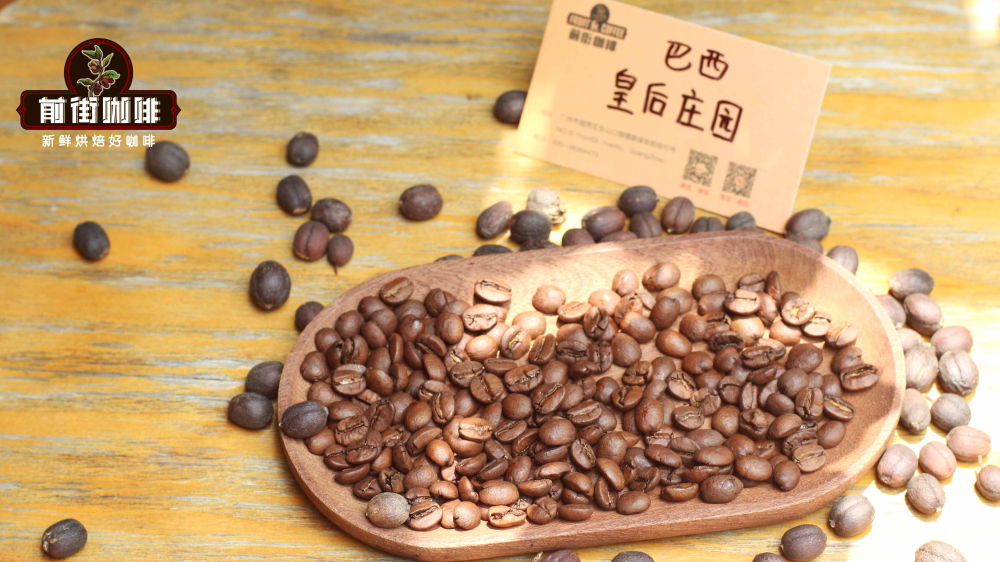
Increasing the pressure to 11 bar showed the opposite trend. The initial flow rate was comparable to the standard setting, but it accelerated noticeably later, reducing the total extraction time to 27 seconds. The crema appearance remained stable, but the flavor became more intense and direct. This high-pressure extraction tends to highlight the extraction of tannin-like substances, enhancing the overall impact but reducing finesse.
Through this set of comparative experiments, it becomes clear that the pressure parameter directly influences three key dimensions — extraction time, crema quality, and flavor expression. Lower pressure may extend extraction time but risks under-extracting flavor compounds; too-high pressure speeds up extraction, potentially leading to over-extraction.
Tracing back to the formation of the industry standard, the technological innovations in Italian espresso machines during the 1960s and 1970s provide important clues. As pressurization technology evolved from the early 3–4 bar range to higher levels, practitioners gradually discovered that9barthis intermediate value achieved the optimal balance — ensuring sufficient crema formation without over-extracting to the point of generating off-flavors. This rule of thumb, validated over decades, eventually became the industry consensus.
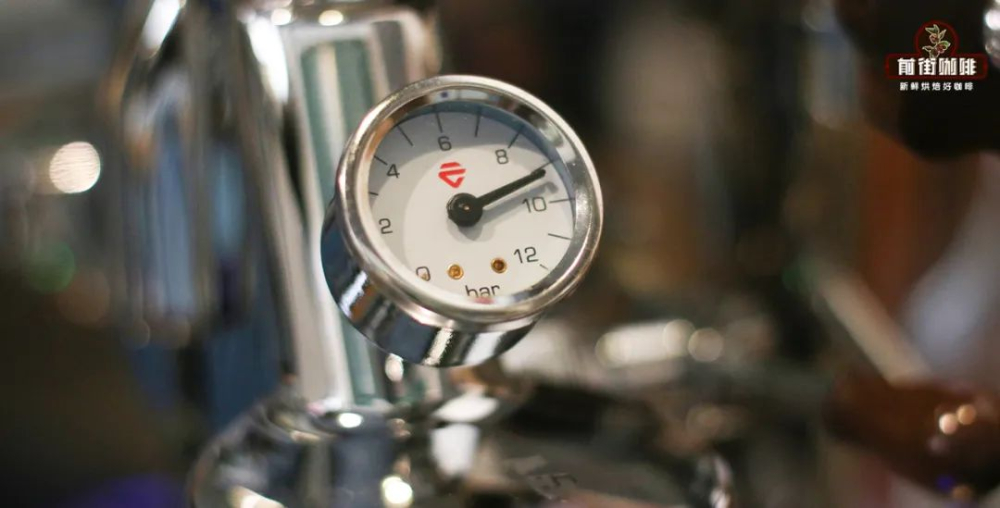
With the advancement of modern espresso machine technology, variable pressure extraction has become a new tool for professional baristas to explore flavor. By adjusting pressure parameters at different stages of extraction, it's possible to more finely control the timing of various flavor compound dissolution. However, for everyday use, maintaining a stable 9-bar extraction remains the most reliable way to achieve balanced flavor.
The above content is compiled by CoffeeHunters, a coffee news website.


