







Introduction:Espresso is hailed as the soul of coffee. Its intense flavor and unique texture serve as important indicators for evaluating both coffee bean quality and barista skill. This article will delve into the principles behind Espresso preparation, the formation mechanism of its golden crema, and guide you through three key steps—“smell, observe, and taste”—to gradually master how to appreciate a high-quality shot of Espresso. Whether you’re a beginner or an advanced enthusiast, you’ll gain practical and professional insights.
Espresso has long been regarded as the core of the coffee world—not only because of its bold and intense flavor that’s widely loved, but also due to the various intricate details in its preparation, which make it a vital benchmark for assessing coffee quality and barista craftsmanship. An ideal shot of Espresso, from extraction parameters and the amount of coffee grounds used, to that captivating layer of golden crema on the surface, every step encompasses profound coffee knowledge.
Before diving deeper, it’s helpful to first understand the basic principles of Espresso preparation. Through high pressure (typically9Bar) combined with high temperature, carefully selected coffee grounds are extracted into a concentrated coffee liquid in an extremely short time (about 25 to 30 seconds). Taking a common double spout portafilter as an example, it usually uses19 to 20 gramsof coffee grounds; for a single spout portafilter, about13 to 14 gramsare needed. Only under such conditions can a stable shot of Espresso with both intensity and balanced flavor be consistently extracted.
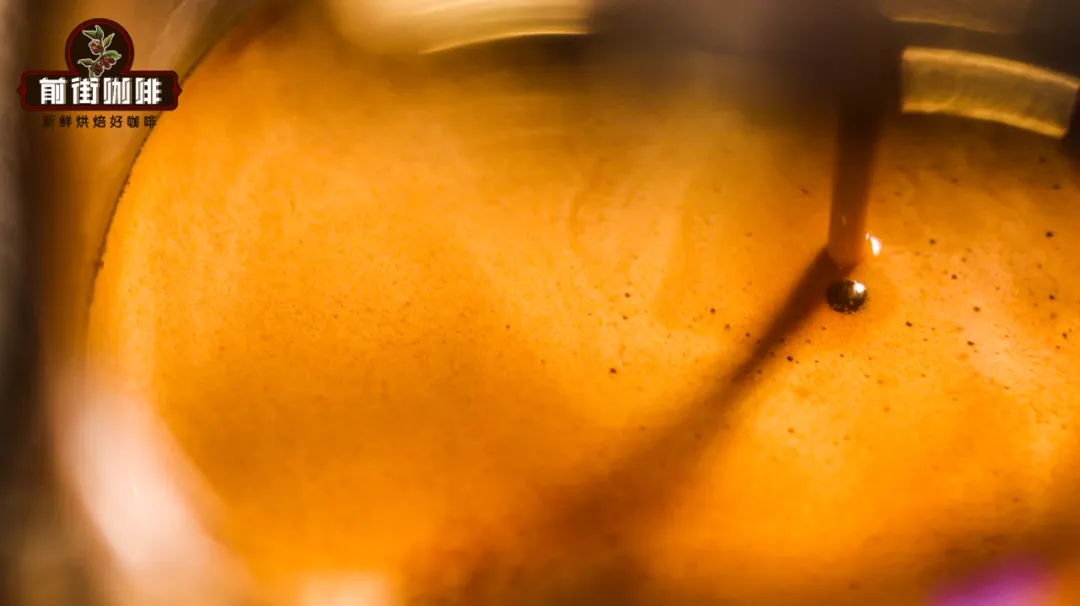
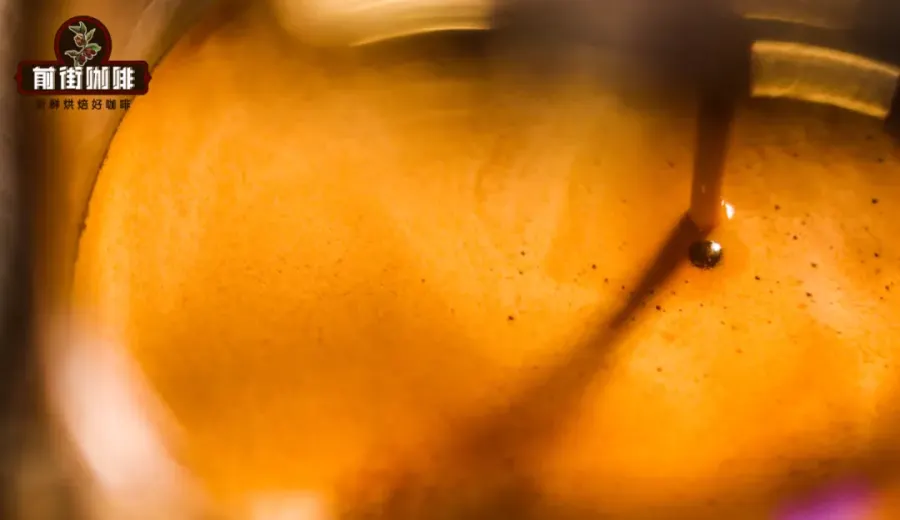
When a freshly extracted Espresso is completed, the most eye-catching feature is undoubtedly the delicate, golden layer of oil that floats on the surface—commonly known as the “crema.” The formation of this crema mainly stems from two factors: first, during extraction, the high pressure forces soluble substances and tiny oil droplets from the coffee grounds out, which then emulsify under pressure and hot water; second, the carbon dioxide contained in freshly roasted coffee beans dissolves into the coffee liquid under pressure, further promoting the generation and stability of the crema.
Many coffee beginners mistakenly assume that the thicker and longer-lasting the crema, the better the coffee. While the richness of the crema does have some correlation with the freshness of the coffee beans, it’s also worth noting thatRobusta beans, even if of average quality, can easily produce a large and persistent amount of crema. Therefore, this factor alone shouldn’t be used to judge overall quality.
Next, we can evaluate a shot of Espresso through three steps: smell, observe, and taste. First is “smell.” When you pick up a freshly extracted Espresso, the aromas that typically reach your nose first are nuts, caramel, and even a hint of smokiness. If the roast level is lighter, you might also catch subtle fruity or floral notes. These are all important clues for discerning the coffee’s flavor profile.
The second step is “observe.” Carefully examine the crema on the Espresso’s surface; its color and uniformity can reveal a lot. If the crema is pale and thin, it usually indicates under-extraction, which may lead to weak flavors or prominent acidity. Conversely, if the crema is dark in color, unevenly distributed, or shows obvious dark streaks, it may be over-extracted, resulting in more pronounced bitterness and astringency. In addition, if irregular spots or holes appear on the surface, it could indicate a “channeling” phenomenon during extraction, where some areas are over-extracted while others are under-extracted. Such Espresso often has an imbalanced flavor.

The final step—and the most anticipated one—is “taste.” It’s recommended to sip in three stages: the first sip focuses on the crema alone, experiencing its richness and smoothness; the second sip combines the crema with the underlying coffee liquid to enjoy the layered complexity; the third sip involves drinking the entire coffee liquid to savor its intricate flavors such as fruit acidity, nuts, chocolate, and caramel. This method of tasting helps you more fully appreciate the subtleties and depth of Espresso.
Across different drinking cultures, Espresso is enjoyed in a variety of ways. Some people prefer to pair it with a glass of ice water to cleanse the palate and enhance flavor perception; others might place a sugar cube on top and watch it slowly sink and dissolve; and more commonly, Espresso serves as the base for adding steamed milk, transforming it into classic beverages like lattes, cappuccinos, or macchiatos. No matter the method, each showcases the endless possibilities of Espresso as the heart of coffee.
In summary, the charm of Espresso lies not only in its intense flavor but also in the professionalism and craftsmanship demonstrated in every detail of its preparation. From the precise control of extraction parameters, to the science behind crema formation, to the art of flavor evaluation through the three steps of smell, observe, and taste—each stage is rich with knowledge. If you’re new to coffee, why not start with a shot of Espresso to discover the infinite flavors and mysteries hidden within this small cup.
The above content is compiled by CoffeeHunters, a coffee news website.


