







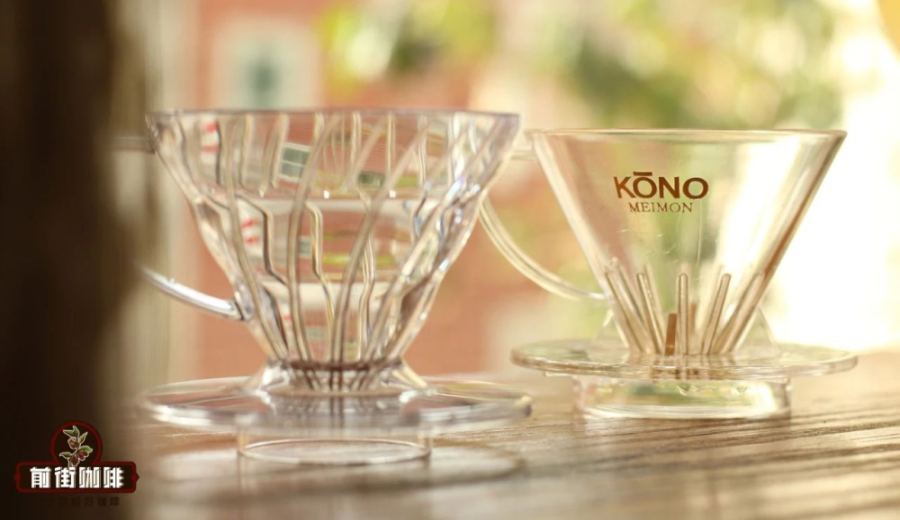
Introduction:The V60 dripper is an essential classic tool that every pour-over coffee enthusiast should know. Thanks to its unique structural design, it flexibly adapts to various roast levels and extraction styles. This article delves into the principles behind the V60’s cone shape, large single hole, and spiral ribs, helping you understand how these elements influence extraction efficiency and flavor complexity. It also provides a detailed comparison of three common materials—resin, ceramic, and glass—covering insulation, price, and practical advice. Additionally, it shares hands-on brewing methods including the single-pour (一刀流) and three-pour (三段式) techniques, with parameter settings and flavor profiles to help you find your ideal pour-over style.
In the world of pour-over coffee, the V60 dripper is undoubtedly one of the most popular and widely used classic tools. Its iconic cone shape, wide central drain hole, and unique spiral rib design not only guide the water flow centrally and steadily but also promote effective airflow. It suits coffee beans of various roast levels and allows brewers to adjust the flavor profile according to personal preference. This article will explore the V60’s design principles in depth, analyze its impact on the extraction process, and assist you in selecting the most suitable V60 dripper from the perspectives of material, performance, and price. Furthermore, it introduces two mainstream brewing methods—the single-pour and three-pour techniques—along with precise extraction parameters and practical tips to help you master the craft.
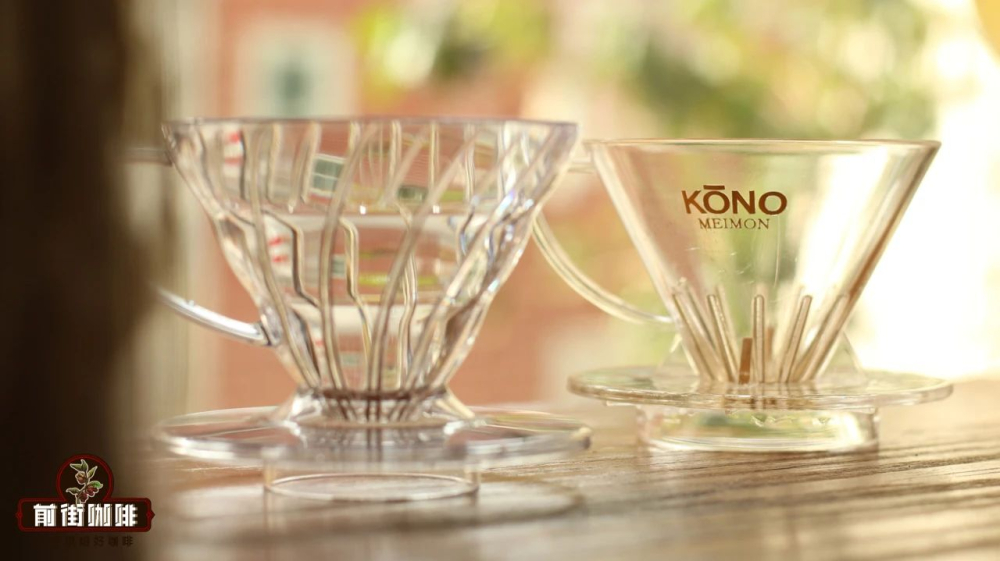
The reason the V60 is favored by many pour-over enthusiasts can be attributed to its three key design elements: first, the dripper’s60-degree conical structure, which directs the water flow toward the center of the dripper, prolonging the contact time between coffee grounds and water to facilitate full extraction of flavor compounds; second, thesingle large drain hole, which compared to multi-hole drippers, is less prone to clogging and allows the brewer to freely adjust the final coffee flavor by controlling the pouring speed; and third, thespiral rib design, which extends from the bottom to the top of the dripper, increasing the surface area of the coffee bed exposed to air and promoting gas release for a more even and layered extraction. These three elements work together to make the V60 an ideal tool for showcasing the nuanced details and complexity of coffee.
Whether you're a beginner or an experienced coffee lover, simply by adjusting parameters such as grind size, water temperature, and coffee-to-water ratio, you can use the V60 to brew coffee with bright, rich, or well-balanced flavors. For example, when brewing medium to light roast beans to highlight their vibrant acidity and fruity notes, it’s recommended to use a medium-fine grind (approximately 80% passing through a #20 sieve), paired with a water temperature of 90–91°C, and employ the three-pour technique for segmented extraction. This effectively brings out the sweetness and complexity of the coffee.
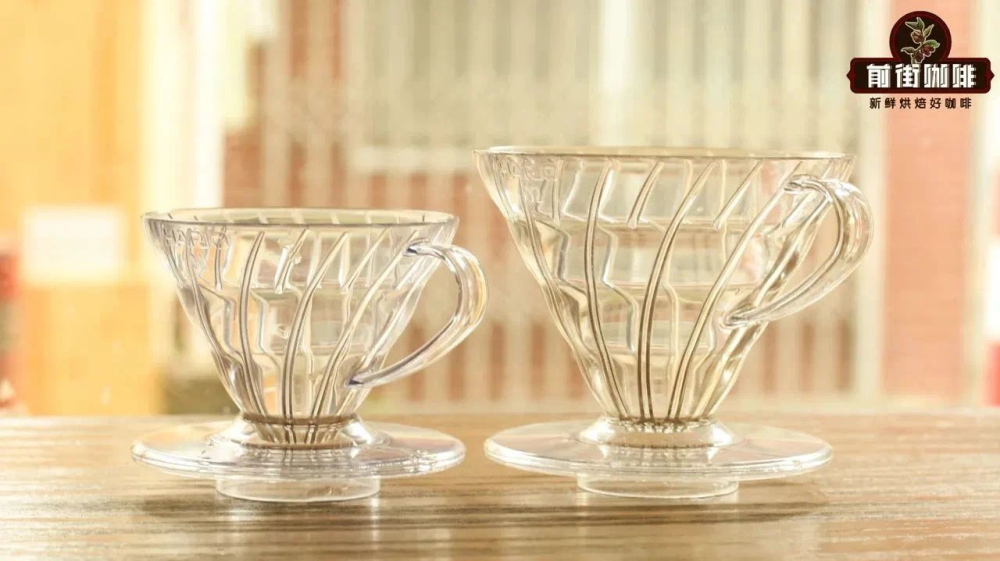
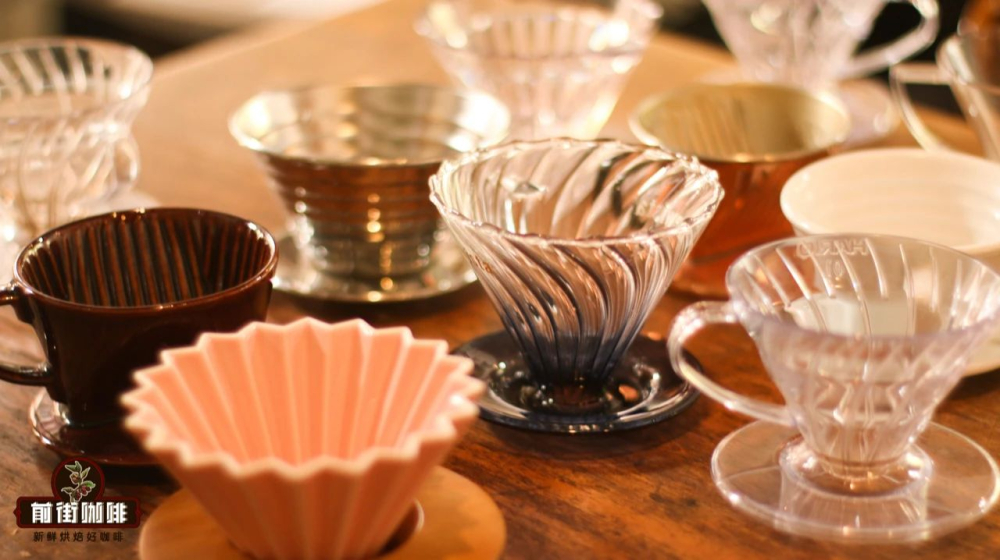
V60 drippers come in a variety of materials on the market, with the most common being resin, ceramic, and glass. Each material differs in terms of insulation, feel, and price. First, in terms ofheat retention performance, the ranking isresin > ceramic > glass. Resin drippers have a certain degree of insulation due to the material itself, helping maintain water temperature during brewing, making them a better choice for users seeking stable extraction. Ceramic drippers offer excellent heat retention, have a smooth texture, and come in diverse designs, but they dissipate heat slightly faster. Glass drippers offer visual clarity and aesthetic appeal but have relatively poor heat retention and are more susceptible to environmental temperature affecting extraction consistency. In terms of price, the general ranking isceramic > glass > resin. Beginners can choose based on their budget and needs. Additionally, pay special attention to the dripper model when purchasing. The common ones aresize 01 and size 02. Size 01 is suitable for brewing 1 to 2 cups, while size 02 can handle 1 to 4 cups. Also ensure the filter paper matches the dripper size.
To brew a flavorful cup of pour-over coffee with the V60, starting with fresh coffee beans is essential. After roasting, coffee beans continuously release carbon dioxide, which not only affects aroma but is also closely related to the efficiency of flavor release during extraction. It is generally recommended to store unopened coffee beans in a cool, dry place to degas naturally and reach optimal extraction condition. The best tasting period for coffee beans is within 30 days post-roast. The degassing time varies depending on roast level—for example, medium to light roasts are recommended to degas for 3–4 days to allow the beans to “mature,” resulting in rounder and more balanced flavors. Moreover, grind size is another key factor in extraction. It’s recommended to use a #20 sieve (0.85mm diameter) for testing the passing rate: the ideal grind size for medium to light roast beans is around 80% (i.e., 10 grams of coffee grounds yields about 8 grams through the sieve), while medium to dark roasts are suggested at 70–75% (about 7–7.5 grams). If the passing rate is too high, indicating an overly fine grind, it may lead to over-extraction and off-flavors; if too low, it may result in under-extraction and weak flavors.
Water temperature control is equally crucial. Generally, it is recommended to use91-93°C[water temperature for medium to light roast]87-89°C[water temperature for medium to dark roast]
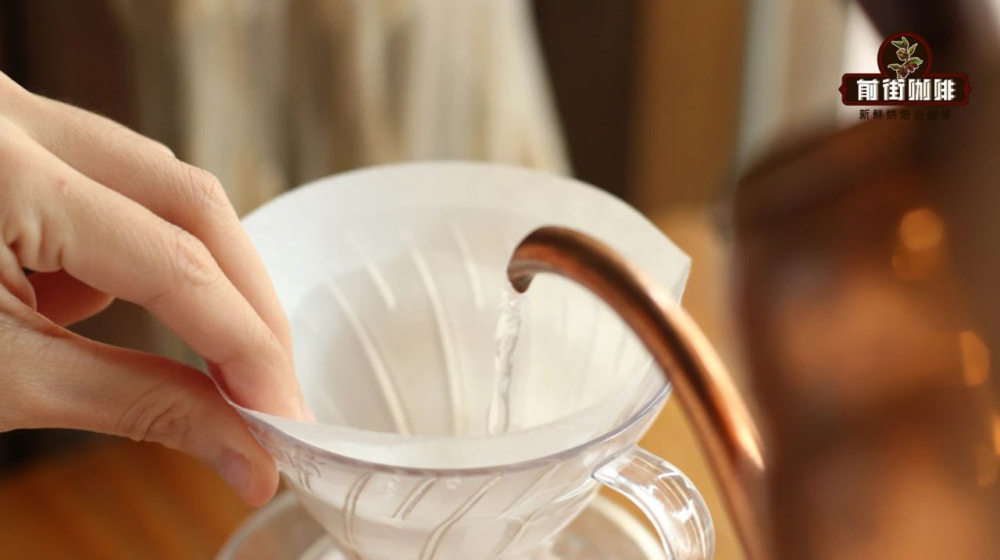
For actual brewing, the single-pour (一刀流) and three-pour (三段式) methods are two common and highly representative V60 techniques. The single-pour method emphasizes keeping the coffee grounds continuously soaked in water, using steady pouring and flow control to gradually release aromatic compounds. The overall flavor tends to be more focused and balanced, but improper pouring technique may result in under-extraction at the edges. The three-pour method is recommended for beginners. It involves blooming followed by three separate pours, with increasing water volume each time, clearly highlighting the flavor evolution from the coffee’s front, middle, to back notes, delivering richer and more distinct layers. Pay attention to the timing of each pour—typically when the coffee liquid is about to expose the coffee bed—and adjust the pour speed according to the coffee’s characteristics for optimal extraction.
Taking Costa Rica Strawberry Sugar blend beans as an example, using a V60 dripper, 90–91°C water temperature, medium-fine grind (80% through #20 sieve), and a 1:15 coffee-to-water ratio, the single-pour method proceeds as follows: bloom with 30 grams of water for 30 seconds, then pour continuously until reaching 225 grams total before stopping, and remove the dripper once the water level drops near exposing the coffee bed. The three-pour method is: first bloom with 30 grams for 30 seconds, then pour 95 grams (total ~125 grams), wait about 1 minute until the water level drops to two-thirds of the coffee bed, then pour 100 grams (total ~225 grams), and finally complete the drip by 1:55 to 2 minutes. The two methods offer distinct flavor profiles: the single-pour results in a more concentrated taste, with pronounced sweetness of strawberry jam and raisins, and an almond- and nut-toned aftertaste; the three-pour showcases clearer layering, with bright rose floral and berry notes, lively acidity, and a balanced, long-lasting finish.
In summary, the V60 dripper, with its scientific design and high adaptability, has become an indispensable tool for pour-over coffee lovers. Whether you prefer the simplicity and flow of the single-pour or the intricate layers of the three-pour, mastering key parameters such as grind size, water temperature, coffee-to-water ratio, and pouring technique will allow you to brew satisfying coffee flavors with the V60. By understanding the characteristics of different dripper materials and applying practical brewing methods, you’ll be able to confidently tackle each pour-over challenge and discover your perfect extraction tailored to your taste.
The above content is compiled by CoffeeHunters, a coffee news website.


