







Introduction:Espresso, the soul of Italian coffee, is renowned for its intense flavor but also serves as a key indicator for evaluating both the quality of coffee beans and extraction techniques. This article delves into the principles behind the formation of the key component of espresso—its golden crema—and guides you through professional-level tasting steps and practical ways to enjoy it, covering everything from extraction parameters and aroma to crema appearance and flavor layers. Whether you're a beginner or a seasoned coffee enthusiast, there's something to gain here.
Often hailed as the "soul of coffee," espresso is known for its high concentration and bold flavors. However, its intense taste can be intimidating for first-timers. Once you become familiar with the unique charm of this concentrated essence, you'll begin to appreciate its deep aromas and layered complexity. This small yet highly concentrated cup of coffee is not only a daily indulgence but also a crucial benchmark for testing coffee bean quality and a barista’s skill.
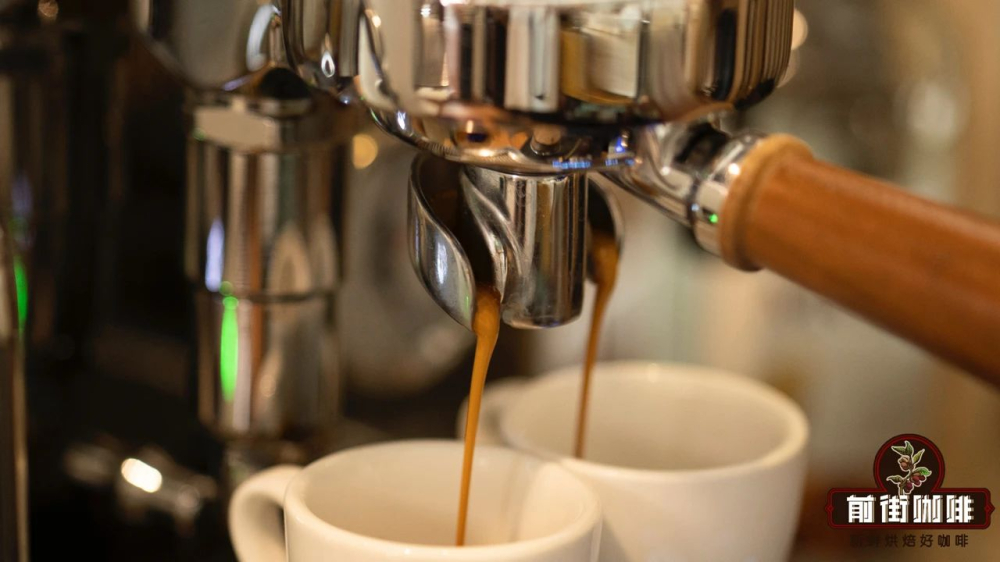
The creation of espresso relies on the synergy of high temperature and high pressure. Under approximately 9 atmospheres (9Bar) of pressure, a precisely extracted blend of soluble essences and oils from the coffee grounds is tightly fused to form a concentrated essence. This brewing method demands meticulous control over equipment, grind size, and the coffee-to-water ratio—any slight deviation can easily affect the overall flavor profile.
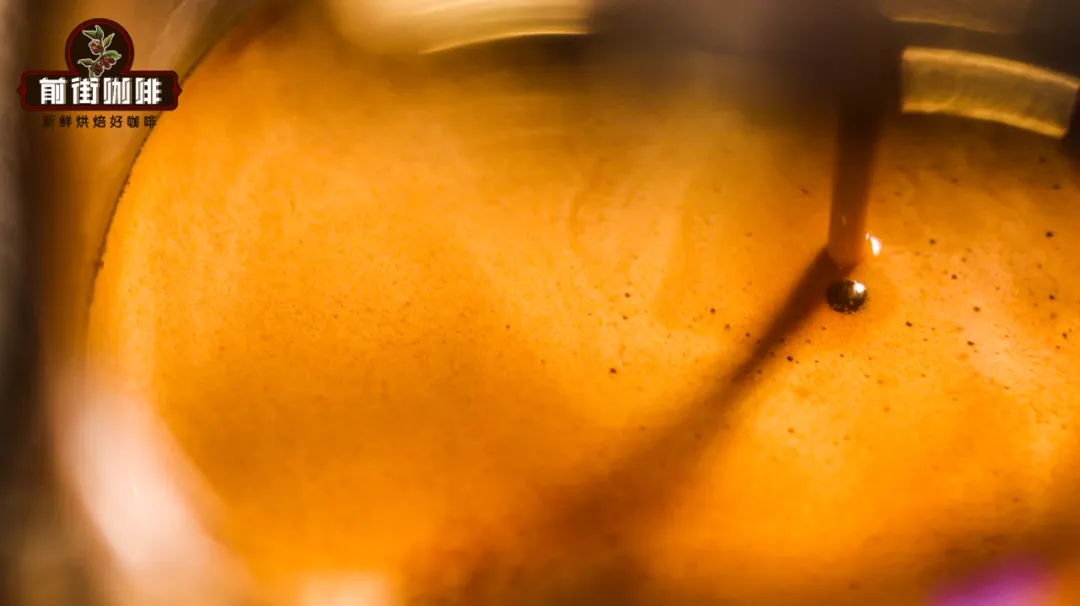
Take the classic blend recipe as an example: common combinations such as Brazilian and Colombian coffee beans. The former provides a rich base and low acidity, while the latter contributes bright fruity and floral notes, resulting in a balanced overall flavor that’s perfect for beginners to experience the diverse layers of espresso. Such blends typically exhibit tones of dark chocolate, caramel, and cocoa. The crema (coffee foam) tends to have a medium to stable thickness, which is not only visually appealing but also an important indicator of extraction status.
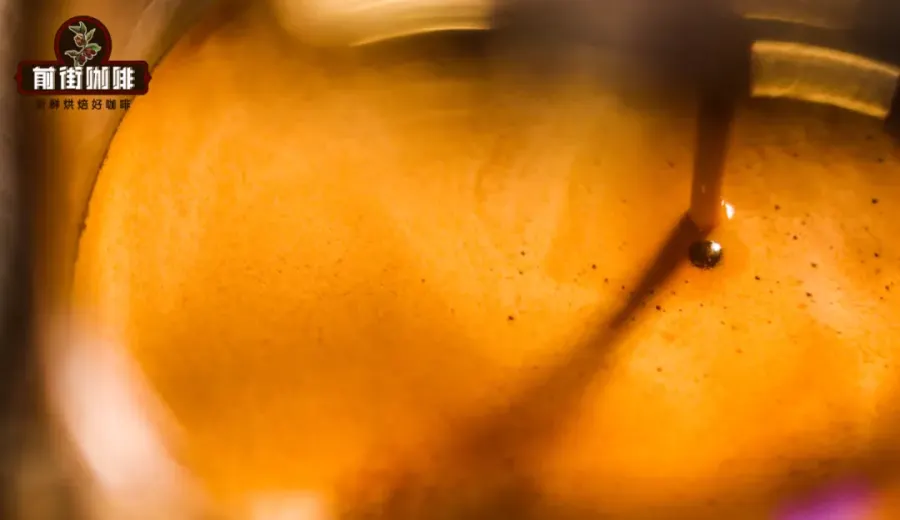
When espresso extraction is complete, you’ll notice a fine layer of golden oil on the surface—that’s what we call crema. This crema mainly forms when high pressure emulsifies carbon dioxide and natural oils from the coffee grounds, trapping tiny coffee particles to create a stable foam structure. It’s worth noting that while the thickness and appearance of crema are often seen as signs of quality, they are actually related to the bean’s roast level, freshness, and variety. For instance, Robusta beans, due to their higher oil content, may produce relatively thick crema even if the beans are of average quality—so crema alone shouldn’t be used to judge the excellence of an espresso.
To taste espresso, it’s recommended to follow a three-step approach: “smell, observe, and sip.” First, bring your nose close to the rim of the cup and take a gentle sniff. A basic espresso often gives off rich notes of nuts and caramel. If the roast is lighter, you might also detect subtle hints of red fruit or floral aromas. This step helps you make an initial judgment about the roast style and the processing characteristics of the beans.
Next comes the observation phase, focusing particularly on the color, evenness, and thickness of the crema.If the crema is pale and thin, it usually indicates under-extraction, which may be due to insufficient coffee dose, low water temperature, or inadequate pressure.Conversely, if the crema is overly dark or even shows black-and-white speckles, it typically means over-extraction, possibly caused by too long an extraction time or excessive pressure.Additionally, if the crema surface has noticeable holes or areas of inconsistent color, it may suggest uneven distribution of the coffee bed, leading to over-extraction in some spots—a phenomenon commonly referred to as “channeling” or “pitting.”
Finally, move on to the tasting phase. It’s best to take three sips: the first to sip the surface crema, experiencing its richness and slight effervescence; the second to mix the crema with the underlying coffee liquid, getting the full flavor profile; and the third to taste the pure coffee liquid, discerning its nuanced layers—such as acidity, nuttiness, caramel sweetness, and a hint of bitterness. This layered tasting approach helps you more comprehensively understand the complex flavors within this small shot of espresso.
Different regions also have their own cultural habits when drinking espresso. Some people like to pair it with a glass of ice water to cleanse the palate before savoring the essence of the espresso; others have the habit of placing a sugar cube on top of the espresso and watching it slowly sink, adding a sense of ritual; many enthusiasts even use it as a base and add steamed milk to create classic Italian coffees like lattes, cappuccinos, and macchiatos. No matter how you enjoy it, espresso demonstrates its endless possibilities as the core flavor.
In summary, the allure of espresso lies not only in its bold flavor but also in its role as a mirror reflecting the essence of the coffee beans and the precision of the extraction technique. By understanding the principles behind crema formation and mastering the skills of observation and tasting, you’ll be able to more deeply appreciate this small yet concentrated form of coffee art. You’ll also develop a sharper eye and refined palate when selecting coffee beans or visiting a café in the future.
The above content is compiled by CoffeeHunters, a coffee news website.


