








Introduction:As China’s primary coffee-growing region, Yunnan has seen increasing attention on its Catimor variety in recent years. But what unique flavors does this “small-bean coffee” possess? What kinds of roasting and brewing methods suit it best? This article explores the flavor profile of Yunnan Catimor by looking into its varietal origins, major growing environments, and washed processing characteristics, offering practical roasting curves and pour over parameters to help you master the brewing essentials of this Asian-origin bean.
With the rise of specialty coffee trends, more consumers are turning their attention to domestic coffee, with Yunnan’s performance being particularly noteworthy. However, many still have doubts about whether “Yunnan coffee actually tastes good.” In reality, the final flavor expression of coffee is the result of an interplay between variety, terroir, processing method, roast level, and brewing technique. This article focuses on the widely planted Catimor variety in Yunnan, helping you understand its origin, traits, and how to bring out its optimal flavor through appropriate roasting and extraction.
The Evolution of Yunnan Coffee Varieties: From Typica to Catimor
When Yunnan coffee is mentioned, many people first think of its “small-bean” trait. In fact, the varieties initially grown in Yunnan were mainly Typica, a classic Arabica originating from Yemen known for its elegant acidity and clear layered structure. However, Typica is weak in resistance to coffee leaf rust and has relatively low yield per unit, gradually being replaced by more commercially viable varieties.
Since the 1990s, driven by international market demand and regional technological transitions, Yunnan growers began large-scale conversion to planting Catimor. This variety is a hybrid developed in 1959 by Portugal’s CIFC coffee leaf rust research center, with parentage from Timor and Caturra. Timor itself contains about 25% Robusta lineage, which gives Catimor advantages such as strong disease resistance, suitability for high-density planting, and high yield per unit.

However, due to this Robusta gene, Catimor generally exhibits a more pronounced herbal note and relatively higher bitterness or astringency, while falling slightly short in fruity complexity and cleanliness compared to pure Arabica. Additionally, its acidity is usually mild, sometimes carrying a hint of plum-like tartness, with an aftertaste akin to the mellow smoothness of black tea.
Major Growing Regions and Microclimates Impacting Flavor
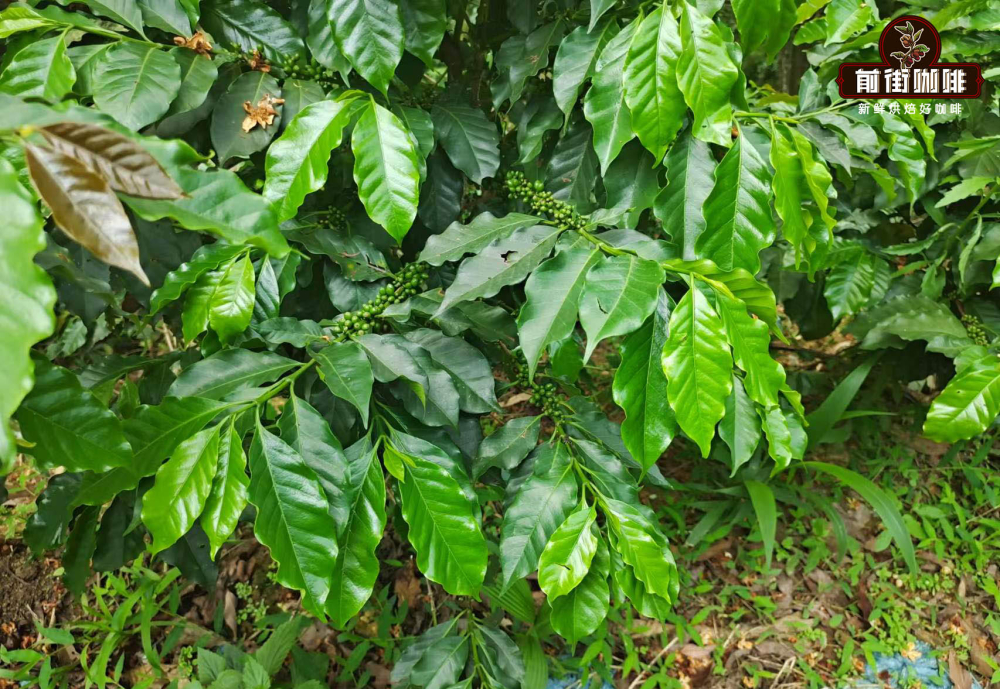
Located south of the Tropic of Cancer, Yunnan features a subtropical plateau mountain climate with moderate year-round temperatures and large diurnal temperature variations. Its mineral-rich plateau soil creates an environment ideal for the growth of small-bean coffee varieties. Based on regional distribution, Pu’er, Dehong, Baoshan, and Lincang are the four main coffee-producing areas in Yunnan.
TakingBaoshanas an example, most of its elevations range around 1100 meters, featuring a dry-hot river valley terrain that is very suitable for the growth of small-bean coffee. This elevation range helps maintain balanced acidity in the coffee, with intense aroma and a rich mouthfeel. It is often rated by international experts as having the potential of Colombian washed beans.
Lincang, due to its geographical and climatic diversity, has become a key development area for many coffee farms and brands. The region not only hosts large-scale nursery bases but also numerous actual planting areas, making it one of the real sources of many of today’s “Yunnan small-bean coffees.”
Washed Processing Method: Key to Clean Acidity and Stable Flavor
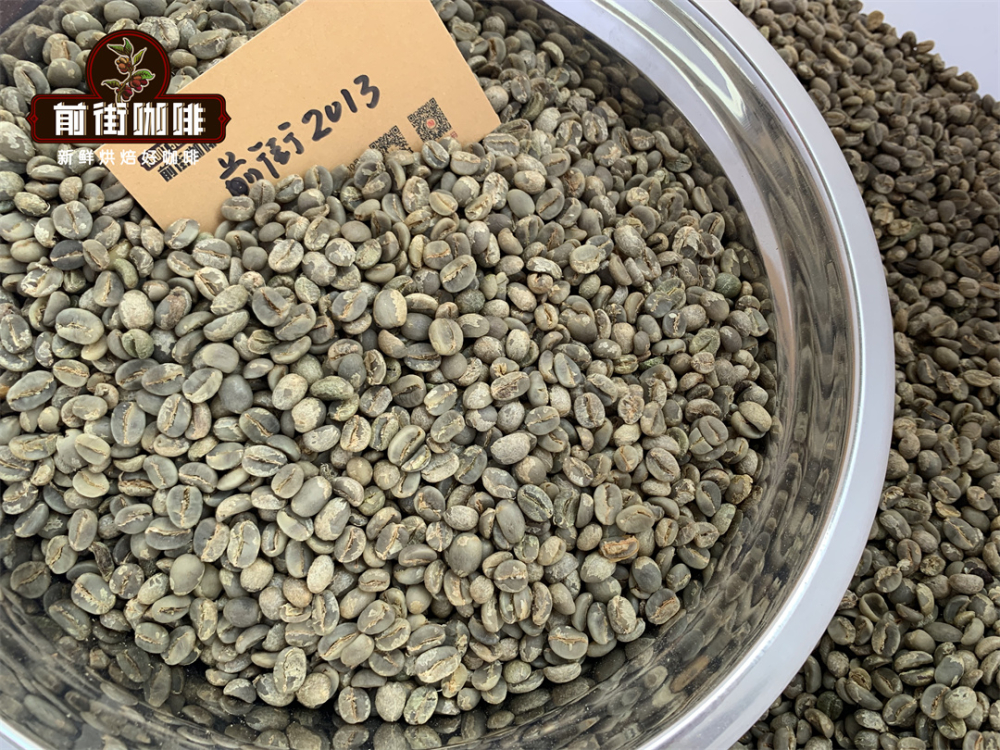
Due to Yunnan’s location in the southwest, where the climate is rainy and humidity is relatively high,washed processinghas become the most mainstream post-harvest method. By removing the pulp layer and fermenting and washing the beans, this method effectively reduces off-flavor interference, resulting in a cleaner, brighter acidity while maintaining good clarity and consistency.
Compared to the risks of overripe fruitiness or unwanted flavors associated with natural sun-drying, washed processing better highlights the intrinsic regional characteristics of the coffee, especially in showcasing nutty, chocolatey, and subtle spicy notes. Many Yunnan coffee farmers and brands have also experimented with microlot processing or innovative fermentation techniques on this foundation, further expanding the flavor spectrum.
Roasting Curve and Parameter Suggestions: How to Highlight Catimor Characteristics?
Given Catimor’s traits, it is recommended to use medium-light to medium roasting to balance its herbal and nutty base while bringing out potential caramel and spice notes. Here is a reference roasting curve:
- Charge at 190°C, with 120 power and fan setting 3
- Turning point is around 1 minute 40 seconds; when the roaster reaches 145°C, adjust fan to 4, keeping power unchanged
- At 166°C, the bean surface turns yellow and grassy notes disappear, entering the main drying phase
- At 188°C, reduce power to 60 and adjust fan to 5
- At approximately 8 minutes 37 seconds, the bean surface shows wrinkles and dark spots, entering the pre-first crack stage—listen carefully for first crack sounds
- First crack begins at 9 minutes 00 seconds; maintain fan setting, continue roasting for about 3 minutes until reaching 198°C for dropping
This curve emphasizes stable development of flavor compounds, avoiding over-roasting that would intensify bitterness and carbonization.
Pour Over Suggestions and Brewing Parameters
To fully express the layered flavors of Yunnan Catimor, it is recommended to usea V60 dripperwith a brew ratio of 1:15, medium grind size (approximately coarse sugar or 75% through a Chinese #20 sieve), and water temperature around 88°C. During brewing, you may employ a pulse pouring technique, maintaining a steady flow rate to highlight its combined notes of nuts, chocolate, subtle spices, and plum-like acidity.
Generally, the peak flavor window for coffee beans is around 4 to 7 days post-roast. It is recommended to use them within this period for the best extraction. If grinding your beans in advance, it is advisable to brew them as soon as possible to avoid oxidation-induced flavor loss.
The above content is compiled by CoffeeHunters, a coffee news website.


