







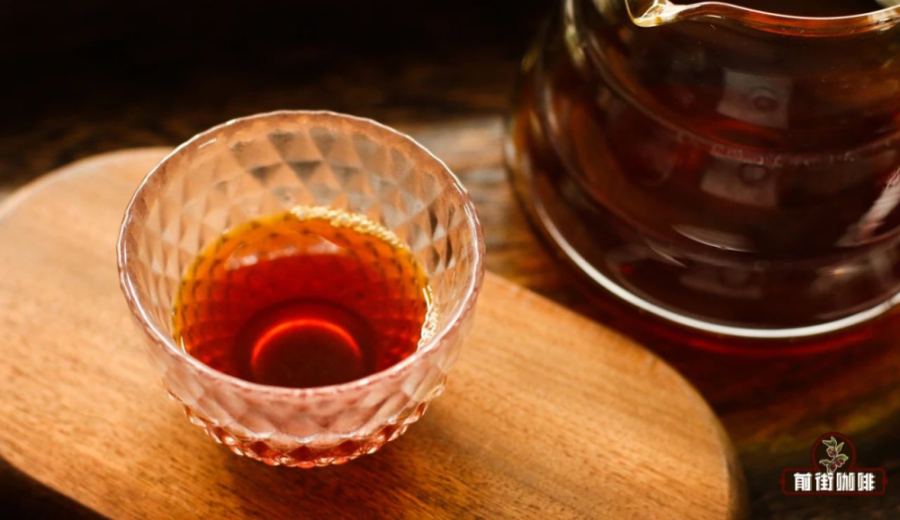
Introduction:As a leading figure in the specialty coffee world, Geisha coffee—whether from Ethiopia’s Gesha Village or Panama’s Hacienda Esmeralda—enjoys extremely high praise and a devoted following. This article delves into the origin background, internal grading, and flavor characteristics of Gesha Village’s Red Label Natural Gori Geisha, and compares it with Panama’s Red Label Geisha to help readers understand the differences between the two. Additionally, it provides practical pour over parameters and a three-stage pouring technique to fully showcase the floral-fruity notes and honey-like sweetness of Geisha.
Geisha (Gesha) coffee holds a lofty status in the specialty coffee world and is considered a legendary variety on par with Blue Mountain. Among them, Ethiopia’s Gesha Village Estate and Panama’s Hacienda Esmeralda are regarded as the two flagship producing regions for Geisha coffee. This article takes Gesha Village’s Red Label Natural Gori Geisha as the starting point to take you in-depth into its estate origins, varietal grading, and flavor profile, while also comparing the differences in appearance and taste between Ethiopian and Panamanian Red Label Geisha to give you a more comprehensive grasp of this star coffee’s qualities.
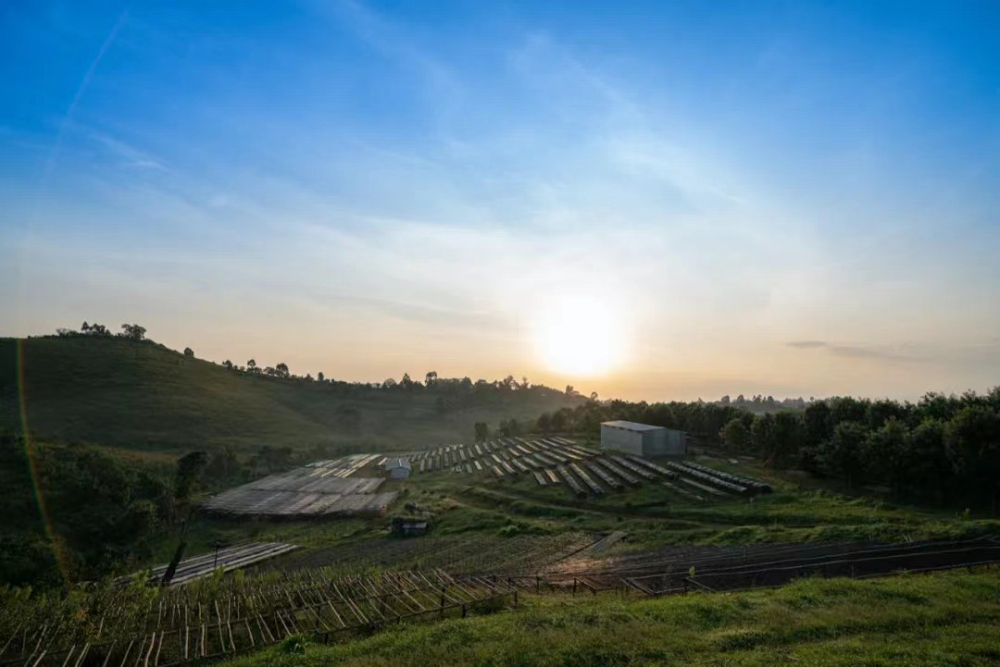
 The birth of Gesha Village Estate stems from an accidental opportunity encountered by a couple—documentary filmmaker Adam Overton and his wife Rachel Samuel. At that time, they were invited to shoot a coffee-themed documentary for the Ethiopian government. During their visit to the Gera Coffee Forest in the Bench-Maji region, they were deeply attracted by the local natural environment and the potential of coffee, which sparked the idea of creating their own coffee brand. Later, they exchanged ideas with Willem Boot, the person in charge of the renowned Mule Mountain Estate in Panama, and learned about local planting and management techniques. Ultimately, they chose the Geisha variety and established “Gesha Village Estate” in the Bench-Maji region.
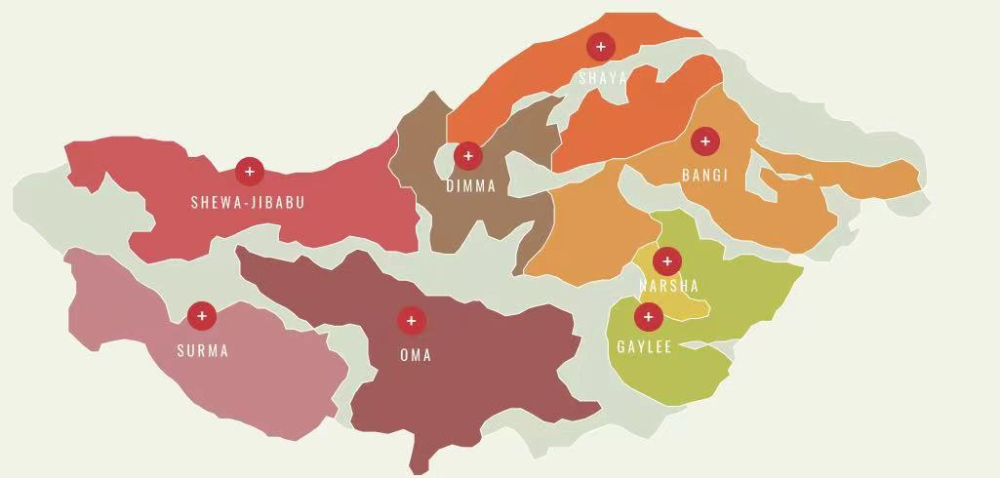
Spanning an impressive 471 hectares, Gesha Village Estate has expanded its planting area to approximately 320 hectares by 2017 since starting cultivation in 2011, making it one of the largest Geisha-growing regions in the world. To refine flavor management, the estate is divided into 8 major blocks, with rigorous plot and varietal management in place. The main varieties planted include Gori Gesha, Gesha 1931, and the native Ethiopian disease-resistant variety Illubabor.
 In terms of product grading, Gesha Village has established five main tiers: Auction, Gold Label, Red Label, Green Label, and Chaka lots. Among them,Auction Lotsaccount for only 3.7% of annual production and are top-tier coffees selected through multiple layers of screening. They are only available through the global auctions held each year, with cupping scores generally ranging between 88.15 and 92.67. These are further subdivided into Champion Selection and Estate Selection categories.Gold Label Lotsmake up about 5% and are the top choice for competition participants and high-end roasters. They offer complex flavors with strong recognizability, and their quality is only second to the Auction grade.Red Label Lotsfeature full traceability to specific producing areas and lots, showcasing the classic flavors of Gesha Village. Though slightly less intense and layered than the Gold Label, they offer excellent value for money and are a top choice for many coffee enthusiasts.
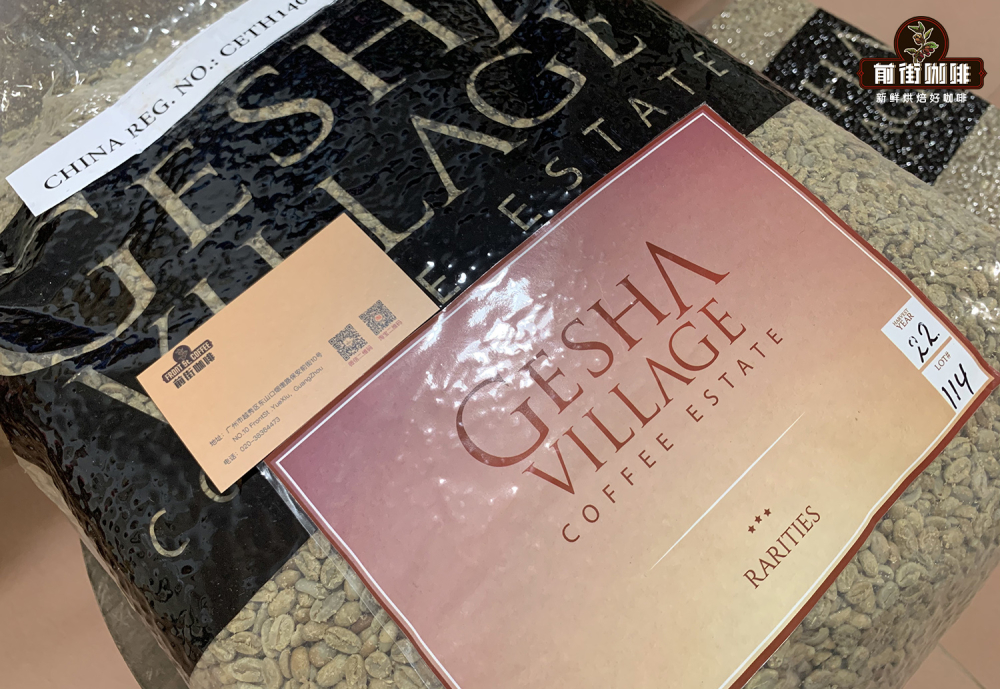
Additionally,Green Label Lotscome from single plots and varietals, with flavors slightly simpler than the Red Label but still representative;Chaka Lotsare a blend of three varietals: Gori Gesha, Gesha 1931, and Illubabor, delivering a diverse yet harmonious taste profile. The one introduced here is Gesha Village’s Red Label Natural Gori Geisha, a single-origin bean with outstanding cost-performance, clear traceability, and distinct Gesha Village flavors.
Compared to Ethiopia’s Gesha Village, Panama’s Hacienda Esmeralda is also a key producing region for Geisha coffee. The product line of Hacienda Esmeralda is divided into Red Label, Green Label, and Blue Label, with the Blue Label series having been discontinued since 2021. The Emerald Select Series (Red Label) is the highest grade, sourced from specific small plots at altitudes of 1600–1800 meters. Each lot must achieve a cupping score of 90 or above and has an independent lot number—for example, the used Jaramillo plot can showcase subtly differentiated flavors. The Green Label (Private Collection) is a blend of multiple plots, emphasizing the common traits of high-altitude Geisha overall, suitable for drinkers who prefer a consistent style.
Comparing the physical appearance of green beans, Panamanian Red Label Geisha beans are noticeably larger, long and pointed, with plump bodies; in contrast, Ethiopian Red Label Geisha beans are smaller, more regularly shaped but not as slender as the Panamanian ones. In terms of flavor, both offer high-quality acidity and floral notes, but each presents uniquely. Panamanian Geisha is known for its jasmine aroma, citrus or berry tones, and intense honey-like sweetness, with an overall soft and balanced mouthfeel; Ethiopian Geisha displays a rich juiciness, especially famous for the explosive burst of citrus fruit flavors, with a bolder, more vivid impression often described as “explosive fruit.”
 To fully present the unique flavors of Geisha coffee, the brewing method is crucial. Below is a proven-effective pour over recipe suitable for Gesha Village’s Red Label Natural Gori Geisha. It is recommended to use 15 grams of coffee grounds with a Hario V60 small filter. Since Geisha beans are hard and tend to sink and clog the filter holes, it is suggested to adjust the grind size to slightly coarser, with a 20-mesh sieve passing rate of about 78% being ideal, which helps improve flow rate and extraction evenness.
The recommended powder-to-water ratio is set at 1:16, meaning 15 grams of coffee grounds to 240 milliliters of water, keeping the coffee concentration within the 1.15%–1.25% range, which helps highlight the clarity of flavors. Water temperature is advised to be maintained at 91°C, which can fully bring out the floral and fruity aromas without over-extracting and causing bitterness due to excessively high temperatures.
For the brewing process, it is recommended to use a three-stage pouring technique: First, pour 25 milliliters of hot water for blooming for about 30 seconds. Do not use too much water at this stage to avoid affecting subsequent extraction. When blooming, start from the center and slowly circle outward, moving gently to evenly wet the coffee grounds. After blooming, move on to the main extraction phase. The second stage involves pouring 120 milliliters of water using a “spiral” motion, pouring from the inside out to lift the coffee bed, taking about 1 minute to complete. Then wait for the water level to naturally drop, usually around 1 minute 10 seconds to 1 minute 15 seconds until it reaches half the height of the filter, forming a “bowl-shaped” water surface. The final stage involves pouring 90 milliliters of water, covering about 1/2 of the circle, taking about 1 minute 35 seconds to finish pouring. The total brewing time is about 2 minutes to 2 minutes 5 seconds.
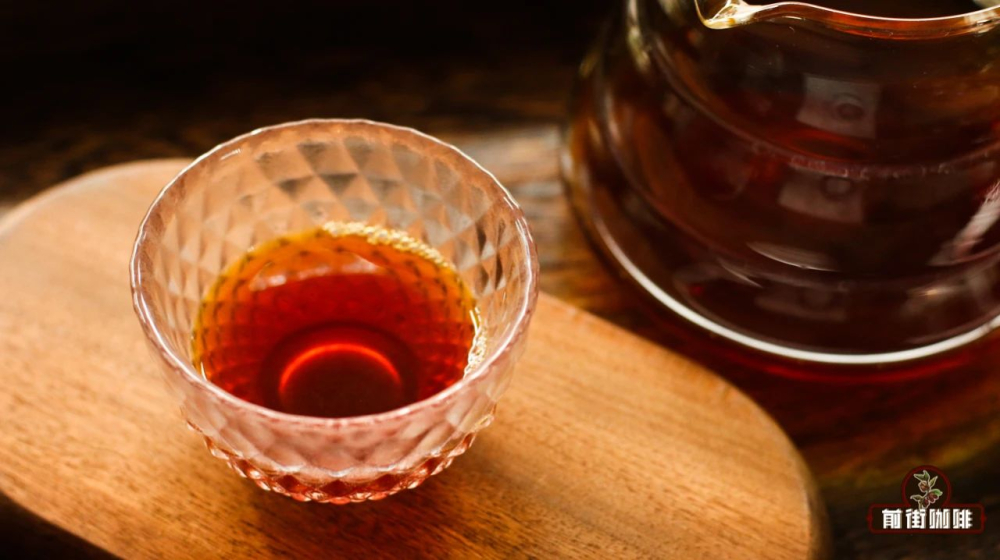
This brewing method effectively highlights the delicate floral and fruity aromas of Geisha coffee, enhances the sweet honey-like aftertaste, and delivers a smooth mouthfeel with distinct layers. It is highly suitable for coffee lovers who enjoy a combination of fruity notes and sweetness.
The above content is compiled by CoffeeHunters, a coffee news website.


