







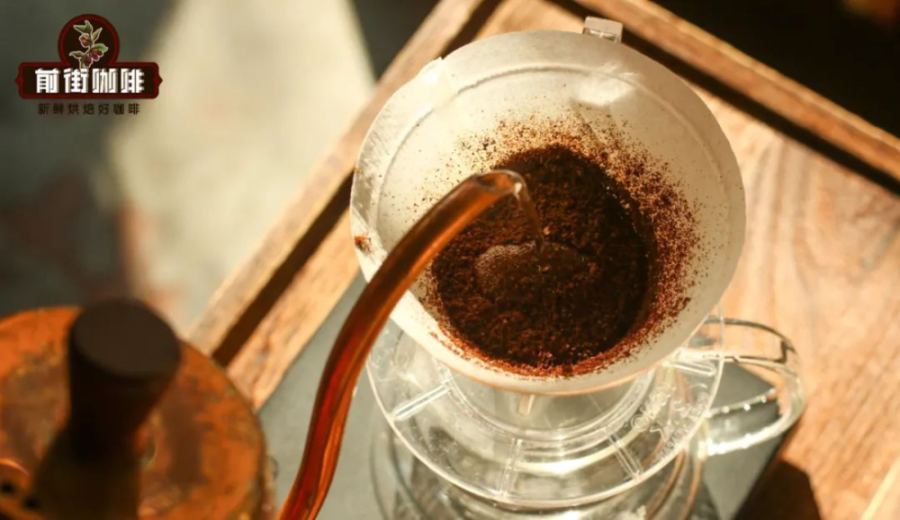
Introduction:Steaming (blooming) is a crucial yet often overlooked step in pour over brewing. But do you really understand its purpose? This article delves into the two core functions of steaming—degassing and saturation—to help you master how to adjust blooming time based on the freshness of your coffee beans. By optimizing this step, you can not only improve the evenness of extraction but also unlock richer aromas and flavors, making every pour over cup even better.
In the pour over process, steaming may seem simple, but it’s a key factor that affects overall extraction quality. Most coffee enthusiasts begin brewing by pouring roughly twice the weight of the coffee grounds in water and letting it sit for about thirty seconds. What critical roles does this step actually serve? We’ll break it down from the two core aspects—degassing and saturation—and explain in detail why steaming matters. We’ll also provide tips on adjusting blooming time according to the freshness level of your beans, helping you control each stage precisely to brew coffee with full flavor and distinct layers.
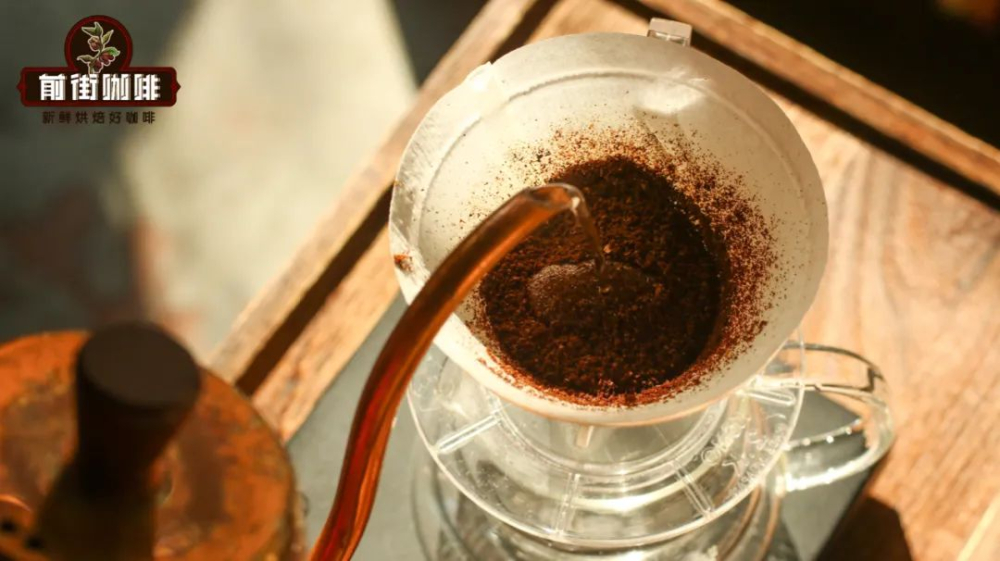
A common practice is to pour hot water equal to about twice the weight of the coffee grounds before the actual extraction, then let the grounds rest for around thirty seconds. This step is almost a fixed part of the pour over routine because proper steaming helps you easily brew a well-balanced, flavorful cup.




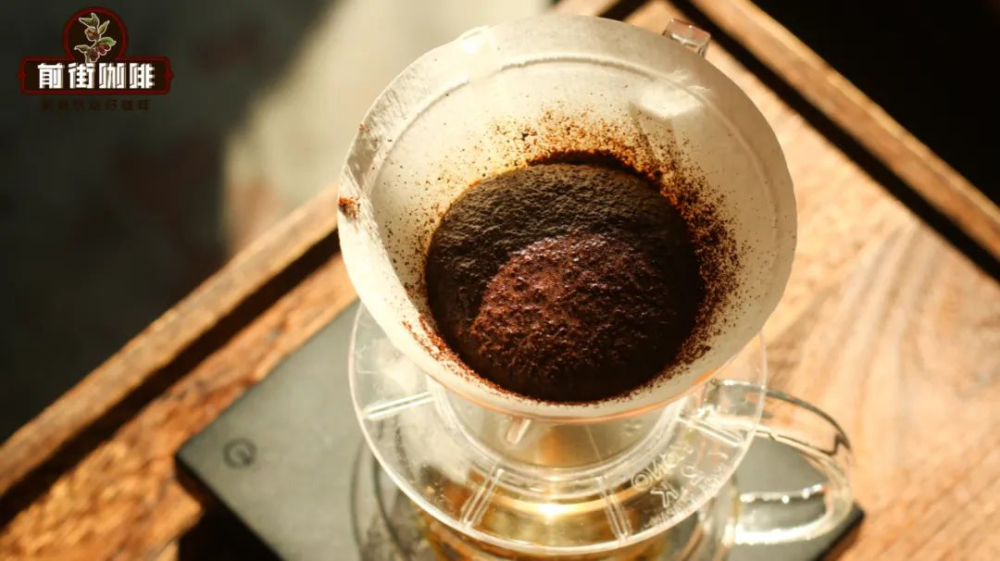
First, one of the main purposes of steaming is degassing. Freshly roasted coffee beans contain a large amount of carbon dioxide. If this gas isn’t properly released, the subsequent hot water will have difficulty penetrating evenly, leading to insufficient extraction of flavor compounds. Typically, around thirty seconds of steaming is suitable for most fresh coffee beans. However, if you’re using beans with a very recent roast date, the carbon dioxide content may be higher. In such cases, you might consider extending the steaming time by about five seconds to allow more gas to escape, which helps the following hot water dissolve aromatic components more effectively. On the other hand, for beans that have been stored for some time and are less fresh, since their internal carbon dioxide levels are lower, you can slightly reduce the steaming time—usually by about five seconds—based on how wet the coffee bed appears.
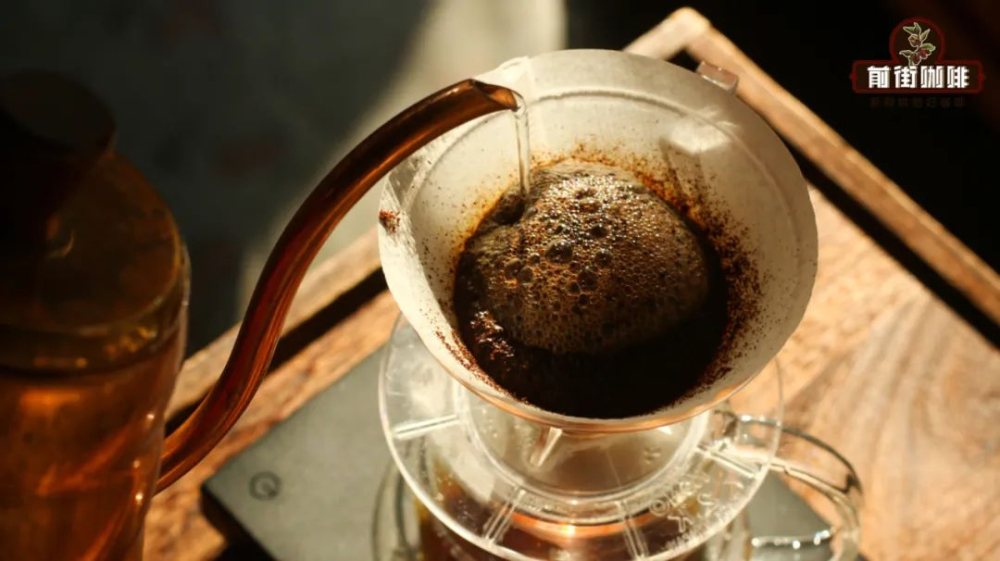
Secondly, another important role of steaming is saturation. This process helps establish good contact between coffee particles, reducing uneven extraction caused by inconsistent water flow paths during the later stages. However, it’s important to note that while saturation aids in even extraction, its primary goal is still to assist with degassing and lay the foundation for the actual brewing phase. Therefore, during the steaming stage, we should try to control the amount of water poured, avoiding extracting too many flavor compounds at this point—since the coffee hasn’t fully degassed yet, and the extraction efficiency of the hot water is relatively low. Managing the water volume properly not only improves the stability of the entire extraction process but also ensures that flavor compounds are more fully released in the subsequent steps.
The above content is compiled by CoffeeHunters, a coffee news website.


