







Introduction:Geisha coffee is hailed as the pinnacle of specialty coffee, beloved by coffee enthusiasts worldwide for its unique floral and fruity aromas and bright acidity. This article will take you through how Geisha rose to prominence from Hacienda La Esmeralda in Panama, explain the differences between Red Label and Green Label, and provide practical V60 pour over parameters to help you brew Geisha at home with a quality close to that of auction-grade beans.
Geisha, also known as Gesha, is widely recognized as the top variety in the specialty coffee industry today, celebrated for its delicate floral notes, vibrant fruit acidity, and multi-layered fruit flavor profile. This coffee variety, originally from Ethiopia, was rediscovered in Panama’s Hacienda La Esmeralda, forever altering the evaluation system of specialty coffee. This article will delve into the origin and development of Geisha, analyze the reasons behind its high price, and detail the differences between the two major grades — Red Label and Green Label. It will also offer suitable V60 three-stage pour over parameters for home brewing, allowing you to experience this elegant coffee reminiscent of floral fruit tea.
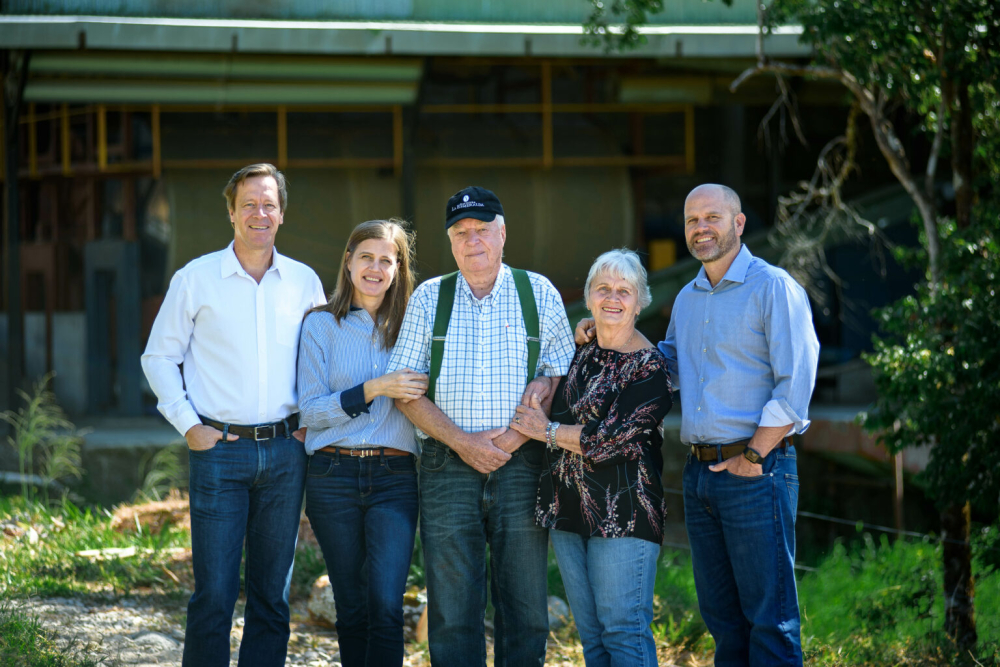
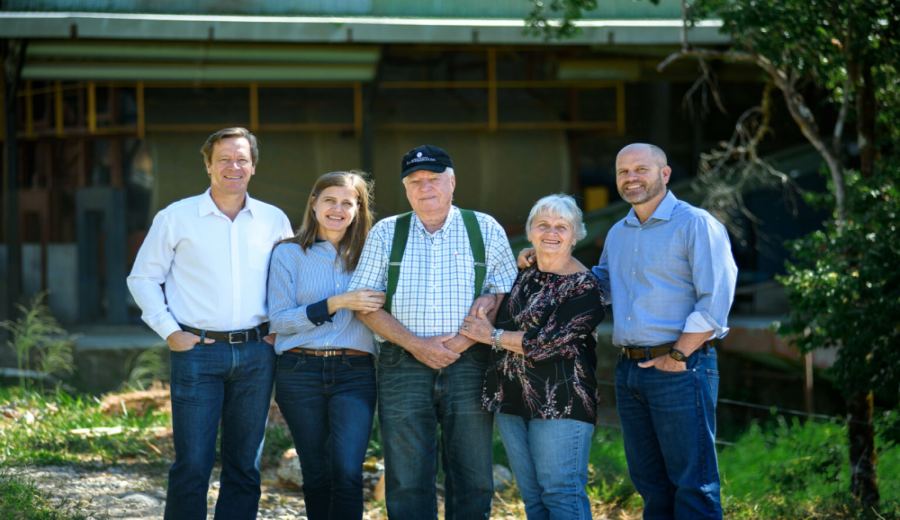
The rise of Hacienda La Esmeralda’s Geisha to the ranks of the world’s top coffees stems from a twist of historical fate. In the late 1980s, Swedish-born banker Rudolph A. Peterson purchased Finca La Esmeralda in Panama, which was originally used for livestock and dairy production. Starting in 1987, the farm began planting Caturra and Catuai varieties and was officially renamed Hacienda La Esmeralda. In 1994, the farm established a washed processing plant and gradually built up a professional coffee production system.
In 1997, the third-generation owner, Daniel Peterson, took over management just as the specialty coffee movement was gaining momentum. He learned cupping techniques and conducted the first systematic cupping of the Geisha variety in 2003, classifying and managing different plants according to altitude. By 2004, the farm submitted a batch of Geisha that exhibited intense floral notes and clear fruit acidity to the “Best of Panama (BOP)” competition, where it achieved astonishingly high scores and stood out from the rest — marking the beginning of the Geisha craze.
What makes Geisha so widely acclaimed is its distinctly different flavor profile. Unlike traditional dark roasted coffee, which is heavy and bitter, Geisha offers a refreshing, floral tea-like character with rich layers of fruit aroma. Whether it's white peach, lemon, jasmine, or tropical fruits like mango and passionfruit, surprising aromatic combinations may emerge in the cup. As temperature changes, the balance of acidity and sweetness along with the delicate aftertaste leave a lasting impression — a key reason why it's hailed as the “finest artwork in the coffee world.”
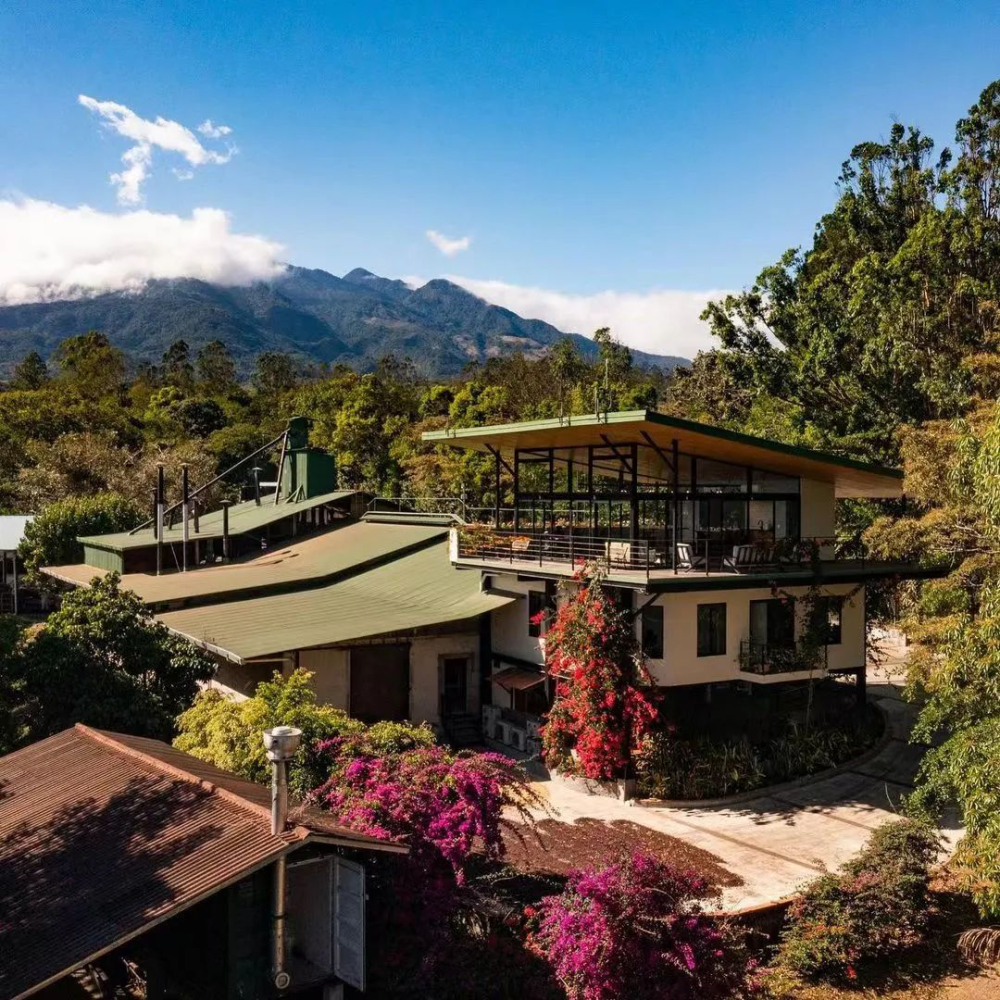
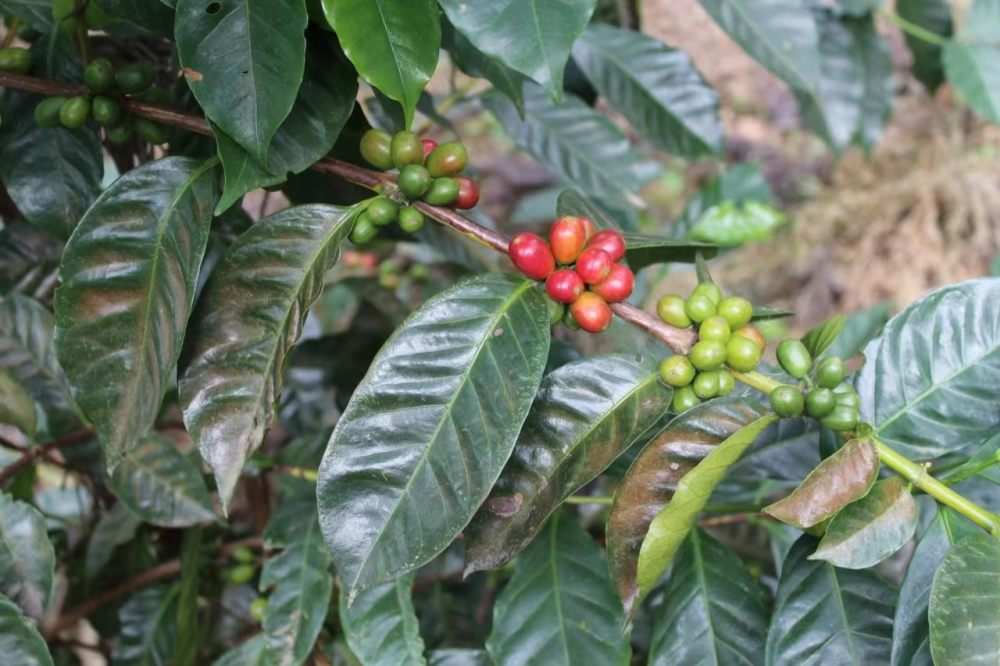
However, the high price of Geisha is not solely due to its exceptional flavor. Compared to other common Arabica varieties, Geisha has extremely low yields and is very particular about its growing environment. It prefers high altitudes, nutrient-rich fertile soil, and shaded conditions to avoid direct sunlight. Geisha has thinner leaves, lower photosynthesis efficiency, and fragile roots that absorb water and nutrients slowly, resulting in individual plant yields only about half that of Caturra. Moreover, the climate at high altitudes extends the fruit ripening period, further limiting output. Panama’s national annual coffee production is around 10,000 metric tons, while Hacienda La Esmeralda produces only about 150 bags (approximately 9,000 kg) of green coffee beans annually, of which Geisha accounts for just around 3% — roughly 270 kg — making it extremely rare.
For first-time Geisha drinkers, a common question is: why is it so expensive? The answer lies in its unique terroir, extremely low yield, and the market’s high regard for its flavor. Two popular Geisha products under Hacienda La Esmeralda — “Red Label” and “Green Label” — have become go-to choices for many coffee lovers wanting to experience Geisha.
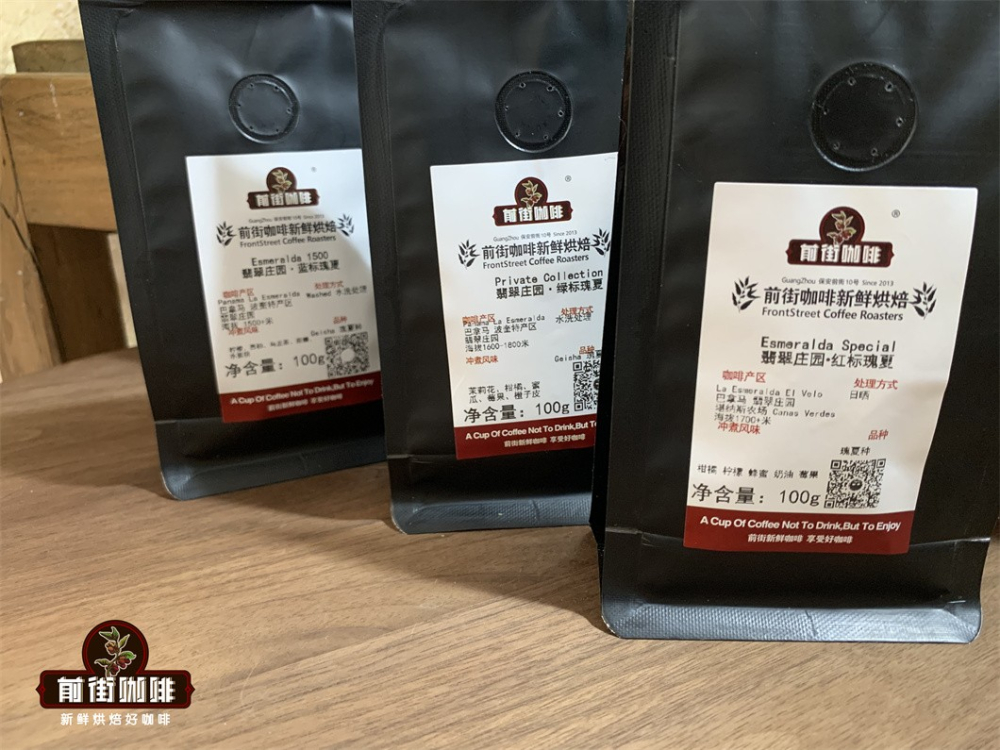
Red Label Geisha, officially known as ESMERALDA SPECIAL, includes auction lots and is the highest grade of Geisha available. These beans are grown at altitudes between 1600 and 1800 meters, usually score over 90 in cupping tests, and primarily come from the Jaramillo and Cañas Verdes farms. Among them, auction lots are divided by plot, each with an independent number representing the complete harvest from a specific field — for example, the famous Mario plot of the Jaramillo farm. Most Red Label Geisha on the market is processed using the natural method, giving it more intense tropical fruit and floral characteristics.
Green Label Geisha belongs to the PRIVATE COLLECTION grade, does not participate in auctions, and is selected from micro-lots at similar altitudes but without specified sub-plots. Common flavor notes include lemon, berries, pomelo, and the fresh taste of Tieguanyin tea. The processing method is mostly washed, offering a cleaner and more straightforward flavor profile while still retaining Geisha’s signature layers and aftertaste.
Since Geisha features bright acidity and floral-fruit notes, it is recommended to use medium-light roasting to preserve its delicate acidity and fruity qualities. For brewing, using a Hario V60 with a three-stage pouring method can effectively highlight its layers. Suggested parameters are as follows: use a grind size similar to granulated sugar (approximately 80% passing through a 20-mesh sieve), 15 grams of coffee, water temperature controlled at 91–92°C, a 1:16 coffee-to-water ratio, and a total water volume of 240 grams.
The specific steps are: start with a 30-second bloom using 30 grams of water to initiate extraction; the second stage adds 120 grams of water, reaching around 55 seconds, lifting the coffee bed to promote even extraction; the final stage adds 90 grams of water, slowly bringing the total to 240 grams, with the overall extraction time around 2 minutes and 10 seconds. This parameter setup helps balance the acidity and sweetness, enhances aroma expression, and showcases the delicate aftertaste of Geisha.
In summary, Red Label Geisha often presents intense aromas of roses, mangoes, and other tropical fruits, with a silky-smooth mouthfeel akin to the experience of drinking floral fruit tea; whereas Green Label focuses on refreshing notes of lemon, berries, and subtle tea-like flavors, with bright yet non-harsh acidity and a long-lasting aftertaste. Whether it’s auction-grade Red Label or carefully selected Green Label, both allow you to deeply appreciate the unique charm of Geisha as the pinnacle of specialty coffee.
The above content is compiled by CoffeeHunters, a coffee news website.


