







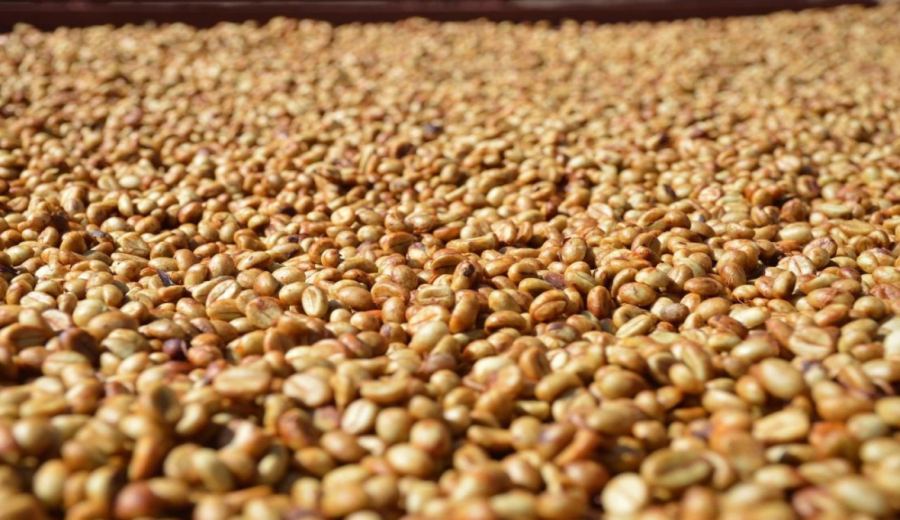
Introduction:Costa Rican honey-processed coffee beans are renowned for their diverse methods of mucilage retention. The differences between yellow honey, red honey, and black honey are not only reflected in appearance and drying techniques but also directly influence flavor profiles. This article delves into the core characteristics of the three main types of honey processing, explores the unique terroir of the Tarrazú region, and provides practical roasting and pour over recommendations to help coffee enthusiasts fully appreciate the charm of honey-processed beans from beginner to advanced levels.
Honey-processed (Honey Process) coffee beans from Costa Rica, with their distinctive sweetness and fruity aromas, have long been a focal point for specialty coffee enthusiasts. Among them, the three processing methods—yellow honey, red honey, and black honey—create distinctly different flavor profiles due to the varying proportions of mucilage retained after depulping. Understanding their differences allows you to more precisely select beans that match your taste preferences.
Processing Differences: Yellow Honey, Red Honey, Black Honey
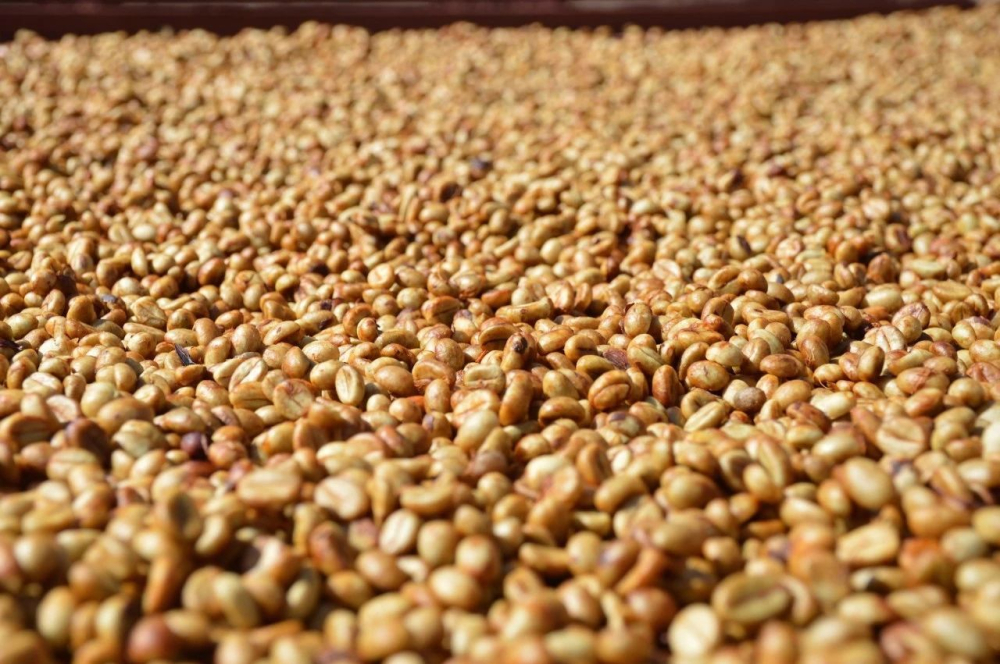
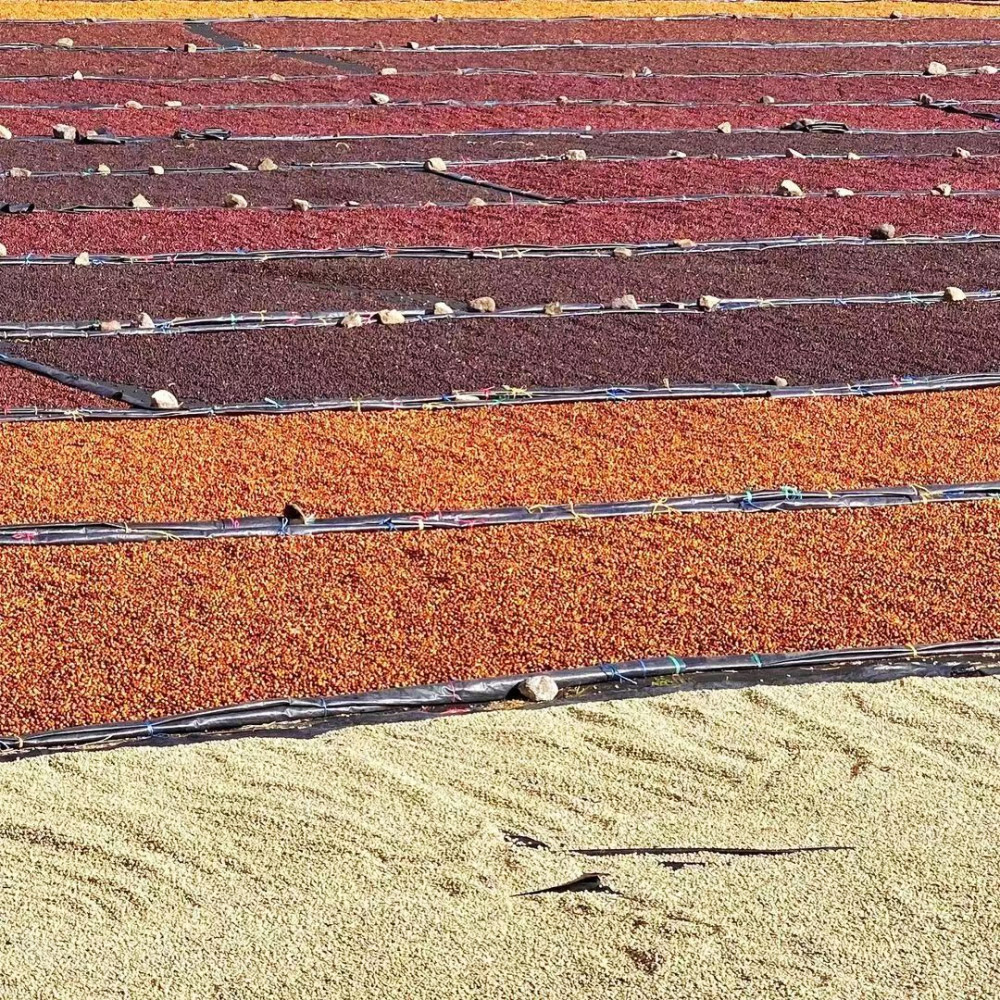
In Costa Rica, coffee farmers classify honey-processed beans into three grades—yellow honey, red honey, and black honey—based on the amount of mucilage retained. Yellow honey retains approximately 25% of the mucilage. With less mucilage, the drying process is faster, typically carried out in sunny environments with minimal shade, resulting in beans with a yellowish hue after drying. Red honey retains about 50% of the mucilage, requiring a longer drying time and moderate shading to avoid over-fermentation, with an overall reddish color. Black honey retains nearly 100% of the mucilage layer. To control fermentation and prevent excessive oxidation, farmers extend the drying time using covering methods, making it the slowest-drying and most flavor-intense of the three.
Which Honey Process Is Best? Flavor and Challenges Coexist
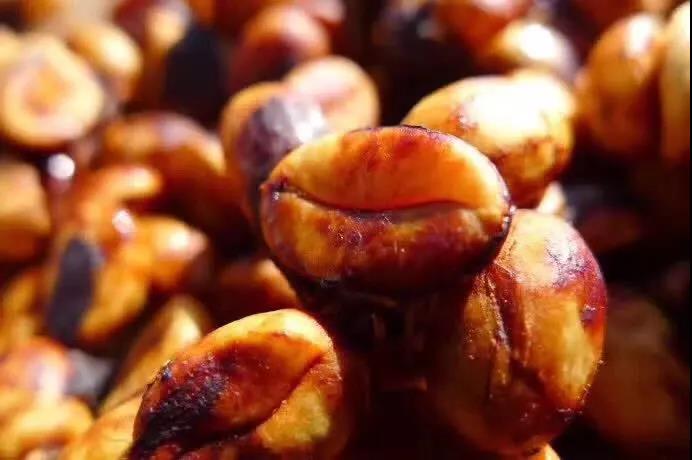
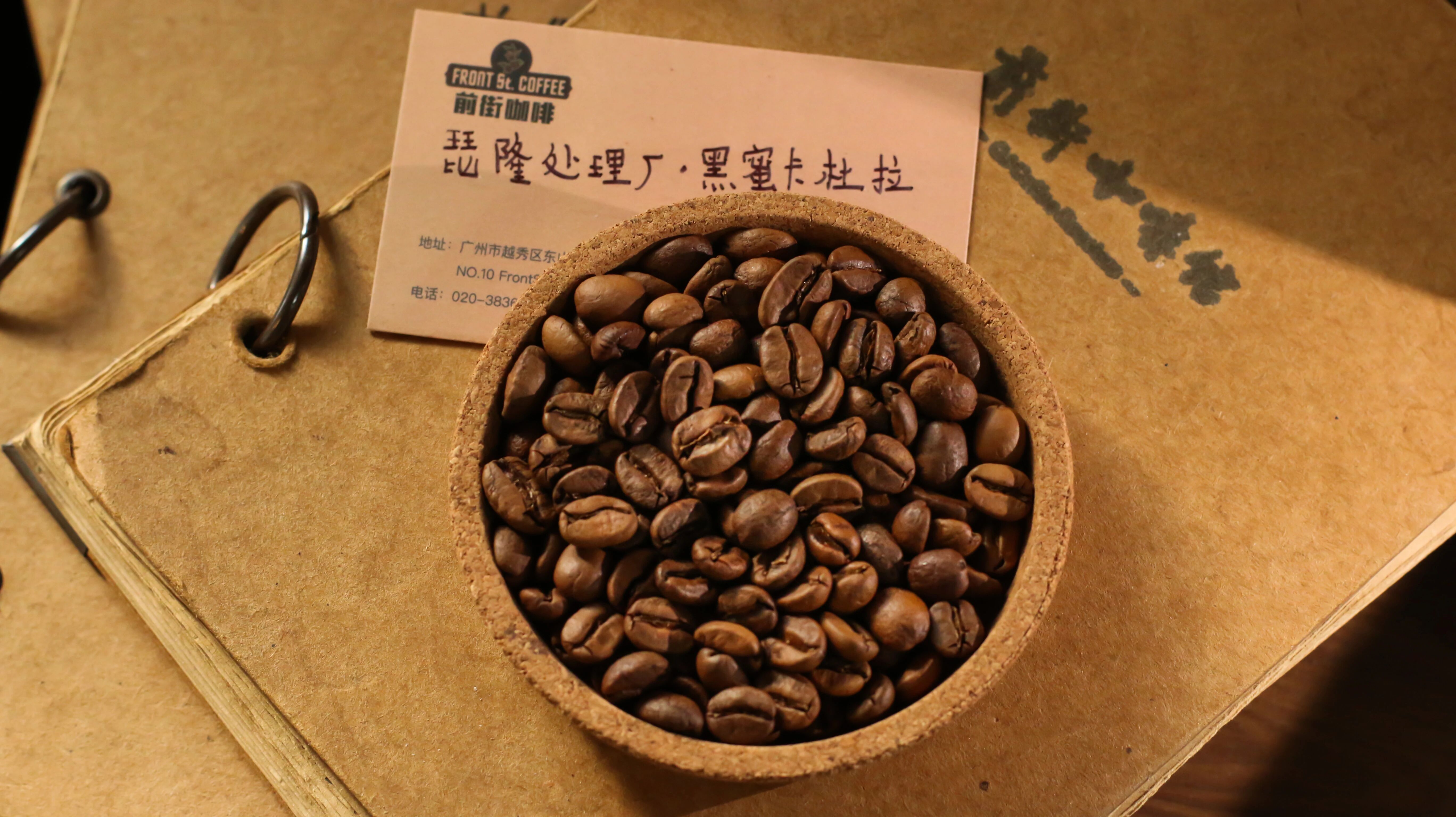
In terms of flavor performance,black honey-processed coffee beans typically exhibit the richest and most complex fruitiness and sweetness.This is because the natural sugars in the mucilage, through prolonged sun fermentation, develop a more layered profile. For example, a certain brand’s Blackberry variety—grown at high altitudes in Costa Rica and made from the Caturra cultivar—is a quintessential representation of black honey processing. Its flavor profile includes intense notes of raisin, pineapple, mulberry, and black plum, making it ideal for coffee connoisseurs seeking depth. However, black honey processing also comes with challenges: the prolonged sun exposure and high-mucilage environment are prone to mold, demanding higher technical skill and labor input from farmers. Additionally, the required turning frequency and space far exceed those of yellow honey processing, naturally increasing costs and risks.
Tarrazú Region: The Heart of Costa Rica’s Specialty Coffee
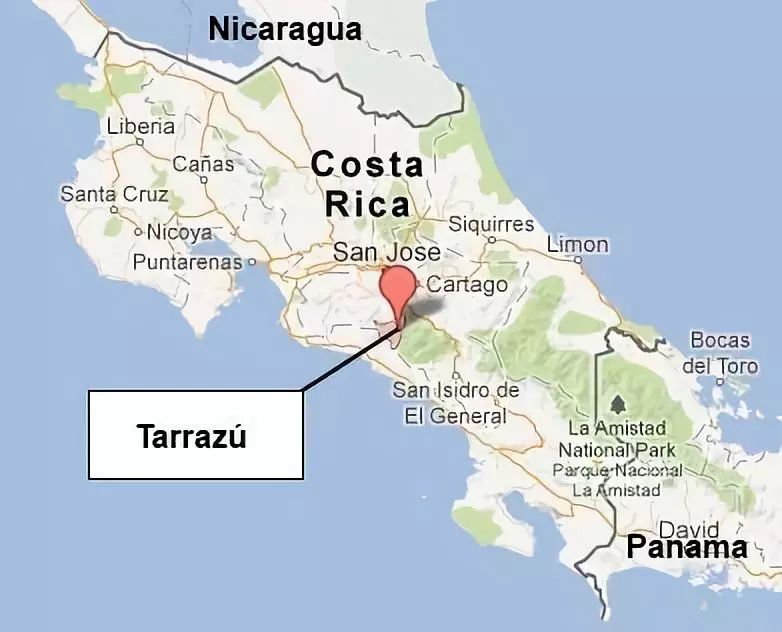
When discussing Costa Rica’s honey-processed coffee, the Tarrazú region cannot be overlooked. Located southwest of the capital, San José, this area is famed for producing ‘Strictly Hard Bean’ (SHB) coffee—beans grown at elevations above 1200 meters—known for their bright acidity, rich citrus, and berry aromas, earning high praise in the international market.Tarrazú’s volcanic soil is fertile and well-draining, and the high altitude creates significant day-night temperature variations, resulting in more concentrated and complex flavors in the coffee beans.。
La Minita Tarrazú, produced in Tarrazú, is one of the region’s most iconic micro-lot coffees. Though its annual production is only about 72,600 kilograms, the beans are hand-picked, grown without chemical fertilizers or pesticides, and meticulously sorted, making it a standout in the specialty coffee market. Additionally, brands such as Juan Vinas, H.Tournon, and Santa Rosa also hail from Tarrazú or its surrounding areas, each offering distinct flavor profiles.
The Principles and Characteristics of Honey Processing
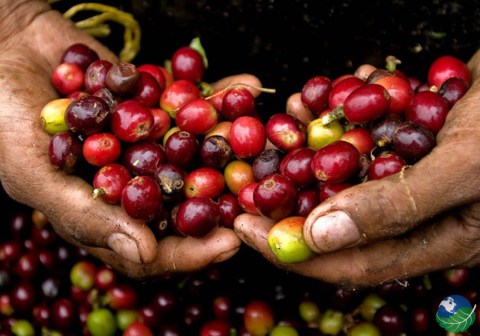
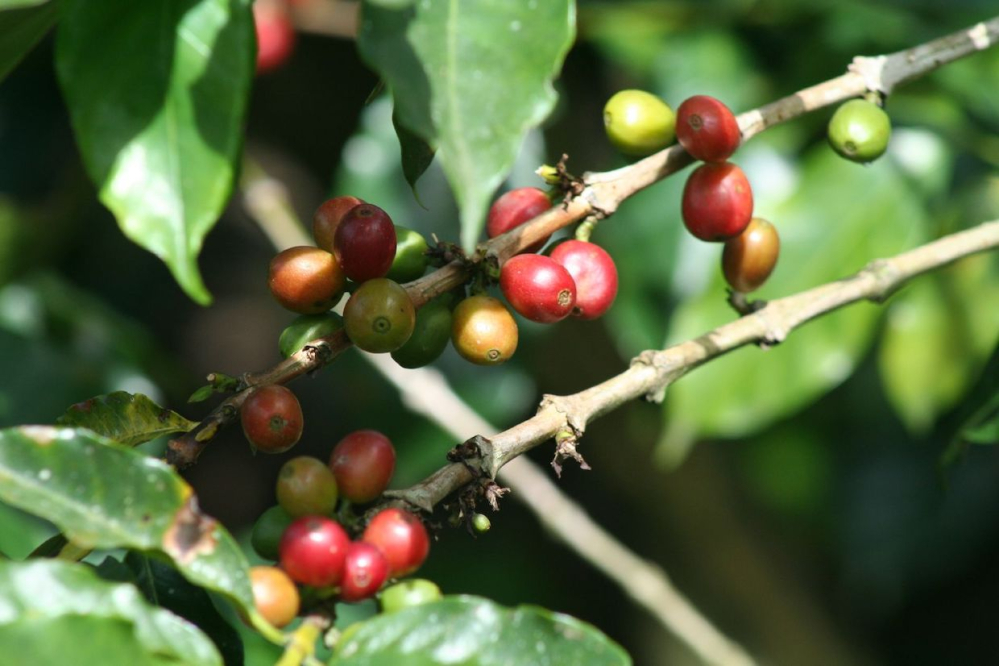
Honey processing is a water-efficient method that emphasizes sweetness. The basic process involves removing the outer skin and pulp of the coffee cherry butretaining the mucilage layer, which contains sugars and enzymes.The beans are then sun-dried on raised beds. This approach not only reduces water consumption but also imparts a natural sweetness and full-bodied mouthfeel to the coffee. Variations in honey processing techniques and drying strategies across regions further influence the final flavor profile.
Brand Recommendation: Practical Roasting and Pour Over Parameters
Take the Finca Sumava de Lourdes’ Caturra black honey-processed beans from western Costa Rica, grown at 1700 meters, as an example. This lot boasts prominent flavors of brown sugar, floral notes, citrus, and grapefruit, with a pronounced sweetness and rounded body. For roasting, it is recommended to use a Yangjia 800N roaster, loading at 200°C, maintaining a stable temperature ramp, and dropping the beans at 193.4°C to fully highlight the black honey beans’ richness and sweet aroma. For pour over, use a V60 filter, brewing 16 grams of coffee with 32 grams of water for a 30-second bloom, followed by extraction at 90°C with medium-fine grind (approximately small Fuji 3.5), using a total of 233 grams of water over 2 minutes and 15 seconds. This method perfectly showcases the sun-dried sweetness and layered fruitiness.
Conclusion: Find Your Ideal Honey-Processed Flavor
From the refreshing sweetness of yellow honey, the balanced fruitiness of red honey, to the rich complexity of black honey, Costa Rica’s honey-processed coffee beans offer a diverse range of options. Whether you’re a beginner or a coffee enthusiast chasing ultimate flavor, understanding the processing method, regional characteristics, and practical brewing tips can help you find your perfect match. Premium lots from renowned regions like Tarrazú are especially worth savoring in detail.
The above content is compiled by CoffeeHunters, a coffee news website.


