







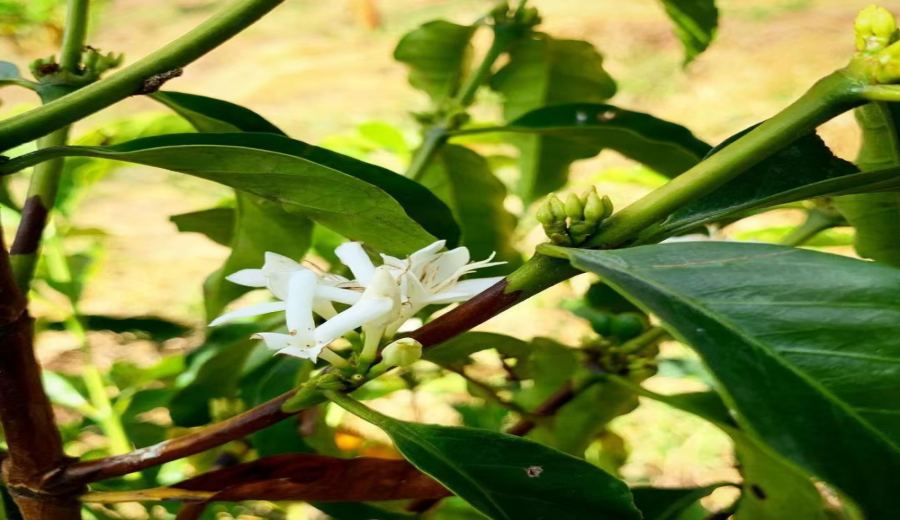
Introduction:Geisha and Gesha are often mistakenly thought to be different coffee varieties, but in fact they are the same top-tier coffee bean from Ethiopia. Originally grown as windbreaks, these beans gained fame after the Peterson family of Panama’s Hacienda La Esmeralda recognized their potential and won the cupping competition championship in 2004. This article delves into the origin of the Geisha variety, its green bean characteristics, roasting recommendations, and cupping flavors to help coffee enthusiasts gain a more comprehensive understanding of this legendary coffee.
Many people wonder: are Gesha and Geisha actually the same coffee bean? In truth, they are just different Chinese translations for the same coffee variety. This coffee, originating from Ethiopia’s Geisha Mountain, got its name due to its similarity to the Japanese term for traditional performers. Originally cultivated in Africa, it was later introduced to Costa Rica and then brought to Panama. Initially, it was only used as a windbreak, produced in small quantities and largely overlooked. It wasn’t until the Peterson family of Panama’s Hacienda La Esmeralda discovered its unique citrus and floral qualities, separated it for competition, and won the Panama Cupping Championship in 2004 that it reshaped the landscape of specialty coffee.
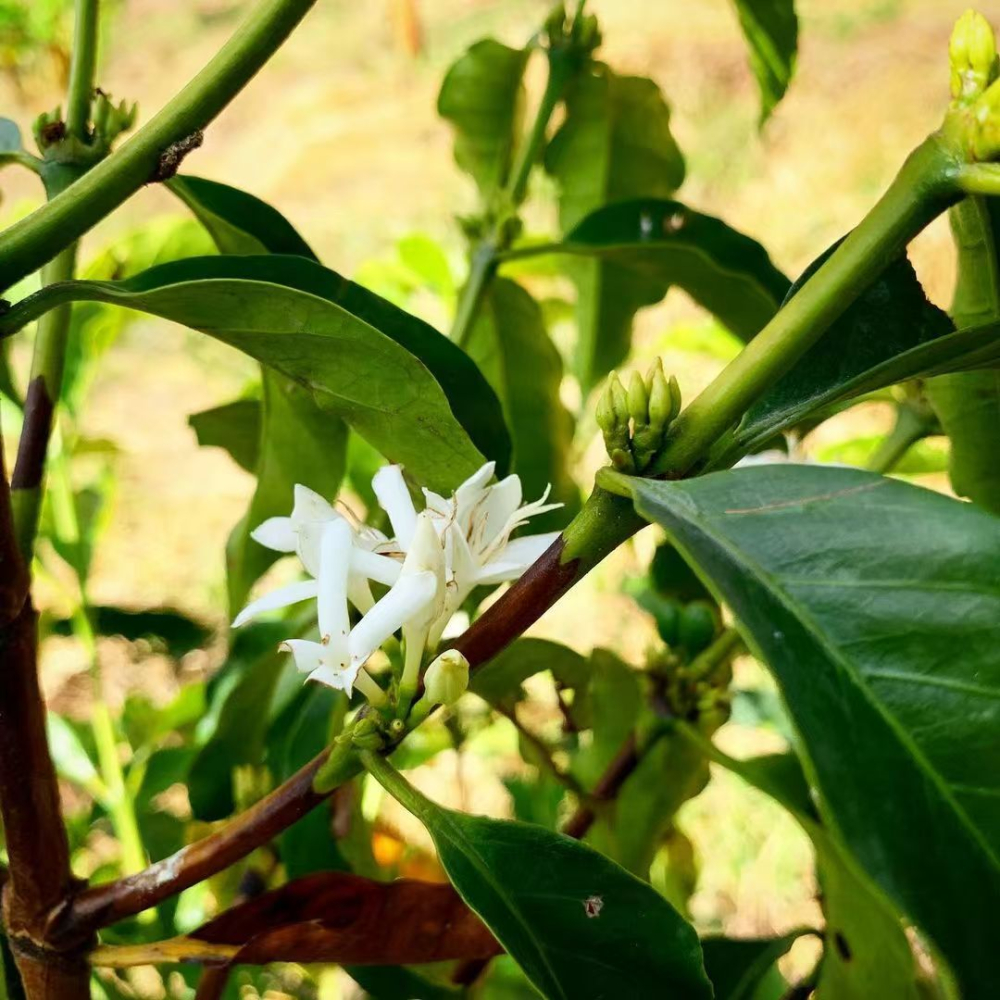
This coffee, known as either Gesha or Geisha, gets its name from Ethiopia’s Geisha Mountain region. Its pronunciation is similar to that of the Japanese Geisha, hence the Chinese translations. The history of this bean is full of legend—it was first introduced to Panama from Costa Rica by Don Pachi Serracin in 1963. However, due to its low yield, many coffee farmers were reluctant to grow it. It wasn’t until Daniel Peterson, owner of Panama’s Hacienda La Esmeralda (La Esmeralda), noticed that the Geisha coffee trees located at higher altitudes on the farm—originally used as windbreaks—produced beans with distinct citrus, floral notes, and a creamy sweetness reminiscent of oolong tea, that it gained attention. He processed these beans separately and entered them into competition, where they stood out in the 2004 Panama Coffee Cupping Competition. They went on to win the championship for several consecutive years, establishing their status as a top-tier specialty coffee.
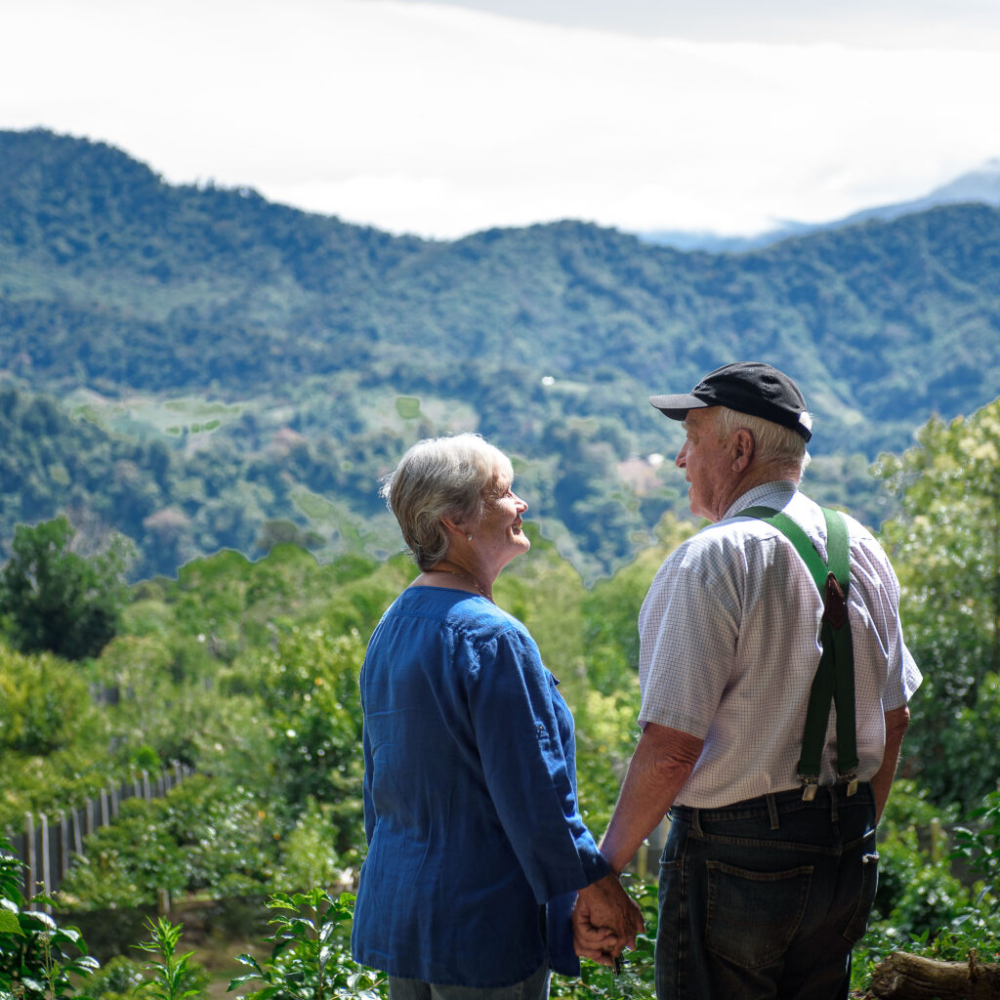
The reason Hacienda La Esmeralda’s Gesha coffee has become a world-renowned top-tier bean is actually due to a coincidence. The farm was originally purchased by Rudolph A. Peterson, a retired Swedish-born banker, as a retirement residence. No one expected that the coffee beans grown on the farm, once submitted to competition, would take home the national championship at the 2004 Panama Specialty Coffee Competition, instantly propelling it to fame.
Geisha coffee green beans possess an enchanting bluish-green hue with a smooth, jade-like texture. Their dry aroma is particularly distinctive, often offering scents of fresh grass, peach, and berries, along with a milky sweetness and aroma reminiscent of oolong tea—an attribute not commonly found in other coffee beans. While this tea-like fragrance may require careful attention to detect, the refined tea elegance unique to Geisha is often a highlight during tasting.
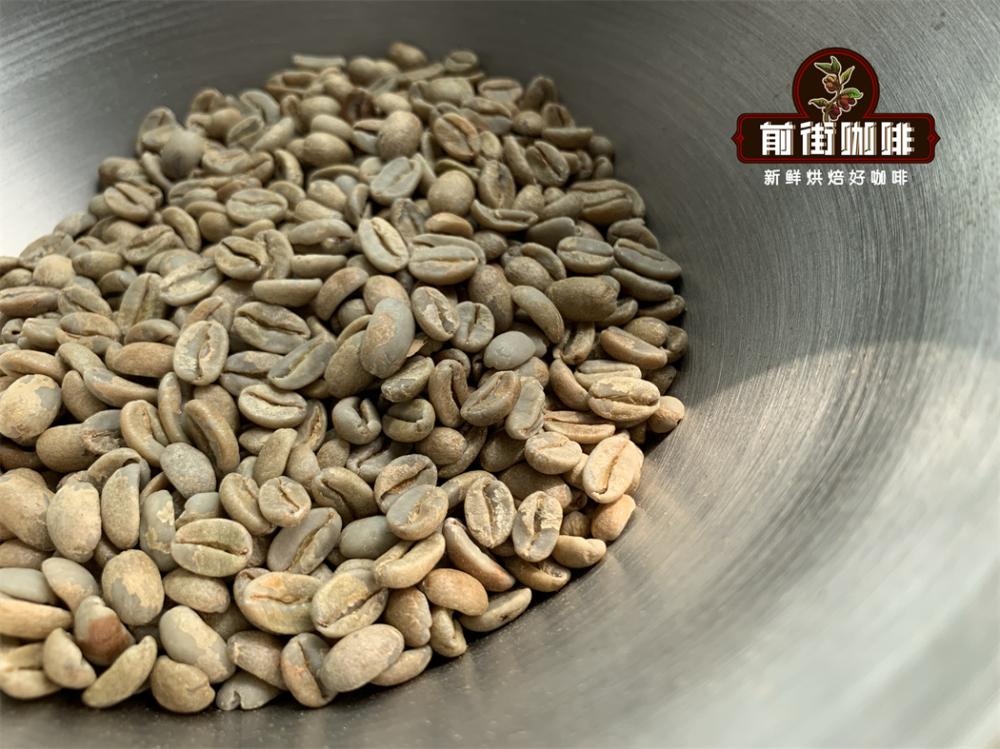
If you’ve acquired a batch of Geisha coffee beans, how should you roast them to fully showcase their characteristics? It is recommended to use a light roast, which preserves the delicate floral and fruity aromas as well as the bright acidity to the greatest extent. Geisha is typically grown at altitudes above 1,500 meters, and the commonly available Geisha green beans are mostly from high-altitude regions around 1,700 meters. These beans are dense, plump, medium to slightly long in shape, with slightly pointed ends—characteristics of a typical high-hardness bean variety.
To highlight the floral notes and fruity acidity of Geisha, it is advisable to avoid overly dark roasts, as this can cause the delicate aromatic features to dissipate. Additionally, the roasting curve should not be too long, as this can make the flavor profile seem dull. Special attention should be paid to temperature rise control after the first crack; it is recommended to keep it within 6 degrees to prevent the sharply pointed ends from developing black scorch marks. Light roasting better releases the elegant tea rose-like aroma.
During actual roasting, it is recommended to use a Yangjia 600g semi-direct-fire roaster. First, preheat the drum to 170°C and drop in the green beans, setting the air vent to 3. About 30 seconds later, adjust the heat to 140°C, keeping the air vent unchanged. The turning point occurs around 1 minute and 25 seconds, when the drum temperature drops to 140°C, the bean surface turns yellow, and the grassy aroma mostly disappears, indicating the end of the drying phase. At this point, reduce the heat to 100°C and adjust the air vent to 4. By 7 minutes and 40 seconds, the bean surface shows rough wrinkles and dark speckles, and the toast-like aroma gradually transitions to coffee fragrance. This is when close attention must be paid to the sound of the first crack. Around 8 minutes and 12 seconds, when the first crack begins, reduce the heat to 80°C, maintain the air vent at 4, continue roasting for about 1 minute and 30 seconds after the first crack, and finally drop the beans at 189°C.
Cupping results show that this Geisha coffee offers a delicate and soft acidity upon entry, with sweetness rapidly emerging and maintaining excellent persistence. The mouthfeel is clean and bright, resembling the profile of high-quality black tea. The flavor profile is rich, featuring notes of rose, honeysuckle, sweet potato, grapefruit, lemon, black tea, and cane sugar, with a long and memorable aftertaste. Such a flavor expression is precisely what earns Geisha its reputation as an elite specialty coffee.
The above content is compiled by CoffeeHunters, a coffee news website.


