







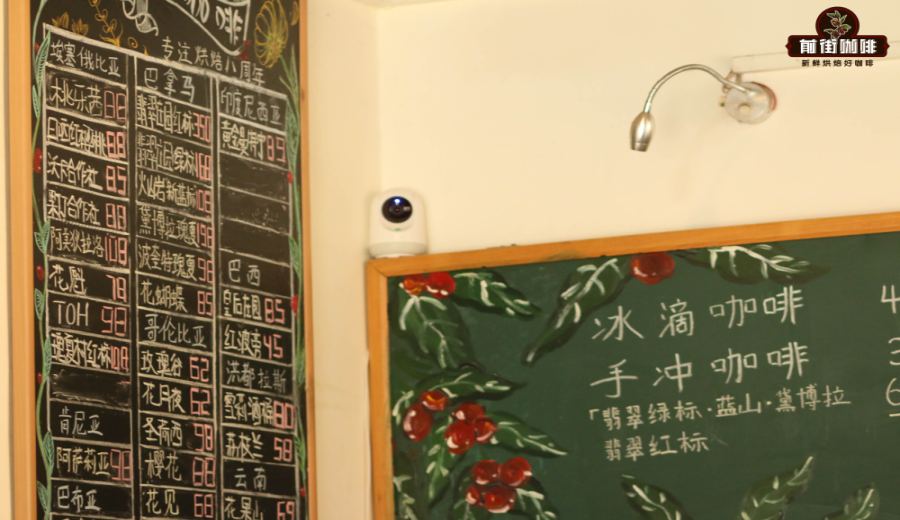
Introduction:Delve into the origins of the Huaguai coffee beans from Ethiopia's Sidama Guji-Hambella region, compare the flavor profiles of Sidamo and Yirgacheffe, and explore the rich juice-like body of Kenyan beans. This article provides a detailed analysis of the characteristics of Ethiopian native varieties versus Kenya SL varieties, the impact of washed and natural processing methods on flavor, and offers practical brewing recommendations and parameter settings to help you master the essence of African specialty coffee.
In the world of specialty coffee, Ethiopia and Kenya shine as two radiant stars, each exuding a unique fruity acidity. However, their acidity profiles differ significantly: Ethiopia’s acidity is bright and crisp, with pronounced citrus and floral notes, while Kenya showcases a bold, berry-like juiciness with a heavier, more layered acidity.
This article focuses on the Huaguai coffee beans produced in Ethiopia’s Sidama Guji-Hambella region, tracing their journey to winning the TOH (Taste of Harvest) competition, and analyzes in depth the flavor profiles and processing characteristics of the renowned Yirgacheffe and Sidamo regions. It also introduces the differences between Ethiopian native varieties and Kenya SL varieties, as well as how various processing methods shape the final flavor of the coffee.

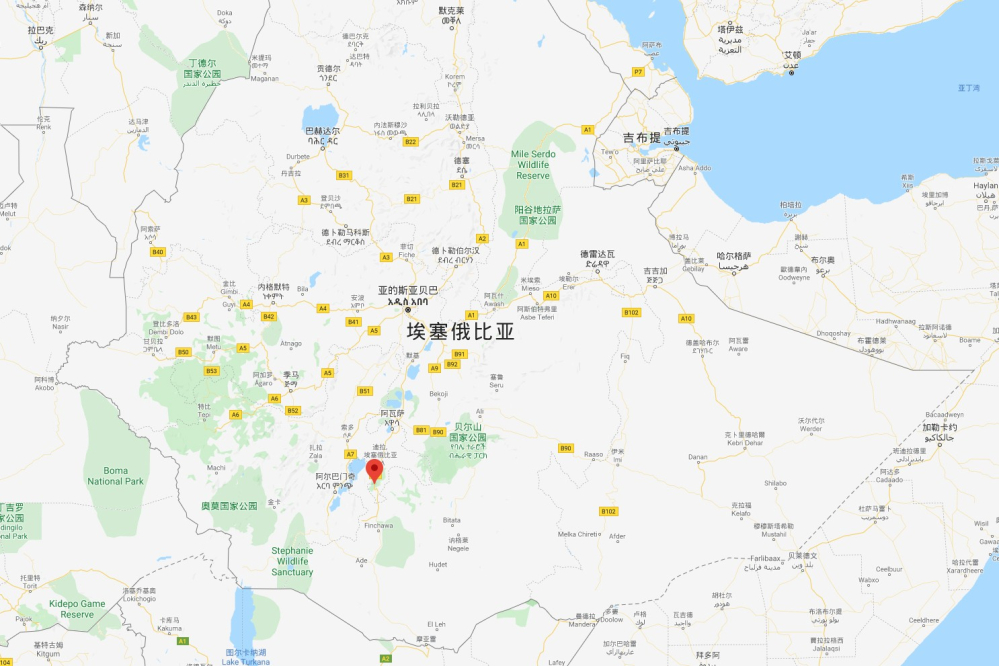
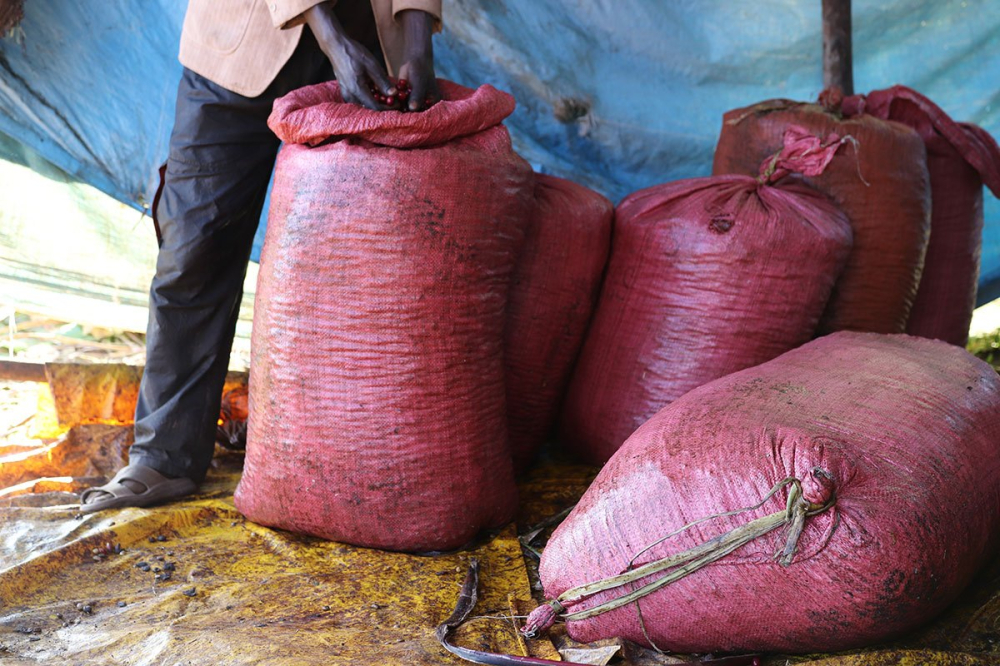
As the birthplace of coffee, Ethiopia’s smallholder farming model fosters diverse flavor expressions. The country is divided into nine major regions, with Yirgacheffe and Sidamo being the most prominent in the specialty coffee market. Most of these regions’ coffees are family-run and managed collectively through cooperatives, then exported uniformly by the government to ensure quality and traceability.
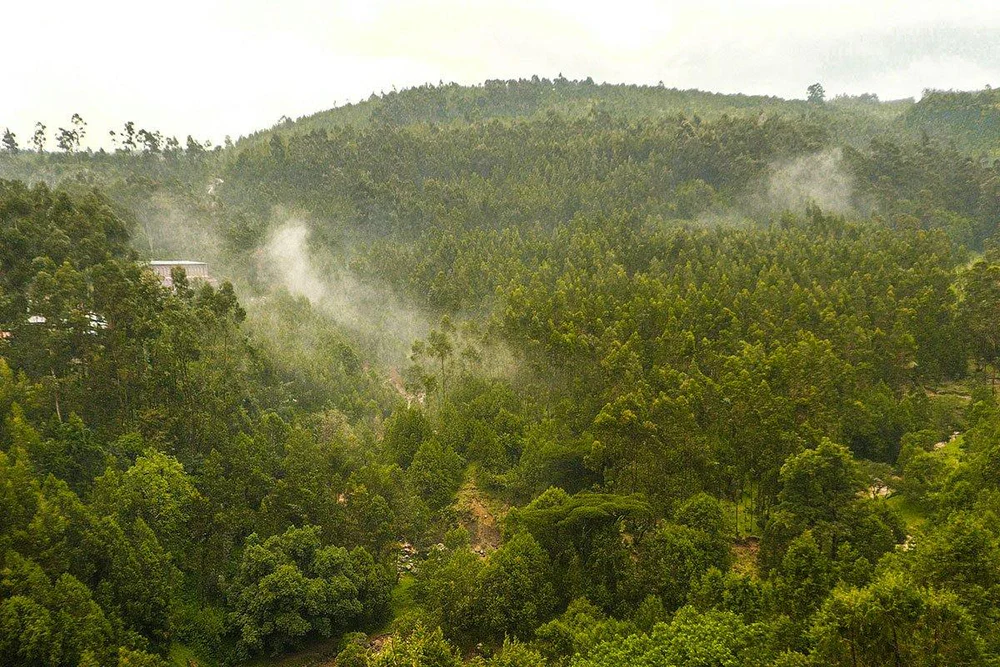
Yirgacheffe, originally part of Sidamo, became its own region due to its uniquely distinctive flavors. The area generally sits at elevations above 2,000 meters, contributing to the coffee’s characteristic high acidity and brightness. With over 40 cooperatives in the region—including well-known micro-regions like Kochere, Guji, and Gedeb—each micro-region produces Yirgacheffe with distinct characteristics due to subtle variations in microclimate and processing. Typical flavors include intense jasmine, lemon zest, along with sweet notes of peach and almond, and a delicate tea-like finish, often described as a “bouquet” of sensory experiences.
As for Sidamo, this highland region in southern Ethiopia, with elevations between 1,400 and 2,000 meters, is another key coffee-producing area besides Yirgacheffe within Sidamo Province. Sidamo coffee is typically known for its pronounced sweetness, earning it the reputation of being “sweet coffee.”Naturally processed Sidamooften exhibits soft pink floral and berry acidity notes, accompanied by slight fermentation undertones. Its mouthfeel is smoother and rounder compared to washed versions, making it ideal for those who enjoy a balanced fruitiness and sweetness.
Huaguai coffee beans, originally named “Hambella,” refer to premium coffee from Ethiopia’s Sidamo Guji-Hambella region. In 2017, this naturally processed Hambella bean won the natural category of the TOH (Taste of Harvest) green coffee competition with an impressive score of 88.21. Its flavor profile stunned judges with intense strawberry and creamy aromas, even defeating the perennial favorite Geisha variety, thus gaining widespread acclaim. Since then, subsequent batches from the “Buku Abel” washing station in Hambella—such as Huaguai 2.0, 3.0, and the latest 2025 edition—have continued to win global coffee enthusiasts’ hearts with their consistent natural processing quality and distinctive fruity notes.
The Hambella region is located within Sidamo Province, and its coffee-growing environment and processing techniques give the Huaguai series its distinctive delicate acidity and rich sweet aroma. Especially through the alternating use of washed and natural methods, it showcases the versatile potential of Ethiopian coffee. Although the series naming was promoted by importers, its core value still stems from the high-quality smallholder farmers and exquisite processing techniques in the Hambella region.
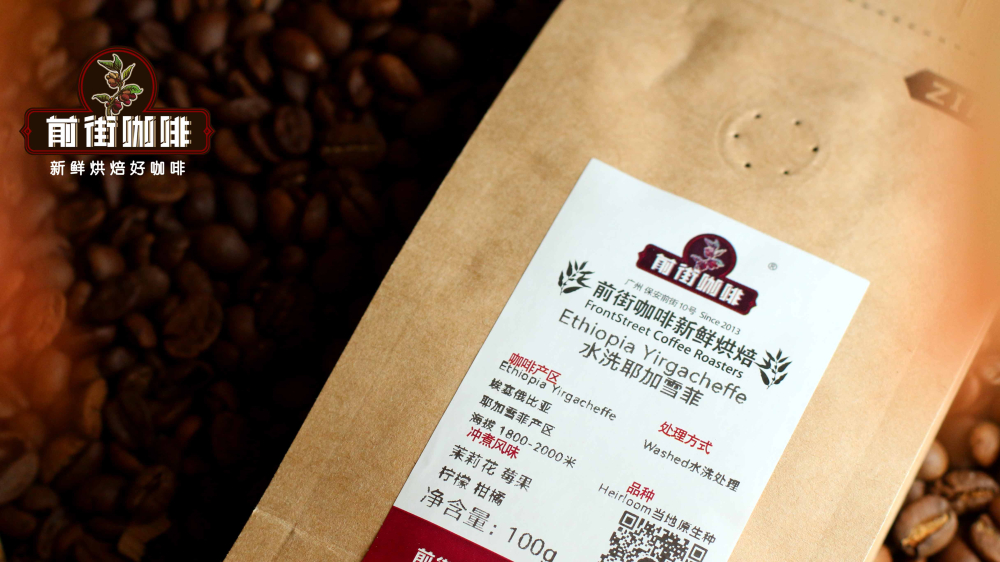
Ethiopian coffee varieties are mostly categorized as “Heirloom,” meaning native or heritage varieties. Due to smallholders often planting mixed cultivars with diverse origins—including ancestral strains, neighbor exchanges, or introductions from elsewhere—each batch of beans is actually a blend of dozens or even hundreds of uncategorized varieties. Heirloom is not a single variety name but represents the “blend characteristics” of Ethiopian coffee beans. Each batch may vary in bean size, shape, and flavor profile, contributing to their unpredictability and uniqueness.
Turning to another major coffee nation in Africa—Kenya—the country boasts exceptional geographical conditions: the equator runs through it, the East African Rift stretches north to south, and high altitudes (mostly between 1,500 and 2,100 meters) provide an ideal environment for coffee cultivation. Kenyan coffee is celebrated for its two harvests per year, rounded yet vibrant acidity, and juice-like richness, earning the title “the connoisseur’s cup.” Notable regions such as Kiambu, Kirinyaga, the western slopes of Mount Kenya, Nyeri, Embu, Ruiri, and Murang’a each showcase distinct microclimates and flavor profiles.
In terms of varieties, Kenyan coffee is most famous for SL28 and SL34, both selectively bred over many years starting in 1922 at the Scott Agricultural Laboratories. These varieties are particularly well-suited to Kenya’s high altitudes. SL28 features bright acidity and rich fruitiness, belonging to the Bourbon genetic group, while SL34 has a milder acidity and genetics closer to Typica. Additionally, Ruiru11 and Batian, developed in recent years for disease resistance, show strong resilience but still can’t match the flavor complexity of the SL series.
Another hallmark of Kenyan coffee is its uniqueK72 processing method. This is an advanced version of washed processing that involves double fermentation and multiple washes to enhance the clarity of acidity and complexity of flavors, also referred to as “double washed” or “Kenyan-style fully washed.” This method significantly intensifies the fruit acidity layers and aroma longevity, making Kenyan coffee stand out—sharper and more structured—even when compared to other regions’ high-acidity beans.
Returning to the comparison of processing methods, Ethiopia’s Yirgacheffe region initially relied mainly on traditional natural processing. But after the introduction of Central and South American washed techniques in 1972, its coffee’s jasmine and citrus aromas became clearer and brighter. Washed processing directly highlights the intrinsic flavors of the region, while natural processing adds sweetness and fermentation layers, enriching the mouthfeel. Especially in renowned micro-regions like Idido Mist Valley, Biloya, and Aricha, improved natural processing techniques have successfully preserved traditional flavors while greatly reducing defect rates, bringing natural beans back into the specialty spotlight.
In terms of roasting and brewing recommendations, Yirgacheffe’s bright acidity and floral-fruity notesbenefit most from light roasting, whether washed or natural. Though medium and darker roasts are available in the market, the mainstream preference remains light roasting to preserve its refreshing qualities. As for Kenyan coffee, to emphasize its bold acidity and juice-like body,medium-light roastingstrikes the best balance—retaining sharp acidity while adding a touch of body.
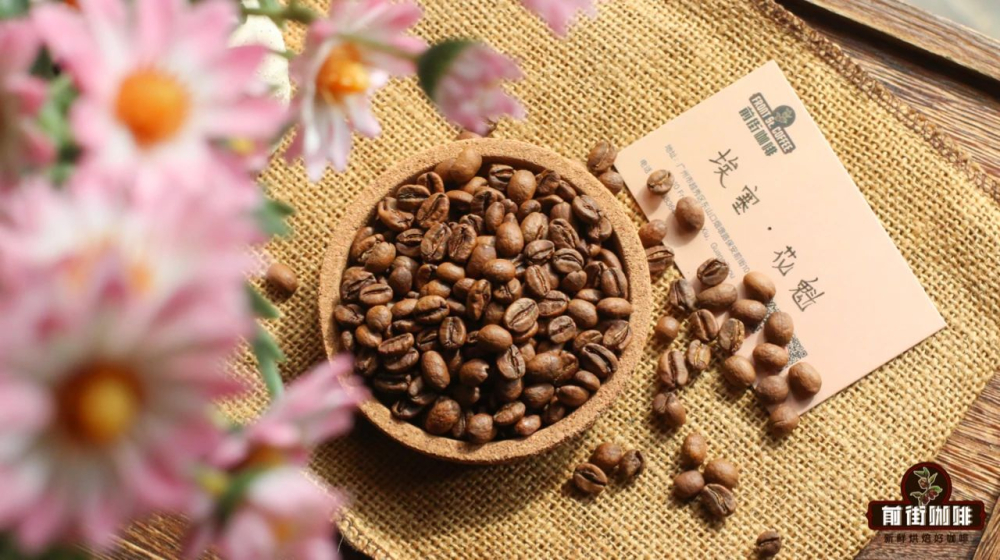
For brewing Huaguai coffee, it’s recommended to use a V60 dripper made of resin material, which helps highlight the rich acidity changes during cooling and enhances overall aroma expression. Use medium-fine grind (e.g., 80% passing rate through a 20-mesh Chinese sieve), with 15 grams of coffee, 91°C water temperature, and a 1:15 coffee-to-water ratio. Employ a three-pour method (first blooming with 30 grams of water for 30 seconds, then pouring to 125 grams and 225 grams in stages) for pour over, keeping total extraction time around 2 minutes. This setup fully brings out Huaguai’s layers of berry, citrus, mango, and honey, with a tea-like sweet aftertaste.
In summary, Ethiopian and Kenyan coffees each have their distinct strengths: the former excels in bright fruit acidity, floral notes, and diverse processing flavors; the latter is known for rich acidity, juicy body, and refined processing techniques. Whether you choose the sweet naturals of Sidamo, the floral-washed Yirgacheffe, or the bold acidity of Kenyan beans, understanding the differences in regions, varieties, and processing methods is the first crucial step to appreciating Africa’s specialty coffee.
For beginners, it’s recommended to start with lightly roasted Ethiopian beans to gradually experience their delicate acidity and aroma nuances, then explore the layered richness of Kenyan beans. With appropriate roast levels and brewing adjustments, you’ll be able to fully appreciate the unique charm of these two major African specialty coffee regions.
The above content is compiled by CoffeeHunters, a coffee news website.


