







Introduction:Ever wondered why Geisha coffee can command sky-high prices in auction markets? How does La Esmeralda Estate create top-tier coffee experiences through altitude-based grading? This article takes an in-depth look at the three core growing regions of Panama’s La Esmeralda Estate, exploring everything from the differences between Red Label, Green Label, and Blue Label grades, their cupping flavor profiles, to practical pour over recommendations and roast curve details — helping you fully master the selection and brewing techniques for Geisha.
La Esmeralda Estate is arguably a legend in the modern specialty coffee world. Not only was it the pioneer in discovering the potential of the Geisha variety, but it also became a global benchmark for coffee farms through its scientific altitude-based grading system. If you’re a coffee enthusiast who loves pour over or a beginner looking to explore high-quality Geisha beans, understanding La Esmeralda’s grading logic and the actual flavor profiles of each grade will greatly enhance your tasting and selection skills.
The History and Geographic Advantages of La Esmeralda Estate
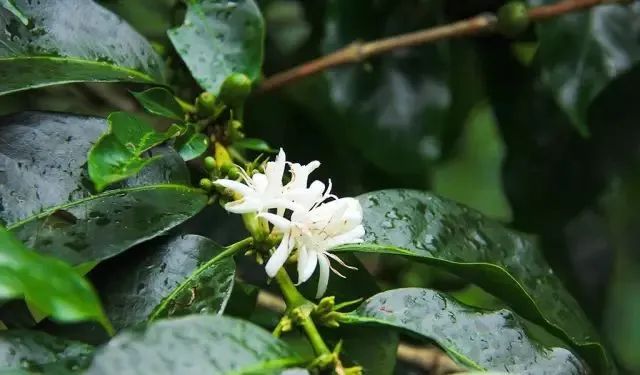
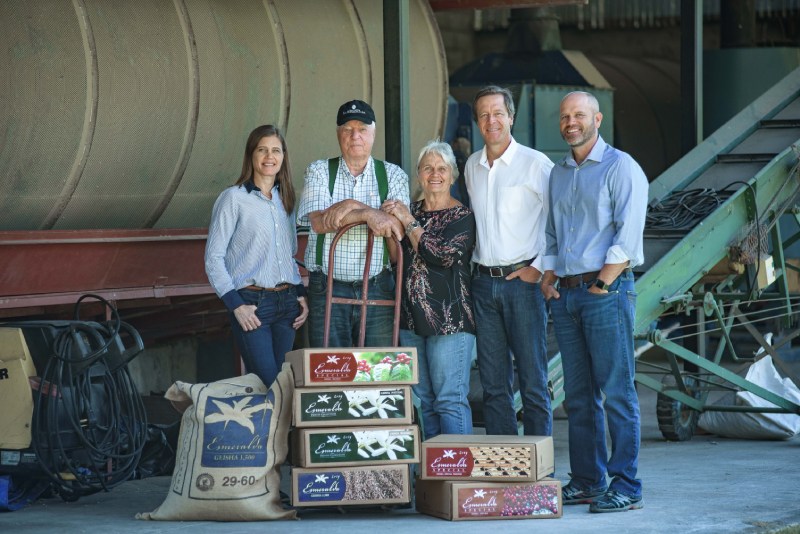
La Esmeralda Estate is located in Panama’s renowned Boquete region, famous for its high altitude, cool climate, and fertile volcanic soil — the perfect environment for cultivating the Geisha variety. The estate was founded in 1964 by American banker Rudolph Peterson, and later taken over by his son Price. In 1987, he introduced Catuai and Caturra varieties, and established a washed processing facility in 1994, laying the foundation for the refined processing of Geisha in the years to come.
The Three Core Growing Regions: Jaramillo, Cañas Verdes, and El Velo
La Esmeralda Estate currently relies mainly on three farms to grow Geisha: Jaramillo, Cañas Verdes, and El Velo. Each farm has its own unique microclimate and altitude conditions. Among them, Jaramillo has an average altitude of 1600–1700 meters, with annual rainfall reaching up to 4000 mm and significant day-night temperature variation, resulting in intense floral and fruity aromas in the Geisha beans;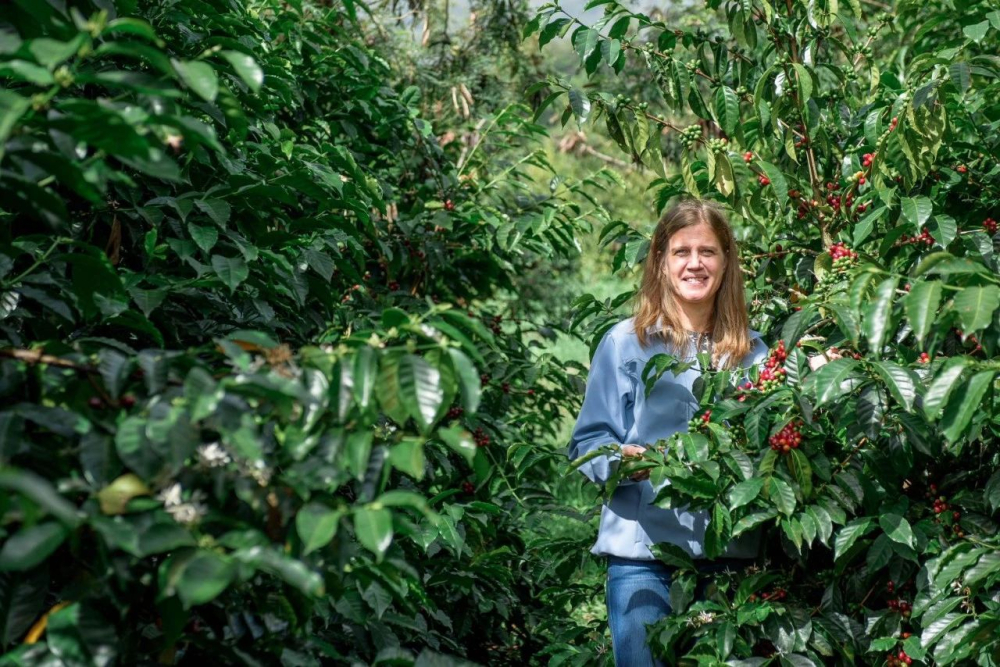 Cañas Verdes has a similar altitude, featuring complex terrain and rich volcanic soils, and is also an important source of high-quality Geisha; while El Velo, the highest-altitude farm, acquired in 2012, has become the highest-elevation Geisha-growing area within the estate, with some sections even reaching 1900 meters, offering cooler and uniquely expressive flavors for Geisha.
Geisha Grade Classifications: Differences Between Auction, Red Label, Green Label, and Blue Label
La Esmeralda Estate classifies its Geisha beans into four main categories based on altitude, growing region, and processing method. The most notable among these are the Auction Grade, Red Label, Green Label, and Blue Label. The Auction Grade Geisha, also known as Esmeralda Special, is selected exclusively from micro-lots in Jaramillo and Cañas Verdes at altitudes of 1600–1800 meters, with cupping scores above 90. It is released in limited quantities each year through independent auctions and commands the highest prices and is the hardest to obtain. The Red Label Geisha also comes from these two regions, with similar altitude conditions. Though not part of the auction, it maintains outstanding quality and is often processed via natural or washed methods, showcasing bright floral notes and citrus tones.
Green Label, also known as Private Collection, belongs to the non-auction lots, consisting of blends from multiple micro-lots, also within the 1600–1800 meter altitude range. Although blending leads to slight variations in flavor, it still retains the classic floral and fruity notes and full body of Geisha, with processing methods including both washed and natural. As for Blue Label Geisha, also known as Geisha 1500, it uses blended beans from altitudes of 1400–1500 meters sourced from all three farms. Its flavor profile is brighter and more refreshing, featuring citrus, honey, and gentle fruit acidity, with a lighter body compared to other grades — making it an approachable choice for those new to Geisha. Notably, starting in 2020, a natural processed version of Blue Label has also been introduced, offering more flavor diversity.
Practical Cupping and Brewing Parameter Comparisons
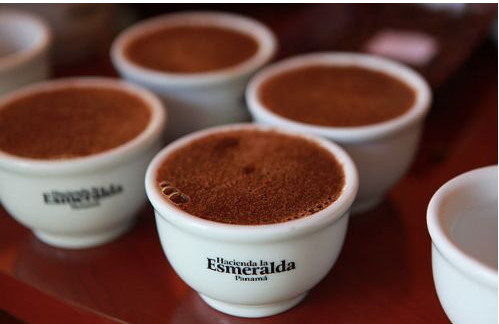
In actual cuppings, Red Label Geisha exhibits pronounced jasmine and citrus aromas in the dry scent, and after brewing, reveals a complex fruit profile of lemon, honey, berries, and citrus. It has a rich and layered mouthfeel, with a tea-like and sweet finish;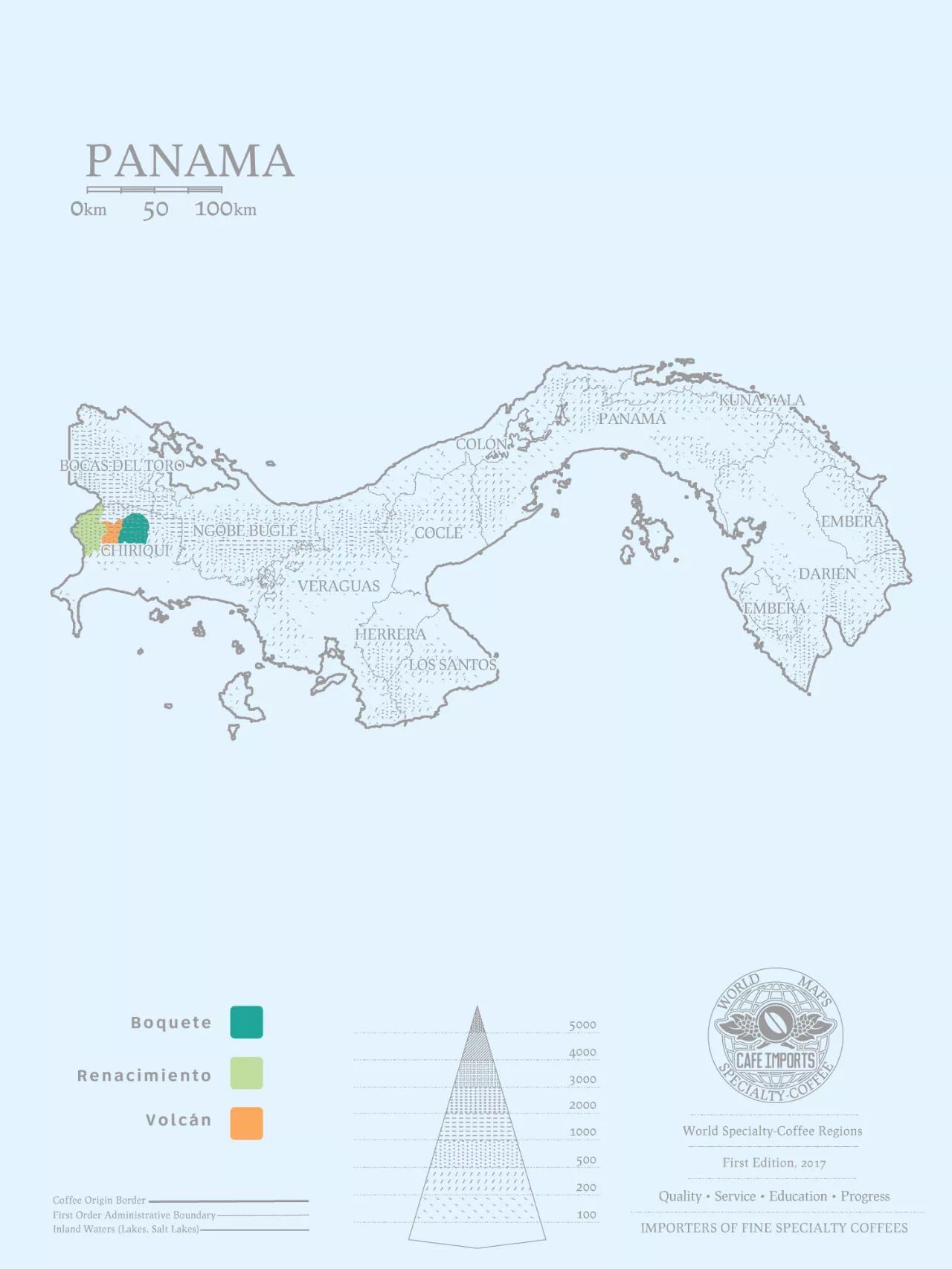
For brewing recommendations, all three beans are well-suited for light roasting to highlight Geisha’s distinctive high-toned floral notes and vibrant fruit acidity. Practical testing used a Hario V60 dripper, with water temperature set at 90°C, a brew ratio of 1:15, and grind size approximately at 80% passing through a Chinese No. 20 sieve — fully showcasing the nuanced flavors of each grade. The recommended brewing technique is a three-stage extraction: start with a 30-second bloom using 30 grams of water, then pour in a slow stream until reaching 125 grams for the first pour, followed by pouring to 225 grams just before the coffee bed becomes exposed, and finally removing the dripper once the water level drops again. Total brew time is about 2 minutes. These parameters help balance flavor release, avoiding over-extraction or excessive sharpness.
In summary, the grading system of La Esmeralda Estate’s Geisha is not merely about price differences, but represents a comprehensive embodiment of altitude, microclimate, and processing finesse. Whether you’re a beginner or an avid coffee lover chasing excellence, understanding the distinctions between Red Label, Green Label, and Blue Label will help you find the Geisha experience that best suits your palate.
The above content is compiled by CoffeeHunters, a coffee news website.


