







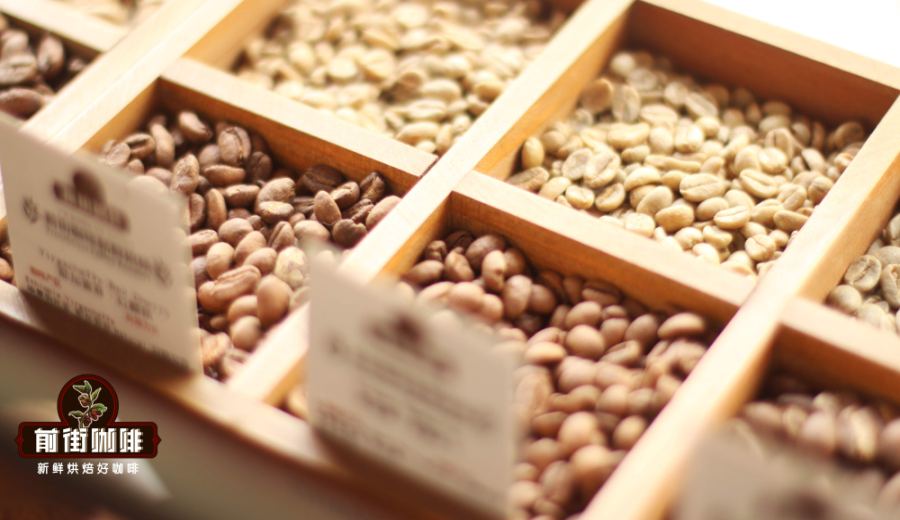
Introduction:African specialty coffees are renowned for their vibrant fruit acidity, with Ethiopian Huila Guji varieties and Kenyan beans each offering distinct profiles. The former excels in bright floral and fruity notes, while the latter presents a rich berry-like acidity. This article explores regional terroirs, varietal characteristics, and processing methods to compare their flavor profiles, along with expert pour-over brewing recommendations to help you master the extraction secrets of these two classic beans.
Ethiopia and Kenya are both part of Africa’s golden coffee regions, yet their flavor directions differ markedly: Ethiopian beans are celebrated for their crisp, uplifting acidity and floral tones, whereas Kenyan beans showcase a dense, juicy richness reminiscent of fresh berry juice. According to international specialty coffee market data, African-origin beans consistently rank among the top three in procurement share, with Ethiopian Huila Guji varieties and Kenyan beans being essential starter choices for coffee enthusiasts.
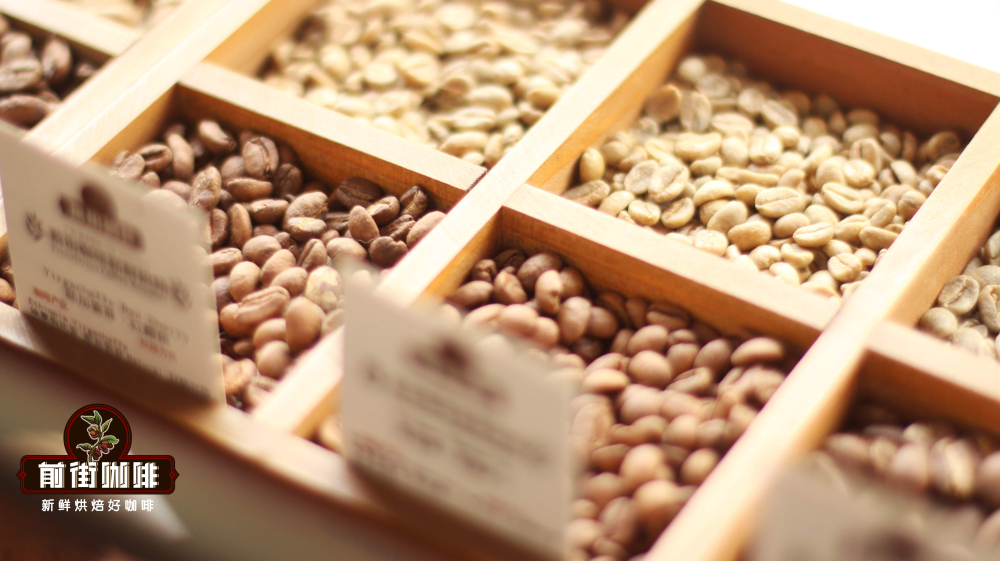
As a genetic treasure trove, Ethiopia’s coffee trees primarily originate from wild heirloom varieties (Heirloom). These unselected cultivars grow naturally on smallholder terraces, forming unique regional flavors. Among the country’s nine major producing regions, the core areas of Yirgacheffe and Sidamo contribute over 60% of specialty bean output. Notably, the local cooperative grading system ensures quality control from cultivation to export.
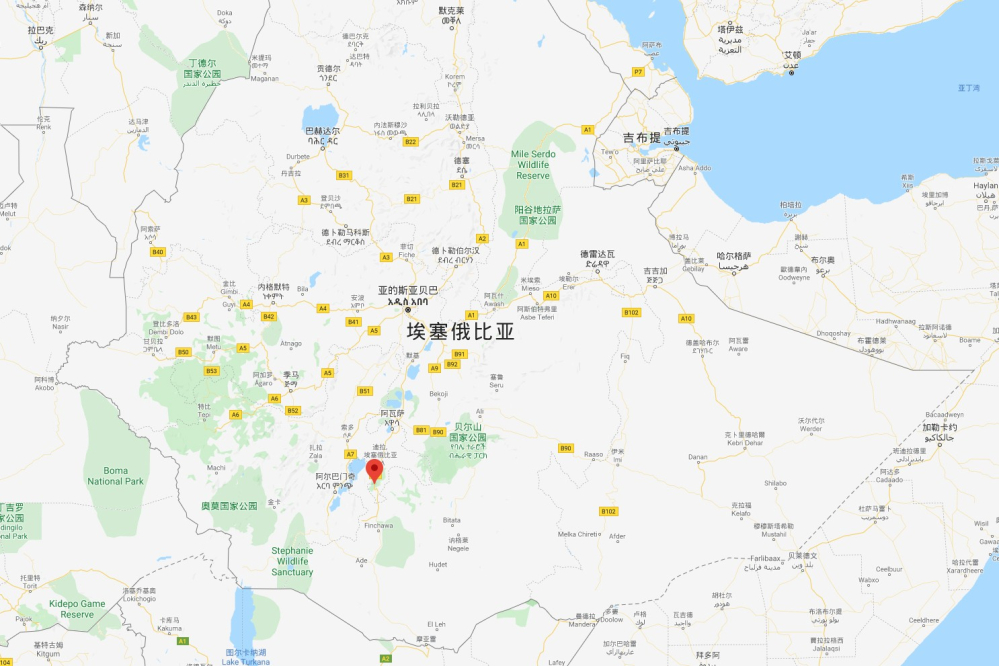
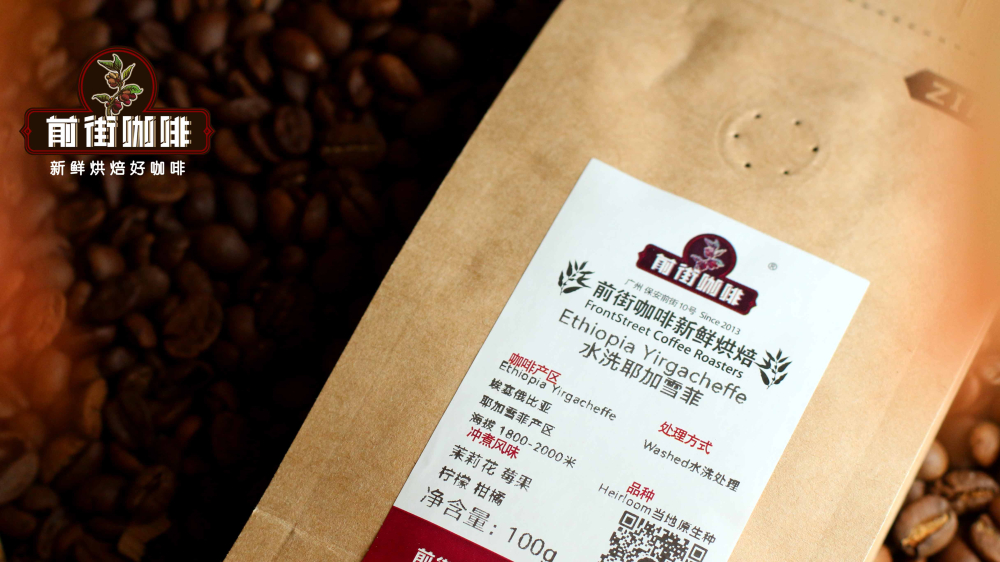
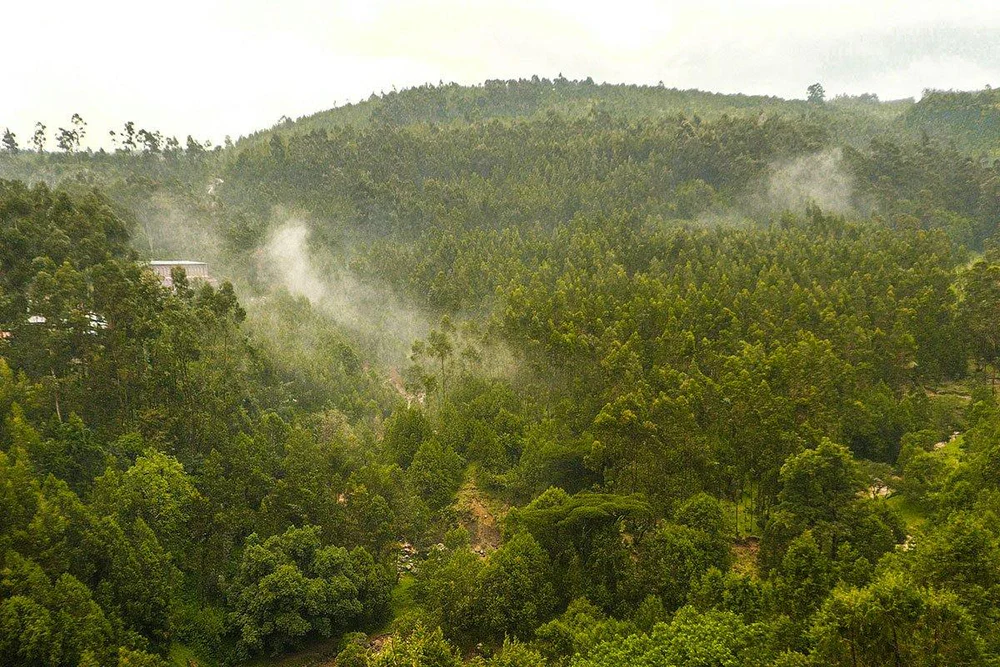
The Yirgacheffe region lies in a high-altitude plateau zone (1800–2100m), dominated by family-run micro-farms. Coffees here typically exhibit complex aromas of lemon, jasmine, and honey, with pronounced citrus acidity and tea-like aftertastes when lightly roasted. The neighboring Sidamo province, though also high-altitude, often features sun-dried batches with delicate berry scents and subtle fermentation wine notes, while washed versions highlight bright red apple acidity.
The Huila Guji variety originates from the 2017 TOH green bean competition champion batch, produced at the Buku Abel washing station in Sidamo’s Hambella area. This sun-dried bean stunned the industry with its intense strawberry cream and blueberry profile. Subsequent 2.0 to 2025 versions have refined fermentation techniques, enhancing sweetness while retaining fruity foundations. Its uniqueness lies in high-altitude slow-ripening cultivation paired with traditional raised-bed sun-drying, resulting in a full body and lingering sweetness.
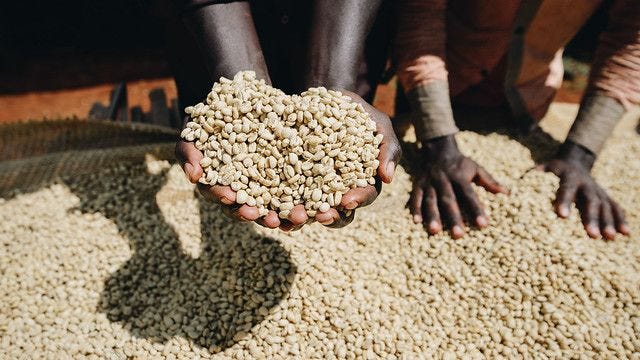
Kenyan coffee centers on the SL28 and SL34 patented varieties—bourbon-type mutants bred by Scott Labs, inherently high in acidity and complex flavor potential. Key regions are concentrated in Nyeri, Kirinyaga, and other volcanic soil zones at 1600–2000m altitude, with two annual harvests. Notably, Kenya’s K72 double-washed method—through extended fermentation and stepwise soaking—intensifies blackcurrant and tomato-like acidity while maintaining clean, defect-free taste.
The diversity of Ethiopian heirloom coffee is unmatched globally; a single batch may contain dozens of uncategorized wild varieties. This natural blend results in subtle batch-to-batch variations, often described as white florals, tropical fruits, or black tea finishes. Processing-wise, modern Yirgacheffe predominantly employs improved washed techniques, balancing fruit acidity and body by precisely controlling fermentation duration (typically 18–36 hours). Premium sun-dried batches use shaded drying and regular turning to elevate sweetness complexity.
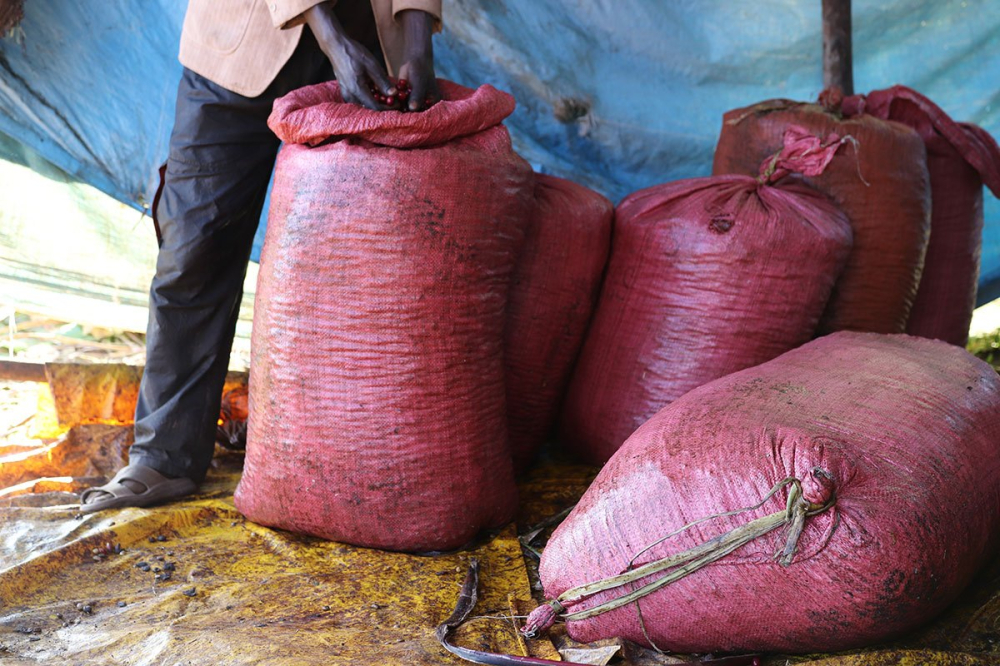
Kenya’s K72 method sets an industry benchmark, centered on strict double fermentation and washing: first, 24-hour mucilage fermentation, rinse, repeat, then 10–14 days of raised-bed drying. This process creates Kenya beans’ hallmark bright acidity and layered structure, often described as grapefruit, blackcurrant, and wine-like tannins. Notably, SL28 adapts exceptionally well to high altitudes, exhibiting sharper acidity than SL34.
For high-acidity washed beans like Yirgacheffe, recommend 90–92°C water with a V60 filter for light roasts (Agtron ~65–70). Standard parameters: 15g coffee, 1:16 ratio, three-pour method: 30g bloom for 30s, then pulse to 125g, finish at 225g (total 2:10). This highlights citrus and jasmine notes while avoiding over-extraction’s harsh acidity.
The optimal brew for Huila Guji sun-dried beans: 91°C water with a resin V60, medium-fine grind (80% through China 20 mesh). Use 15g coffee, 1:15 ratio, same three-pour: 30g bloom for 30s, pulse to 125g, finish at 225g (total 2:00). This fully releases strawberry cream and tropical fruit tones, with a honey-black tea sweet finish.
For Kenyan coffee (light-medium roast, Agtron ~55–60), suggest a Kalita Wave with 90°C water and coarse sugar grind (70% through 20 mesh). Standard: 18g coffee, 270g water, center-pour: 45g bloom for 45s, steady flow to 225g, finish at 360g (total 2:30). Balances intense prune acidity and honey sweetness, delivering a juicy tomato-like mouthfeel.
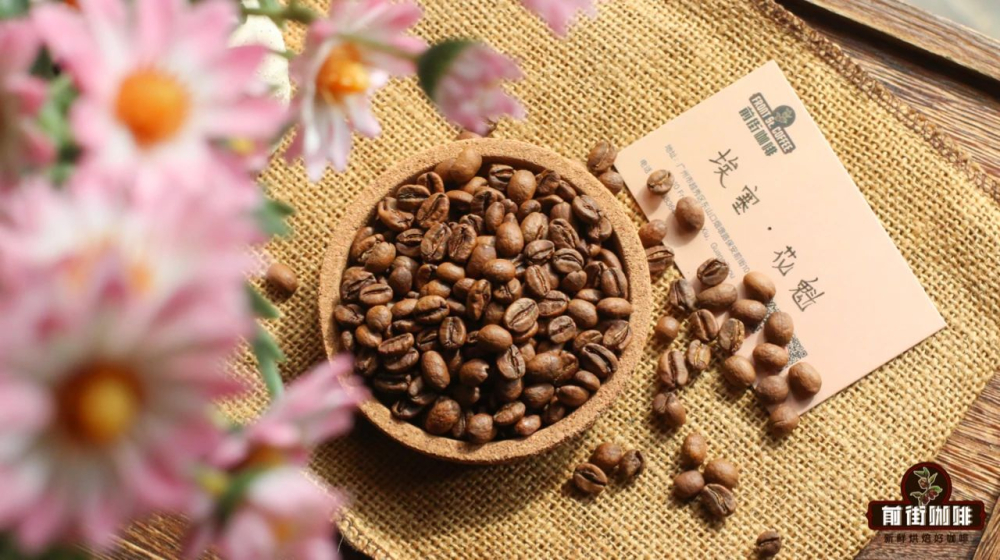
Pro tips: Ethiopian beans peak 7–14 days post-roast; Kenyan beans, due to higher density, last 10–20 days. Always grind cupping-fine pre-brewing to ensure even water contact. Common mistakes: overheating (>93°C) causes harsh acidity; grinding too fine (<1:15 ratio) leads to over-extraction. Store in single-valve foil bags, cool/dark, away from strong odors.
The above content is compiled by CoffeeHunters, a coffee news website.


