







Introduction:Have you ever encountered weak, overly sour flavors or noticed strange little holes in the coffee puck while pulling an espresso shot? Chances are, it’s caused by "channeling" — a common extraction issue. This article delves deep into the causes of this common problem, covering everything from bean selection and aging, to dose control, to the techniques of dosing, distributing, and tamping. Step-by-step, we’ll teach you how to avoid uneven extraction and splashing, so your espresso has more stable flavor and a richer mouthfeel.
Even if you’ve precisely dialed in your grind size, water temperature, and pressure when brewing espresso, you might still end up with a cup that doesn’t taste right — overly sour, thin in flavor, and when you knock out the puck, you may find a small hole in the center. It can be puzzling, but this is actually a classic symptom of channeling.
Channeling occurs when hot water passes through the coffee puck and, finding some areas of lower resistance, takes these “shortcuts” to flow through quickly instead of evenly penetrating the entire coffee bed. As a result, some coffee grounds are barely extracted, while others may be over-extracted, leading to an unbalanced shot with poor taste and even splattering.
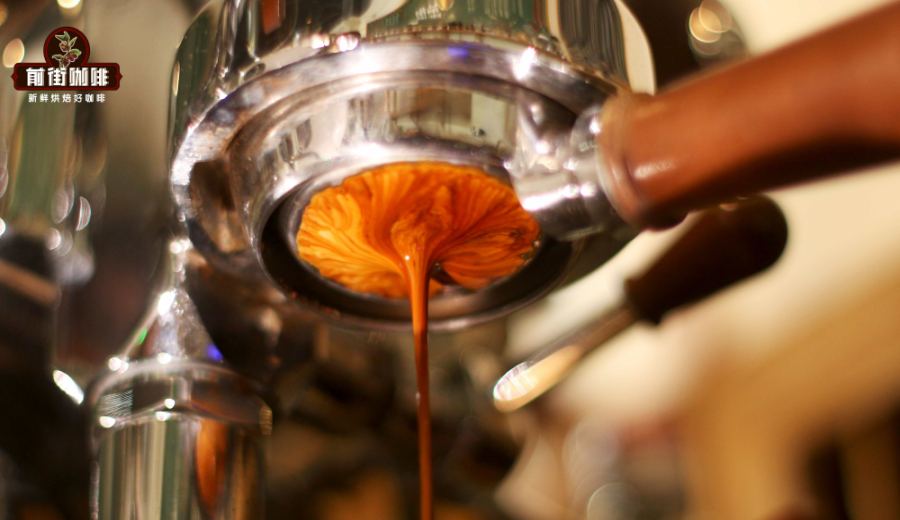
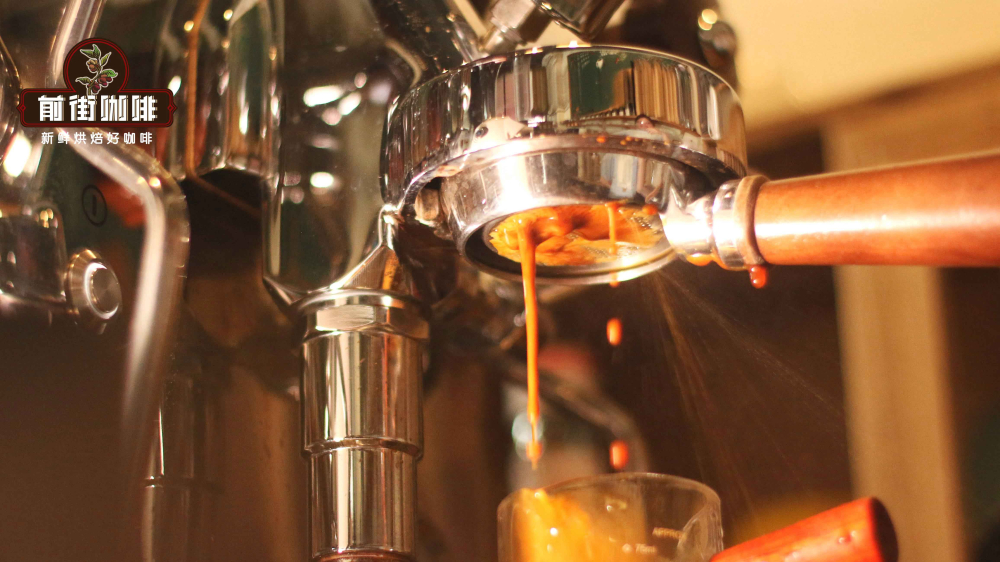
When channeling happens, you might observe the following signs: the flow of espresso spurts inconsistently, starting dark and quickly turning light yellow or even almost clear, with an unusually smooth and thin flow rate. Sometimes, you may even see tiny pencil-tip-sized holes on the surface of the puck — clear evidence of concentrated water flow.
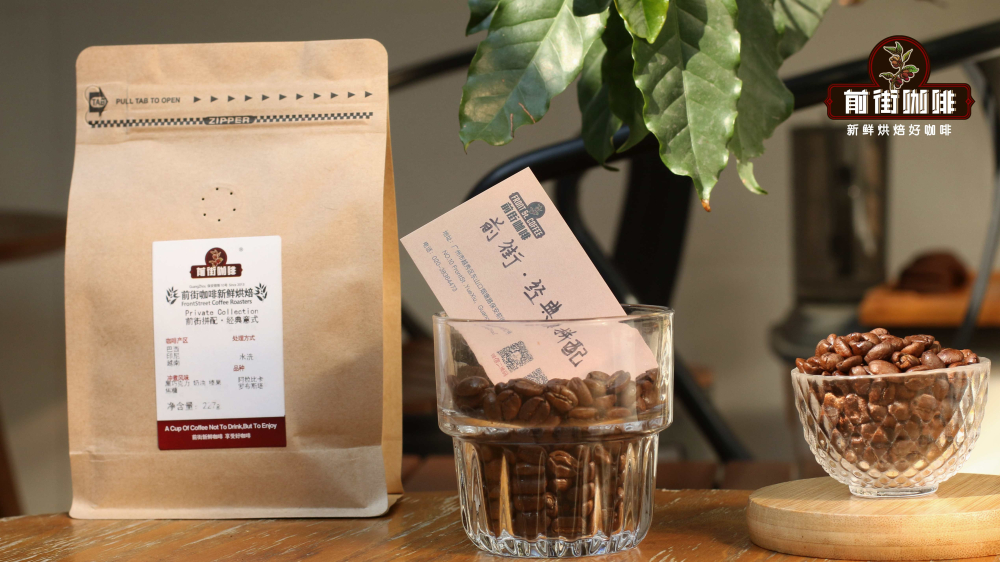
There are many causes of channeling, but the choice and freshness of coffee beans are among the most critical. It’s recommended to use a medium-to-dark roasted espresso blend — for example, a classic mix that combines characteristics of Brazilian, Mandheling, and Vietnamese beans. These beans offer stable flavor, rich crema, and layers of chocolate, caramel, and nuttiness. The resulting grind is fluffy, which helps with stable extraction. If you prefer a brighter, fruitier profile, you could also try a medium-roasted combination featuring beans from Costa Rica, Colombia, and Ethiopia, highlighting citrus, rose, and berry notes, which pair wonderfully with milk for a sweeter taste.
Additionally, freshly roasted coffee beans contain a lot of carbon dioxide, which is released during extraction and can interfere with the contact between water and coffee particles, thereby affecting the evenness of flavor extraction. This is especially true for medium-to-dark roasts, where degassing is more pronounced. Therefore, it’s advisable to let the beans rest for at least 7 to 10 days after roasting, allowing the gases to stabilize before use, which helps improve extraction consistency.
The amount of coffee used is also crucial. If the dose doesn’t match the capacity of the portafilter basket, it can easily lead to channeling issues. For example, if the dose is too low, you might unconsciously grind the beans too fine in an attempt to reach an ideal extraction yield. This not only increases the risk of clumping but also causes water to prefer certain paths, creating channels. Moreover, if there’s too much space between the puck and the shower screen, water tends to flow quickly along the edges of the puck, extracting only surface-level compounds and failing to bring out the coffee’s full flavor.
In addition to the dose, the processes of dosing and distributing are equally important. Though they may seem simple, these steps directly affect the uniformity of the coffee bed. Uneven distribution when dosing or failure to level the coffee bed during distribution — resulting in some areas being too thick and others too thin — will cause water to pass through at varying speeds, leading to uneven extraction and possible pitting in the puck. Ideal distribution ensures a flat, even coffee bed with no significant gaps within or around the edges of the basket, allowing water to evenly penetrate every coffee particle.
Tamping is another key factor influencing extraction uniformity. Uneven tamping — causing the puck to tilt or be uneven — will naturally direct water to the path of least resistance, forming channels. The correct tamping technique involves applying even, vertical pressure to compact the loose coffee grounds firmly, enabling water to pass steadily through the entire puck. It’s also important to ensure the tamper matches the portafilter basket model; otherwise, certain areas may remain uncompressed, further increasing the likelihood of channeling.
In summary, to avoid channeling in espresso, the primary task is to manage the condition of the coffee beans — choosing stable, freshly roasted beans and allowing enough resting time for CO₂ to dissipate fully. Next, adjust the dose appropriately according to the portafilter basket capacity to avoid making extraction unnecessarily difficult. Then, ensure evenness and stability in every step — dosing, distributing, and tamping — to create a level, compact coffee bed that allows water to extract uniformly from all parts of the puck.
By mastering these key techniques and paying close attention during actual brewing, you can effectively reduce channeling, pull balanced and rich-tasting espresso shots, and enjoy a more professional coffee experience.
The above content is compiled by CoffeeHunters, a coffee news website.


