







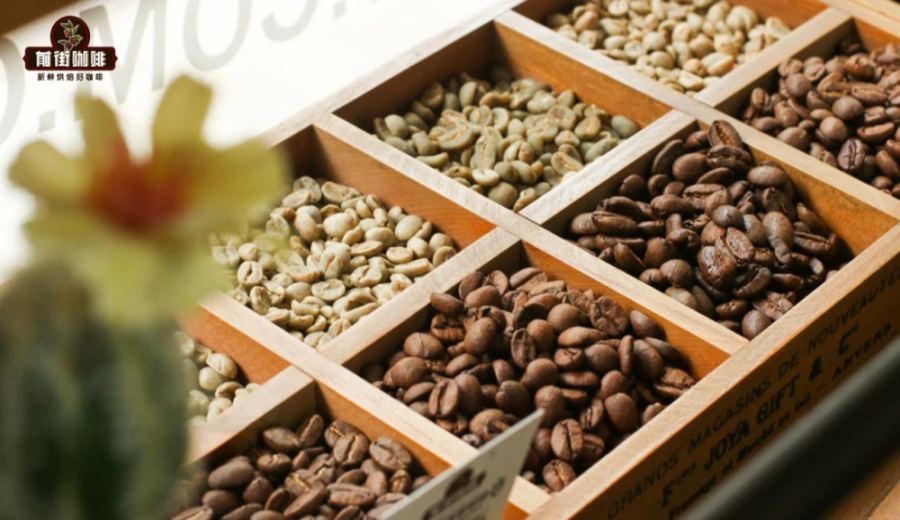
Introduction:An in-depth exploration of the characteristics of Ethiopia’s nine major coffee-growing regions and the ECX grading system—from practical cupping comparisons between Yirgacheffe G1 and G3 to the impact of natural and washed processing methods on flavor—this guide equips you with essential knowledge for selecting specialty coffee beans, along with expert-level pour over parameters for reference.
As the birthplace of Arabica coffee, Ethiopia boasts the world’s richest coffee gene pool and unique regional coffee culture. When consumers encounter labels such as G1, G2, or G3 on packaging, they often understand only the surface grading without grasping the rigorous evaluation criteria behind these tags. This article systematically dissects the quality logic of Ethiopian coffee, covering everything from regional ecology and varietal characteristics, to processing methods and the internationally recognized ECX grading system.
Ethiopia’s coffee cultivation can be divided into three main types:Forest–semi-forest coffee(accounting for 60%, entirely wild),Garden coffee(35%, intercropped by farmers), andPlantation coffee(5%, under modern management). Notably, among the more than 1,900 native varieties, many exhibit distinctive fruity aromas and acidity profiles—this is the core strength that enables Ethiopian coffee to dominate the specialty market.
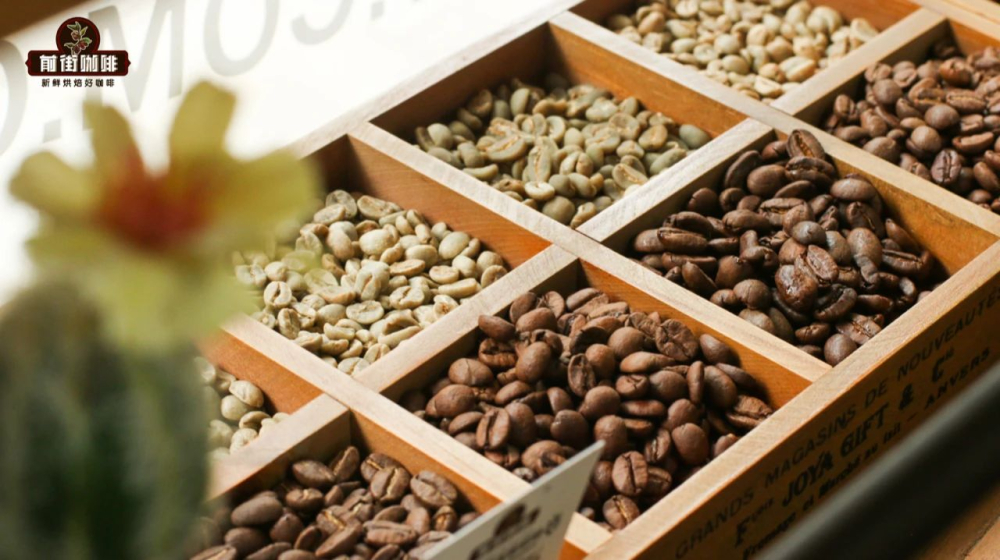
In terms of processing methods, natural and washed techniques create distinctly different flavor profiles. The natural process involves 27–30 days of sun exposure, preserving more fruit sugars and resulting ina full-bodied mouthfeel and aromas of blueberry and other berries, though with lower clarity; the washed method removes the pulp through fermentation to producebright citrus acidity and a tea-like finish, improving cleanliness but reducing body. In practice, regions above 1,800 meters often prefer the natural process to enhance floral and fruity notes.
Ethiopia’s nine major regions each have distinct geographical features: Yirgacheffe (1,800–2,000 meters) is renowned for its citrus and jasmine notes, with micro-regions such as Kochere and Aricha offering even greater uniqueness; Sidamo (1,400–2,200 meters) combines floral and citrus tones, sharing similar varieties with Yirgacheffe but with a mellower flavor profile; Harrar (1,500–2,100 meters), thanks to its traditional natural process, delivers intense chocolate and fermented wine-like aromas, making it a quintessential representative of the Mocha style.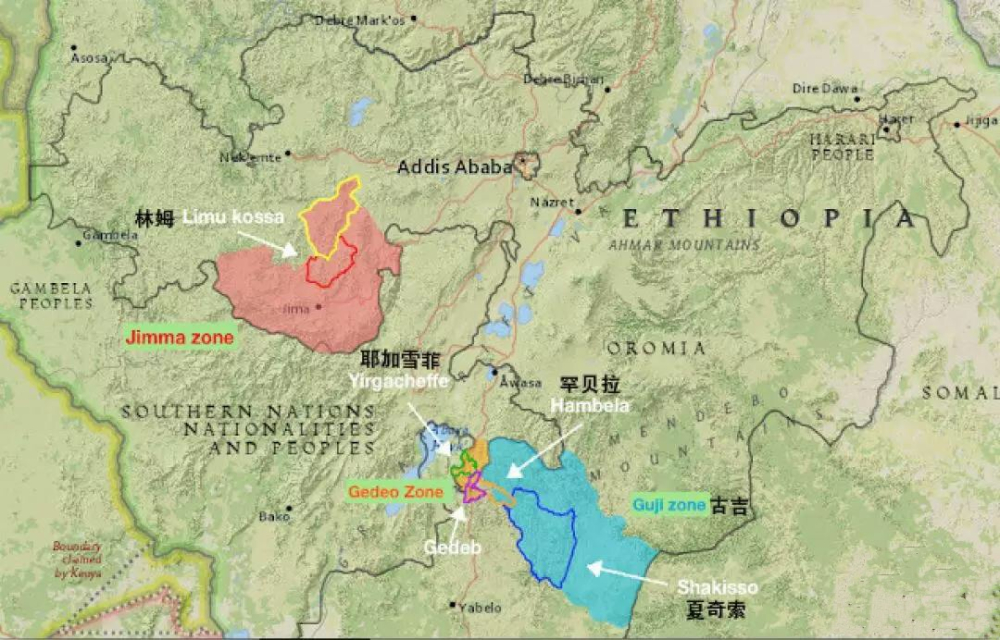
Regarding coffee bean grading, the current ECX (Ethiopian Commodity Exchange) system combines physical traits with cupping performance: washed G1 beans must have no more than 3 defective beans per 300 grams, while G2 allows 4–12; the new natural grade system includes G1 for the first time, though G2 and G3 remain the most commonly traded. Practical tasting comparisons show that G1 natural Sidamo significantly outperforms G3 in bean uniformity and flavor clarity, particularly in the balance of sweetness and acidity.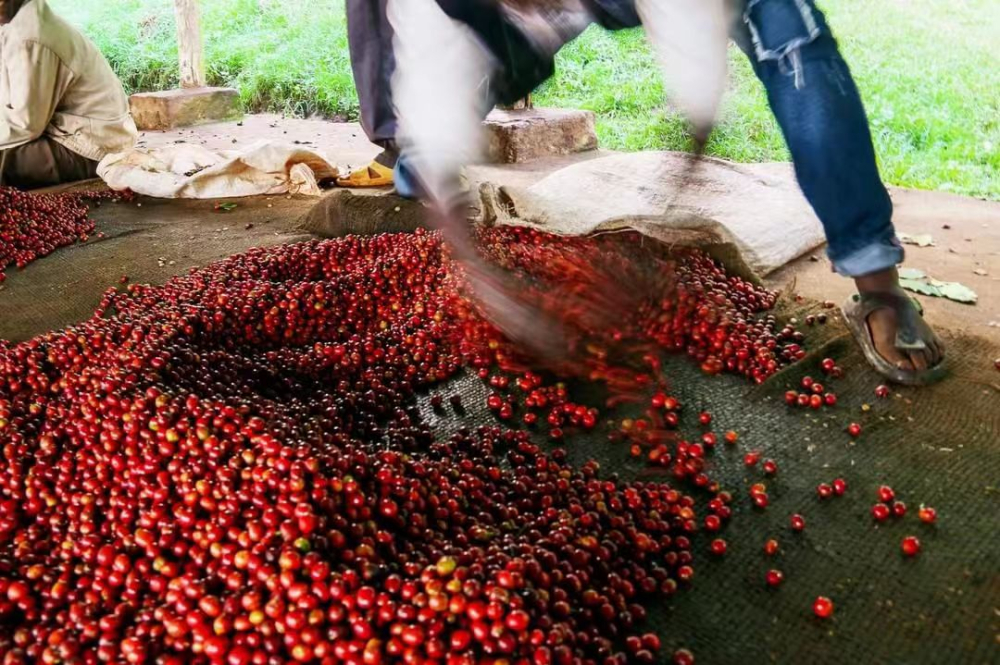
A closer look at the actual differences between Yirgacheffe G1 and G3: the former features uniform bean size and low defect rates, showcasing brighter citrus acidity and distinct berry aromas in the cup, with caramel and creamy notes in the aftertaste; although G3 also has basic floral and fruity qualities, it often comes with slight herbal off-notes, and its body and aftertaste persistence are slightly inferior. These differences are especially noticeable when brewing with a V60—using 90°C water and fine grind (80% passing through a Chinese No. 20 sieve), G1 more fully releases citrus essence and a black tea-like finish.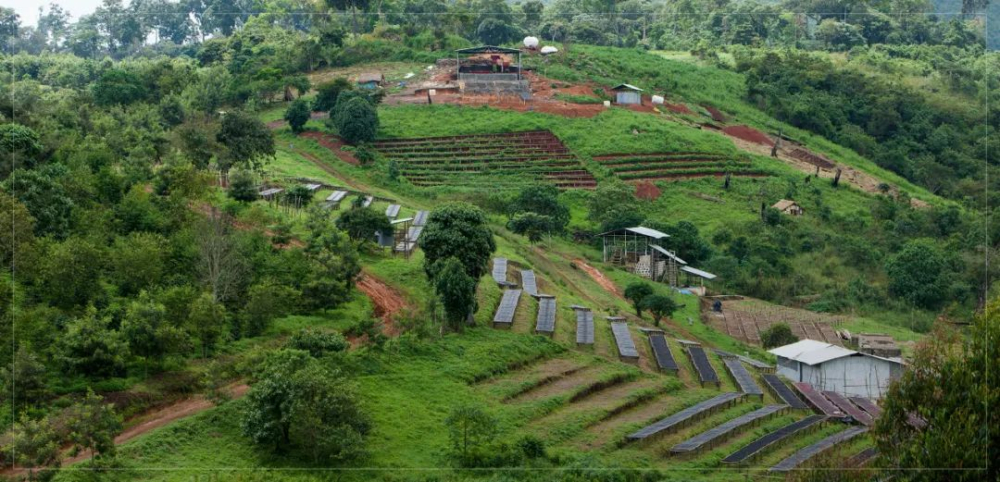
Expert pour over reference parameters: Take Yirgacheffe natural G1 as an example. It is recommended to start heating at 175°C, using stepwise temperature control (adjust the damper from 3→4→5), and extending the development phase for 1 minute and 40 seconds after the first crack; for actual brewing, the V60 filter is recommended with a 1:15 coffee-to-water ratio, using 90°C water and a staged extraction (30g bloom → 125g first pour → 225g total extraction), effectively highlighting floral and citrus notes while avoiding over-extraction.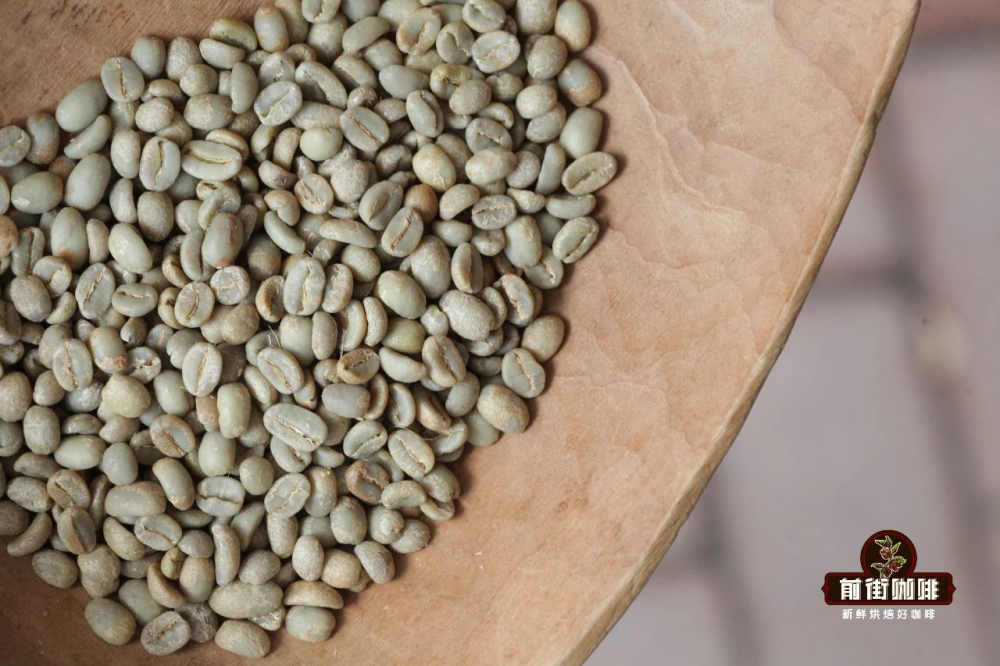
From regional microclimates to nuanced processing details, Ethiopia’s coffee grading system is more than just numbers. Understanding the real differences between G1 and G3 in terms of defect rates, bean uniformity, and cupping flavor performance—combined with the altitude and variety characteristics of each region—is the key to truly appreciating the diverse charm of this coffee homeland.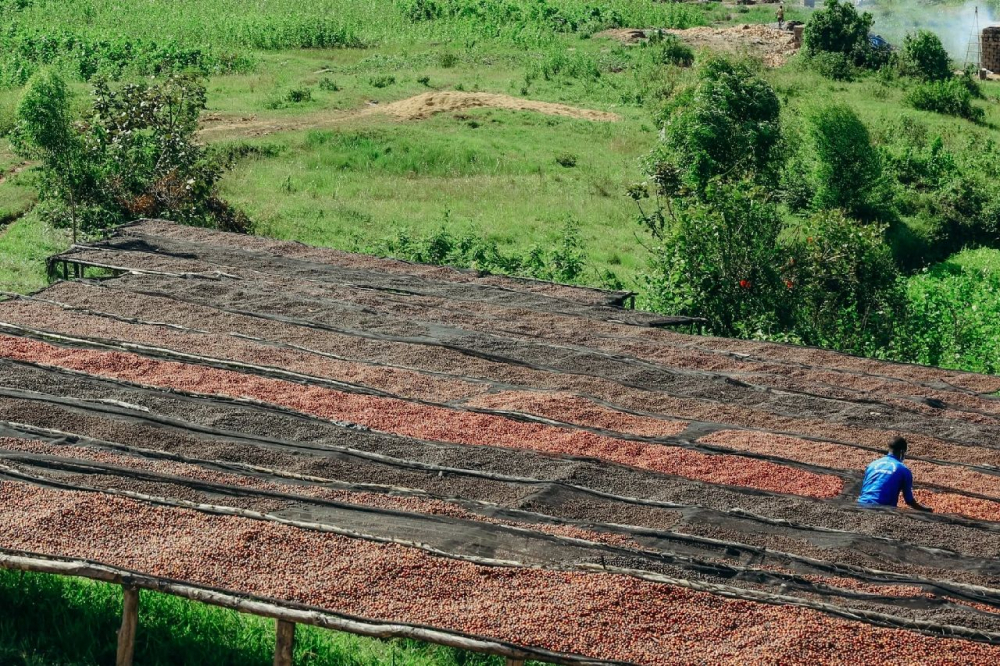
The above content is compiled by CoffeeHunters, a coffee news website.


