








Introduction:The floral aromas in coffee are always captivating yet elusive. This article delves into the botanical background and sensory classification of white floral notes, guiding you through the characteristics of muted, subtle, and fresh floral tones—from fermented notes to ethereal scents. It also explores how light to medium roasting preserves more floral compounds, and provides brewing techniques—grinding, blooming, and tasting—for appreciating these fragrances, helping you more precisely savor and select your favorite coffee beans.
In the world of specialty coffee, floral notes have long been highly praised yet difficult to concretely define. These inherent fragrances of the coffee bean are often described as fresh, soft, and layered, with white floral notes being particularly enchanting. So-called white floral notes are actually an umbrella term covering the aromas of various flowers, including jasmine, white rose, pear blossom, and citrus blossom. Together, these scents create a delicate and pleasant fragrance profile.
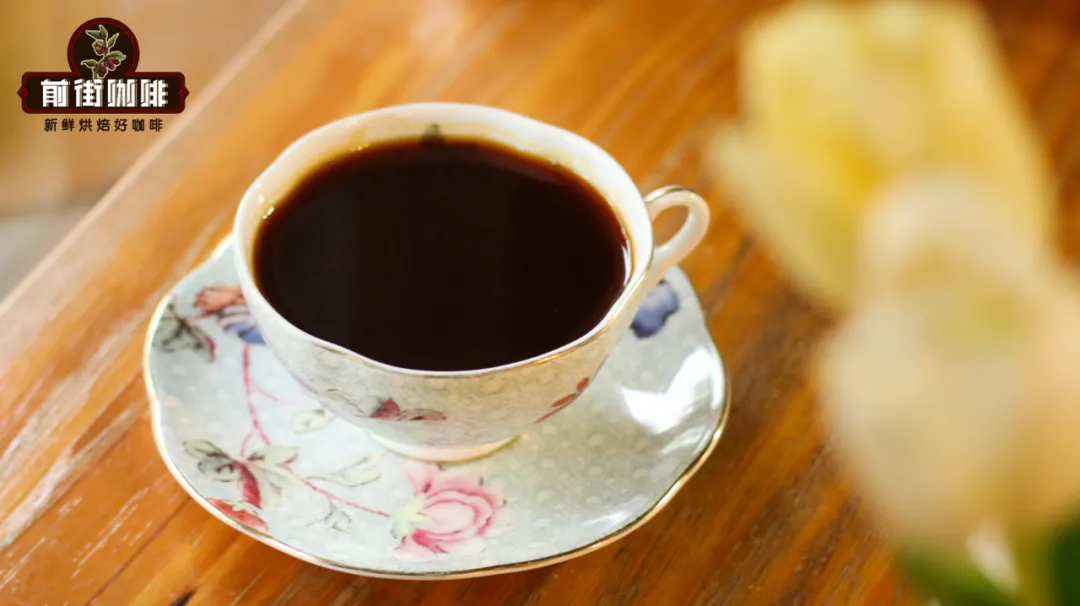
Many people’s first impression of coffee blossoms may come from smelling aroma kits or during professional cupping sessions. One enthusiast, having never seen a real coffee flower, once described Scent No. 12 “Coffee Blossom” as reminiscent of the sweet aroma of a ripe peach—gentle and soft, like taking a bite of a perfectly ripe peach. That was their very first impression of coffee flowers.
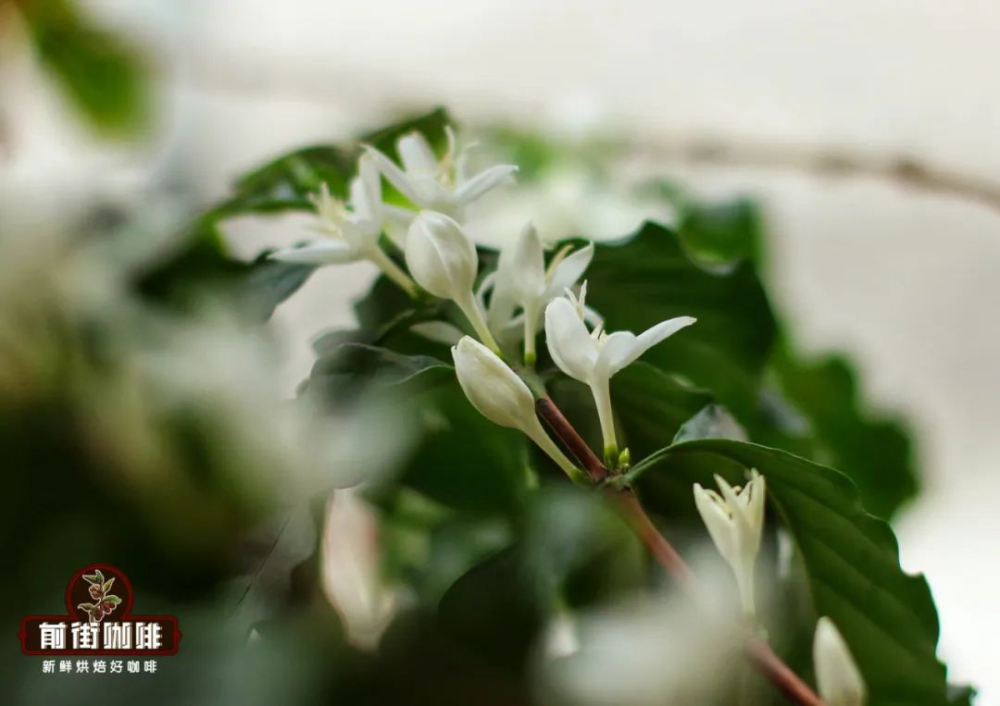
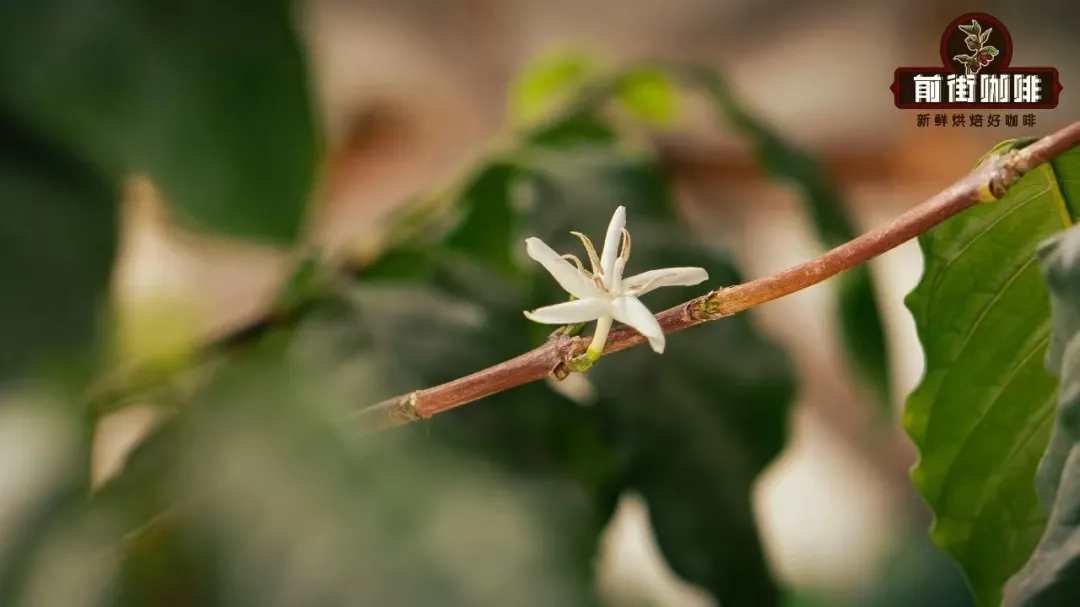
Interestingly, going back to the early 17th century, when botanists were naming the Arabica species, they noted that the flowers of the coffee tree emitted an aroma similar to that of Arabian jasmine, while the leaf shape resembled that of bay leaves. As a result, it was initially classified as “Arabian Jasmine” (Jasminum arabicanum). Although classifications have since been adjusted, the aromatic resemblance between coffee flowers and jasmine can still be observed.

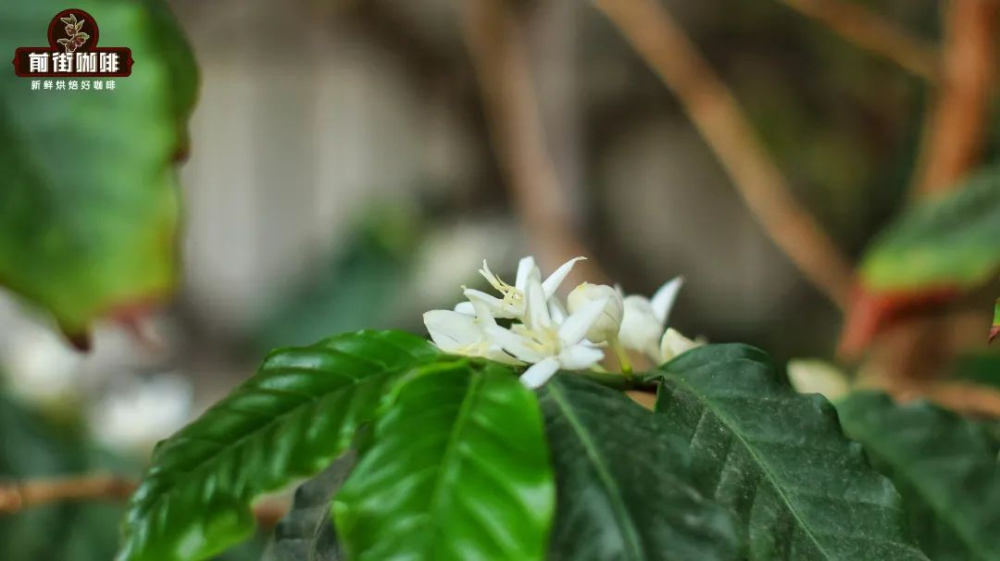
From a botanical taxonomy perspective, the coffee plant belongs to the Rubiaceae family, the same as the common gardenia, but in a different genus. Visually, there may be some resemblance, but in terms of aroma, they are vastly different. Gardenias exude a rich and heavy fragrance, whereas coffee flowers are fresh and delicate, not lingering long and hard to discern within the complex flavor spectrum of coffee.
During actual tasting, it is often difficult to pinpoint which specific flower a coffee’s floral note resembles, as it is usually a blend of multiple aromas forming a unique yet indescribably pleasant sensation. For this reason, the industry generally refers to such fragrances collectively as “white floral notes,” which may include not only coffee flowers and jasmine but also white camellia, magnolia, plum blossom, and others. These aromas often appear in light to medium roasted coffees, especially gradually revealing themselves during a pour over as temperature changes.
Based on the characteristics of their aroma profiles, coffee floral notes can be broadly divided into three types: muted, subtle, and fresh—each with its own unique flavor personality and ideal brewing expression.
First is the fresh type. These floral notes are typically bright and refreshing, carrying the natural scent of newly bloomed flowers. They are commonly found in washed Ethiopian beans, such as the well-known washed Yirgacheffe, or certain Geisha varieties from Panama. These coffees often deliver a refreshing sensation akin to a gentle brush of white petals upon the first sip, making them a top choice for many floral note enthusiasts. Varieties such as Fruit Ding Ding also often exhibit such traits.
If you prefer floral notes with a slightly powdery touch, you might try Colombia Huila or Costa Rica Bacha. Beans from these regions, when lightly roasted, often release soft peach or plum blossom-like floral notes with pinkish undertones.
The second type is the subtle floral note. These often carry sweet, rose-like or berry-floral nuances, exuding a relaxing aroma with a hint of honey. Representative examples include Emerald Red Label Geisha and Strawberry Sugar Coffee. Their aromas are delicate and multi-layered, perfect for slow sipping, often performing best at medium temperature stages.
Finally, there is the muted type. These floral notes may initially seem a bit sharp or carry herbal or medicinal undertones, such as chamomile or osmanthus. The aromas are richer and more persistent. With these coffees, floral notes are especially pronounced right after grinding or during blooming, though they can also easily blend with other scents. Mozart Coffee and Gold Label Geisha are typical examples of this style. Temperature control during brewing is advised to bring out their unique charm.
The formation of coffee floral aromas is closely related to factors such as variety, terroir microclimate, processing method, and roast level. Among these, roast level is a crucial factor influencing whether floral notes can be retained. Generally speaking,light to medium roasting preserves more volatile aromatic compounds—these compounds are often broken down at high temperatures, so dark roasting tends to dilute or even erase delicate floral expressions.
Additionally, floral aromas are typically most noticeable after the coffee is ground, during the blooming stage, and when the coffee liquid is at a medium-low temperature (around 60–80°C). It is recommended to pay special attention to aroma changes during these stages during brewing—you can sniff the wet aroma or take a small sip, comparing it to familiar fresh flowers to further identify the flavor direction.

In summary, to fully experience the white floral notes in coffee, careful consideration is needed from bean selection and roast level to brewing methods. Light to medium roasting not only preserves more floral compounds but also presents livelier acidity and layered flavors. And during the pour over process, by observing grinding aromas, blooming performance, and temperature changes, you will be able to deeply appreciate the unique floral charm of each coffee.
The above content is compiled by CoffeeHunters, a coffee news website.


