







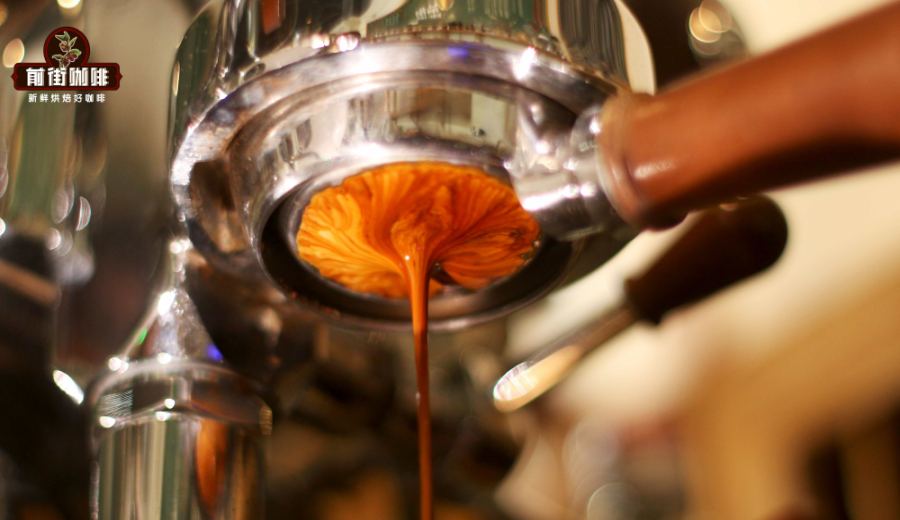
Introduction:Have you ever encountered a situation where all your extraction parameters seem correct, yet the espresso tastes sour, thin, and even has holes in the puck? This is likely caused by "channeling"!This article delves into the causes of channeling—including factors such as coffee bean selection, dose-to-basket ratio, dosing and distribution techniques, and tamping methods—and provides specific improvement suggestions to help you pull more stable, balanced espressos while reducing the chances of splashing and puck holes.
When making espresso, even if all the parameters appear to be fine, sometimes the flavor can come out as overly sharp and thin. Upon knocking out the puck, you might even notice obvious holes on its surface. This is usually due to the effects of "channeling."
Channeling refers to the phenomenon where water, as it passes through the coffee puck, finds certain areas of lower resistance and flows through these paths more quickly, rather than evenly penetrating the entire coffee bed. As a result, some coffee particles are under-extracted, while others are over-extracted, leading to an imbalanced flavor profile in the espresso and often accompanied by splashing and puck punctures.
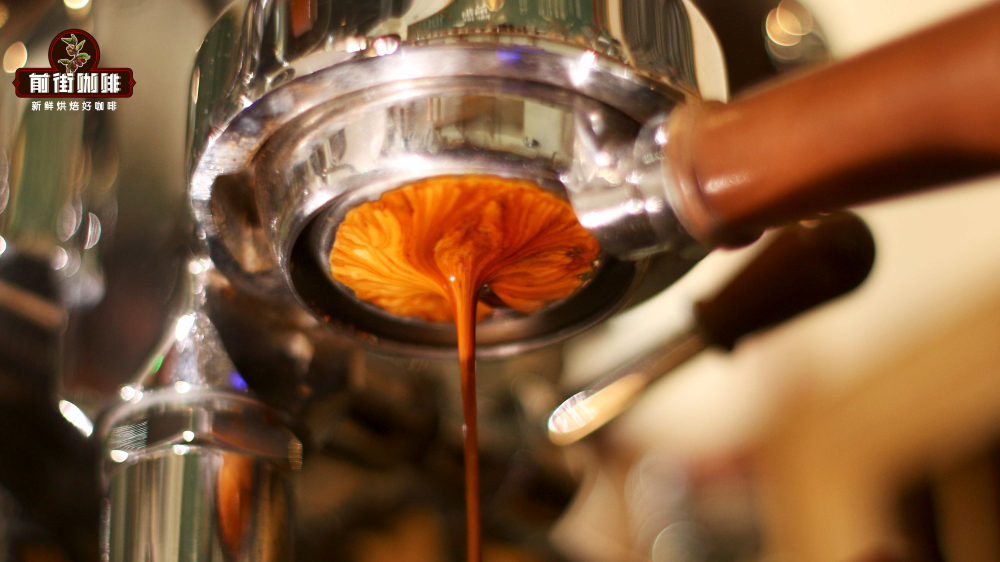
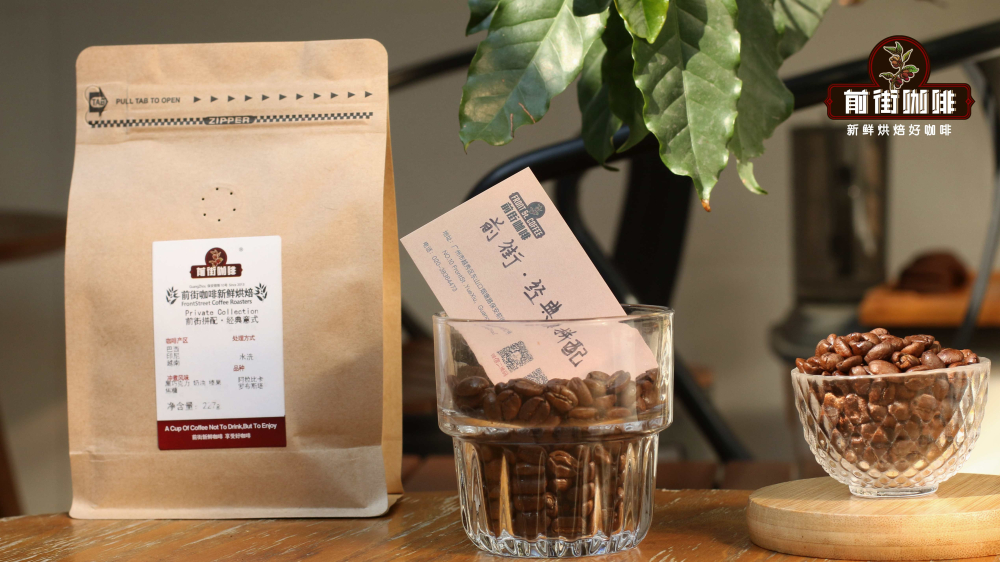
So why does channeling occur? Let’s first take a look at the impact of the coffee beans themselves. Freshly roasted coffee beans contain a large amount of carbon dioxide, especially medium to dark roasted espresso beans. These gases are rapidly released when heated, disrupting the evenness of coffee extraction. Therefore, it’s recommended to let freshly roasted beans rest for7~10 daysto allow the majority of degassing to occur—this “resting” period helps improve extraction stability. If you’re just starting out, you might consider trying a medium to dark roast blend that combines characteristics of Brazilian, Mandheling, and Vietnamese beans. It offers a smooth crema with flavors of butter, chocolate, hazelnut, and caramel, and is known for its stability. If you prefer floral and fruity profiles, you could also try a medium roast espresso blend featuring beans from Costa Rica, Colombia, and Ethiopia, highlighting notes of rose, citrus, grape, and dried blueberry. When milk is added, it takes on a strawberry taffy-like aroma.
Beyond the beans, the match between dose and basket size is another key factor influencing channeling. If the dose is too low, many people tend to grind the coffee finer in order to achieve ideal extraction yield—but this can easily lead to clumping and uneven distribution of the coffee bed, increasing the risk of channeling. Additionally, an insufficient dose increases the distance between the puck and the group head, causing water to flow more easily along the edges and fail to fully extract the coffee in the center.
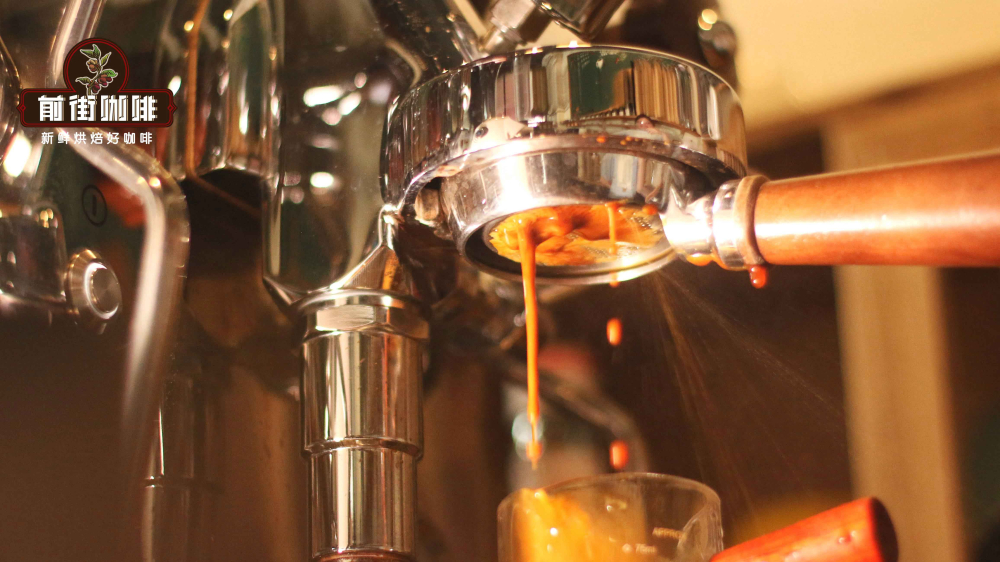 Next are the steps of dosing and distributing the coffee. Though these actions may seem simple, improper execution can directly lead to uneven coffee bed density, which in turn affects extraction uniformity. An uneven coffee bed will cause water to find the path of least resistance, forming channels and resulting in over-extraction in some areas and under-extraction in others. Therefore, it’s essential to ensure that the coffee is evenly distributed in the basket during dosing, and that the distribution is flat and free of obvious gaps—pay attention to the edges as well.
Common distribution techniques include the “flat distribution method,” which involves using your fingers to level and evenly spread the coffee either in a “four-directional” or “rotational” manner. Another approach is the “tool-assisted distribution method,” which utilizes tools such as distribution stirrers, leveling tools, sieves, or rotational aids to help distribute the coffee more evenly in the basket. Choosing a method that suits you can help improve the consistency of the coffee bed.
Finally, tamping is also a critical step affecting the uniformity of extraction. The purpose of tamping is to compress the coffee grounds firmly so that pressurized hot water can evenly penetrate the entire coffee bed. When tamping, it’s important to maintain avertical and evenforce to avoid tilting or inconsistent density in the puck. Improper tamping can cause water to flow from higher to lower areas, forming channels. In addition, the tamper must be compatible with the basket being used; otherwise, parts of the coffee bed may not be properly compressed, further increasing the likelihood of channeling.
 In summary, to reduce the occurrence of channeling, the primary task is to ensure the coffee beans are sufficiently rested to minimize degassing interference. Next, choose a dose that matches the capacity of your basket to avoid structural instability in the coffee bed caused by improper dosing. Then, maintain even distribution during dosing and distribution to ensure a flat, gap-free coffee bed. Lastly, tamp with steady technique, consistent pressure, and a tamper that fits your basket. Mastering these key points will effectively reduce splashing and puck holes, making each espresso extraction more stable and flavorful.
The above content is compiled by CoffeeHunters, a coffee news website.


