








Introduction:To consistently brew a well-balanced pour over coffee, mastering the coffee dosage, coffee-to-water ratio, and blooming technique is key. This article provides an in-depth explanation of why 15 grams of coffee, a 1:15 ratio, and a 225 ml extraction yield are commonly used, while comparing these with typical espresso brewing parameters to help you establish a scientific brewing framework. Using Ethiopian Yirgacheffe washed beans as an example, we’ll walk through the step-by-step V60 three-stage pouring process—including details such as blooming for degassing, pouring height, and pulse pouring rhythm—to help beginners get started smoothly and reduce issues like under-extraction or over-extraction that lead to off-flavors.
To consistently brew a delicious pour over coffee, several factors are closely interlinked: coffee dosage, grind size, coffee-to-water ratio, brew time, and pouring technique. Each element directly impacts the final cup profile. This piece will delve into how precise parameter combinations and techniques can help you brew a balanced and layered coffee.
How much coffee should you use for a pour over?
In standard brewing scenarios, using about15 grams of coffeeis a common choice. This amount is closely related to the ideal concentration range recommended by the SCAA (Specialty Coffee Association of America)—1.2% to 1.45%. To maintain the concentration within this range, the coffee-to-water ratio is usually set between1:12 and 1:15. For example, at a 1:15 ratio, about 150 ml of water is needed for 10 grams of coffee.
Based on practical testing and experience,a 1:15 ratiois considered a more forgiving setting for most coffee beans and is also the standard adopted by many specialty shops today. Of course, some users prefer ratios like 1:14 or 1:17—if your personal taste allows, you can adjust accordingly. The key is to calculate the appropriate final yield based on the ratio: with 15 grams of coffee and a 1:15 ratio, you can extract about225 mlof brewed coffee, which is an ideal single serving size.
What’s the difference in coffee-to-water ratio between pour over and espresso?
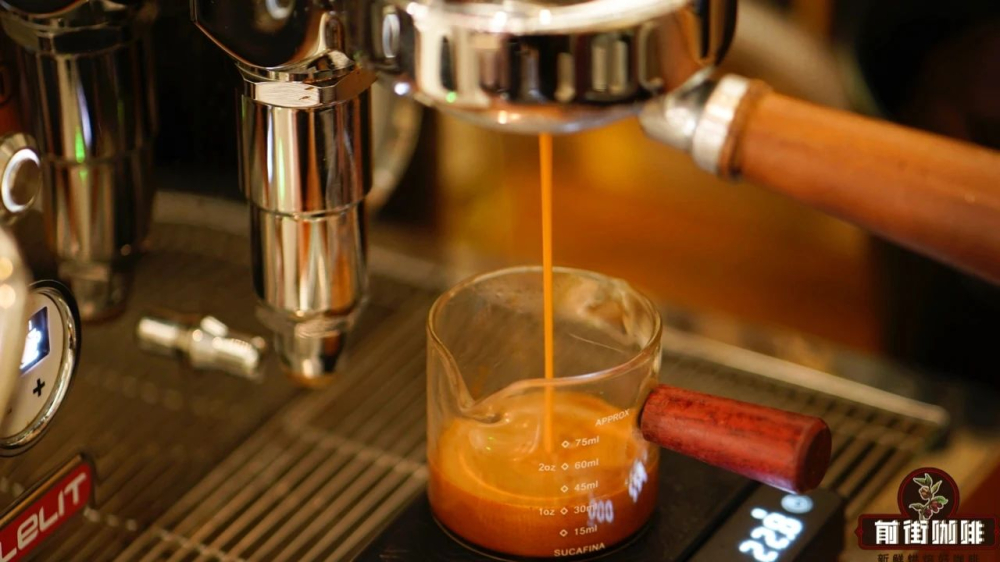
The coffee-to-water ratio for espresso is significantly different from that of pour over. Due to the short extraction time and high pressure in espresso machines, a much higher concentration is typically used. For a common setup,about 10 grams of coffee yields around 20 ml of espresso, translating to a ratio of roughly1:21:2 (not explicitly stated but implied)
Common espresso brewing ratios used in the industry include:
- Ristretto: 1:1 to 1:1.5
- Regular espresso: 1:1.5 to 1:2.5
- Lungo: 1:2.5 to 1:3
These values can serve as benchmarks for adjusting espresso extraction, but final settings should still be fine-tuned according to equipment and bean characteristics.

Example: Ethiopian Yirgacheffe washed beans – V60 three-stage pour over process
Next, we’ll use Ethiopian Yirgacheffe washed Gedi Coffee beans as an example to demonstrate the actual V60 three-stage pour over method. These beans are grown at altitudes of 1900–2300 meters, processed via washed method, and exhibit flavor notes of tropical fruit, cream, honey, berries, and citrus.
Brewing parameters are as follows:
- Filter: V60 #01
- Water temperature: 90–91°C
- Coffee dosage: 15 grams
- Coffee-to-water ratio: 1:15
- Grind size: Medium-fine (approximately 80% passing through a #20 sieve)
Three-stage extraction steps:
Stage 1: Blooming (key for degassing)
The main purpose of blooming is to allow the coffee grounds to release carbon dioxide built up during roasting, helping water penetrate evenly afterward and improving extraction consistency. Freshly roasted beans, especially light to medium roasts, show obvious bubbling during blooming, indicating active degassing.
Key points:
- Gently flatten the surface of the coffee grounds to ensure even distribution.
- Pour about30 grams of waterfor a30-second bloom.
- Keep the pour gentle and avoid hitting the center of the coffee bed directly to prevent channeling.
- During blooming, try to minimize the amount of drip-through. Too much early drip can affect later extraction. It’s recommended to keep the bloom pour to about twice the coffee weight (around 30 grams), and observe the coffee bed as it expands and then begins to contract—usually after about 30 seconds, you can begin the main pour.
Stage 2: Center pour, controlling coffee bed height
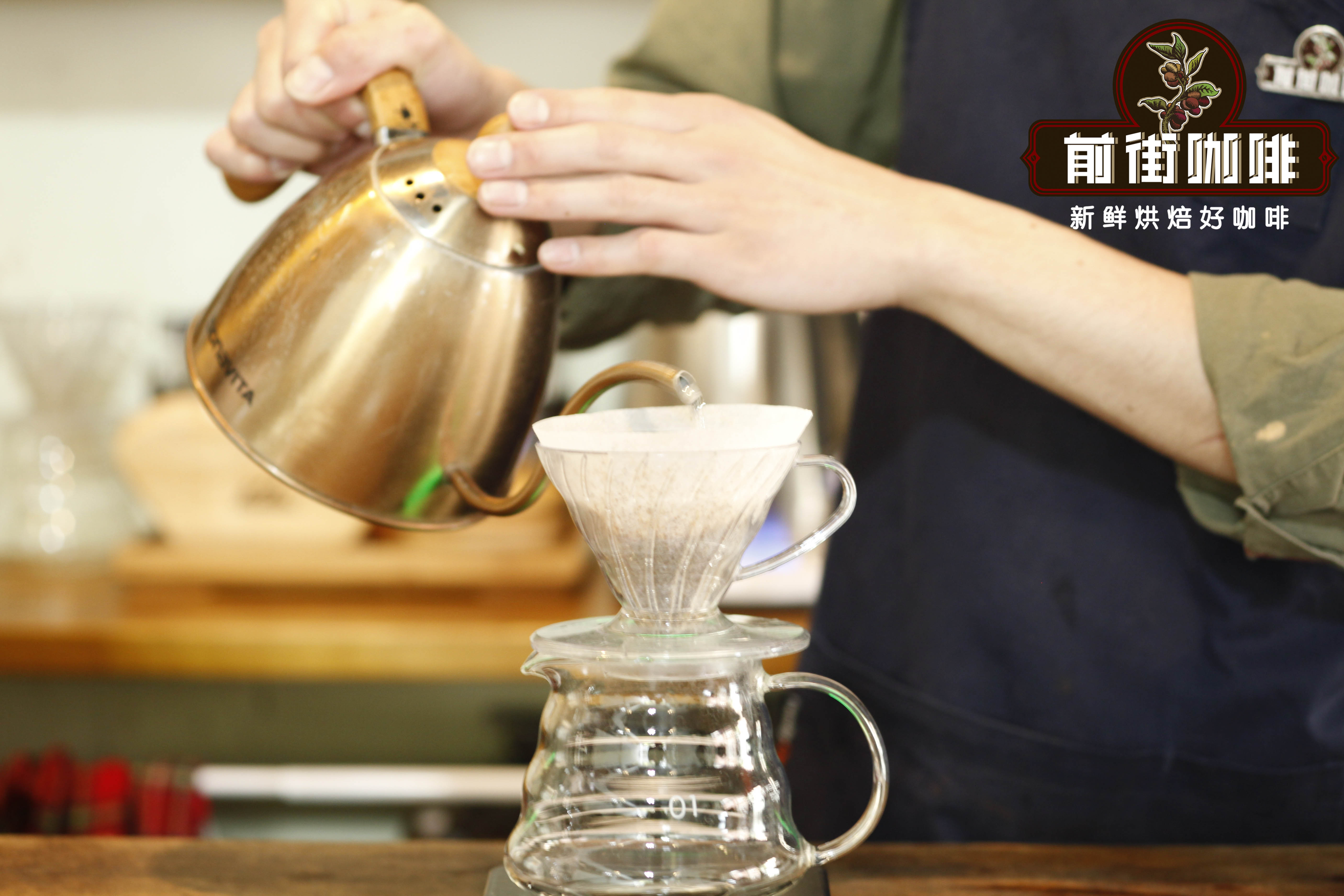
After blooming, start pouring slowly from the center of the coffee bed with a small stream, spiraling outward gradually from a circle about the size of a one-yuan coin. The goal is to pour about95 grams of water(scale reading around 125 grams total), completed withinabout 1 minute. Be careful not to let the water level exceed the height of the coffee bed; stop pouring when the stream approaches the edge of the filter paper.
Stage 3: Monitor water level, continue even pouring
As the coffee bed absorbs water and begins to sink, once the water level drops to abouttwo-thirdsof the coffee bed height, begin the third pour. The target is to pour100 grams of water(scale reading around 225 grams total), ideally completed within1 minute and 35 seconds. Pour again from the center with small circles, maintaining a steady flow to encourage even agitation of coffee particles and release more soluble compounds.
When the total water poured nears225 gramsand the dripping time falls between2 minutes 00 seconds and 2 minutes 10 seconds, you can remove the filter and end the extraction.
Flavor profile:The cup features bright citrus and black tea notes, with evolving undertones of cream, caramel, and almond as it cools, delivering a clean, sweet, and refreshing mouthfeel with a distinct aftertaste.
Key details of the three-stage pour
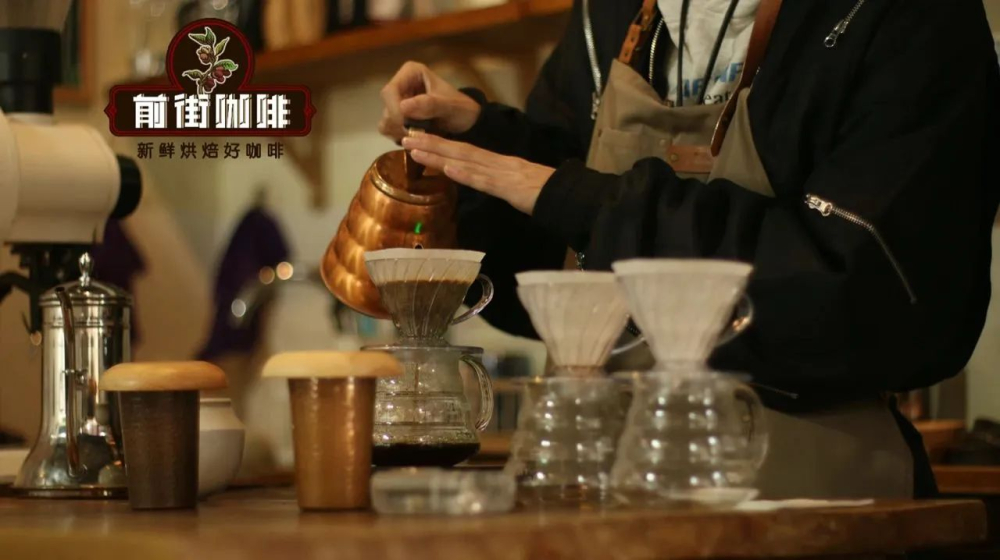
The three-stage method works well for light to medium roasted beans. By segmenting the pours, it highlights different flavor stages while improving overall extraction stability. Below are a few common tips for blooming and pouring:
- Always flatten the coffee bed surface before blooming to ensure even heating.
- Keep the pour smooth and gentle to avoid disrupting the coffee bed structure.
- Aim to keep the bloom time around30 seconds; too long may cause bitterness, too short may lead to under-extraction.
- Maintain a smooth pulse-pour rhythm—avoid frequent interruptions that may result in over-soaking in the final stage and unwanted astringency.
With these foundational parameters and techniques, even pour over beginners can gradually achieve balanced and layered cups of coffee.


The above content is compiled by CoffeeHunters, a coffee news website.


