







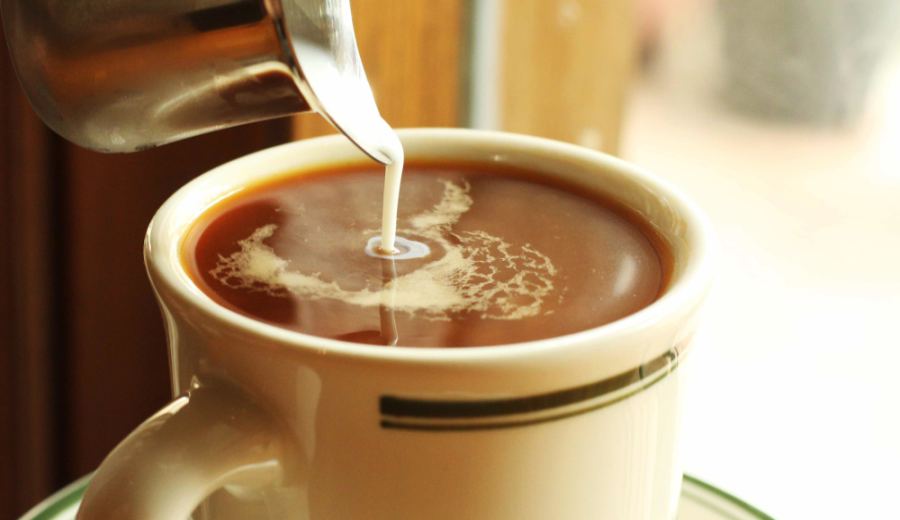
Introduction:The practice of pairing pour over coffee with milk actually originates from the 17th-century French "Café Au Lait," which later spread to Japan and evolved into a locally adapted, high-concentration version. Whether this combination can deliver a delicious experience depends on the roast level of the coffee beans and the appropriate brewing parameters. This article explores the historical background and flavor pairing principles of pour over with milk, using a medium-dark roast bean as an example to share practical steps and tasting insights, helping you master the techniques for making this classic coffee beverage.
"Can I add milk to my pour over coffee?" This question often sparks debate among coffee enthusiasts. In fact, this combination has been popular since the 17th century in France, known as "Café Au Lait," or "Eu Lai Coffee" in Chinese. It involves extracting coffee via pour over or immersion methods and then mixing it with an equal proportion of hot milk to create a smooth and layered beverage. As drinking habits evolved, this method made its way to Japan, where local baristas refined it into a Japanese-style version featuring a higher-concentration pour over base paired with milk, resulting in a distinctly different flavor profile.
Choosing a pour over coffee suitable for adding milk involves roast level as a key factor in determining flavor expression.Medium-dark roastcoffee beans typically exhibit prominent notes of nuts, caramel, and even chocolate. When paired with milk, they can yield a harmonious mouthfeel reminiscent of butter and dark chocolate, balancing bitterness and sweetness for a smoother overall profile.In contrast, medium-light roast coffeeemphasizes bright acidity and fruity aromas. Once milk is added, the acidity can be easily neutralized or masked, often resulting in a diluted milk drink with subdued acidity and significantly reduced flavor complexity.
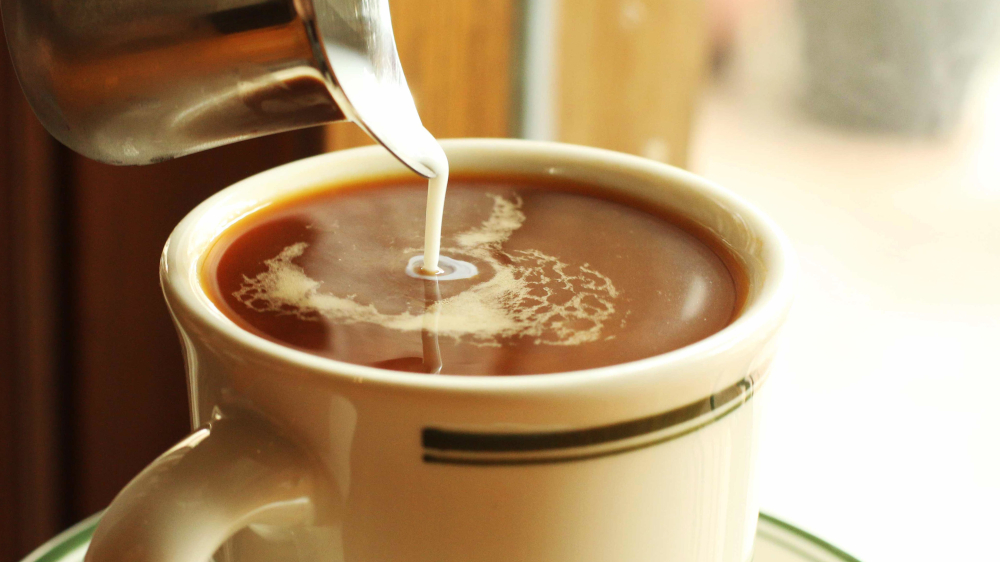
One common misconception is that pour over coffee should be consumed black to preserve its "original flavor." However, the "original flavor" of coffee fundamentally stems from the characteristics of the beans, not the brewing method. Tools like pour over drippers, French presses, and siphons are simply different means of presenting the flavors within the beans. Therefore, the focus should not be on whether "pour over can be paired with milk," but rather on "how to pair it for the best taste." Understanding this allows us to choose suitable beans and pairing methods based on personal taste preferences.
If you’d like to try pour over coffee with milk,it’s recommended to prioritize medium-dark roast beans, such as Indonesia’s Golden Mandheling, Colombia’s Huila variety, or blends from Central and South America. These beans usually boast rich aromas of caramel, nuts, and chocolate, which, when combined with milk, can bring out a toffee-like sweetness and create a full-bodied mouthfeel. In comparison, more acidic medium-light roast beans are less suitable, as they tend to lose their distinctive qualities when milk is added.
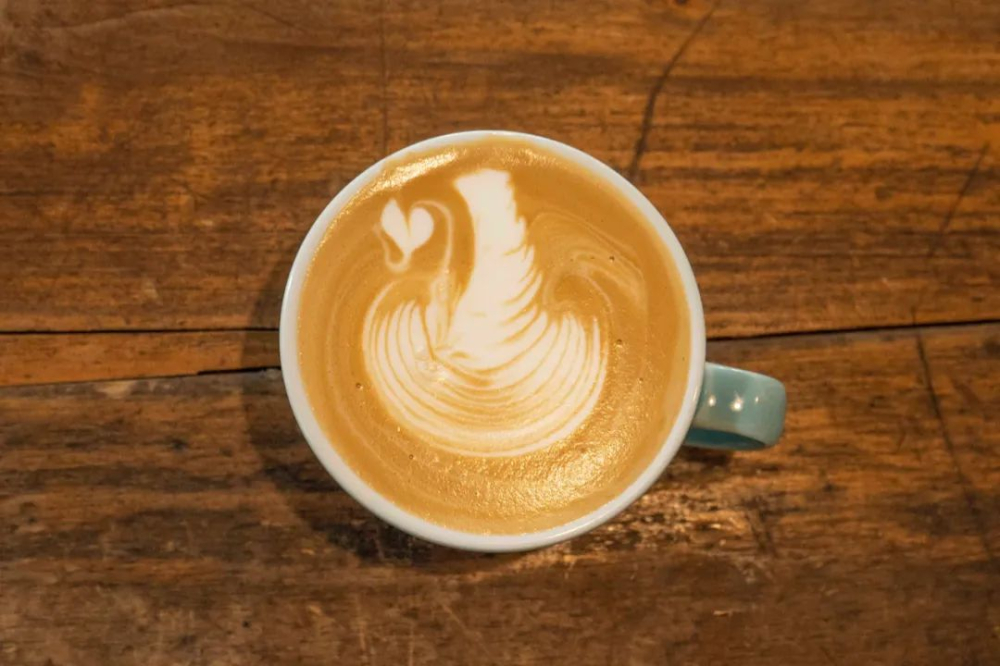
Next, we’ll use a medium-dark roast bean as an example to guide you step-by-step in making a classic-style "Eu Lai Coffee." Below are reference parameters and steps suitable for those who want to try this at home:
Experimental Materials Preparation:
Coffee beans: 15 grams (recommended medium-dark roast, such as Golden Mandheling)
Grind size: Approximately EK43 scale 10.5, with about 75% passing through a #20 sieve
Coffee-to-water ratio: 1:9 (aiming for a more concentrated coffee extraction)
Water temperature: Around 90°C
Filter: Flannel filter cloth (recommended to pre-wet and preheat)
Milk: About 100 milliliters, ideally preheated to 65–70°C before use
Practical Steps as Follows:
1. First, heat and preheat the milk to 65–70°C, then set aside.
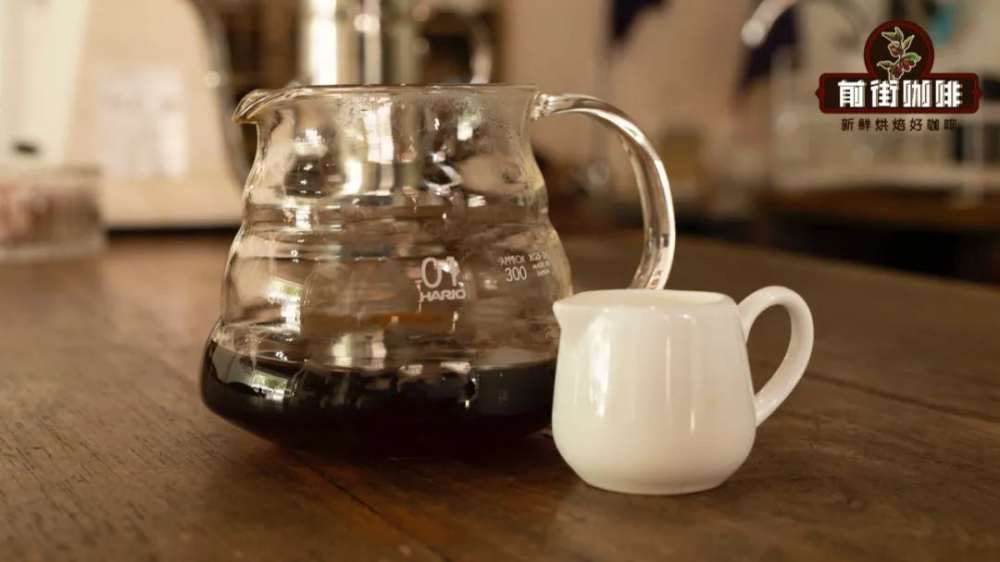
2. Place the flannel filter cloth on the filter holder or container, and add the ground coffee.
3. Pour about 30 milliliters of hot water for a 30-second bloom to awaken the coffee grounds.
4. Then, slowly pour water in a circular motion from the center. Once the water level drops slightly, pour again. Repeat this process until the total water volume is reached, using the "Japanese volcano pour" technique—small, multiple pours to extend extraction time for a richer coffee liquid.
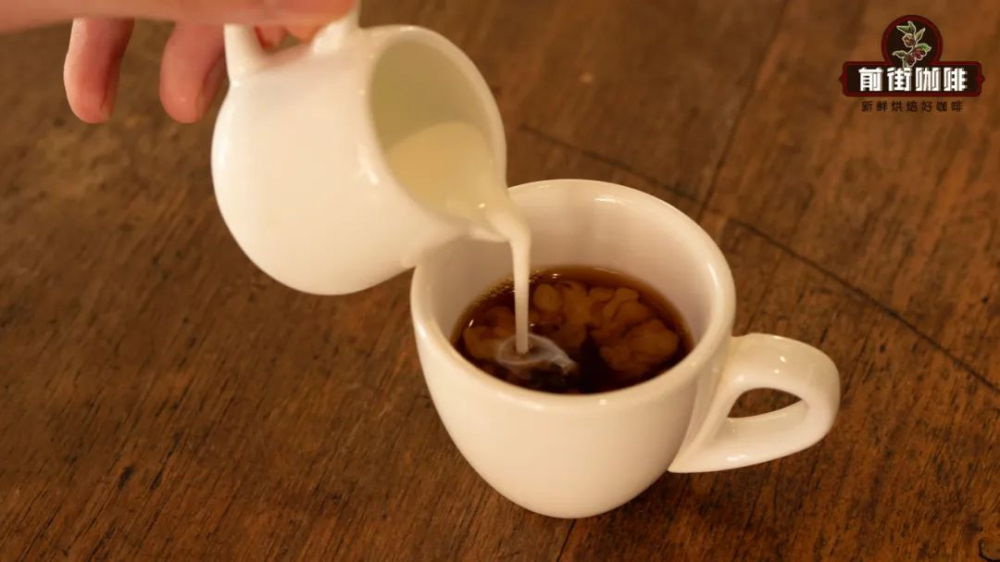
5. Pour the extracted coffee into a cup, then add an equal amount of warm milk (approximately a 1:1 ratio).

6. Stir gently and enjoy—a cup of Eu Lai-style pour over coffee that blends French romance with Japanese delicacy is complete.
Upon tasting, you’ll notice the milk’s sweetness harmonizing with the chocolate notes in the coffee, delivering a subtle toffee-like warmth. The overall mouthfeel becomes smoother and fuller thanks to the milk, while the original aromatic layers of the coffee remain faintly perceptible and are not entirely overshadowed. This drink is a very approachable and multi-dimensional option for those unaccustomed to strong coffee or who prefer a milk-forward flavor profile.
The above content is compiled by CoffeeHunters, a coffee news website.


