








Introduction:Many beginners who enjoy single-origin coffee often choose Mandheling to avoid acidity. However, after actually brewing it via pour over, they may perceive a slight acidity, which slightly differs from the rich, sweet-and-bitter flavors they expect. This article delves into the background of this classic Indonesian bean by exploring the origin of the name "Mandheling," the definition of Golden Mandheling, the characteristics of the Ateng variety, and the wet-hulling process. It also examines the possible reasons for its acidity and provides roasting and Kono filter cup extraction suggestions for Golden Mandheling to help you better understand and brew a Mandheling with layered complexity.
Many newcomers to single-origin coffee, especially those wishing to avoid acidity, often specifically ask for “a cup of Mandheling.” However, sometimes the brewed Mandheling has a hint of acidity, differing from the commonly imagined sweet-and-bitter richness. What should the flavor profile of Mandheling be? Why does it sometimes present acidic notes? This article will comprehensively break down the origins of this classic coffee bean—from the etymology of "Mandheling," the definition of PWN Golden Mandheling, the traits of the Ateng variety, to Indonesia’s unique wet-hulling processing method—and analyze the reasons behind its acidity. Additionally, it offers roast curve suggestions for Golden Mandheling and a step-by-step extraction guide using the Kono filter cup, helping you brew a well-balanced and rich Mandheling.
 Many consumers new to single-origin coffee—especially those more sensitive to acidity—often approach baristas at coffee shops and say: “Please give me a pour over coffee that’s not acidic.” In such cases, baristas usually recommend Mandheling. But when you take your first sip, the feedback may not be the expected richness, but rather a slight acidity—sometimes even puzzling, as shouldn’t Mandheling offer deep-roast sweetness and smoky aftertastes? Some drinkers recall that their first experience with Mandheling was filled with herbal aromas, followed by a delightful sweetness and smoky finish in the latter part. Yet, when trying it again at different shops, they encountered noticeable acidity. This naturally raises the question: what is the standard flavor profile of Mandheling?
As for the term “Mandheling,” it actually originated from a misunderstanding. Originally, the word referred to the Mandailing tribe in Indonesia, not a coffee variety. During World War II, a Japanese soldier in Indonesia tasted a rich and aromatic coffee and asked the shop owner for its name. The owner misunderstood the question as being about his origin and replied: “Mandailing.” After the war, the soldier tried to contact an Indonesian coffee trader through friends to import this coffee, but mistakenly referred to “Mandailing (Mandailing)” as “Mandehling (Mandehling).” This interesting double misunderstanding led to the widespread use of the name “Mandheling,” and the coffee trader in question was none other than the later-renowned PWN Coffee Company.
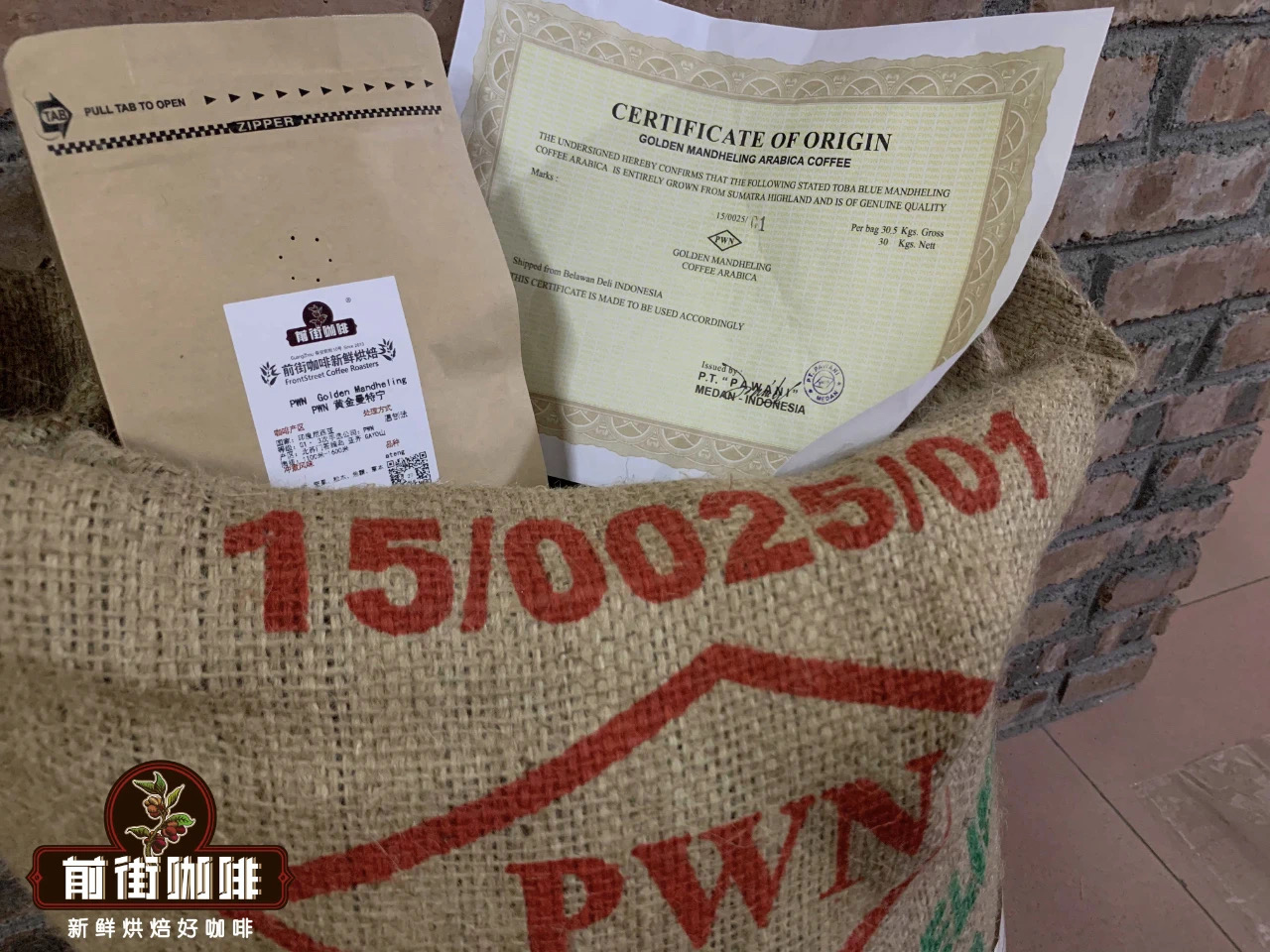
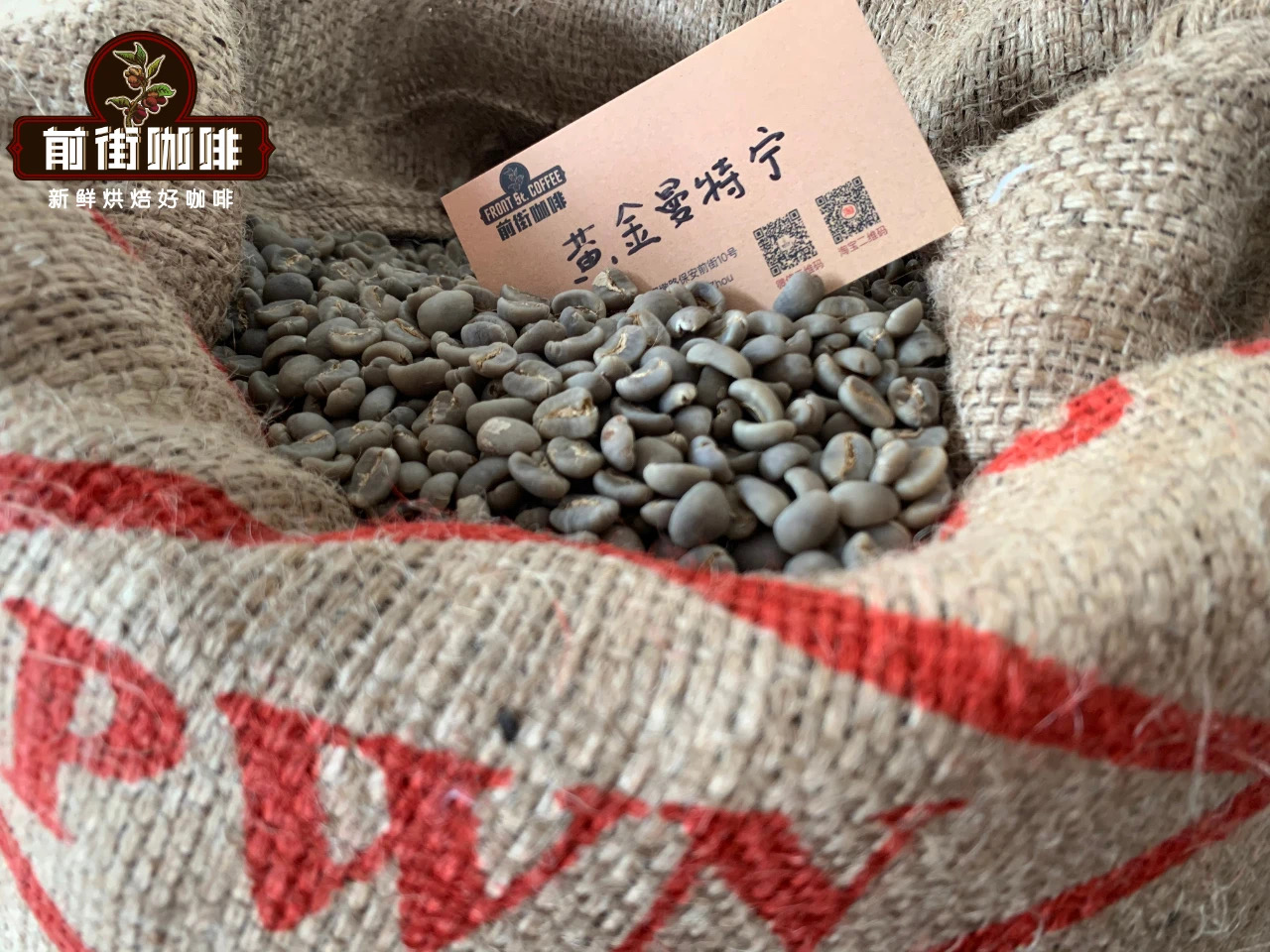 When it comes to Mandheling, many people immediately think of “PWN Golden Mandheling.” PWN is short for Pwani Coffee Company, a company deeply rooted in Indonesia’s coffee-growing regions, with the most extensive procurement network across the country’s highest-quality producing areas. They conduct rigorous manual selection of purchased beans, choosing only plump, flawless ones—these carefully selected beans are then called “Golden Mandheling.” Notably, PWN later registered “Golden Mandheling” as a trademark, meaning that currently only beans produced by PWN can be considered authentic. These Golden Mandheling beans mainly come from the Aceh region of Sumatra.
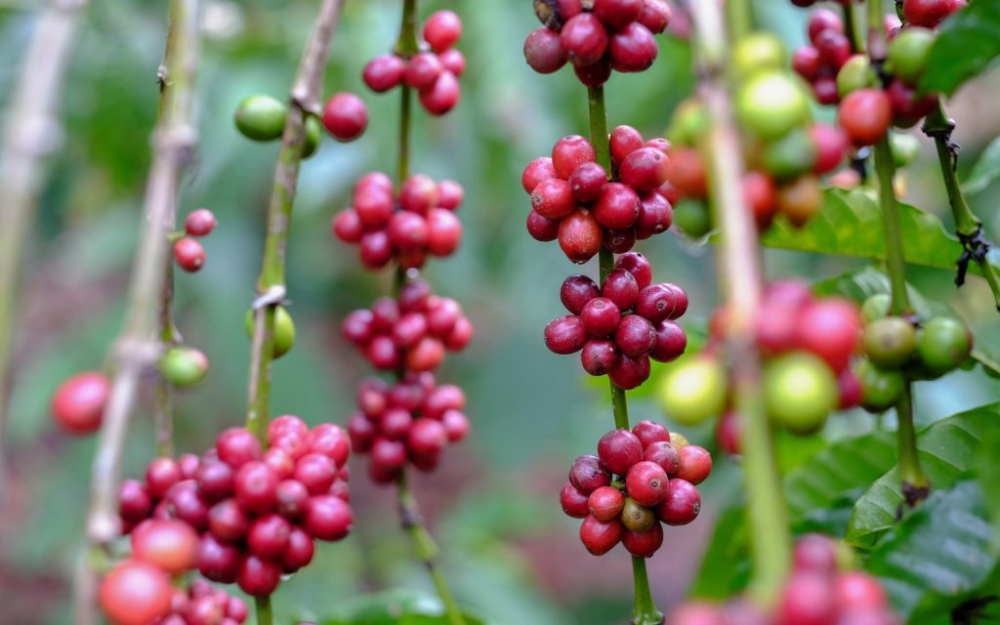
In terms of variety, many commercially available Mandhelings actually use the Ateng variety, which is also known as Catimor. This is a hybrid of the Timor variety (a Robusta species) and the Bourbon-mutated Caturra variety (a Bourbon variant), and while it is classified as Arabica, it carries Robusta genetics—thus offering disease resistance and high yield. Ateng is primarily grown in Sumatra and some Indonesian islands, with relatively short plants suitable for dense planting, and new leaves that appear reddish-brown. However, it also has drawbacks, including a short lifespan (typically around ten years), and a need for ample fertilizer and shade, otherwise its quality can be compromised.
 When mentioning the distinctive flavor of Indonesian Mandheling, many immediately think of its intense cocoa notes, as well as unique herbal, earthy, and spicy aromas. These flavor characteristics are inseparable from the “wet-hulling” processing method used. Compared to washed and natural processes, wet-hulling is a coffee processing technique unique to Indonesia. This method originated from the region’s rainy and highly humid environment, which makes sun drying difficult, coupled with limited water resources, leading farmers to develop this process that accelerates drying while retaining some of the coffee’s inherent flavors.
The general workflow of wet-hulling is as follows: First, the harvested coffee cherries are depulped to remove the outer skin, and the parchment-covered beans are soaked in water tanks to remove floaters, leaving behind the denser, sinking beans. Then, a brief dry fermentation takes place, with fermentation times ranging from several hours to over a day—the longer the fermentation, the more pronounced the acidity may become. Next, the parchment beans are lightly sun-dried for one to two days until their moisture content drops to 30%-50%. At this stage, the beans still maintain a certain hardness but are ready for hulling. After the parchment layer is removed, the beans continue to be sun-dried until their moisture content falls to 12%-13%, and finally, they undergo hulling and grading. Since the beans are directly exposed to air after hulling, they are prone to mold, resulting in a higher defect rate—but this also contributes to Mandheling’s unique complex flavors, including herbal, earthy, and spicy notes.
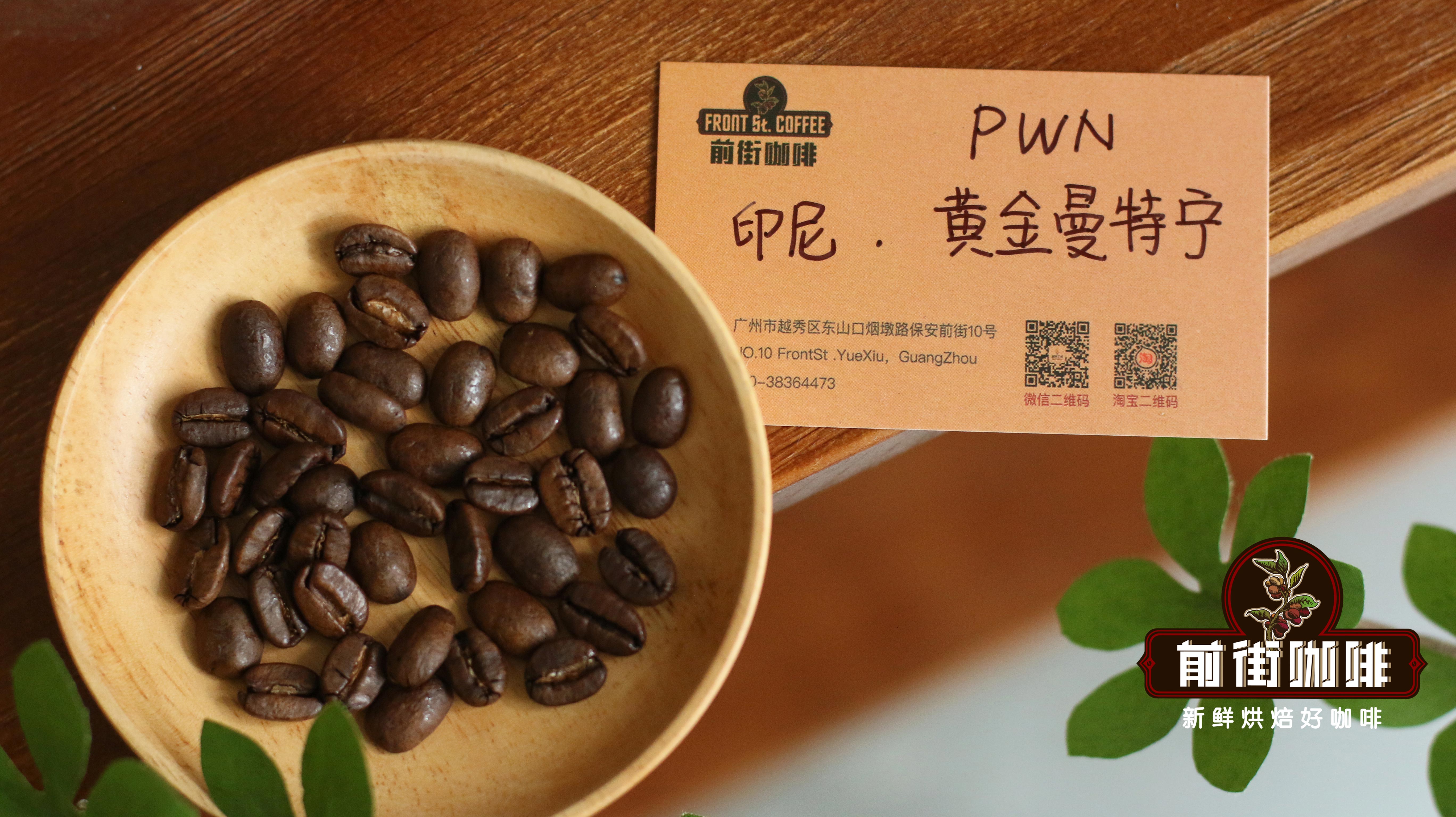
So why do many people associate Mandheling with a sweet-and-bitter richness, yet occasionally taste acidity? In fact, Mandheling green beans inherently have relatively high acidity. During medium-light to medium-dark roasting stages, fruit acids transition from prominent to mellow. If the roast level is insufficient or extraction is improper, the acidity can easily become pronounced. One coffee business conducted light, medium, and dark roast tests on the same batch of Golden Mandheling and found that each roast level had its own expression—but dark roasting indeed suppresses acidity more effectively and highlights richness and smoky qualities. This is also why most Mandhelings on the market are dark roasted—not only to mask flaws brought by the variety and processing method, but also to align with the taste preferences of the Japanese market.
If you wish to brew a Mandheling with balanced flavors, richness, and low acidity, it is recommended to choose beans roasted to medium-dark or darker levels, and pay attention to stable extraction parameters. Below are roasting and Kono filter cup extraction suggestions for Golden Mandheling to help you manage the key variables.
【Roasting Suggestions】
Roast Level: Medium-Dark Roast
Goal: Reduce acidity, enhance richness, and improve overall balance
Special Notes: Due to the relatively high moisture content of the green beans, during the drying phase it is recommended to close the air vent, let the beans rest (pre-infuse) for 30 seconds before gradually adjusting the air vent. After first crack, increase ventilation and extend the development time to stabilize flavor development.
【Extraction Suggestions】
Filter Cup: Kono Filter Cup (with fewer ribs located at the bottom, reducing airflow exchange and extending water-coffee contact time)
Water Temperature: 88°C
Coffee Dose: 15 grams
Coffee-to-Water Ratio: 1:15
Grind Size: Medium-Fine (recommended EK43s setting 11, adjust slightly based on actual conditions)
Brewing Method: Step brewing—start with 30 grams of water for a 30-second bloom, then pour in small circles to reach 125 grams for the first pour. After the water level drops, continue pouring to 225 grams. Total brew time is approximately 2 minutes.
The design of the Kono filter cup restricts airflow, allowing the water and coffee grounds to have a longer contact time, which helps enhance the rich mouthfeel and overall balance. As long as you control the grind size, water temperature, and pouring rhythm well, you can fully bring out the nutty, chocolatey, and spicy layers of Mandheling, while avoiding overemphasis on acidity.
The above content is compiled by CoffeeHunters, a coffee news website.


