







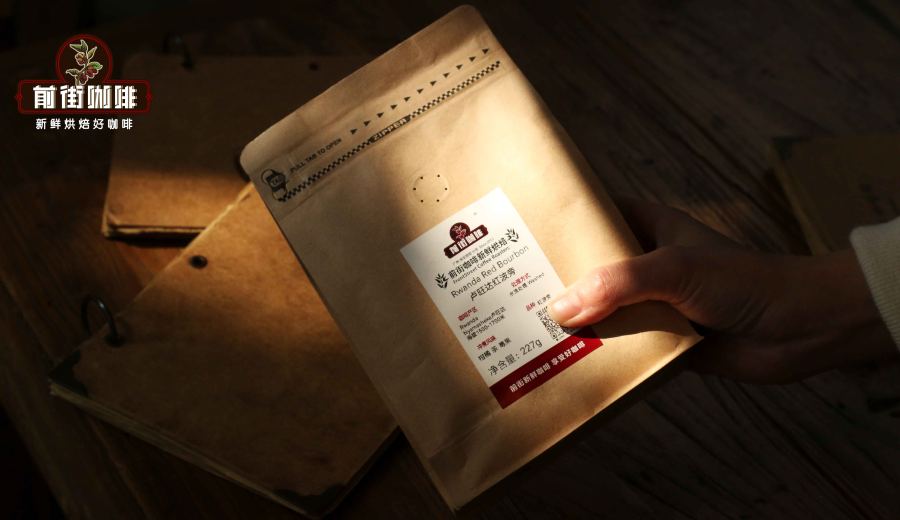
Introduction:As an emerging specialty coffee origin in Central Africa, Rwanda has leveraged its high altitude and washed processing techniques to produce uniquely flavored coffee beans. This article delves into the country’s growing environment, evolution of processing methods, characteristics of renowned producing regions, and analyzes achievements in COE competitions and the origins of Starbucks’ Blue Bourbon. It also provides practical brewing parameters, cupping flavors, and roasting recommendations for Rwanda’s Gatagara washed Bourbon and Nyanza washed beans, helping you master these subtly flavorful African specialty coffees.
Rwanda, an inland Central African country known as the “Land of a Thousand Hills,” may be small in size but boasts globally rare high altitudes and diverse microclimates, making it an excellent terroir for cultivating specialty coffee. In recent years, Rwanda’s Gatagara washed Bourbon and Nyanza washed beans have gradually gained international attention, not only for their rich flavor profiles but also for their comprehensive washed processing workflows and regional management, which have solidified their status as specialty-grade coffees. This article will comprehensively analyze these highly acclaimed Rwandan coffee beans—from origin background, development history, and processing technology, to practical cupping and brewing suggestions.
The History and Industrial Transformation of Rwandan Coffee
Coffee cultivation was introduced to Rwanda during its colonial rule by Germany and Belgium in the early 20th century. Although production increased significantly due to colonial demand, exploited farmers and stringent export policies led to generally poor coffee quality. It wasn’t until after independence, with the establishment of the official coffee organization OCIR, that the production system began to improve gradually. Production peaked in the 1980s but then plummeted due to political turmoil in the early 1990s. Today, with social stability and industrial upgrading, Rwandan coffee has not only returned to the international stage but has also repeatedly made its mark in global competitions.
Notably, Rwanda has also been recognized in recent years as one of “the safest countries in Africa,” ranking ninth globally among cities in the “2017 World’s Safest Countries and Destinations,” highlighting its superior safety and environment, which also lays a solid foundation for the sustainable development of its coffee industry.
Growing Environment and Regional Characteristics
Rwanda is predominantly mountainous and plateau terrain, with altitudes generally ranging between 1,700 and 2,000 meters across the country. Coupled with a tropical highland and savanna climate, this creates a cool environment ideal for coffee cultivation. The nation has approximately 33,000 hectares of coffee-growing areas, with over 500,000 people engaged in the industry, mostly smallholder farms, allowing for the maintenance of meticulous farming advantages.
Major producing regions are concentrated in the south and west, such as the Huye Mountains and Nyamagabe region in the south, where high altitudes foster coffees with citrus and floral notes; while the Nyamasheke area by Lake Kivu in the west is known for its intense fruitiness and balanced acidity and sweetness. Although flavor differences between regions are subtle, trained cuppers can still discern unique regional characteristics.
The Development of Washed Processing and Key Initiatives
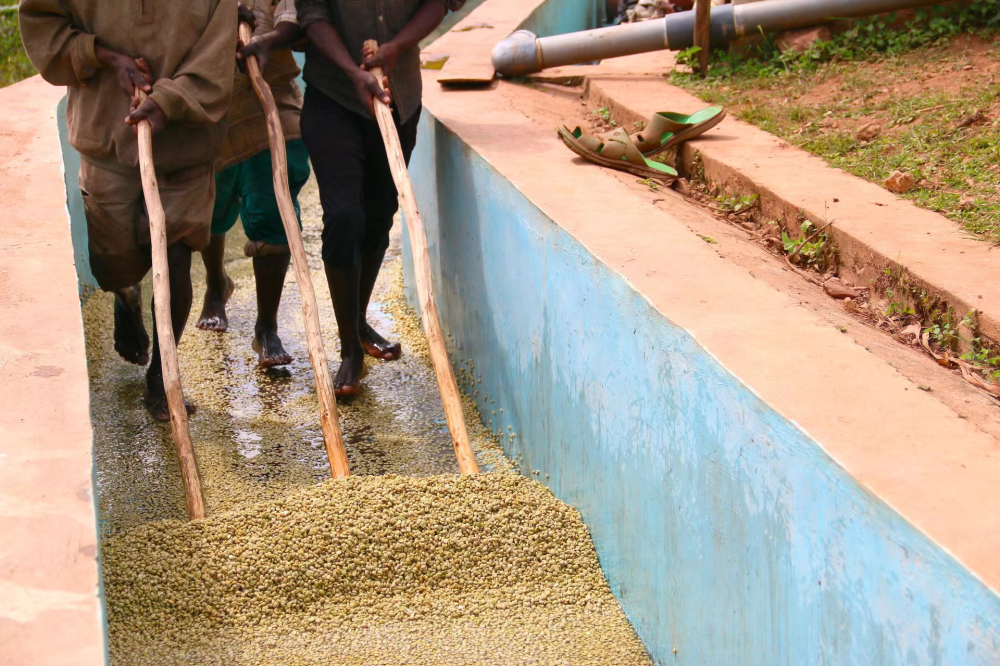
In 2000, following the civil war, Rwanda, in collaboration with institutions such as Michigan State University in the United States, launched the PEARL program (Partnership for Enhancing Agriculture in Rwanda through Linkages), aimed at improving coffee quality and farmer incomes. This initiative helped establish 46 modern washed processing facilities, making washed processing the country’s mainstream and significantly enhancing export quality and economic returns.
The subsequent SPREAD program (2006–2012) further focused on the livelihoods of smallholders and community development, while also promoting Rwandan coffee through the COE (Cup of Excellence) competition. The first COE held in 2008 garnered significant international attention, with the champion lot’s price rising year after year, reflecting its growing global recognition.
Challenges and Achievements of Rwandan Coffee
Despite consistently achieving outstanding results in COE competitions, Rwanda has also faced quality defect issues, such as two instances of the “potato defect” being detected, believed to stem from infestation by specific insects. Fortunately, these issues have improved significantly in recent years. These challenges have also prompted the region to enforce stricter quality control of green beans, ensuring each batch of coffee showcases its optimal flavors.
Rwanda Gatagara Washed Bourbon: Flavor and Brewing Insights
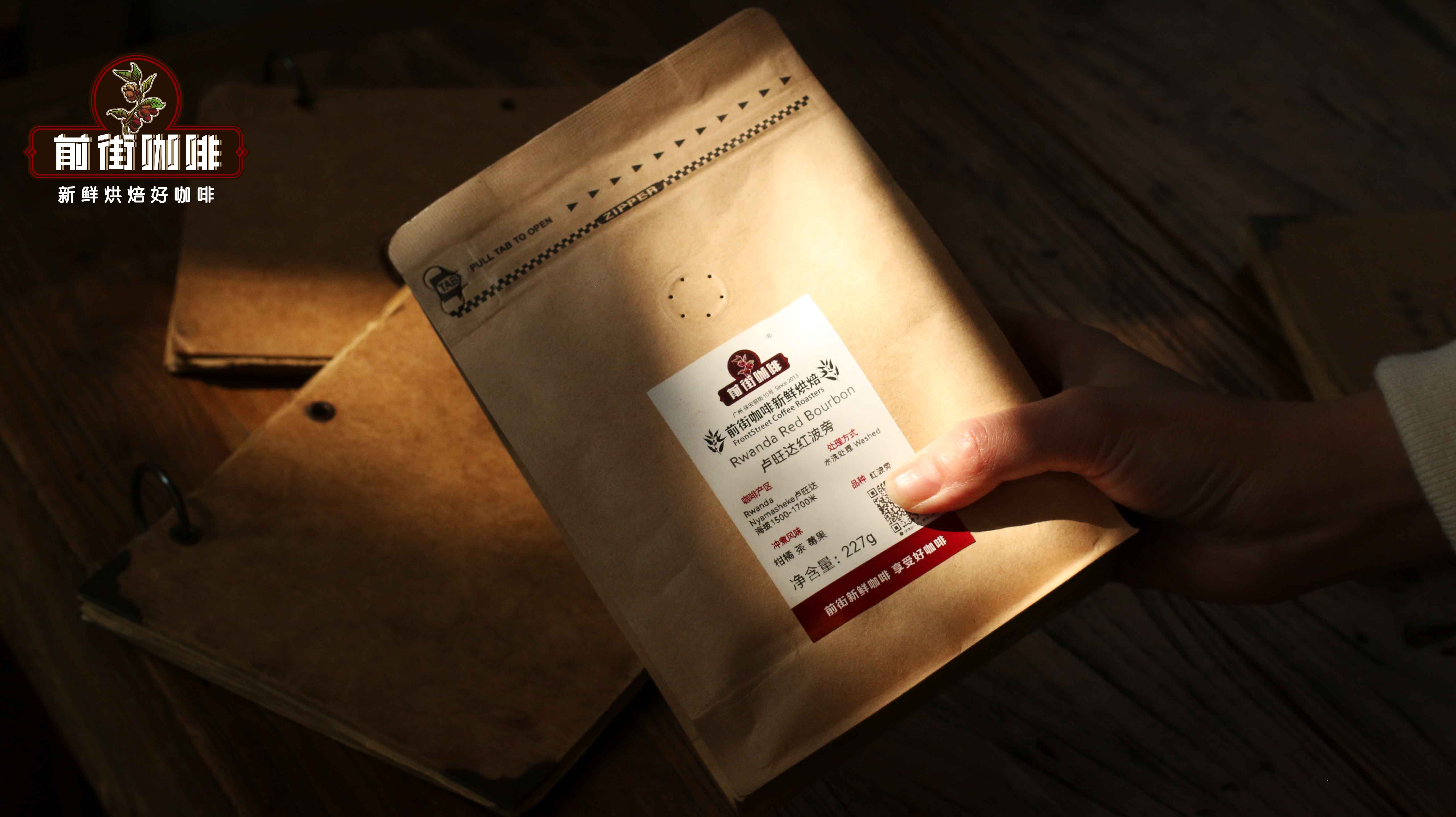
Produced at the Gatagara washing station in the Nyamasheke region, using Bourbon, Caturra, and Catuaí varieties grown at altitudes of 1,700 to 2,000 meters, this coffee undergoes refined washed processing to deliver bright acidity and layered fruity aromas.Medium-light roast is recommendedTo preserve its delicate flavors. For brewing, the V60 filter is recommended, with a water temperature of 90°C, a brew ratio of 1:15, and a grind size of about BG#5G (80% passing rate through a Chinese No. 20 sieve). Employ a pulse brewing method: bloom with 30 grams of water for 30 seconds, then pour in small streams up to 125 grams for the first pour, followed by pouring up to 225 grams, and extract for about 2 minutes. This highlights its citrus, berry, and honey sweetness, with an aftertaste of almond and chocolate notes.
Rwanda Nyanza Washed Beans: A Women-Led Specialty Flavor
Located in the Rusizi District in the west, the Nyanza washing station is composed of over a thousand smallholder farmers, three-quarters of whom are women. The beans are grown at an altitude of about 1,695 meters, primarily of the Bourbon variety. After washed processing, the beans exhibit clear citrus, raspberry, and honey aromas, with bright acidity and a juicy mouthfeel. Medium-light roast is also recommended, using the same brewing parameters to bring out its citrus-dominant profile and delicate nutty and walnut aftertastes, making it ideal for coffee lovers who enjoy a refreshing, sweet-and-sour cup.
In summary, Rwandan coffee, with its high-altitude washed processing, delicate flavors, and unique regional character, holds a distinct place in the global specialty coffee market. Whether it’s the balanced fruit acidity of Gatagara washed Bourbon or the refined nuttiness of Nyanza washed beans, they are both must-try highlights when exploring African specialty coffees.

The above content is compiled by CoffeeHunters, a coffee news website.


