







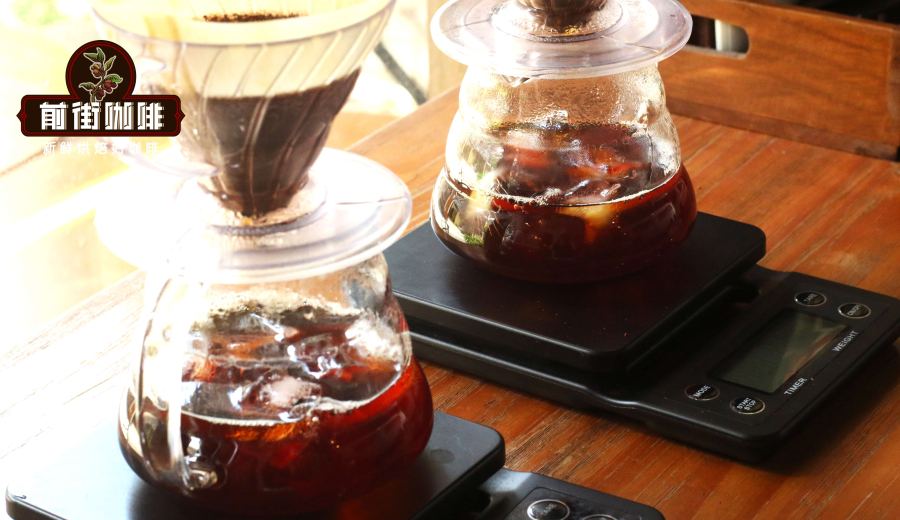
Introduction:Most espresso is made with blended beans, but do you know why blends have become the mainstream? This article delves into the origins of espresso blends, their blending purposes, the differences between fresh and pre-blended, and introduces four practical blend beans along with their flavor profiles and application scenarios. We also highlight the high-cost-performance "Black Cocoa Blend" based on Yunnan beans—great for moka pots and beginners—to help you find your ideal espresso bean choice.
In the world of coffee, single-origin beans are often used in pour over, while espresso is typically based on blends. But have you ever wondered why espresso commonly uses blends? What exactly is a blend? And what makes it uniquely advantageous? This article will start with the historical background of espresso blends, explore their blending purposes, the differences between fresh and pre-blended, and introduce in detail the flavor characteristics and usage suggestions of four practical blends, including the "Black Cocoa Blend" based on Yunnan coffee beans—offering excellent value, perfect for moka pots and entry-level enthusiasts.
The origin of espresso blend beans can be traced back to Italy. Early Italian consumers preferred espresso that was bold and had a rich, slightly bitter flavor. However, single-origin beans from a single region often had flavors that were too pronounced or unbalanced, and high-quality single-origin beans were expensive. To offer a more balanced and economical option, blends emerged. By combining beans from different regions and with varying flavor profiles, not only can the taste be stabilized, but a balance between cost and flavor can also be achieved.
The biggest feature of blend beans lies in their cost-performance, and a common secret behind this is the inclusion of Robusta beans. Although Robusta scores lower in cupping evaluations than Arabica, it offers a bold and rich flavor, bringing a thicker crema (coffee foam) to espresso and providing a smooth, thick mouthfeel when used in milk-based drinks. Due to Robusta's more lenient growing conditions and relatively affordable price, it plays an important role in many blend recipes.
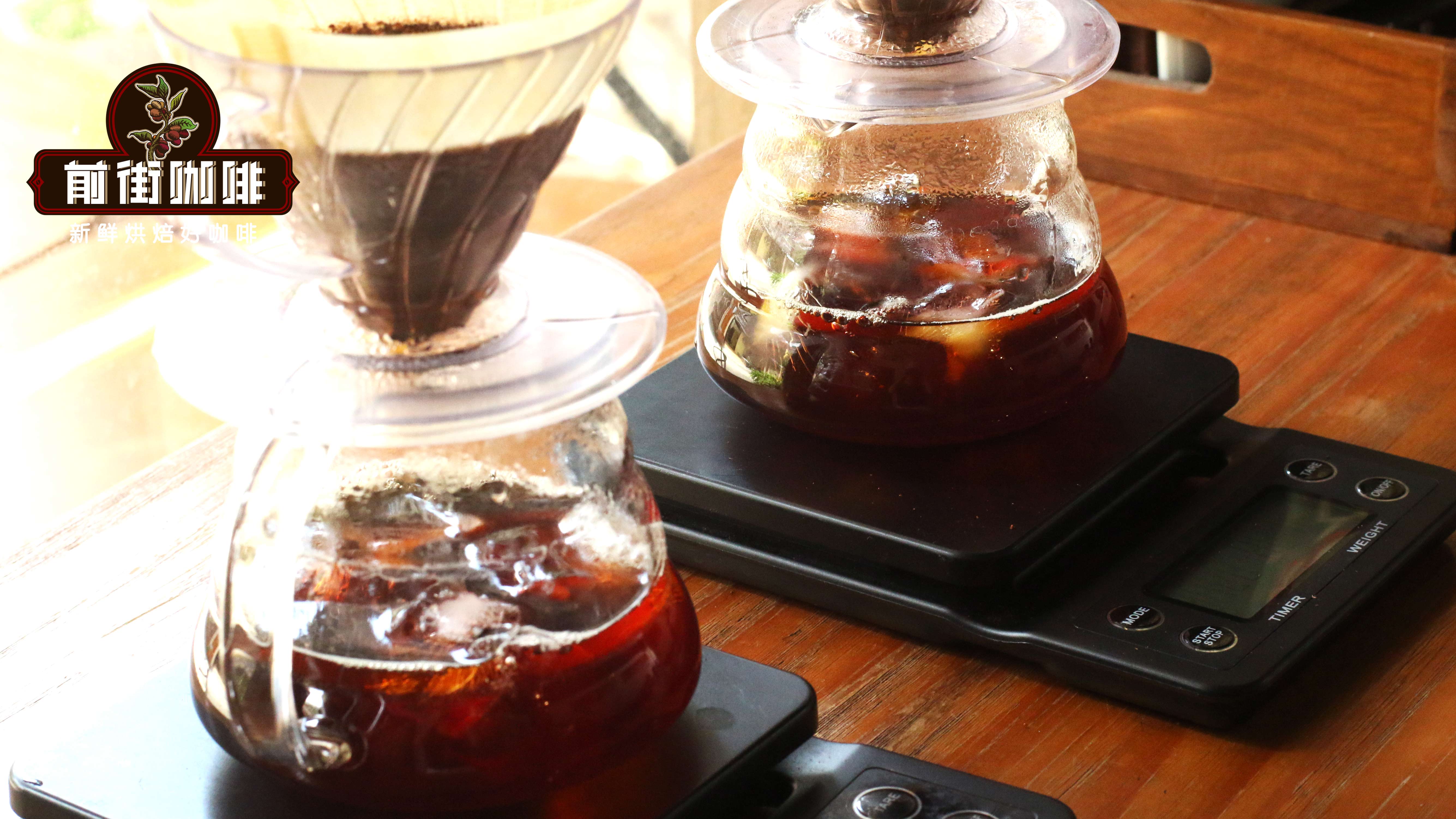
So, what are blend coffee beans? Simply put, blend coffee beans are made by mixing two or more types of beans, but the definition of a blend is not limited to origin or variety—it can even include different roast levels of the same variety or a mix of fresh and aged beans. Typically, blends use 2 to 6 types of beans; using too many can lead to flavor confusion and make it difficult to highlight distinctive notes.
The main purpose of blend coffee beans is to maintain flavor stability and a balanced taste. Since coffee beans are agricultural products, annual climate variations can affect their flavor performance—for instance, sweetness, acidity, or body may vary slightly from year to year. Blending allows these changes to be skillfully balanced, ensuring consistent flavor year after year. Additionally, the high-pressure extraction of espresso machines amplifies certain characteristics of the beans; using a single variety might cause acidity or bitterness to stand out too much, affecting the overall taste.
It’s worth noting that although single-origin beans can be used in espresso machines, they are usually referred to as SOE (Single Origin Espresso). However, SOEs demand stricter control over roasting and extraction parameters, and their flavor profiles are easily limited by regional characteristics, which is why they’re less commonly offered in regular cafés.
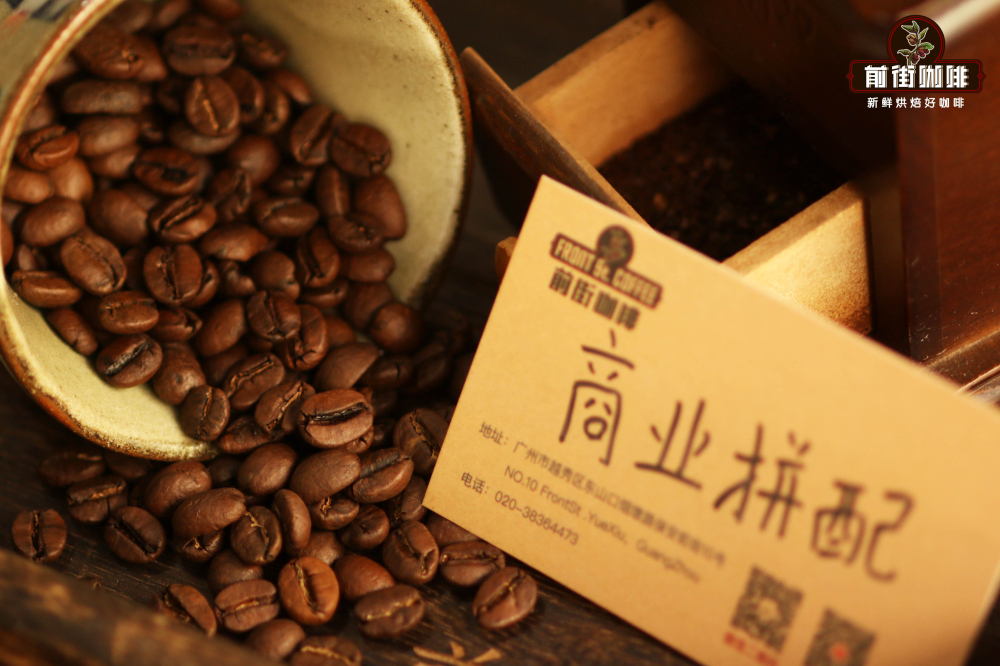
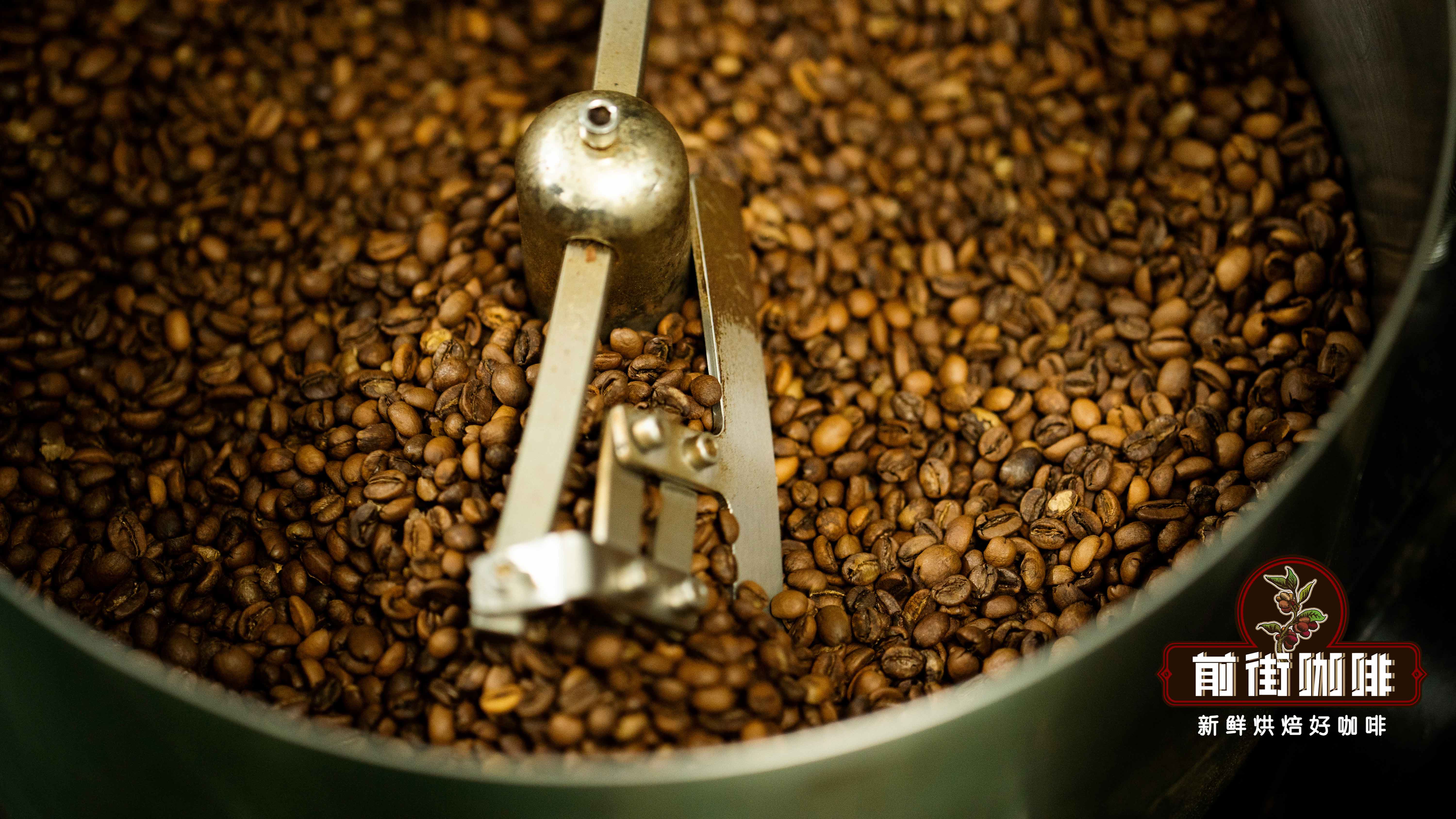
The production of blend coffee beans can be divided into two methods: fresh blending and pre-blending.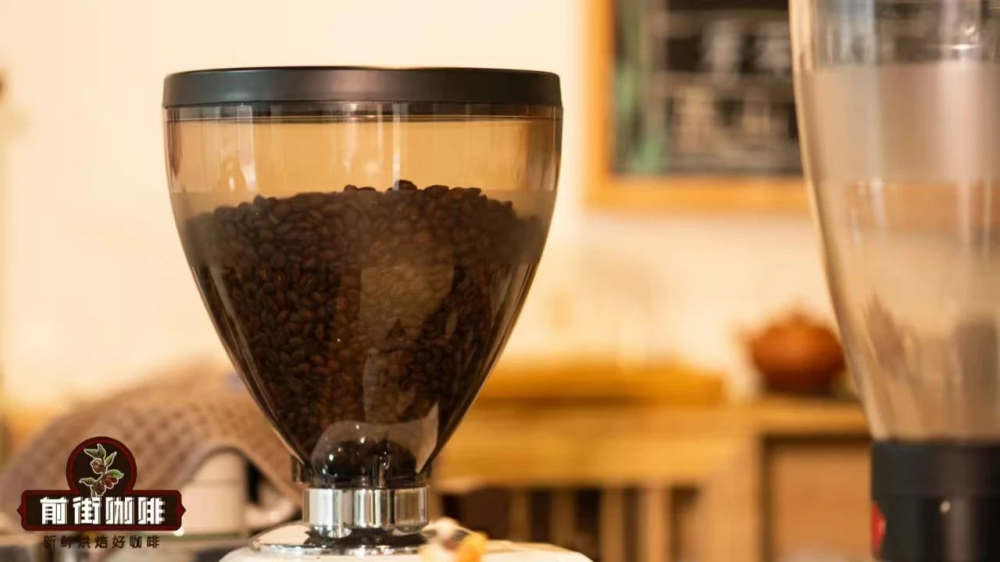 Fresh blending refers to mixing different beans before roasting. Its advantages include maintaining a consistent roast level, more stable flavors, and easier quality control. However, if the beans being mixed have significantly different densities, it may affect the final flavor profile. Pre-blending, on the other hand, involves roasting each type of bean to its optimal state separately before mixing. This method fully brings out the unique characteristics of each bean but requires more complex management and quality control, as well as attention to the resting period for different roast batches.
Below are four practical espresso blend beans and their flavor profiles. First up is the "Sunflower Warm Sun Blend," which combines Honduran Sherry and Ethiopian Yirgacheffe Natural Red Cherry at a 7:3 ratio. This blend has a distinct flavor profile with prominent fruity acidity, berry aroma, wine-like notes, and rich chocolate tones, making it ideal for users who enjoy layered complexity. When used for espresso, the wine-like character and citrus acidity stand out, with a black chocolate finish. For pour over, the flavor is relatively lighter and refreshing, suitable for those who prefer subtle tastes.
The second is the "Premium Blend," made from a 3:7 ratio of Colombian and Brazilian beans. This blend features a mild flavor, soft acidity, nutty notes, and moderate sweetness, with a medium level of crema. It’s highly suitable for daily café use, meeting the taste preferences of most customers.
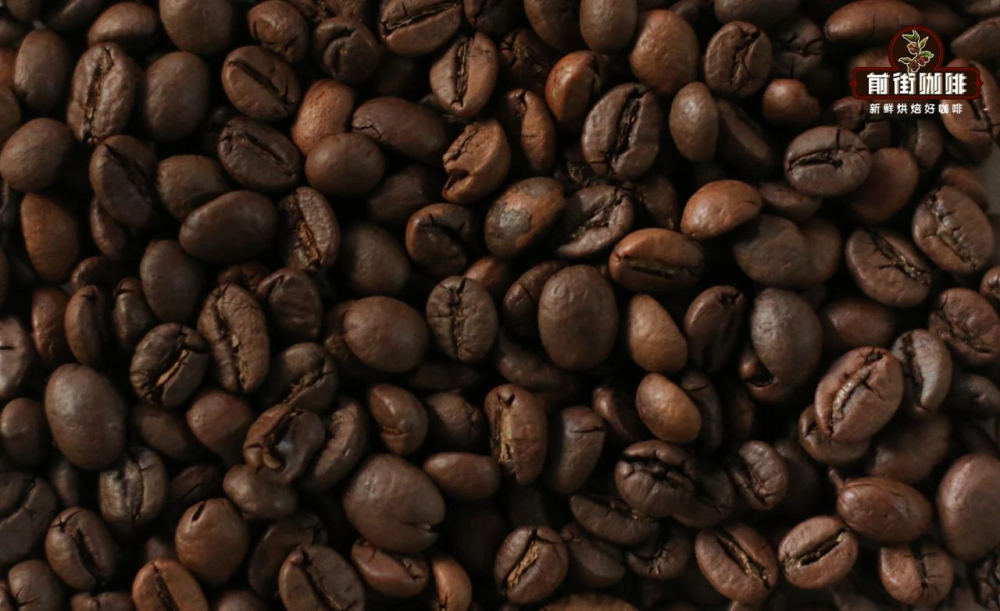
The third, the "Commercial Blend," includes 10% Robusta, with a formula ratio of Colombian, Brazilian, and Robusta at 3:6:1. This blend delivers a rich caramel sweetness, along with nutty and dark chocolate flavors. It has a balanced acidity and sweetness, a long-lasting aftertaste, and a full-bodied, creamy mouthfeel. It’s a top choice for many cafés, reliably offering high-quality espresso.
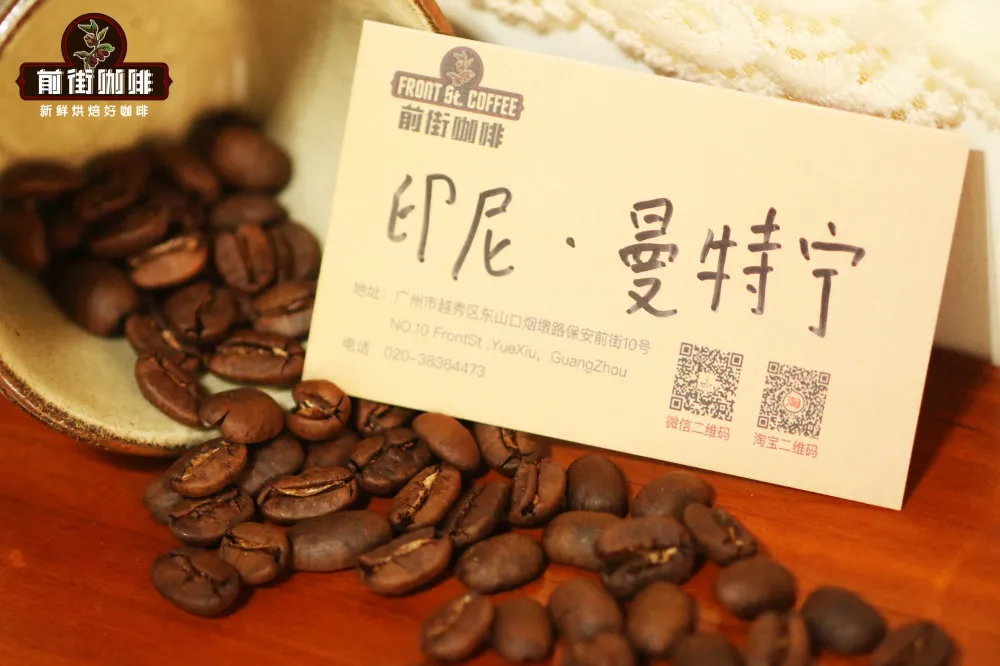
Lastly, we recommend the "Black Cocoa Blend," a cost-effective option made by blending Yunnan and Brazilian beans at a 3:7 ratio. Yunnan beans, thanks to their high altitude and large diurnal temperature variations, have flavors similar to Colombian beans but are softer in profile. Paired with the bittersweet and smooth qualities of Brazilian beans, this blend delivers gentle fruit acidity, caramel sweetness, and dark chocolate notes, with a silky, thick mouthfeel. This blend is especially suitable for moka pots and is recommended for espresso beginners or those on a budget.
In summary, when choosing espresso blend beans, consider your flavor preferences, usage scenario, and budget. Whether you're pursuing the layered richness of the "Sunflower Warm Sun Blend" or the high cost-performance of the "Black Cocoa Blend," each can add unique flavor dimensions to your espresso experience.
The above content is compiled by CoffeeHunters, a coffee news website.


