








Introduction:Although Bolivia is not a mainstream coffee-producing country, its high-altitude environment gives rise to coffees renowned for their sweet, full-bodied flavors and gentle acidity. This article delves into Bolivia’s major coffee-growing regions, development history, and challenges, focusing on how the Rodríguez family has crafted Java variety beans with Geisha-like characteristics through varietal selection and innovative processing methods such as cocoa sun-drying, offering you a comprehensive understanding of this landlocked South American nation’s coffee potential—from origin to cup.
Bolivia boasts exceptional geographical conditions, with mountainous terrain covering most of the country and an average elevation exceeding 3,000 meters. Its capital, La Paz, sits at over 3,600 meters above sea level, making it the highest administrative capital in the world. Such altitude endows the coffee with intense flavor potential, particularly notable for its pronounced sweetness and soft acidity, positioning it as a noteworthy emerging origin in the specialty coffee market. However, Bolivia’s annual coffee production is only about 223,000 bags (60 kg/bag), giving it a relatively low profile internationally. Nevertheless, its quality has consistently earned praise—for instance, at the 2017 World Barista Championship, a Japanese competitor secured second place with a Bolivian Geisha.
Despite its slower coffee industry development compared to neighboring coffee powerhouses like Brazil and Colombia, Bolivia still boasts several impressive highlights. For example, Bolivia once cultivated a Java (Java Nica) variety related to Geisha, meticulously grown by the Rodríguez family. This coffee offers a rich flavor profile, balanced sweetness and acidity, and a silky-smooth mouthfeel, earning it a reputation as a hidden gem in specialty coffee. Sourced from the Vallecito Estate and processed using an innovative cocoa sun-drying method, it delivers unique sweet aromas and a rich, lingering finish.
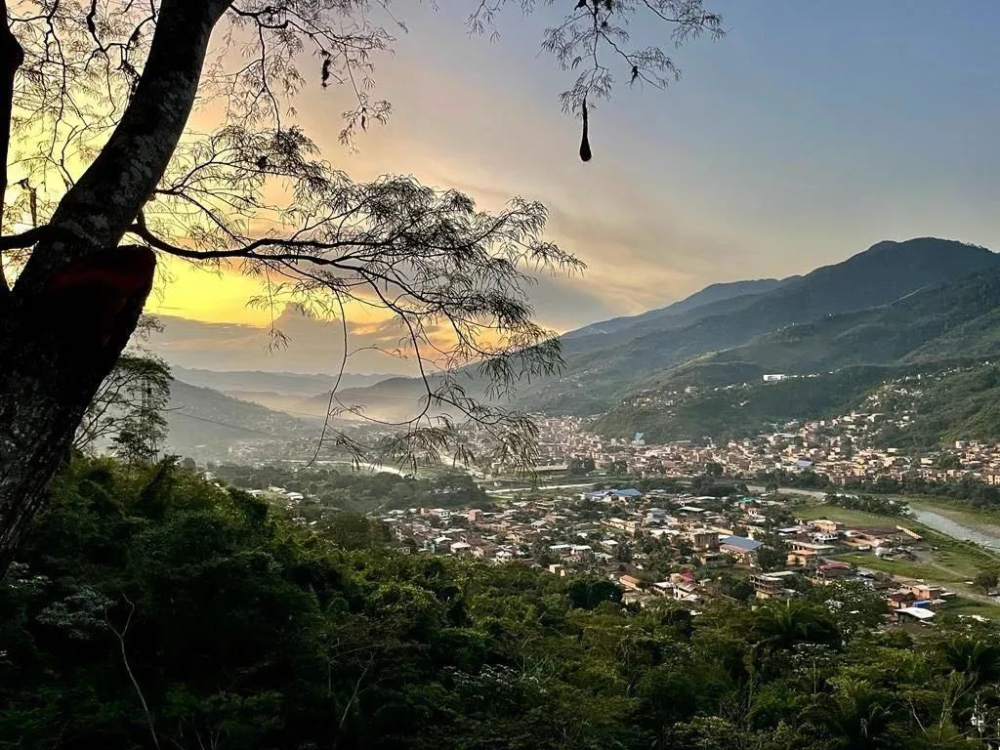
Bolivia’s persistently low coffee output stems from multiple factors. First, the country’s infrastructure is underdeveloped, especially in remote mountainous coffee-growing regions where roads are treacherous—such as the North Yungas Road, dubbed the “Death Road,” which sees numerous fatalities annually, severely hindering coffee transportation and export efficiency. Second, with a national population of only about 10.5 million, many farmers, facing economic pressures, have switched to growing more profitable coca leaves, leading to the abandonment of coffee farms. Additionally, a 2013 leaf rust epidemic devastated production, dealing a heavy blow to an already fragile industry and causing output to plummet by 50% within a single year, solidifying Bolivia’s status as a “minor coffee nation.”
Looking back at history, Bolivia’s coffee industry flourished in the 1880s, with major producing areas located on large-scale farms north of La Paz. By 1991, although the government launched an indigenous farming initiative, it failed to prioritize quality improvement, and policies favoring coca cultivation led many coffee farmers to abandon their fields. In the early 2000s, the United States aided Bolivia’s agricultural development, but relations soured due to the government’s support for narcotic raw materials. Eventually, the Cup of Excellence (COE) competition, funded by USAID, helped gradually revive the specialty coffee sector. In the 2004 COE, multiple Bolivian coffees scored over 84 points, with the champion reaching 90.44 points, driving up green bean prices. However, the good times were short-lived. Affected by political instability, the pandemic, and leaf rust, Bolivia has not returned to the COE stage since 2009, and production has plummeted by 70% over the past decade.
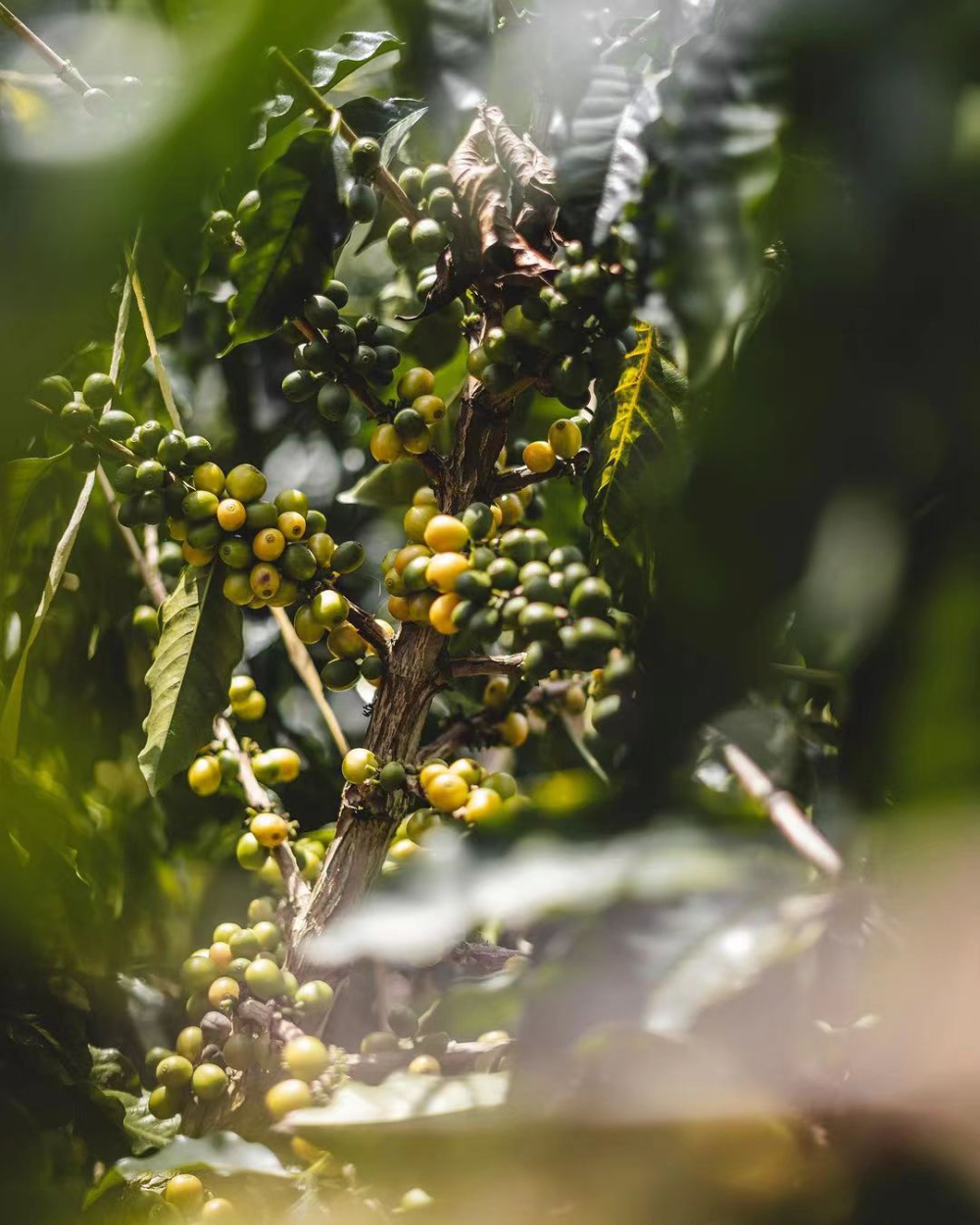
Currently, Bolivia’s coffee production relies primarily on small family farms, with around 23,000 coffee-growing households nationwide, each managing only 1.2 to 8 hectares—characterized by small scale and fragmentation. The main producing region is Yungas, located on the eastern side of the Andes Mountains, accounting for 95% of national output. This area ranges from 800 to 2,300 meters in altitude, with a harvest season from July to November. Not only is it Bolivia’s oldest coffee-growing belt, but its high-altitude environment also ensures excellent flavor performance. Other regions, such as Santa Cruz and Beni, have limited cultivation, but most struggle to produce high-quality coffee due to insufficient elevation.
In the specialty coffee realm, the Rodríguez family plays a pivotal role. Since entering coffee farming in 1986, the family has overcome policy restrictions and natural disasters to gradually acquire land and establish multiple estates, including 12 farms in Santa Cruz and Caranavi, thereby building a complete industry chain from harvesting to exporting. Their 【El Sol de Mañana (Sun of Tomorrow) Program】, launched in 2016, aims to assist smallholder farmers in cultivating high-quality coffee through technical training, subsidies for premium seedlings, fair purchasing prices, and incentive mechanisms, thereby enhancing the overall competitiveness of the producing region. One cupper shared that the program’s washed Java Typica coffee exhibited a gentle strawberry acidity, bright caramel sweetness, and delicate cocoa and almond aftertastes.
Regarding Bolivia’s coffee varieties, traditional ones like Typica, Catuai, and Red/Yellow Caturra were once predominant. However, with the rise of the specialty coffee trend, more estates have begun experimenting with varieties such as Geisha, Pacamara, and SL28. Among them, the Java (Java Nica) variety introduced by the Rodríguez family has attracted significant attention. Java does not originate from Indonesia’s Java Island but rather from the Abyssinian lineage of Ethiopia, sharing ancestry with Geisha and thus known for its rich floral and fruity notes, often referred to as Geisha’s “cousin.” This variety was first planted in Cameroon in the 1980s, introduced to Costa Rica by CIRAD in 1991, and later spread across Central and South America. It gained fame in Nicaragua through the Mierisch family, hence the name JAVA NICA (Java from Nicaragua). The Rodríguez family successfully cultivated this variety in Bolivia and leveraged unique processing methods to unlock its potential.
This year’s highly anticipated “Bolivia Vallecito Estate Cocoa Sun-Dried Java” coffee comes from the Polindara community, situated over 1,600 meters above sea level in a steep valley about 10 kilometers outside Caranavi Town in La Paz Province. The cold climate and long growth cycle here facilitate the accumulation of flavor compounds. This coffee is processed using the Rodríguez family’s proprietary “cocoa sun-drying method,” which involves: carefully selecting ripe coffee cherries, washing them, and then placing them on African-style raised beds to be turned daily for about a week; subsequently transferring them to a cocoa-specific dryer, where they are dried at a constant temperature not exceeding 40°C, with stirring every 30 minutes for approximately 35 hours, ensuring stable, low-temperature drying to minimize weather impact. After drying, the beans are transported to La Paz for resting, then meticulously sorted—both mechanically and manually—to remove mucilage and defective beans, guaranteeing a final product with pure, consistent flavors.
The above content is compiled by CoffeeHunters, a coffee news website.


