







Introduction:An in-depth exploration of the G1 washed coffee beans produced by the Worka Cooperative in Yirgacheffe, Ethiopia — from the geography of the producing region, the characteristics of the native variety, to the ECX nine-grade classification system. We fully analyze the source of its bright floral notes and citrusy profile. By testing three different pour over water temperatures, we help you find the extraction approach that best balances fruity acidity and tea-like qualities, providing practical guidance for both beginners and advanced enthusiasts.
Yirgacheffe has long been regarded as a gateway to specialty coffee, and the Worka Cooperative stands as a model for washed processing in the region, renowned for its vibrant floral and citrus flavors. This article not only unpacks the administrative relationship between Yirgacheffe and the neighboring Sidamo region, but also details the geographical conditions and traditional washed processing methods of the Worka Cooperative, while uncovering the unique coffee grading logic of the Ethiopian Commodity Exchange (ECX). Finally, through hands-on pour over testing, we provide flavor performance references under different water temperatures.
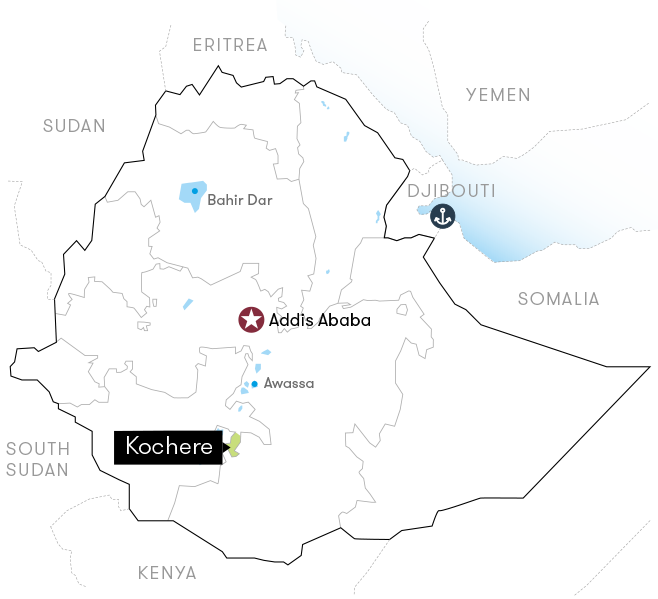
Yirgacheffe is located in the Gedeb district of southern Ethiopia. Originally part of the town of Yirgacheffe under the jurisdiction of the Sidamo province, it was elevated to an independent producing region due to its unique altitude and flavor profile. This rift valley area, ranging from 1,700 to 2,100 meters above sea level, is shrouded in mist year-round, with a cool and humid climate that nurtures complex layers of fruity and floral notes. The area where the Worka Cooperative is located sits at an altitude between 1,800 and 2,000 meters, within the high-altitude core zone of the producing region.

Established in 2005, the Worka Cooperative is part of the well-known Yirgacheffe Coffee Farmers Cooperative Union (YCFCU). The cooperative is composed of approximately 300 smallholder farmers, primarily cultivating unique local native variety coffee trees. These coffee trees are mostly a collection of naturally occurring mutations, having grown for years under shade trees, creating a distinctive environment of biodiversity. It’s worth noting that out of nearly 2,000 recorded coffee varieties in Ethiopia, more than 1,900 are native varieties — this is also a crucial genetic foundation for the diversity in flavor.
This Worka washed lot follows a traditional processing procedure: unripe cherries are first removed, then the pulp is separated using a depulper. The mucilage-covered beans are placed in fermentation tanks for about 24 hours. After fermentation, the beans are thoroughly rinsed with clean water to completely remove any residual mucilage, then spread out on African beds or mechanically dried until the moisture content reaches 12%. This process helps preserve bright acidity while providing a clean flavor base.The environment of the processing facility and the quality of the rinse water directly impact the final purity of the flavor.The Worka Cooperative has demonstrated outstanding performance in this stage, thanks to years of experience.
Ethiopia’s coffee grading system underwent significant reform after the establishment of the ECX in 2008. The new system combines physical inspection and cupping flavor scores to classify coffee into nine grades:G1 and G2 are considered specialty grade (with extremely low physical defect rates and cupping scores above 85), while G3 to G9 are categorized as commercial grade. Washed beans usually achieve higher grades, and sun-dried beans also have the potential to reach G1 status with advancements in processing technology. Notably, the ECX conducts a second round of SCAA-standard cupping for top-tier batches to ensure flavor consistency.
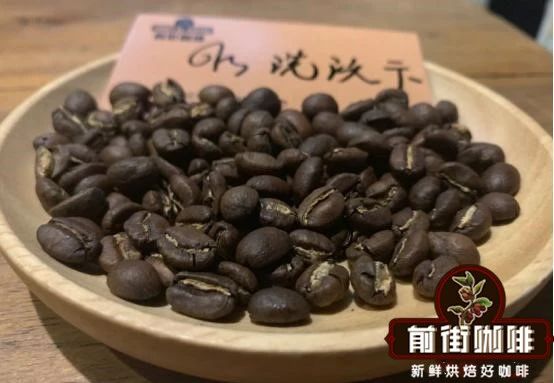
In terms of roasting, it is recommended to use a light roast to highlight the flexibility of the acidity. The ideal roast curve involves a gradual temperature increase over about 10 minutes, with a moderate extension of caramelization time after first crack to balance sweetness and fruitiness. Over-roasting can mask the unique tea-like quality of Yirgacheffe, while under-development may result in overly sharp acidity.
Tested pour over parameters (Hario V60, 15g coffee, 1:15 coffee-to-water ratio, grind size approximately 80% passing through a #20 sieve):
• 86℃: Lemon acidity is prominent but the layers are thin, and the tea-like quality is not fully developed
• 90℃(recommended value): Lemon, plum, and Tieguanyin aromas are pronounced, with caramel sweetness and acidity achieving an excellent balance
• 94℃: Berry notes are enhanced and body increases, but brightness of acidity slightly decreases
The key to brewing lies in controlling the phased extraction: 30g of water for a 30-second bloom to initiate flavor release, followed by a slow circular pour up to 125g for the first drawdown, then continuing to pour up to 225g to complete extraction. A stable water temperature and even coffee bed are prerequisites for showcasing the delicate flavors of the Worka beans.Be mindful that the filter basket’s flow rate must match the grind size to avoid over-extraction or under-extraction.
The above content is compiled by CoffeeHunters, a coffee news website.


