







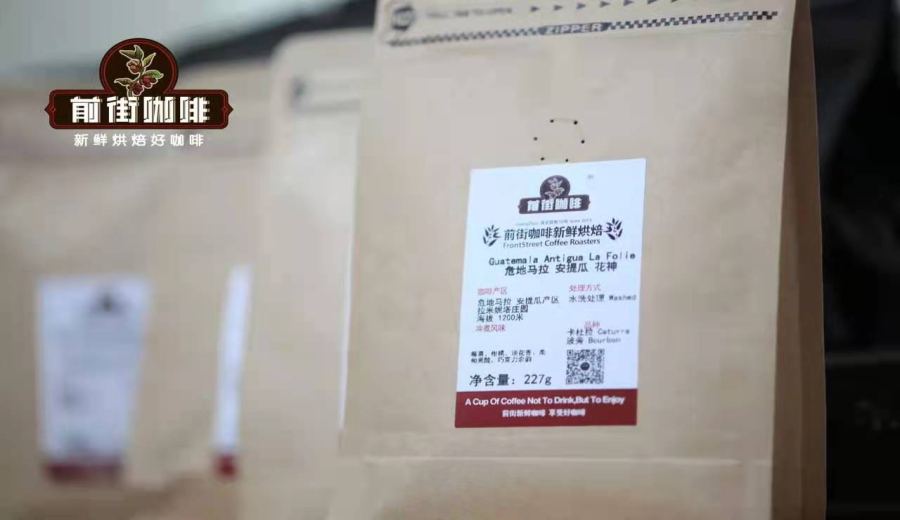
Introduction:The Laminita Flora coffee from Guatemala’s Antigua region is renowned for its delicate floral notes and balanced acidity and sweetness. How does this high-altitude washed coffee develop its unique flavor profile through cultivation, harvesting, and processing? This article delves into its regional environment, varietal composition, washed processing method, and roasting curve, while also providing practical pour-over parameters and flavor guidance to help you master everything from bean selection to brewing.
In the world of specialty coffee, the "Flora" coffee from Guatemala’s Antigua region has long been favored by coffee enthusiasts for its distinctive floral aroma and bright fruity acidity. This flagship washed coffee from Laminita not only releases captivating floral notes upon grinding but also delivers a light, juice-like acidity with refined floral and fruity aromas and a soft caramel sweetness on the palate, followed by a clean and lingering finish. It is a coffee of rich complexity and exceptional balance.
The Antigua region is situated in the highlands of Guatemala, with an average elevation of 1850 meters, surrounded by multiple active volcanoes. This geographic setting gives rise to mineral-rich volcanic soil with excellent water retention and drainage properties. Coupled with significant diurnal temperature variations—abundant sunlight during the day helps coffee cherries accumulate sugars, while cool nights promote the concentration of flavor compounds—the area enjoys a unique microclimate that provides ideal conditions for cultivating high-quality coffee.
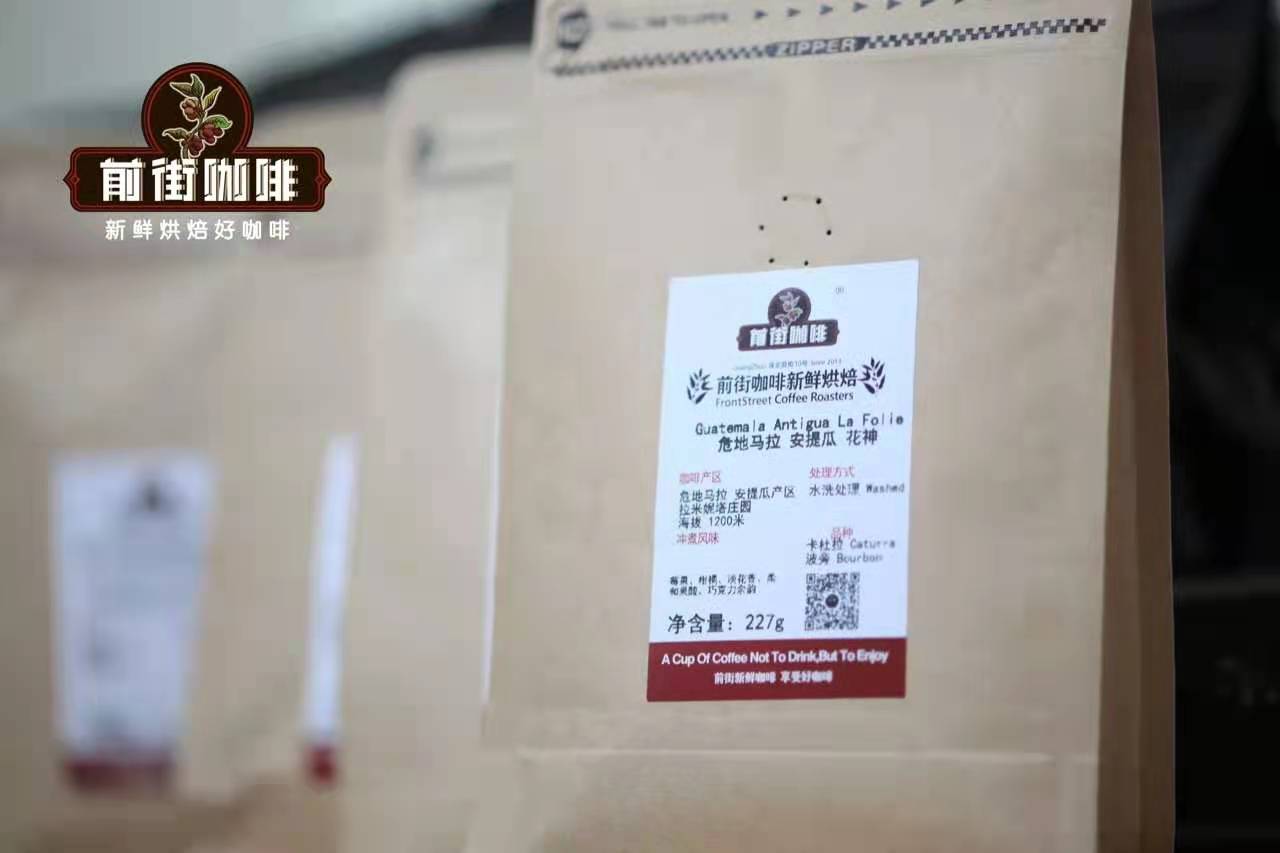
Dubbed "Flora," this coffee represents high expectations for both flavor complexity and processing craftsmanship. Though not grown on Laminita’s own estates, it is processed by Las Pastores, the largest washed coffee processing facility in Antigua, adhering to Laminita’s stringent quality control standards. As a result, this coffee exudes intense floral and subtle tea-like aromas in the dry scent, with bright citrusy acidity and berry notes in the cup, along with a honey-like sweetness in the aftertaste. Its overall profile is clean and well-layered, leaving a lasting impression.
When it comes to Laminita Estate’s cultivation practices, its most standout feature is its respect for the natural environment and scientifically managed farming approach. The estate avoids the use of chemical pesticides, relying instead on high altitude and natural climatic conditions to effectively suppress pest populations. Additionally, through regular soil testing—conducted approximately twice a year—fertilization strategies are adjusted accordingly, with the total number of fertilizations kept to around three per year, and yield-enhancing fertilizers used sparingly. Trace elements such as zinc, boron, and copper are also applied, not only improving plant health but also contributing to flavor development. This low-intervention, high-standard cultivation method is key to the consistent premium quality of Flora coffee.
During the harvesting phase, due to the uneven ripening of coffee cherries, pickers must make multiple passes over the same tree—typically requiring up to five visits to fully harvest a single tree—selecting only fully ripe, deep-red cherries. This rigorous selection process forms the foundation of Flora coffee’s quality.
The main varieties used in Flora coffee include Bourbon, Caturra, and Catuaí. Bourbon is a classic high-quality variety with slightly smaller and rounder beans compared to Typica, often exhibiting sweeter flavor profiles. Caturra is a mutation of Bourbon, characterized by shorter plants that are easier to manage and harvest, and well-suited to high-altitude environments. Catuaí is a hybrid of Caturra and the Mundo Novo variety, combining disease resistance with excellent cupping performance. These varieties, supported by high altitude and scientific cultivation, collectively shape Flora coffee’s complex yet balanced flavor profile.
Guatemala’s coffee grading system is based on altitude, categorized into SHB (Strictly Hard Bean, very hard beans grown at 1600–1700 meters), FHB (Fancy Hard Bean, hard beans grown at 1500–1600 meters), and HB (Hard Bean, hard beans grown at 1200–1400 meters). Flora coffee is grown at an elevation of 1850 meters , qualifying as Strictly Hard Bean, with high bean density that helps preserve more flavor nuances during roasting.
Flora coffee employs the traditional washed processing method with meticulous and rigorous steps: first, floaters are removed, followed by depulping to eliminate the skin and flesh, then a 18 to 36-hour fermentationperiod to break down the sticky mucilage layer. Residual substances are then washed away, and the beans are gradually dried on raised beds until their moisture content is reduced to 12%, after which hulling and grading take place. This processing method highlights the coffee’s cleanliness and bright acidity while preserving its fruity aroma and sweetness.
In terms of roasting, since Flora coffee beans have a uniform yellowish-green hue and good density, medium roast is typically chosen as the target to retain the clear floral and fruity acidity while enhancing overall body and flavor complexity. The recommended roasting curve is as follows: the charge temperature is set to 200°C, the air damper is opened to 3, and about 30 seconds later the heat is reduced to 160°C, keeping the air damper unchanged;At 1 minute 36 seconds, when the turning point occurs, the heat is stabilized until 4 minutes 50 secondswhen the bean surface turns yellow, at which point the heat is lowered to 140°C and the air damper is adjusted to 4. Approaching first crack, the bean surface shows wrinkles and dark spots, and first crack begins around 8 minutes 37 seconds. At this point, the heat is reduced to 80°C, the air damper is fully opened to 5, allowing the coffee to develop for 1 minute 50 secondsafter first crack, and it is finally dropped at a drum temperature of 195.3°C to achieve optimal balance.
If you wish to brew this Flora coffee at home using pour over, it is recommended to use a V60 dripper, with a coffee dose of 15 grams, a brew ratio of 1:15, and water temperature controlled at 90°C. The grind size is suggested to be 20-mesh sieve passing rate of 80%(medium-fine grind). For the pour-over technique, a staged extraction method can be employed: start with a 30-gram bloom for 30 seconds, then pour up to 125 grams for the first pour, wait for the water level to drop, then continue pouring to 225 grams before stopping. Remove the dripper just before the water level in the filter is about to run out. The total brew time should be controlled to around two minutes, fully highlighting its floral notes, citrus acidity, caramel sweetness, and subtle smoky finish.
In summary, Guatemala Antigua Flora coffee combines the advantages of high altitude, volcanic soil, scientific cultivation, and meticulous washed processing. It is a flavor-forward, layered, and highly representative specialty coffee from Central and South America. Whether you’re a coffee novice or a seasoned enthusiast, you can savor the unique charm of Guatemalan coffee through this exceptional brew.
The above content is compiled by CoffeeHunters, a coffee news website.


