







Introduction:Many coffee enthusiasts wonder why pour over coffee seems to lack crema, but the key lies in the choice of filter material and brewing method. This article delves into the science behind coffee crema, compares the differences in crema presentation between espresso and pour over, and explores how bean variety and roast level affect crema. It also provides a detailed look at the characteristics of paper filters, metal filters, and cloth filters to help you adjust your equipment according to your needs and optimize the taste and flavor profile of your pour over coffee.
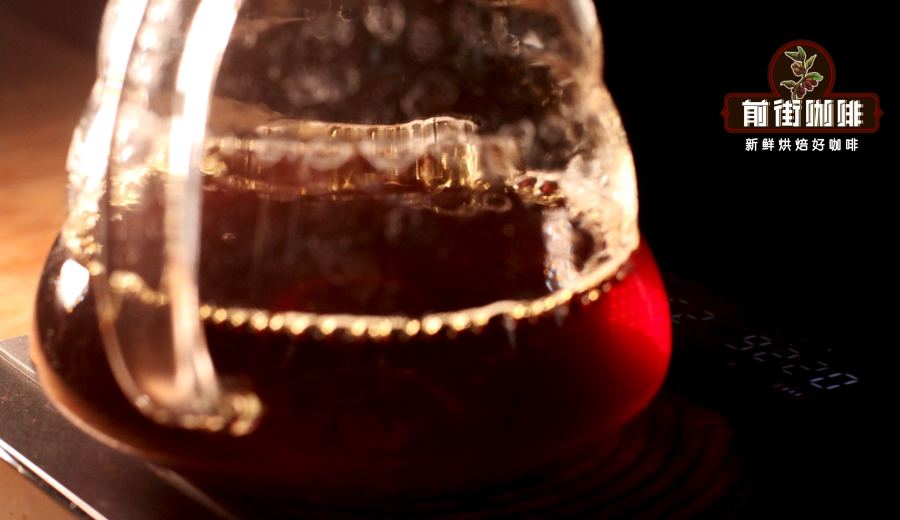
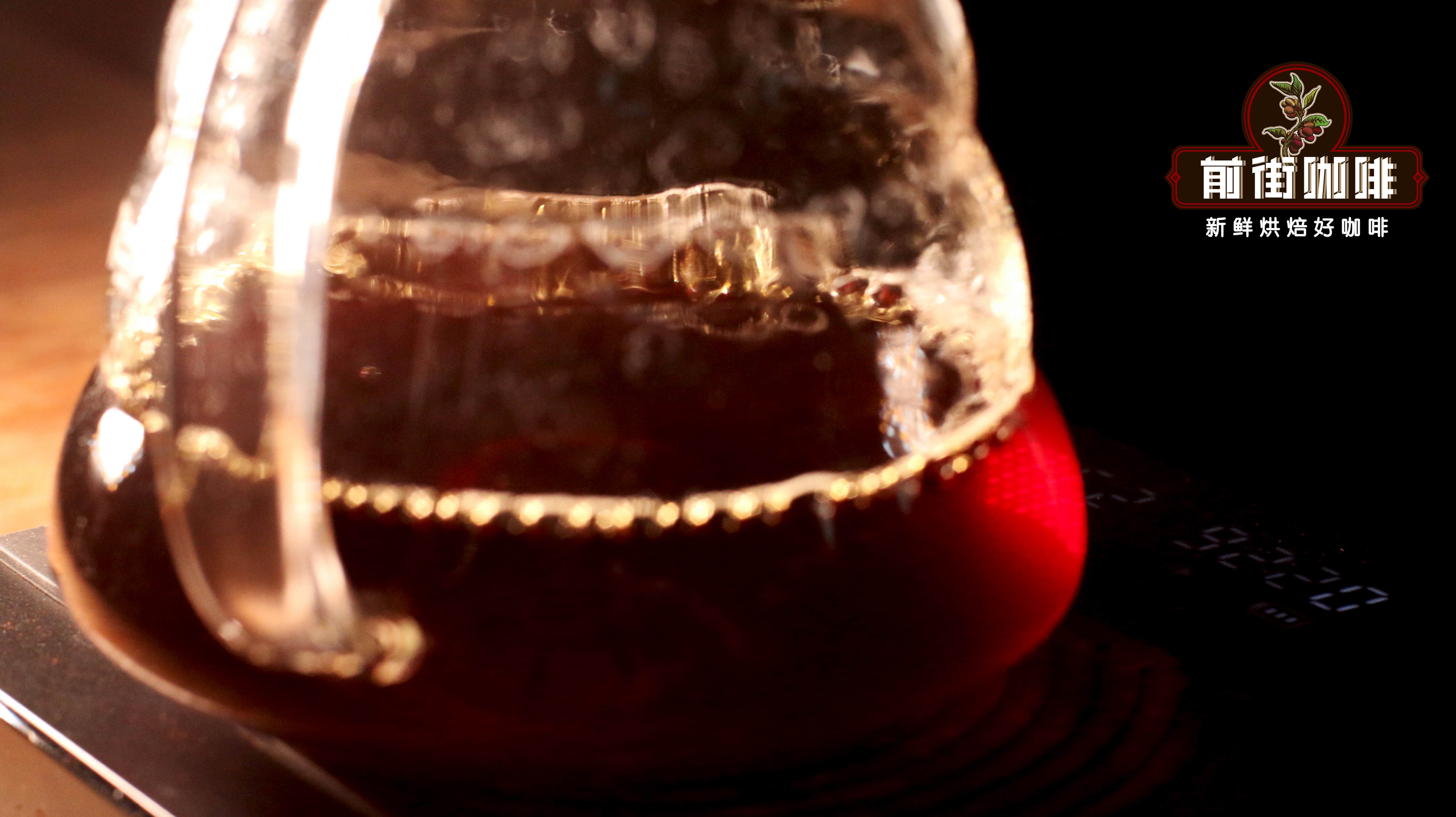
Many people, when tasting pour over coffee, often wonder: "Why can’t I see that golden layer of crema?" In reality, the crema hasn’t completely disappeared—it’s mostly trapped by the paper filter, with only a small amount remaining in the form of mouthfeel. To understand this phenomenon, we need to start with the nature of coffee crema.
What is coffee crema?
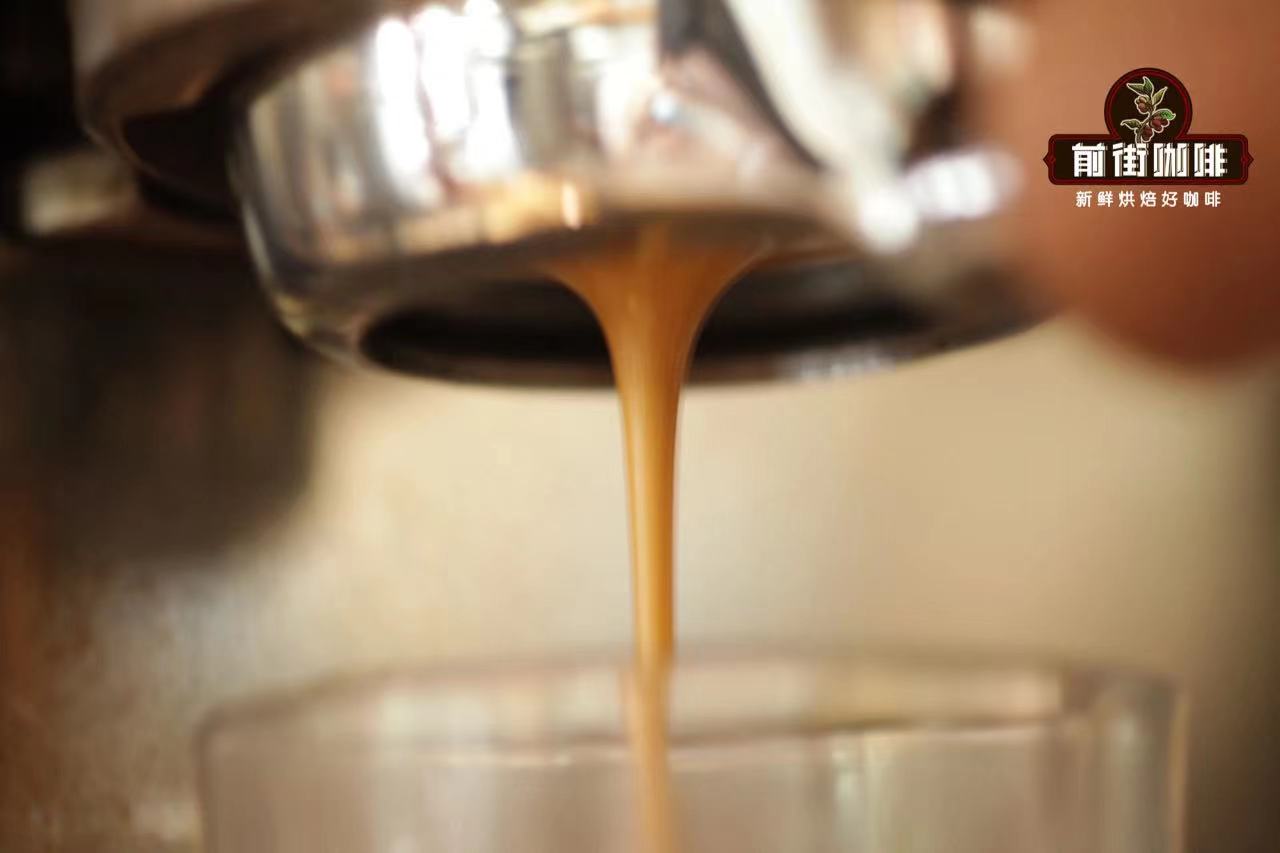
When it comes to coffee crema, most people think of the appealing golden foam on the surface of an espresso shot. This crema forms during high-pressure extraction: the carbon dioxide built up inside the coffee beans during roasting, under 9 bars of pressure and a relatively sealed environment, becomes supersaturated with water. At the same time, the oils in the coffee are emulsified, encapsulating the carbon dioxide and coffee liquid as they are released. Since the oils are less dense than water, they gradually separate after extraction and float to the top, forming a visually striking crema layer.
Key factors affecting crema content
The amount of coffee crema primarily depends on the bean variety. Robusta generally contains more oils than Arabica, which is why some espresso blends that include a small amount of Robusta alongside Arabica exhibit more pronounced crema. For example, certain classic blends mix a small portion of Robusta with Arabica as the base, enhancing both body and delivering a delicate golden crema.
Roast level is equally important. Darker roasts produce more carbon dioxide, and the beans’ surfaces are more prone to visible oiliness after dehydration. In contrast, SOE (Single Origin Espresso) made from light roasted beans, no matter how the parameters are adjusted, often results in a thinner crema layer.
Why is crema hard to see in pour over coffee?
The core reason pour over coffee shows little visible crema is the paper filter. Paper filters are made of interwoven pulp fibers, and their thickness directly affects filtration efficiency. Thicker paper filters can slow down the flow rate and improve extraction evenness, but they also trap over 80% of the coffee oils. Still, a small amount of oil does penetrate the filter, forming an extremely thin residual layer. Though nearly invisible to the eye, it can be perceived through oral sensation—the so-called “creamy feel” and “smoothness” often mentioned in the industry are sensations brought about by these trace amounts of oil.
How to optimize the crema presentation of pour over coffee?
If you wish for your pour over coffee to display more noticeable crema, you’ll need to adjust your filter material. Simply removing the paper filter isn’t the only solution—common alternatives on the market include metal filters and cloth filters.
Metal filters (such as fine stainless steel mesh) can retain most of the oils, but their larger pores may allow fine coffee particles to pass through, potentially resulting in a less clean cup. Cloth filters (such as those made of flannel or wool) effectively filter out fine particles while retaining some oils, but they require thorough cleaning after use—oil residue can severely impact the flavor of subsequent brews. It’s recommended to rinse them repeatedly with clean water after each use and let them dry completely to avoid developing off-flavors.
Additionally, adjusting brewing parameters is crucial. A moderate grind size (such as medium-fine), stable water temperature (recommended 90–93°C), and even pouring technique can help release more flavor compounds, indirectly enhancing the oily sensation in the mouthfeel. In practice, you can experiment with adjusting the coffee-to-water ratio (e.g., 1:15 to 1:16) to observe changes in crema expression.
The above content is compiled by CoffeeHunters, a coffee news website.


