







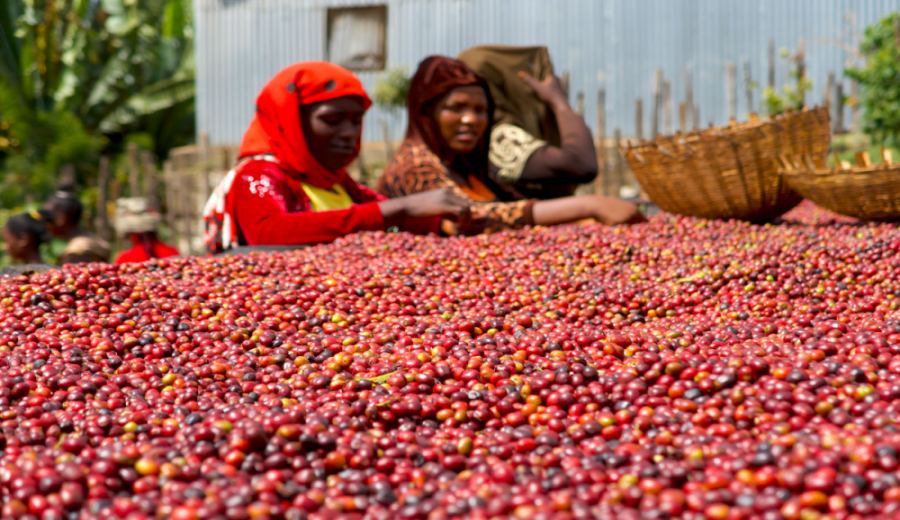
Introduction:As an important branch of traditional Arabica varieties, Bourbon coffee—with its three mutations in red, yellow, and pink—is highly regarded in the specialty coffee scene. This article delves into the genetic origins, visual identification characteristics, typical flavor profiles, and offers practical roasting and pour over parameter recommendations to help coffee enthusiasts select the most suitable Bourbon variety based on their taste preferences.
In the specialty coffee field, Bourbon and Typica are both historic Arabica varieties that have evolved numerous mutated descendants. Among them, Red Bourbon, Yellow Bourbon, and Pink Bourbon not only differ noticeably in appearance and regional distribution, but also exhibit unique flavor profiles. Understanding the origins and traits of these three Bourbon variants aids in making more informed purchasing decisions.
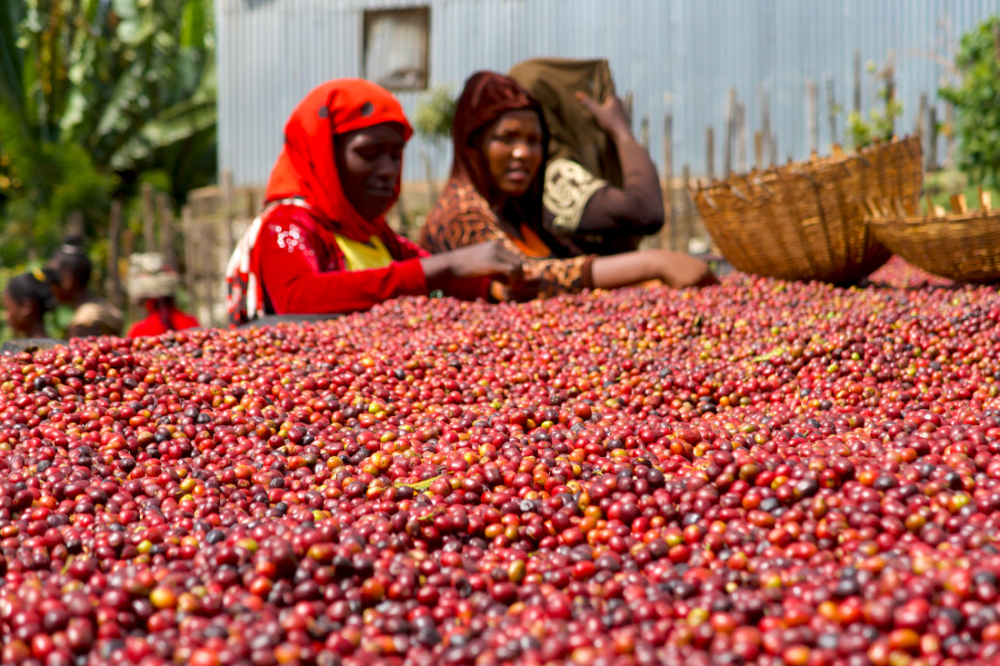
The Bourbon variety originated on Réunion Island near present-day Madagascar, which was known as Île Bourbon before 1789—hence the name. Compared to Typica, Bourbon plants have broader leaves, higher planting density, and approximately 30% higher yield per unit. The beans are rounder and shorter, with distinct berry acidity and buttery aroma. They feature bright acidity and vivid fruitiness, though they are generally less resistant to disease. Based on the color changes of the fruit upon ripening, Bourbon can be divided into Red Bourbon with red fruits, Yellow Bourbon with orange-yellow fruits, and the rare Pink Bourbon with pink-colored fruits.
Red Bourbon is one of the most common Bourbon mutations. Its fruits transition from green to yellow, then orange, and finally mature into red or dark red. These beans are widely cultivated in Brazil and are known for their rich notes of nuts, chocolate, and caramel. After roasting, they often exhibit creamy aromas paired with soft berry acidity, featuring bright acidity and wine-like layers. Visually, the color transformation process of Red Bourbon is clear, making it one of the most easily identifiable Bourbon variants.The recommended pour over water temperature is around 90°C, with a medium grind (70% passing through a #20 sieve), suitable for drinkers who prefer a fuller-bodied taste.
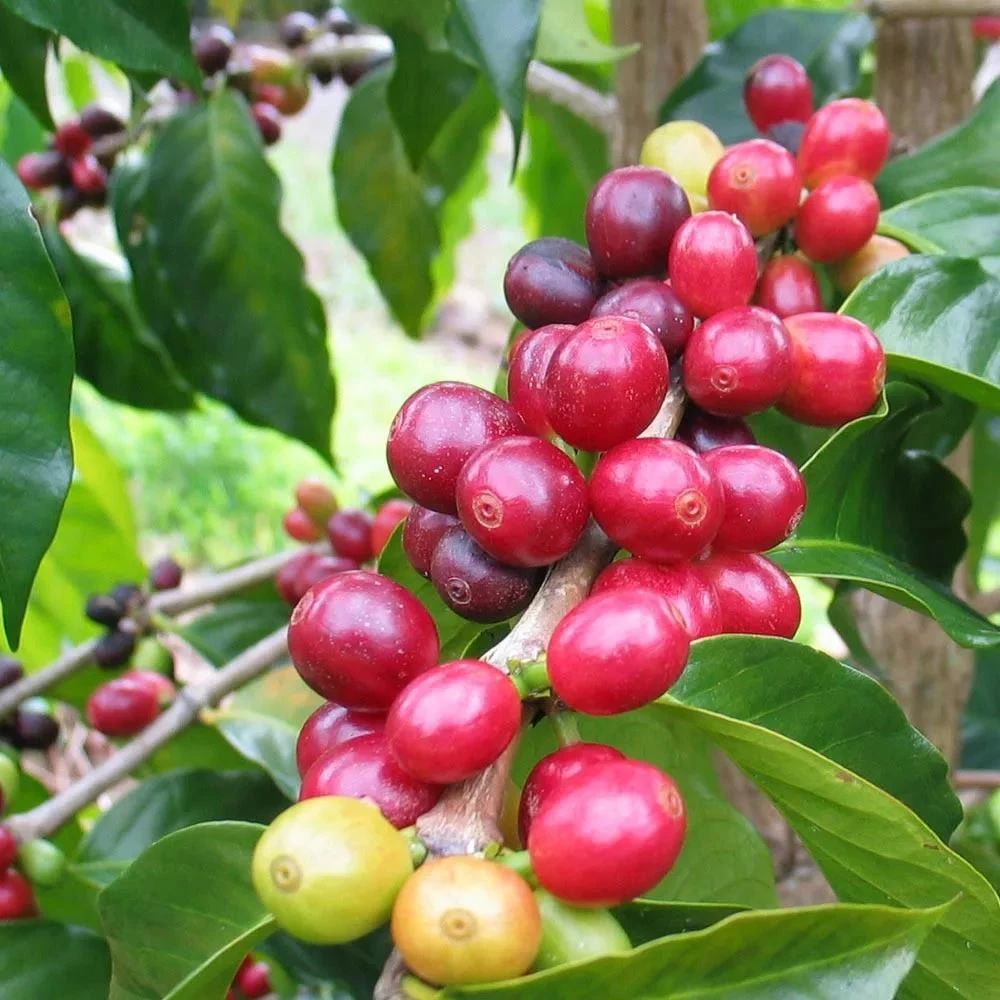
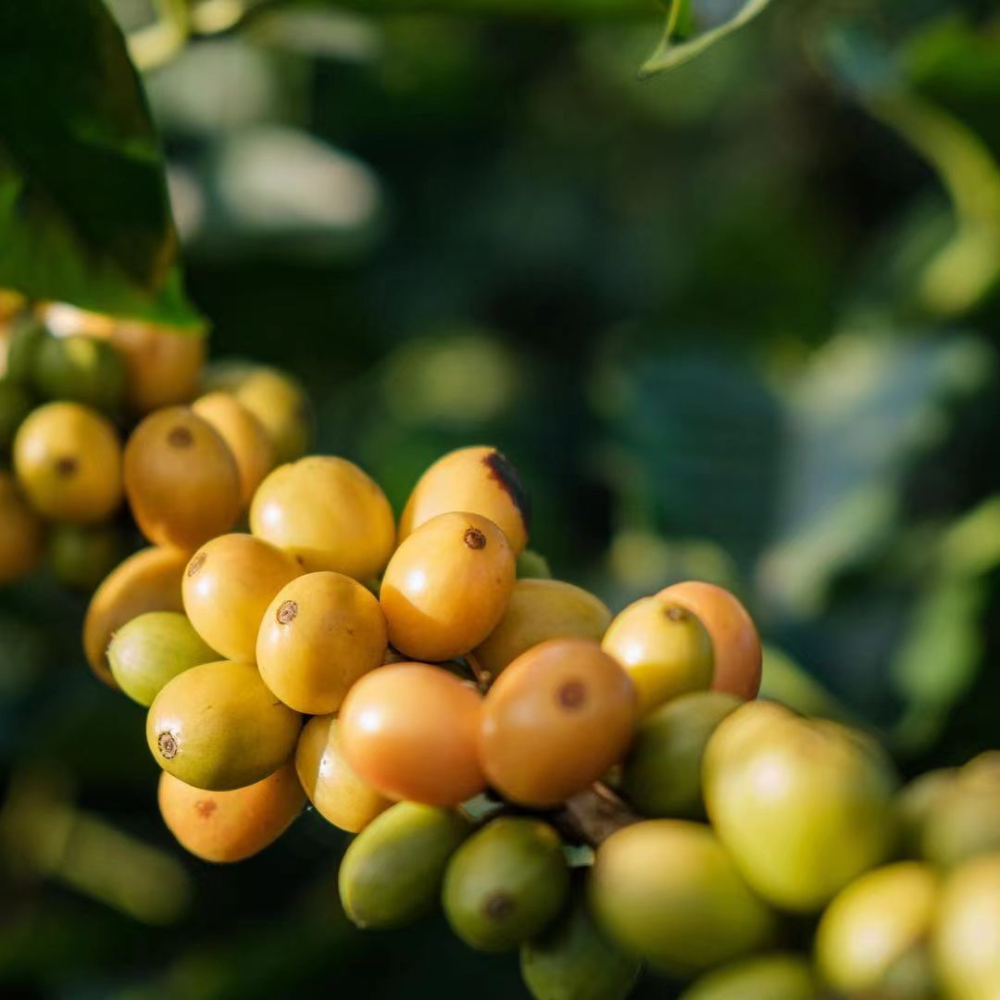
Yellow Bourbon is a special mutation within the Bourbon family where the fruit turns orange-yellow upon maturity due to a genetic mutation. It was first discovered in the high-altitude regions of São Paulo State, Brazil. Owing to the high-altitude growing environment, Yellow Bourbon typically accumulates more complex flavor compounds and performs exceptionally well in cupping evaluations. Its flavor profile is primarily nutty and chocolatey, with gentle and balanced acidity, mild bitterness, and an overall clean and bright cup. It claimed the top three spots in Brazil’s Cup of Excellence competition for two consecutive years, showcasing its high specialty potential.This variety benefits from medium-to-high roasting levels to highlight its sweet characteristics. For pour over, a water temperature of 90°C is recommended, and using a medium-fine grind (such as BG 6K, 82% passing through a #20 sieve) can bring out more layers of flavor.
Pink Bourbon is relatively rare, with its fruits turning a dreamy pink upon maturity. It was first discovered in Palestine Town, Huila Province, Colombia, and is currently mainly cultivated in that region. Pink Bourbon is commonly believed to be a natural hybrid of Yellow Bourbon and Red Bourbon, but due to recessive gene expression, offspring often exhibit color separation, resulting in low stability and scarce production, thus making it relatively expensive. Another theory suggests that Pink Bourbon might be a natural cross between Bourbon and Caturra, with Caturra itself carrying some Robusta genes—though this increases yield and disease resistance, the flavor complexity is often more muted. However, Colombian Pink Bourbon exhibits astonishing berry acidity, cherry tomato aroma, and sugarcane sweetness, with distinct layers and a long-lasting aftertaste.It is recommended to use medium-light roasting to preserve its delicate aromas. For pour over, a V60 filter can be used with a water temperature of 90°C and a medium-fine grind (82% passing through a #20 sieve). A step extraction method can be employed to fully express its complete flavor spectrum.
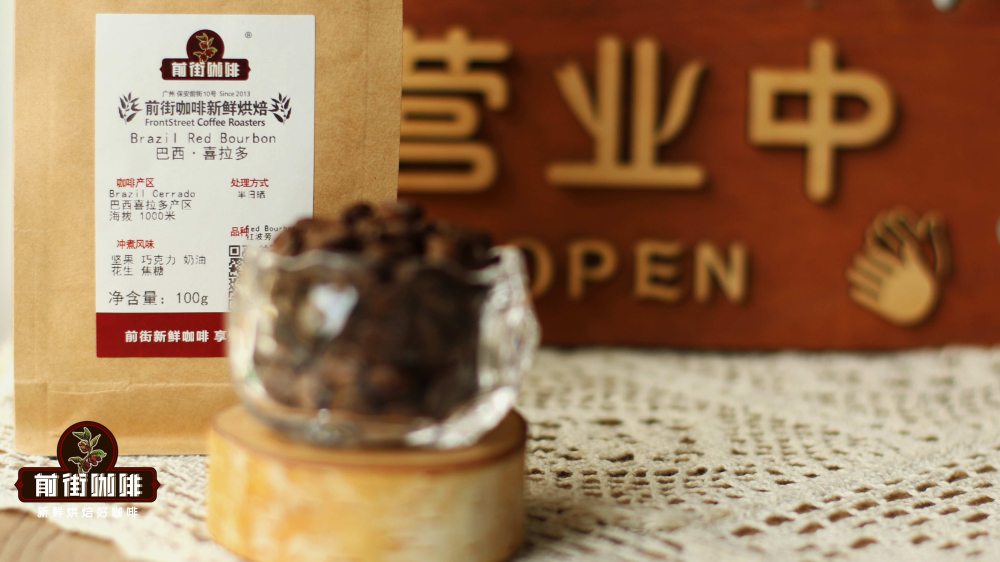
In terms of roasting and extraction, different Bourbon variants also require adjusted parameters to achieve optimal performance. For example, Red and Yellow Bourbons from Brazilian growing regions are typically medium-to-high roasted to enhance their full-bodied base and nutty-chocolate tones. Pink Bourbon is recommended to be medium-light roasted to highlight its delicate fruity notes and balanced acidity-sweetness. Roasting data from a certain brand shows that during the roasting of Red and Yellow Bourbons, the first crack usually begins between 178–191°C, with development time controlled around 3 minutes to fully express body and aroma; Pink Bourbon is dropped about 1 minute 30 seconds after the start of first crack at a temperature of 191.5°C to retain more floral and fruity flavors.
For pour over recommendations, Brazilian Red and Yellow Bourbons can be brewed using a KONO filter, leveraging its immersion and flow-restriction properties to enhance body and extraction stability. Suggested water temperature is 90°C, with a 1:15 coffee-to-water ratio and a medium grind. For Colombian Pink Bourbon, a Hario V60 filter is recommended, utilizing its large holes and long ribs for fast flavor extraction. Water temperature remains at 90°C, with a 1:16 ratio and a slightly finer grind. All three beans can be extracted using a step brewing method: start with a 30-second bloom using 30g of water, then pour in small streams up to 125g for the first pour, and finally add water up to 225g to complete the extraction, with total brew time kept around 2 minutes to achieve a balanced and clean cup profile.
The above content is compiled by CoffeeHunters, a coffee news website.


