







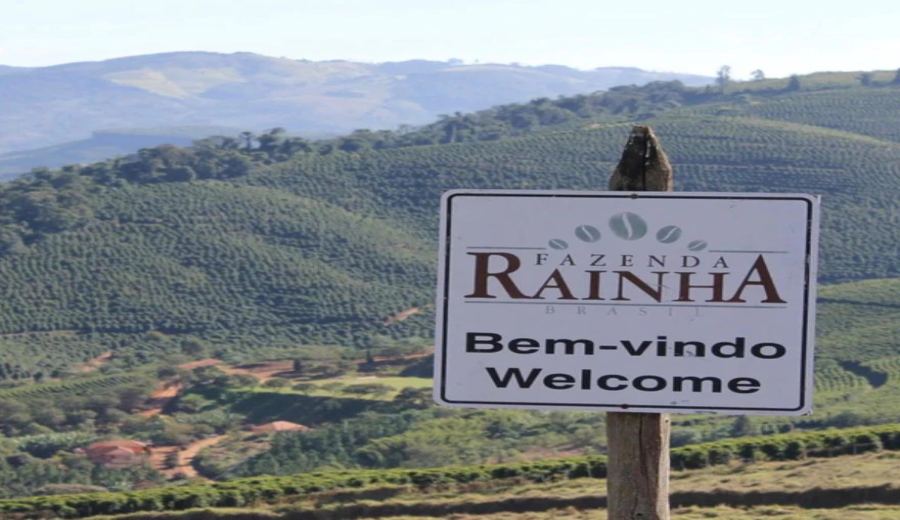
Introduction:As Brazilian coffee faces climate challenges leading to fluctuating yields, the Yellow Bourbon from Fazenda Rainha continues to win hearts with its low acidity, full body, and unique sugarcane sweetness. This article provides an in-depth analysis of the current state of Brazil’s Mogiana region, the genetic advantages of the Yellow Bourbon variety, the essence of the pulped natural processing method, and shares expert roasting profiles and step-by-step brewing techniques to help you unlock the flavor code and brewing secrets of this classic bean.
As a key pillar of the global coffee map, Brazil has been severely impacted by drought and extreme weather in recent years — in 2021, production was estimated to have dropped by 20–30%, raising concerns about the supply and pricing of specialty beans. Yet, amidst these challenging conditions, Fazenda Rainha (Rainha Estate) in the Mogiana region of São Paulo state has stood out with its Yellow Bourbon coffee beans. With its silky, full-bodied taste and pronounced sugarcane sweetness, it has earned a special place in the hearts of seasoned coffee enthusiasts.
The Brazilian coffee industry is currently facing multiple trials. Due to the ongoing influence of La Niña, rainfall in the main producing regions in February 2021 is expected to be below average, coinciding with the critical fruit development stage. Insufficient water can lead to increased rates of hollow beans, directly affecting both yield and quality. However, abundant rainfall in January helped replenish soil moisture, and most farms are equipped with irrigation systems that mitigate drought pressure. Industry associations assess the overall impact may be manageable. Data shows that Brazil's coffee production in 2021 ranged between 43.8 million and 49.5 million bags, a decline of 21.4% to 30.5% compared to 2020. The main reasons for the decrease include the “off-year cycle,” extreme weather, and a reduction in planted area to a 20-year low of 2.19 million hectares (of which 1.76 million hectares were bearing fruit, and 0.4319 million hectares were not) — the latter mainly due to new Robusta areas not yet reaching full commercial production (less than 3 years old), and some smallholder farmers shifting to other cash crops.
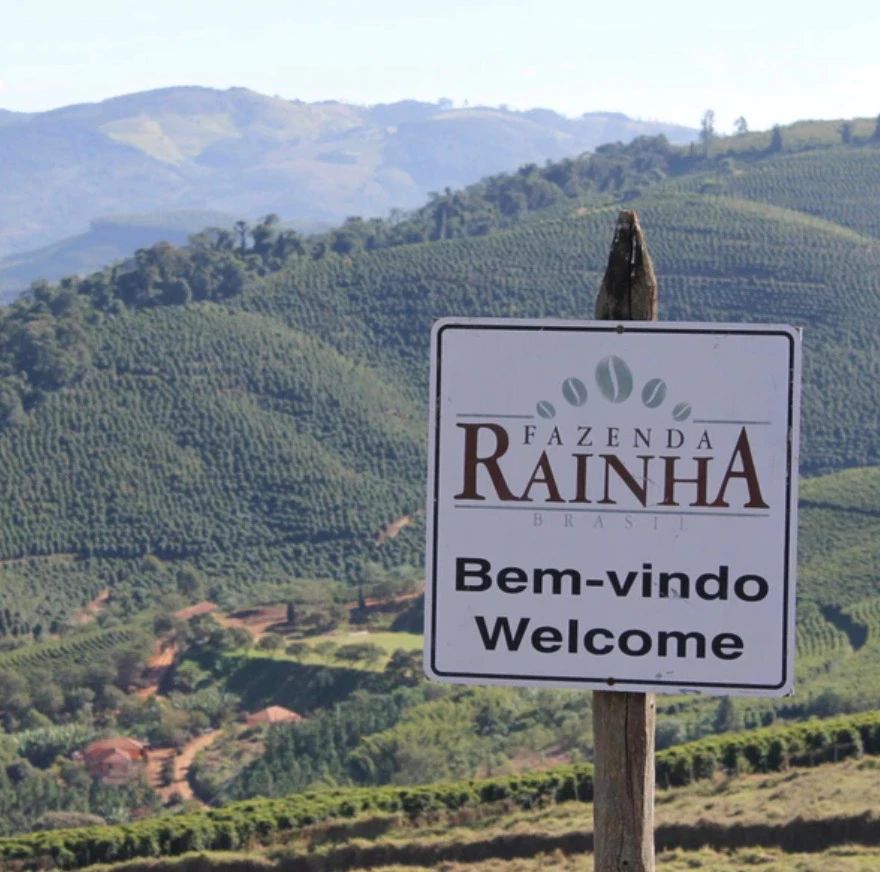
Focusing on the Mogiana region where Fazenda Rainha is located, its geographical position is adjacent to Minas Gerais Sul, the core area of Brazil’s top-tier specialty Arabica. The growing environment here is uniquely distinctive: coffee trees are scattered among shrubs, grasslands, and native vegetation, with a coexistence of traditional large-scale farms and small, modern operations. The fusion of technology and traditional planting culture has given rise to beans with a notably high sweetness. Cupping feedback from relevant teams indicates that coffees from this region generally exhibit a signature sugarcane sweetness, which cleverly complements the characteristics of Fazenda Rainha’s variety.
Behind the estate is the Carvalho Dias family, a benchmark of Brazilian specialty coffee — since the first COE competition in 1999, they have cumulatively won over 12 awards, including taking the championship, 9th, and 11th places in 2004. The family adheres to sustainable practices: utilizing a natural waterfall to develop zero-pollution hydroelectric power for their own needs (their Cachoeira Estate is well known for this), building community facilities such as churches and classrooms, protecting native woodlands, and continuously undertaking afforestation. Due to the sloping terrain of Fazenda Rainha, mechanical harvesting is not possible, so all ripe fruits are handpicked. They grow low-yield but high-quality Bourbon varieties, solidifying their status as a producer of specialty beans.
The star of the show, Yellow Bourbon, is a natural mutation of Typica, sharing the most proximity to the original species among precious genetic variants. Compared to the more common red-fruited variants, Yellow Bourbon, which occurs under specific soil conditions, offers the complex acidity of the Bourbon family alongside a caramel-like sweetness. The plants have broad, slightly serrated leaves, and the fruits are compact and plump, making it a quintessential representative of high-quality Brazilian coffee.
In terms of processing, Fazenda Rainha employs the “pulped natural” method — also commonly referred to as semi-washed or semi-dried. The specific process: first, defective beans are removed via water tanks, then the pulp and fruit skin are stripped while retaining some mucilage. A brief wash for one hour follows (short fermentation time ensures the pectin is not fully removed), after which the mucilage-covered parchment beans are spread out to dry on highly breathable African raised beds. Compared to traditional sun drying, this method reduces water usage, shortens the drying period, lowers the risk of mold, and avoids the quality flaws of Brazil’s earlier crude sun-drying methods, perfectly preserving sweetness and cleanliness.
From a professional roasting perspective, Brazilian coffee generally grows at altitudes of 1000–1300 meters, resulting in beans with lower density, moderate moisture content, and thinner bean cores, requiring avoidance of high temperatures that can lead to burnt bitterness. Taking the Yangjia 800N roaster as an example: charge 550g of beans, preheat to 200°C before dropping them in, with fan speed at 3 and heat at 150; after the turnaround point at 1’30”, maintain the heat. At 5’10”, when the beans turn yellow (grassiness disappears and enters the dehydration phase), reduce the heat to 125 and fan speed to 3.5; at 8’20”, dehydration is complete (beans show wrinkles and black spots, toast aroma transitions to coffee aroma), then at 178°C reduce heat to 80 and closely monitor first crack signals; at 9’14”, first crack begins, fan speed goes full open at 5, development time is 3’00”, and the final drop is at 201°C. This curve balances sweetness and body, highlighting nutty and chocolatey notes.
For pour over practice, it’s recommended to use a Kono filter cone with shorter ribs — its design slows down the water flow, enhancing the coffee’s body. Suggested parameters: water temperature 88°C, coffee dose 15g, brew ratio 1:15 (medium-fine grind with 73% passing through a standard Chinese #20 sieve). Use the classic three-stage pouring method: bloom with 30g of water for 30 seconds to awaken the beans, then pour in a circular motion with a small stream until reaching 125g for the first pour, wait until the water level is about to expose the coffee bed before pouring again up to 225g, then stop. Finally, wait for the water level to naturally drop before removing the filter (total brew time is about 2’05”). This method effectively highlights the sugarcane sweetness, black tea-like finish, and nutty aroma. The cup is smooth and delicate, with balanced and clean acidity, and a long-lasting chocolate note in the aftertaste.
The above content is compiled by CoffeeHunters, a coffee news website.


