







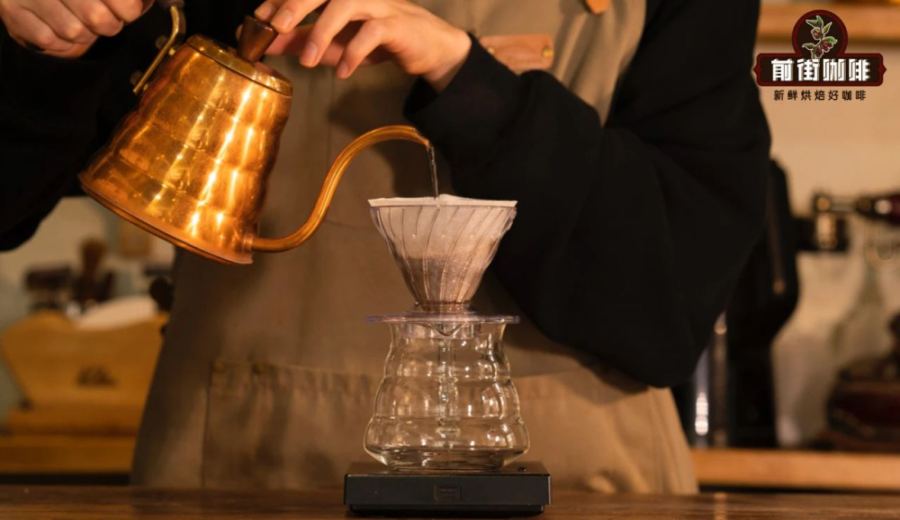
Introduction:The flavor of pour over coffee is actually greatly influenced by the flow rate of water and the speed of circular pouring. Many coffee enthusiasts often overlook these two details, but they are directly related to extraction efficiency and taste balance. This article uses a controlled variable experiment to compare two extreme methods—slow circular pouring with a small flow rate and fast circular pouring with a large flow rate—analyzing how they alter coffee concentration, aroma, and aftertaste. It also provides practical pour over parameter suggestions to help you fine-tune and achieve your ideal fruity expression.
During the pour over process, the size of the water flow and the speed of stirring, though seemingly trivial, have a non-negligible impact on the shaping of the final flavor. These details are often ignored by beginners, but once mastered, one can noticeably perceive differences in coffee aroma, acidity, sweetness, and layered mouthfeel.
To delve deeper into the role of these two parameters, we conducted a comparative experiment using a coffee bean with particularly prominent fruity notes. Throughout the experiment, variables such as coffee dosage, coffee-to-water ratio, grind size, and water temperature were strictly controlled. Only the pouring speed and the rhythm of circular movement were altered. Two extreme brewing methods—“small flow rate with slow circular pouring” and “large flow rate with fast circular pouring”—were used to observe their impact on extraction results.
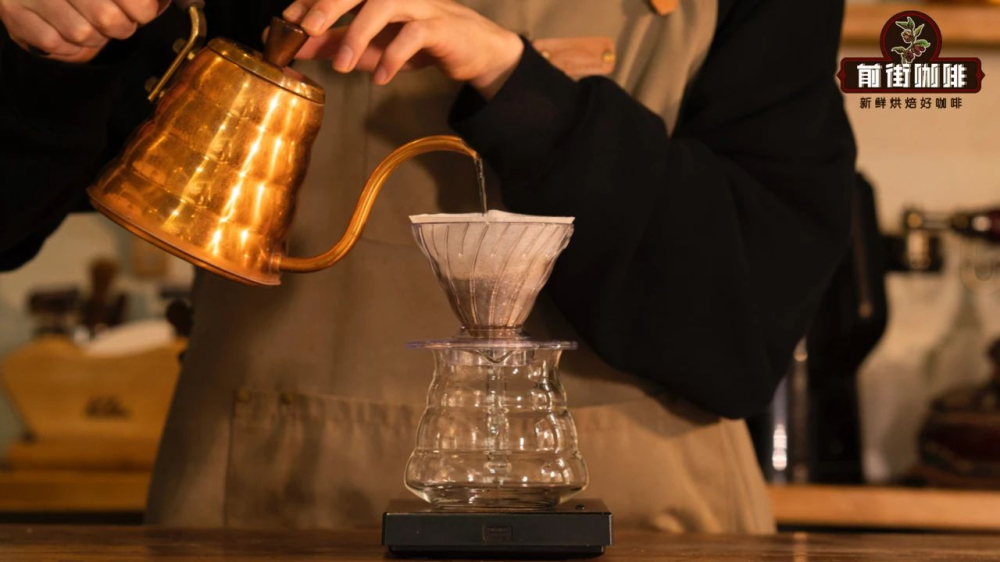
The parameters used in the experiment are as follows: 15 grams of coffee grounds, a coffee-to-water ratio of 1:15, a fine grind (with about 80% passing through a standard No. 20 sieve), and water temperature maintained at 91°C. With these consistent foundational conditions, only the pouring method was adjusted, making the experimental results more reference-worthy.
In the “small flow rate with slow circular pouring” test group, 30 grams of water were first poured for a 30-second bloom. Then, with a pouring rate of about 4 grams per second and a circular rhythm of approximately 4 seconds per circle, water was poured from the center outward and then back to the center. When the total water poured reached 125 grams, pouring was paused to allow the coffee bed to settle slightly to about half its height. Pouring continued in the same manner until 225 grams were reached, after which pouring stopped. The brew was allowed to fully drip through before removing the filter, with a total extraction time of about 2 minutes.
The “large flow rate with fast circular pouring” group also started with a 30-gram bloom. Then, with a higher pouring rate of 6 grams per second and a much quicker circular rhythm of about 1 second per circle, water was poured rapidly from the center outward and back again. Total water amounts were also paused at 125 grams and 225 grams, respectively. The extraction ended once all the coffee liquid had completely dripped through the filter, with the total time shortened to about 1 minute and 40 seconds.
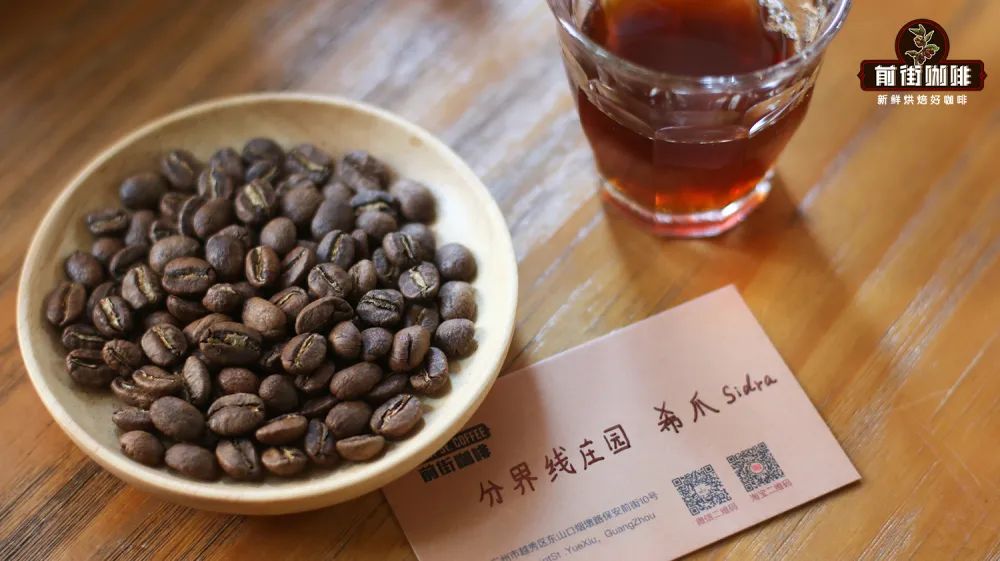
After actual measurement and sensory evaluation, the coffee brewed with “small flow rate and slow circular pouring” achieved a concentration of 1.37%. A rich strawberry aroma was distinctly perceptible, accompanied by a sweet flavor reminiscent of strawberry jam. The mouthfeel was silky and creamy, and the aftertaste carried the lingering richness of chocolate liqueur. The overall flavor was full-bodied and layered.
In contrast, the “large flow rate and fast circular pouring” group had a concentration of 1.28%, with a flavor profile that leaned more refreshing. The entry featured a slight fermentation note, with bright and lively berry aromas, and an aftertaste that presented a clean, tea-like sweetness. The overall presentation was clean and subtle, suitable for drinkers who prefer a refreshing taste.
From the experiment, it can be observed that the brewing method of small flow rate combined with slow circular pouring, due to longer contact time between the coffee bed and water, allows for more thorough interaction between water and coffee grounds. This helps improve overall extraction efficiency, thereby bringing out richer and more complex flavors. On the other hand, large flow rate with fast circular pouring, while quick to pour and shorter in extraction time, can lead to uneven extraction or over-extraction of certain components due to a thinner coffee bed and stronger water impact, resulting in an overall lighter flavor.
If you prefer a strong, multi-layered coffee mouthfeel, it is recommended to use a small flow rate and slow down the circular pouring speed, allowing each coffee particle to be evenly soaked and to release its flavor compounds. Conversely, if you desire a brighter and more refreshing flavor, a larger flow rate and faster circular pouring are better choices—but be mindful of whether the grind size is too coarse, which could lead to under-extraction.
Additionally, in actual practice, beginners are advised to start with a stable water flow and even circular pouring rhythm, gradually adjusting speed and range, and observing the changes in each brew to find the optimal balance point for your own taste. Remember, the charm of pour over coffee lies in the endless possibilities brought by these subtle adjustments.
The above content is compiled by CoffeeHunters, a coffee news website.


