








Introduction:Many coffee enthusiasts wonder whether espresso blends, designed specifically for espresso, can be used for pour over. This article delves into the core differences between espresso blends and single-origin beans, explores their suitability for pour over, and provides tested parameters for grind size, water temperature, and brew time. It also analyzes the flavor characteristics of different blends to help readers adjust their brewing strategies based on taste preferences, offering practical guidance for both beginners and advanced coffee lovers.
In today’s era of growing specialty coffee popularity, more and more coffee fans are exploring both espresso and pour over brewing methods. A common question is: Can espresso blends designed for espresso also be used for pour over? In fact, not only is this possible, but it can also bring unexpectedly delightful flavor experiences. The key lies in understanding the essential differences between these two types of beans and appropriately adjusting the brewing parameters.
Key Characteristics of Espresso Blends
Espresso blends are typically made by combining 2 to 3 different origin coffee beans in specific proportions. The primary goal of this combination is to balance the flavor profile — for example, by blending high-aroma beans with light body and those with rich body but weaker aroma, to create a more well-rounded taste. Many blend recipes also intentionally include a small amount ofRobusta beansto enhance the richness and crema of milk-based drinks through their intense body and oil characteristics.

This art of blending originated from Italian coffee culture: local consumers prefer espresso that is bold and slightly bitter. Single-origin beans often have overly prominent or inconsistent flavors. In contrast, carefully crafted blends not only offer better value for money but also ensure consistency in every cup, gradually becoming the market mainstream.
The Unique Character of Single-Origin Coffee
Single-origin coffee refers to beans that come from a single region, a single variety, and are not blended. The most notable feature of such beans is their ability to clearly express the terroir of their origin — for instance, the common floral and fruity notes of Ethiopian beans, or the distinctive earthy and spicy tones of Sumatra beans. Since no other ingredients are added, the flavor profile of single-origin beans is more refined, but they also demand more precise brewing techniques.
It’s worth noting that single-origin beans are usually priced higher than blends, which is closely related to their growing conditions, the complexity of processing methods, and the scarcity of production. When purchasing, consumers can learn more about their flavor potential through information on the packaging such as origin, altitude, and processing method.
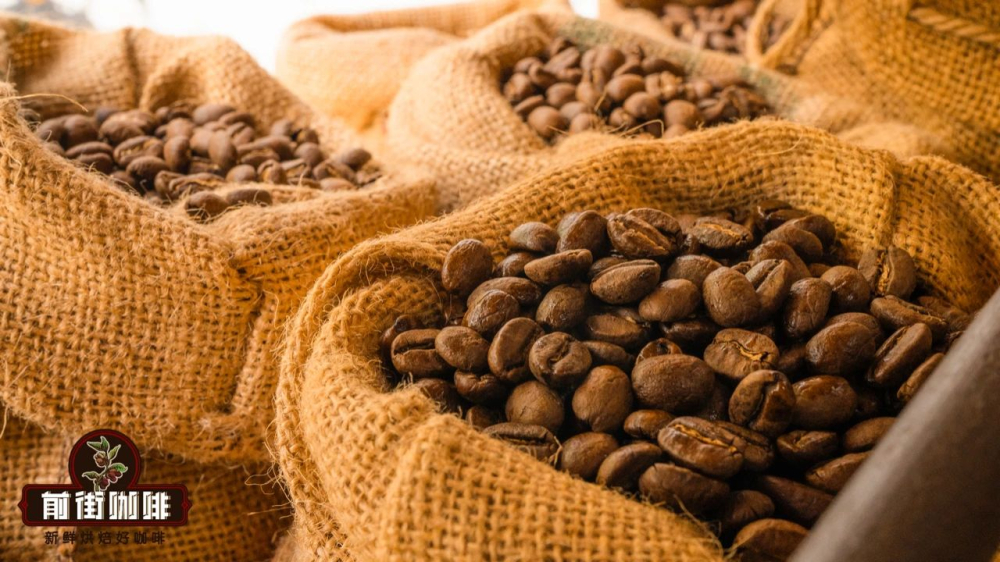
Key Differences Between Blends and Single-Origin
The core difference lies in ‘consistency’ and ‘flavor balance.’ The high-pressure extraction of espresso machines amplifies the bitterness and body of the coffee. Using a single-origin bean may highlight certain flaws (such as excessive acidity or thinness). Blends, through the synergy of multiple beans, create a rounder taste structure.
Although single-origin beans can also be used for espresso extraction (known as SOE, or Single Origin Espresso), their flavor performance can be easily affected by roast level and machine settings, requiring more refined adjustments. In comparison, the pre-set balanced formula of blends offers more stable results.
Feasibility of Using Espresso Blends for Pour Over
The answer is yes — but it requires targeted adjustments to your brewing strategy. Since pour over uses low-pressure filtration and cannot replicate the high-pressure environment of an espresso machine, the following parameters are recommended:
Equipment suggestion: V60 dripper (or other medium-to-large drippers)
Coffee dose: 15 grams (can be adjusted according to cup size)
Grind size: Medium-coarse (approximately 80% through a #20 sieve, about 20–30% coarser than typical espresso grind)
Water temperature: 90°C (can be fine-tuned ±2°C based on bean roast level)
Brew ratio: 1:15 (i.e., 15 grams of coffee to 225 ml of water)
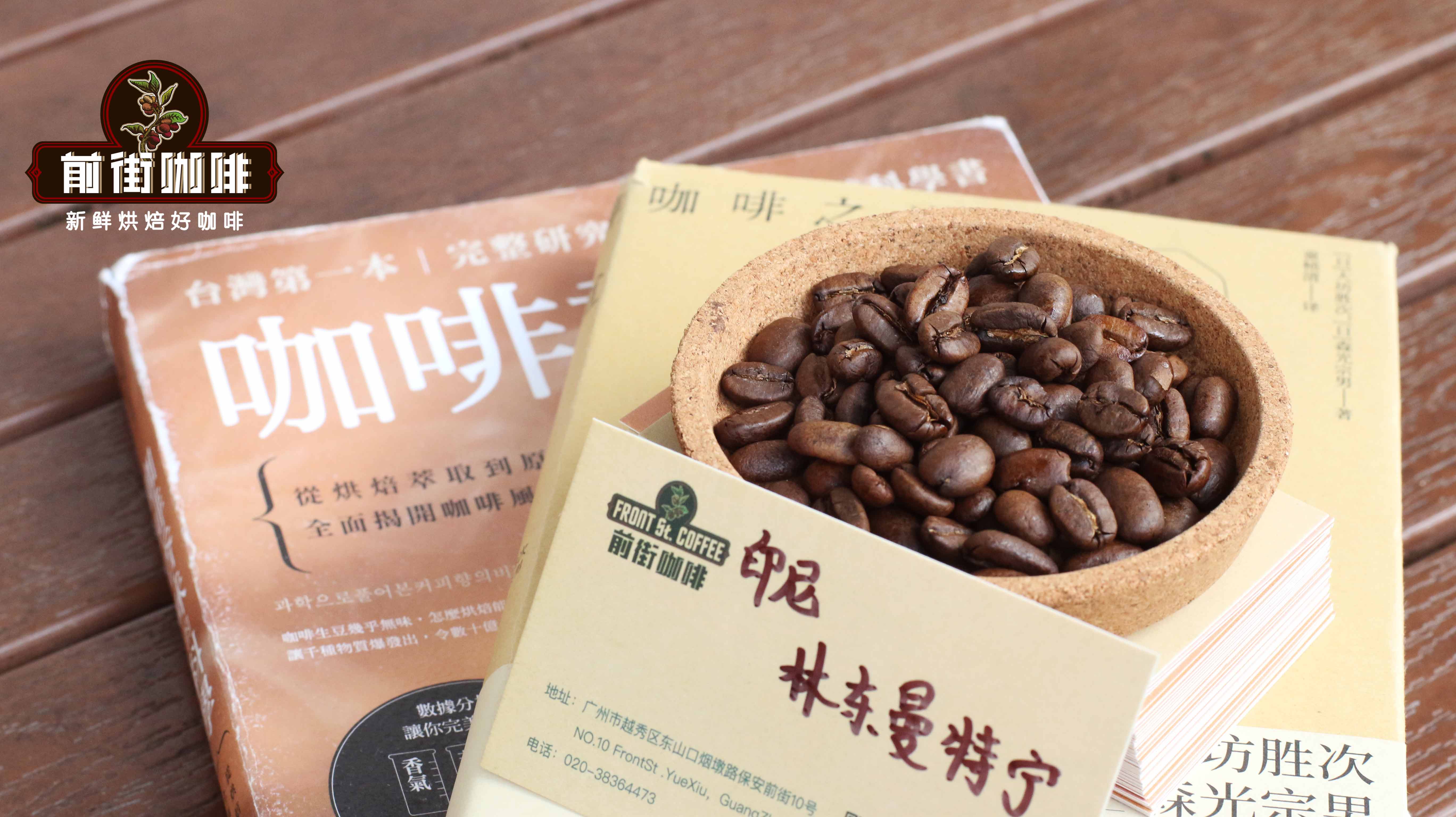
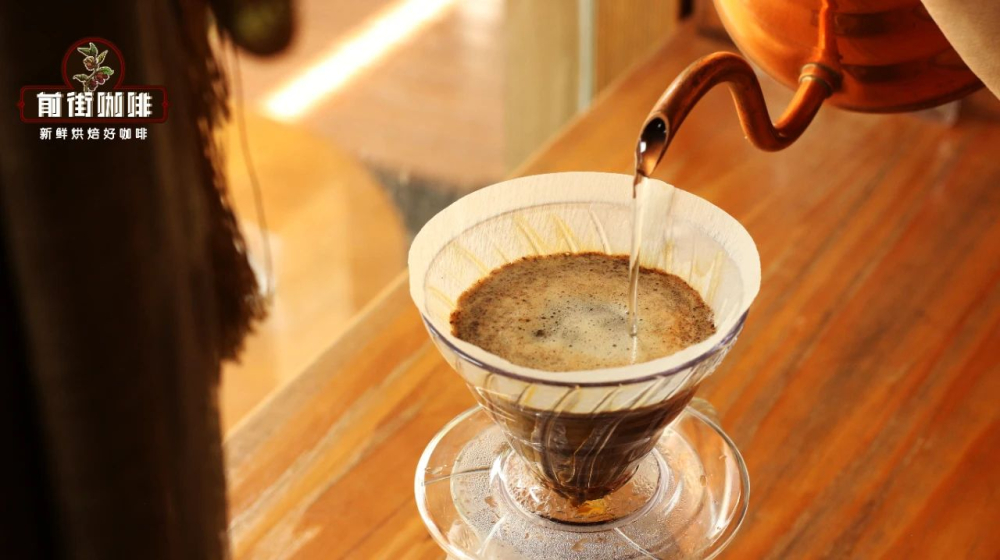
Tested Brewing Method
1. After preheating your equipment, place the ground coffee into the dripper and gently shake to level the surface
2. Pour 30 grams of hot water for a 30-second bloom (just enough to cover the coffee bed)
3. Use a small stream of water in a circular motion from the center outward, slowly pouring until you reach 125 grams, then pause for the first drawdown
4. When the water level drops and part of the coffee bed is exposed, continue pouring to reach a total of 225 grams
5. Finally, remove the dripper when the water level in the dripper has noticeably dropped, keeping the total brew time around 2 minutes
These parameters highlight the neutral tones in the blend such as nuts and caramel, while reducing the risk of over-extraction bitterness. The actual flavor may present a relatively pronounced body, but the aroma profile will differ significantly from that of espresso.
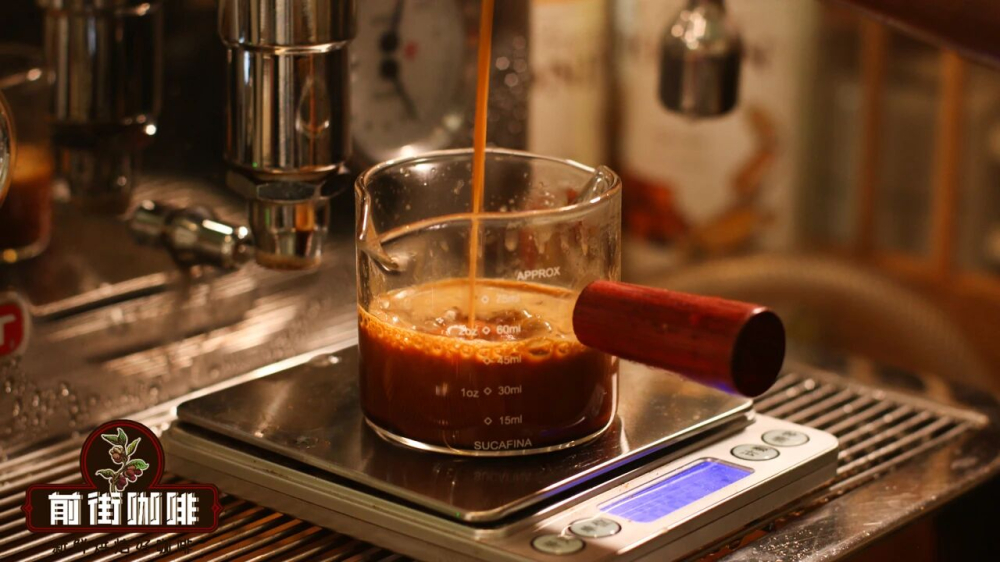
Analysis of Flavor Profiles in Espresso Blends
Different blend recipes showcase a variety of flavor directions. Common combinations include:
• Sun-dried Blends: Often feature wine-like aromas, berry acidity and sweetness, and roasted nut notes (suitable for those who enjoy fruity profiles)
• South American Blends: Centered around nuts, dark chocolate, and caramel, with a smooth and balanced mouthfeel
• Blends with Robusta: Enhance body and crema, ideal for those seeking a richer taste
• Special Process Blends: May exhibit unique flavor layers such as floral notes or syrupy sweetness
When selecting, consumers can choose a blend direction that suits their preference for acidity, sweetness, and body. It’s recommended to take notes on brewing parameters and flavor during initial trials, gradually identifying the combination that best matches your taste.
Common Misconceptions to Avoid
1. Directly using espresso grind size: Too fine a grind can lead to over-extraction and channeling
2. Ignoring water temperature control: Too high a temperature can amplify off-flavors in the blend
3. Not adjusting pour speed: Pouring too quickly may result in uneven extraction
4. Over-pursuing a ‘standard flavor’: The performance of blends in pour over naturally differs from espresso, so focus on actual taste experience
With appropriate parameter adjustments and brewing techniques, espresso blends can absolutely be transformed into uniquely flavored pour over coffee. This cross-brewing method experiment not only expands the diversity of coffee experiences but also helps deepen the understanding of how different processing methods and roast levels interact.

The above content is compiled by CoffeeHunters, a coffee news website.


