







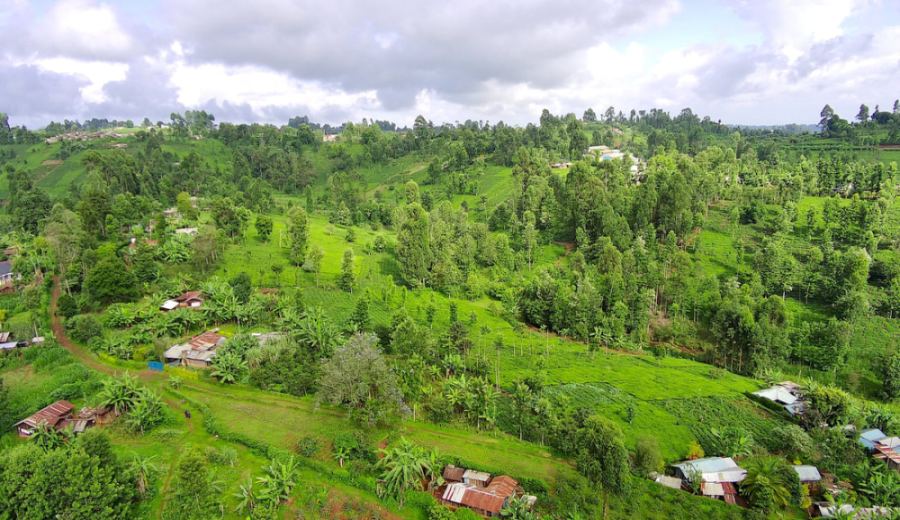
Introduction:Kenyan coffee is renowned for its intense fruity acidity and rich body, but the grading system—such as AA and AB—can be confusing. This article delves deep into the characteristics of Kenya’s seven premium coffee-growing regions, explores the differences between SL28 and SL34 varieties, and explains in detail the exclusive K72 washed processing method and its fermentation process. From bean grading standards to cupping flavor profiles, we also provide an actual roasting profile, pour-over brewing parameters, and professional cupping notes for the AA TOP beans from Asali Washing Station in the Thika region. This guide will help you fully grasp the essence of Kenyan coffee—from origin to cup.
When it comes to premium African coffees, Kenya is undoubtedly a heavyweight producer on par with Ethiopia. Ethiopian coffee is famous for its bright fruitiness and crisp acidity, while Kenyan coffee captivates coffee enthusiasts with its rich berry tones, solid body, unique tomato juice-like intensity, and dark plum-like acidity. Many often ask: what does Kenyan AA actually mean? In fact, it's a strict grading system established by the Kenyan government for green beans. This article will take you through the full picture of Kenyan coffee—from regional environments, main cultivars, exclusive processing methods, to grading standards for each bean size category and cupping performance.
[Comprehensive Analysis of Kenyan Coffee Regions]
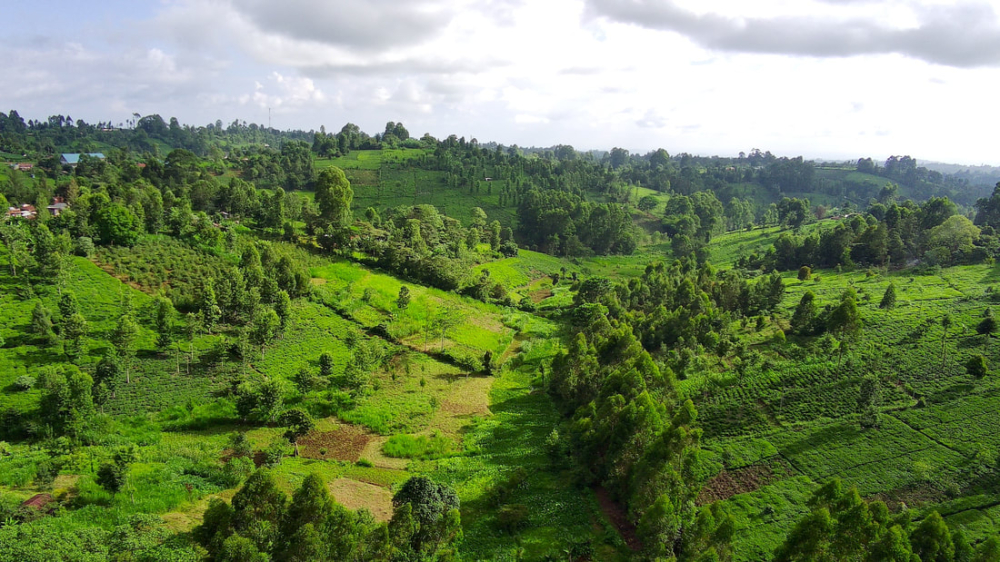
Kenya is located in East Africa, with the equator running through the center of the country and the East African Rift Valley stretching from north to south. The terrain is mainly plateau-based, with an average elevation of about 1,500 meters. The highest peak in the country, Mount Kenya (formerly known as Mount Kirinyaga), stands at 5,199 meters—second only to Mount Kilimanjaro—and is snow-capped year-round. This high altitude and fertile volcanic soil provide ideal growing conditions for coffee.
There are seven main premium coffee-growing regions in the country, including: Thika, Kirinyaga, Mt. Kenya West, Nyeri, Kiambu, Ruiru, and Muranga. Among them, Nyeri, Kirinyaga, Thika, and Muranga are widely recognized as the primary sources of specialty-grade beans.
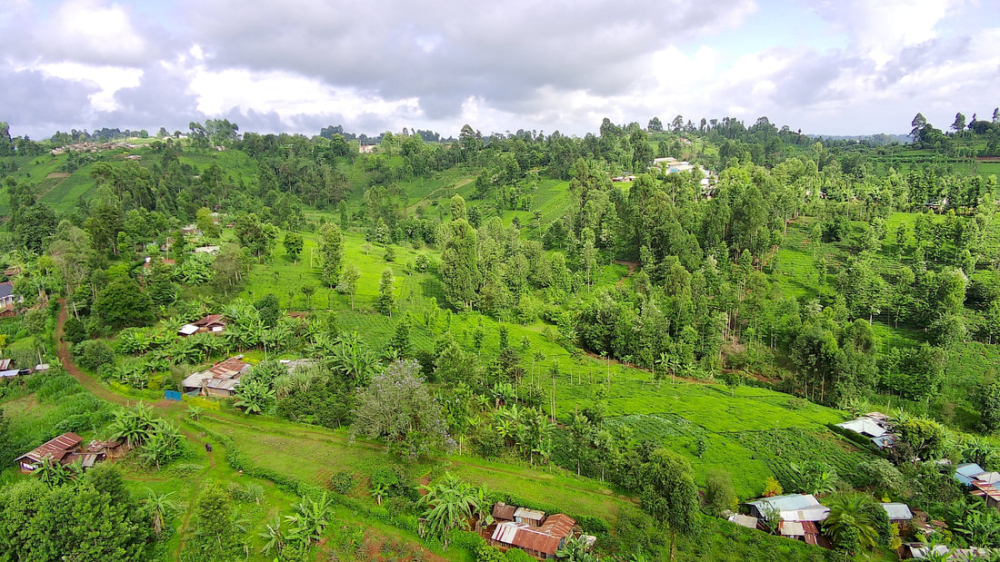
Nyeri RegionNestled at the foot of Mount Kenya, this region is known for its mineral-rich red soil. Elevations range from 1,200 to 2,300 meters, with the main harvest season from October to December and a secondary season from June to August. Most coffee farmers here operate as cooperatives, with few large-scale estates.
Muranga RegionLocated in the Central Province, home to over 100,000 coffee growers, this area was one of the early settlements of missionaries. It also benefits from volcanic soils, with elevations ranging from 1,350 to 1,950 meters, and similar harvesting seasons to Nyeri. The region has a high proportion of smallholder farms, and the coffee often features a distinctive richness.
Kirinyaga RegionAdjacent to Nyeri, situated on the slopes of Mount Kenya, Kirinyaga is known for its intense flavors, layered complexity, and full body, ranking alongside Nyeri as one of Kenya’s top-producing regions. The name "Kirinyaga" comes from the Kikuyu language, meaning "white mountain," and is considered a sacred place by local indigenous people. Elevations range from 1,300 to 1,900 meters, with harvest seasons concentrated from October to December and June to August.
Thika RegionLocated in the outskirts of the capital, Nairobi, coffee cultivation in this region dates back to the late 19th century. Around two thousand coffee farmers here primarily practice small-scale farming. The dominant varieties are SL34 and SL28, accounting for about 90% of production. The elevation ranges from 1,550 to 1,750 meters, and the coffee often exhibits bright fruit acidity, rich berry juiciness, and honey-like sweetness.
[Key Varieties: The Legendary Origins of SL28 and SL34]
A significant part of Kenyan coffee’s unique flavor profile comes from its classic varieties, SL28 and SL34. These two varieties were both selected and bred by the Scott Laboratories (now known as the Kenya Coffee Research Foundation) in the 1930s, originally aiming to find drought-resistant yet high-quality coffee varieties.
SL28Born in 1935, SL28 is derived from a drought-resistant variety originating in Tanganyika (now Tanzania). It boasts excellent drought tolerance but is more susceptible to disease. Even at 60–80 years of age, it can maintain stable yields. In cupping, SL28 shows complex berry acidity and a caramel-like finish. As the temperature drops, the acidity tends toward blueberry tones, with sweetness becoming more pronounced.
SL34SL34 originated from a “French Mission” coffee tree at the Kabete Loresho Estate in Kenya. That cultivar can be traced back to Bourbon seeds brought by French missionaries from Réunion Island in 1893. However, recent genetic testing suggests it shares lineage with Typica, so its true ancestry remains debated. In cupping, SL34 exhibits a richer flavor, with acidity leaning toward dark berries such as blackberries. It balances sweet and sour well, with a caramel-like aftertaste.
In actual tasting, both SL28 and SL34 display rich berry acidity and caramel sweetness. However, SL28 shows more pronounced blueberry acidity and higher sweetness as the temperature drops, while SL34 excels with deeper berry tones and a heavier body.
[Exclusive K72 Washed Process: 72-Hour Low-Temperature Fermentation]
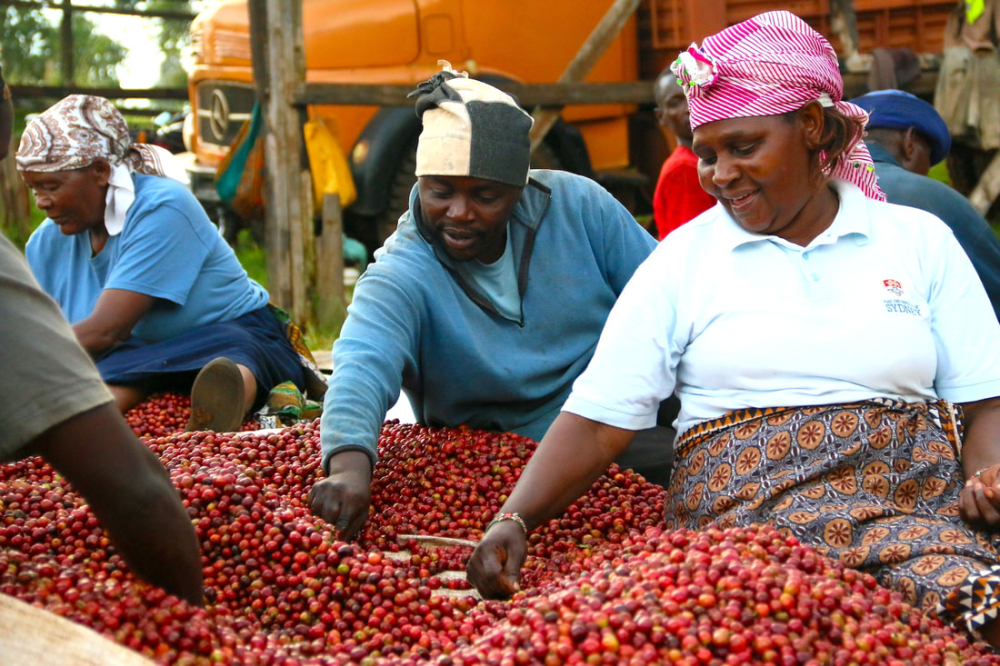
One of the proudest achievements of Kenyan coffee is its distinctiveK72 washed processing method (K72). This process requires post-harvest processing to begin on the same day the coffee is picked. Only the highest-quality coffee cherries are selected, with their skins removed and then fermented for 24 hours before being washed clean. This identical fermentation and washing cycle is repeated twice more, totaling 72 hours. This prolonged low-temperature fermentation process fully extracts flavor compounds from the mucilage while preserving clarity and layering in the acidity. The beans are then dried in the sun.
This process gives Kenyan coffee a brighter, cleaner, and fuller flavor profile, which is also the key factor distinguishing it from other origins.
[Detailed Explanation of Kenyan Coffee Bean Grading System]
Kenya’s grading system is primarily based onbean screen sizeand cupping quality, rather than region or processing method. The main grades are as follows:
- AA Plus (AA+): The highest-quality AA-grade beans in terms of cupping
- AA: Bean size of 17–18 mesh, typically the top grade within a region
- AB: Size of 15–16 mesh, making up the majority of Kenya’s coffee exports
- C: Smaller than AB-sized beans
- TT: Lightweight beans selected from AA and AB through air classification
- T: Even lighter beans selected from C-grade
- E (Elephant Bean): A giant mutant bean formed by two beans fused together
- PB (Peaberry): Naturally occurring round seeds, not necessarily linked to flavor
Among these, AA-grade beans are widely recognized in the market as representing high quality. Especially those sized 17–18 mesh, they not only look intact but also often have outstanding extraction performance.
[Practical Reference: AA TOP Beans from Asali Washing Station in Thika Region]
Take the AA TOP-grade coffee from Asali Honey Processing Station in the Thika region as an example. These beans are cultivated from the SL28 and SL34 varieties using the K72 washed process, grown at elevations of 1,550–1,750 meters. In cupping, they show intense fruit acidity, berry juiciness, and honey-like sweetness. Recommended pour-over parameters are a 1:15 coffee-to-water ratio, water temperature of 90–91°C, and grind size close to fine sugar (78% passing through a #20 sieve). The tested roasting curve and brewing setup effectively highlight its bright acidity and layered fruity aroma.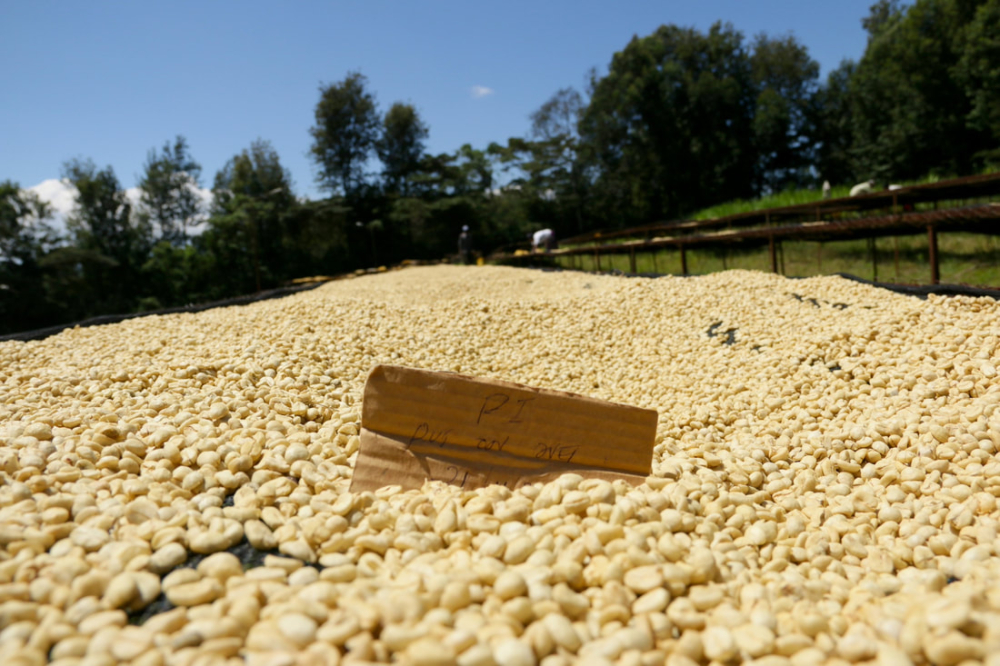
The above content is compiled by CoffeeHunters, a coffee news website.


