







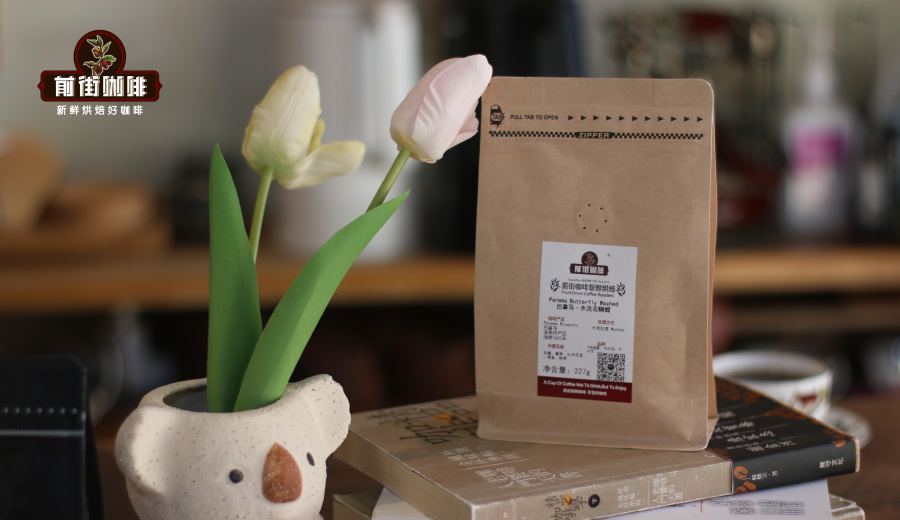
Introduction:In addition to the renowned Geisha, Panama’s Boquete region also offers an exceptionally high-value blend called Flower Butterfly. This blend combines Geisha, Caturra, and Catuai varieties, showcasing delicate floral and fruity notes through a washed processing method. This article delves into its origin background, variety characteristics, processing techniques, and provides professional pour over recommendations along with a three-stage extraction parameter guide to help you master the brewing secrets of this high-CP-value specialty bean.
Panama is globally celebrated for the Geisha variety from Hacienda La Esmeralda, and its core region, Boquete, is a holy grail for specialty coffee enthusiasts. Beyond the expensive top-tier Geisha, there is another well-received blend here—Flower Butterfly—which combines Geisha, Caturra, and Catuai. Processed via washed method, it delivers a fresh tea-like aroma, subtle honey sweetness, berry-like notes, and clean floral tones. This coffee not only boasts a rich flavor profile but is also relatively affordable, making it a great choice for both novice and seasoned coffee drinkers.
Boquete is located in western Panama, near the border with Costa Rica and adjacent to the active Barú Volcano. Its geographical environment is uniquely advantageous. The region features fertile volcanic soil, combined with high altitude and significant diurnal temperature variations, creating a microclimate highly suitable for coffee cultivation. These diverse microclimates allow coffee trees to grow healthily in a stable environment and accumulate abundant flavor compounds.
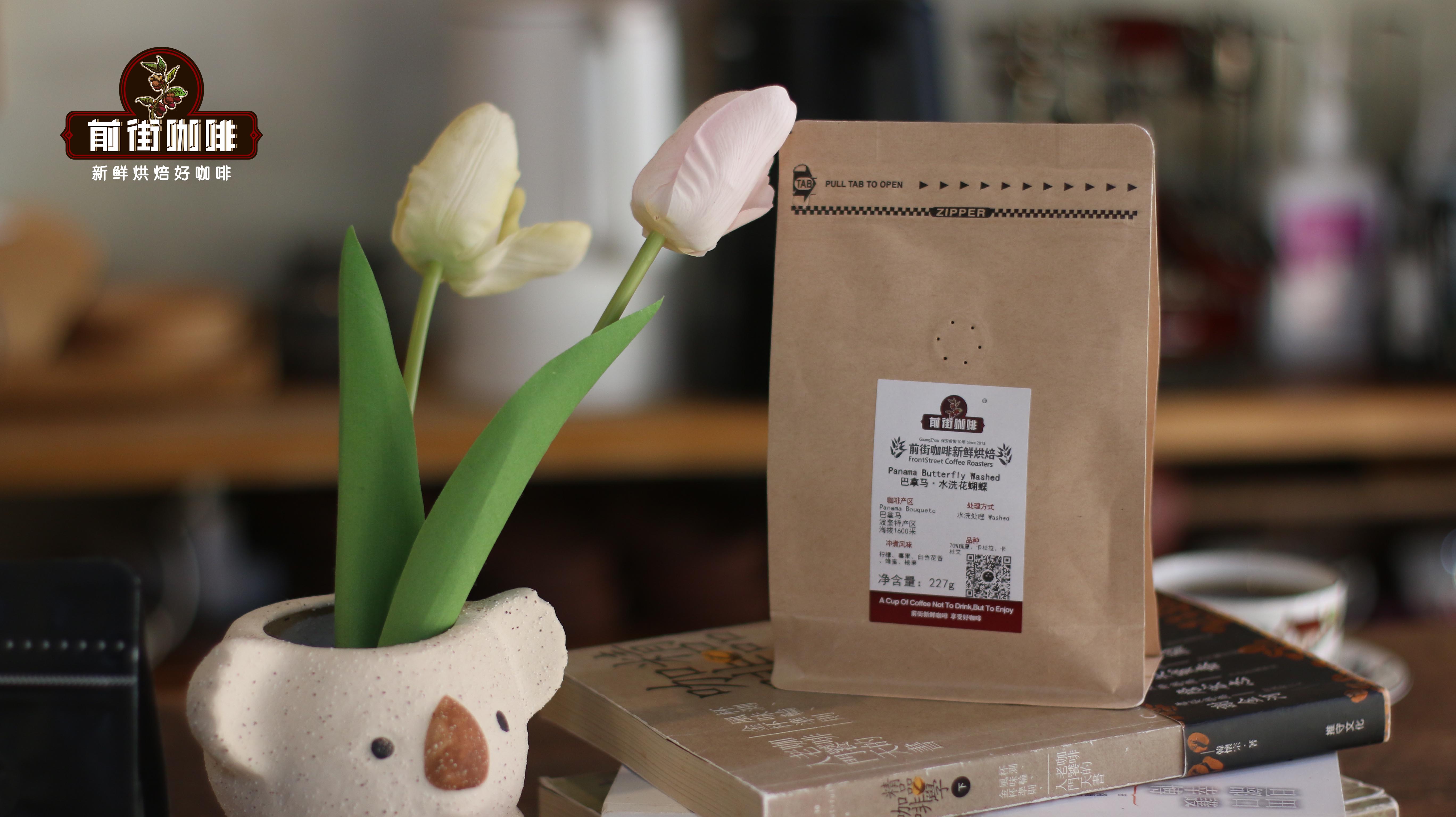
Although Geisha has gained immense fame, its high price isn’t accessible for everyday enjoyment by everyone. Flower Butterfly offers an alternative: it contains about 40% Geisha lineage, blended with Caturra and Catuai, grown at around 1,600 meters in the Barú volcanic area. This blend not only inherits the distinctive floral and fruity aromas of Geisha but also enhances body and sweetness through the other varieties, resulting in a balanced and layered taste.
It is understood that the hybrid origins of Flower Butterfly are related to early planting strategies. Local farmers originally planted Geisha alongside other varieties to boost yield, and later, for harvesting convenience, did not separate them during processing. As Geisha gained popularity, this hybrid bean gradually received more attention and had its potential highlighted through refined washed processing. Washed processing removes pulp and impurities, making the coffee flavor clearer, acidity brighter, while preserving delicate fruit and floral notes.
The washed processing involves: first removing unripe or overripe floaters, then depulping the beans, followed by placing mucilage-covered beans into fermentation tanks where natural enzymes and microbes break down the pectin layer. After fermentation, the beans are washed and moved to drying patios, where they are regularly turned to ensure even drying. Finally, the parchment beans are stored in a low-temperature environment until final processing before export. This method highlights the coffee’s cleanliness and vibrant acidity, while imparting refreshing fruit and delicate floral notes.
During cupping, Flower Butterfly exhibits a rich aromatic profile: dry fragrance carries jasmine, citrus, and tea notes, accompanied by soft honey undertones; wet aroma releases berry, floral, and citrus scents with a slight oily sensation; when sipped, one can perceive juice-like sweetness, non-sharp and refined acidity, along with layers such as bergamot, honey, cherry, spices, and white flowers, with a long-lasting aftertaste that continuously releases fragrance.
To fully showcase the Geisha heritage and washed processing characteristics of Flower Butterfly, it is recommended to use a medium-light roast. This preserves the firm texture and vibrancy of high-altitude beans while enhancing bright acidity and floral-fruity notes. For brewing, it is suggested to use a V60 filter cone with a three-stage pouring method to improve extraction efficiency and maintain flavor balance.
Suggested practical pour over parameters are as follows: use 15 grams of coffee grounds, set the coffee-to-water ratio between 1:15 to 1:16, and grind size to about that of fine sugar (80% passing through a #20 sieve). Water temperature should be controlled between 91–92°C. Begin with a 30-second bloom using 30 grams of water to help the coffee release gases; then pour 95 grams of water in a circular motion, and once the coffee bed has descended halfway, add the final 100 grams of water. Throughout, maintain a small stream and center-pouring technique to avoid over-extraction or unevenness. Once the coffee has fully dripped through, gently swirl before enjoying.
In summary, Flower Butterfly combines the elegant floral-fruity notes of Geisha, the body of Caturra, and the sweetness of Catuai, all highlighted by washed processing to produce a bright and refreshing flavor. It’s highly suitable for coffee lovers who enjoy fruity and floral profiles. With the right roast level and brewing techniques, this high-value blend will deliver a delightful and surprising taste experience.
The above content is compiled by CoffeeHunters, a coffee news website.


