








Introduction:Many coffee beginners often wonder whether Mandheling refers to a coffee region or a coffee variety. This article delves into the geography and climate of Sumatra, Indonesia, to explore the origins of the local wet-hulling processing method, introduces Indonesia’s coffee grading system in detail, and explains the selection criteria for Golden Mandheling. It also discusses the flavor impact of the Catimor variety and provides practical tips for identifying high-quality Mandheling, helping you choose truly premium Indonesian coffee.
Many newcomers to coffee are often puzzled by the term "Mandheling": is it the name of a coffee region or a type of coffee variety? In fact, Mandheling was originally the name of an ethnic group in northern Sumatra, Indonesia, and later came to refer generally to the Arabica coffee produced in that region. Over time, however, the term has come to represent a distinct style of coffee from Indonesia’s Sumatra region, rather than a single variety.
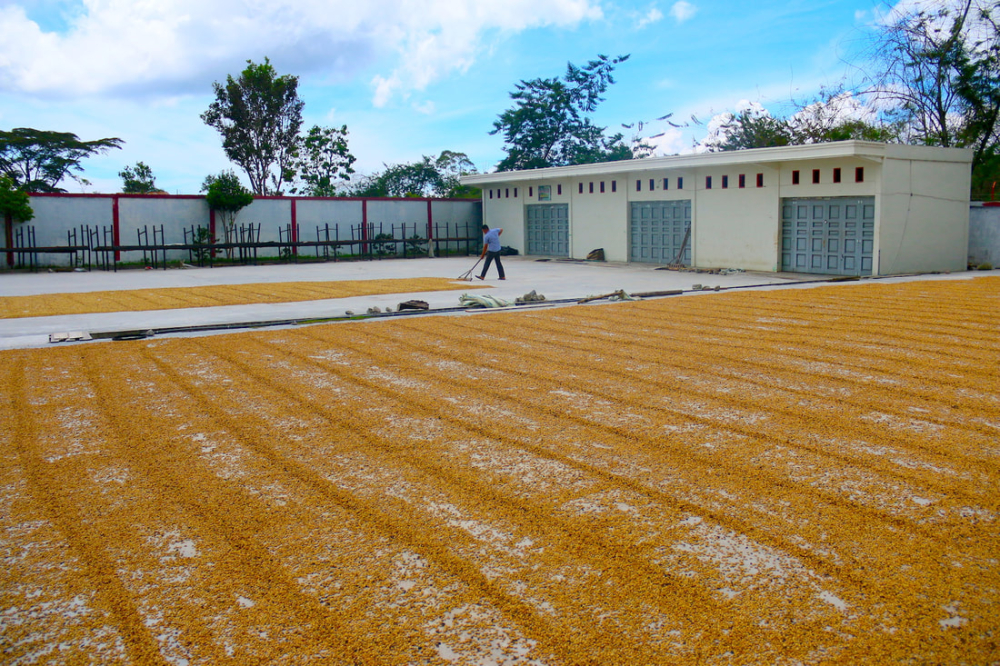
To understand what makes Mandheling unique, we must first look at Sumatra’s geography and climate. As Indonesia’s largest island, Sumatra lies near the equator, with high temperatures, humidity, and abundant rainfall throughout the year. While this environment is suitable for coffee cultivation, the high humidity and limited water resources make traditional washed or natural processing methods difficult. As a result, the region developed its uniquewet-hulling process. In this method, after the coffee cherries are depulped, they undergo partial fermentation and mucilage removal, followed by the removal of the parchment layer while the beans are still wet, accelerating the drying process. This technique contributes to thebold herbal, earthy, and spicy profilescommonly found in Indonesian coffees, which have become hallmark traits of Mandheling.
Although Indonesia has numerous Arabica and Robusta-growing regions, suitable high-altitude areas for premium Arabica are actually limited due to elevation constraints. Overall, about25% of Indonesia’s coffee is Arabica, with the majority being Robusta, which thrives at lower altitudes and exhibits strong disease resistance. Due to the wide disparity in quality, the Indonesian government employs agrading system primarily based on the number of defective beans, supplemented by bean size as a secondary criterion. This system serves as an important reference for consumers evaluating coffee quality.
According to the commonly used Indonesian coffee grading standards, evaluation is typically based on thenumber of defects and deduction points in a 300-gram sample. The common grades, ranked from highest to lowest, include G1, G2, G3, G4, among whichG1 is the highest grade, requiring extremely low defect deduction points. For instance, under the G1 standard, the total defect score for a 300-gram sample must generally not exceed 3 points—a notably strict requirement.
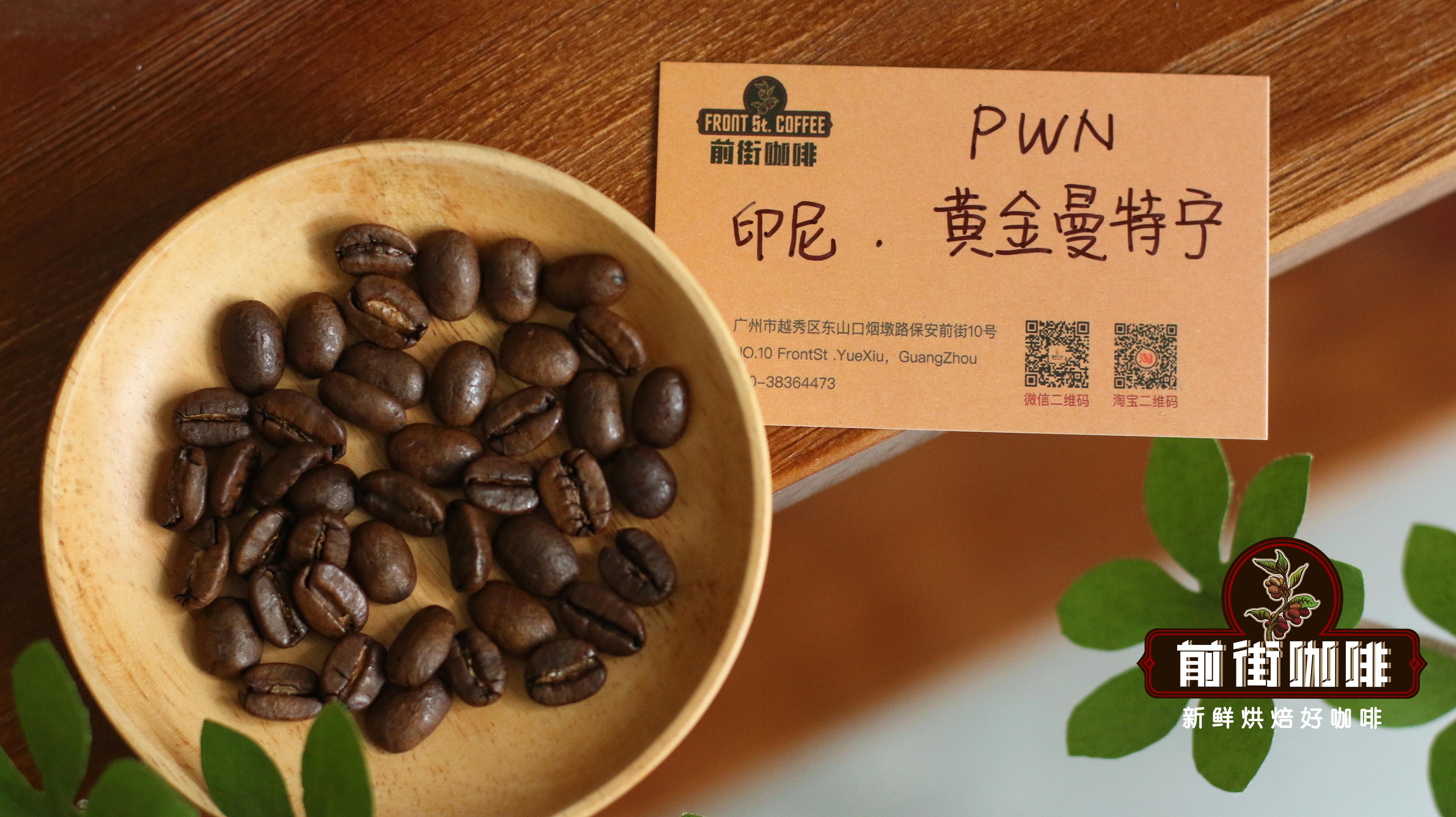
Among the many Indonesian Mandhelings,Golden Mandhelingstands out due to its rigorous selection process. This coffee was originally custom-produced for the Japanese market, and its most distinctive feature is undergoing multiple rounds of hand sorting to ensure every bean meets very high standards. It is understood that Golden Mandheling requiresat least four rounds of manual selection—far stricter than the typical G1 grade—resulting in minimal defects, plump beans, and even a relatively higher proportion of horseshoe-shaped beans.
In terms of variety, traditionally many Indonesian Mandhelings were grown using classic Typica or Ateng varieties. However, over time, some regions began switching toCatimor. This is a hybrid of Arabica and Robusta, first successfully cultivated in 1959 and promoted in Brazil during the 1970s and 1980s. Catimor boastsstrong disease resistance and suitability for high-density planting, but due to its fast maturation and high yield, it also demands more nutrients and shade, with an average tree lifespan of only around ten years.
The introduction of the Catimor variety has also influenced the flavor profile of Mandheling. Compared to traditional varieties, Mandheling grown from Catimor oftenexhibits more pronounced roast aromas, such as toasted bread and nutty notes, along with greater body—traits that are partly attributed to the Robusta genetic influence. However, excellent processing and selection can still preserve certain distinctive Arabica flavors, such as subtle herbal notes and caramel sweetness.
For consumers, selecting truly high-quality Mandheling in the marketplace is also a nuanced task. First, it should be noted thatalthough Sumatra is famed for Mandheling, Robusta is actually the predominant variety planted there, far outnumbering Arabica. As a result, some sellers may pass off low-cost Robusta as Mandheling. Additionally, if product names include terms like “flavor”—for example, “Mandheling flavor” or “Mamba flavor”—it often indicates that the product may contain no actual Mandheling beans at all. Observing the defect rate of the beans is also a key indicator; coffee grown in high-humidity environments is more prone to issues like insect damage and mold, so choosing batches with fewer defects helps ensure better flavor performance.
In summary, Mandheling is not a single variety but represents coffee from Indonesia’s Sumatra region, characterized by its unique processing method and flavor profile. Golden Mandheling distinguishes itself among Mandhelings with its stringent selection process and high-quality standards. By understanding its regional background, processing techniques, grading system, and varietal evolution, consumers can more accurately select genuinely worthwhile Indonesian specialty coffees, while also avoiding common market confusion and misinformation.
The above content is compiled by CoffeeHunters, a coffee news website.


